
A Call
B"H
Destroying the Myth — Becoming a Friend and a Neighbor
Introduction
The Places Where Jews Are Not
There are vast regions of America where a person can live their entire life without ever meeting a Jew.
Not because Jews are banned.
Not because they are unwelcome.
But because they are simply absent.
Rural America — the small towns, forests, farms, back roads, lakes, and fields — remains largely untouched by Jewish presence. And where Jews are absent, Judaism does not remain neutral. It becomes whatever replaces lived experience: rumor, imagination, inherited myth, or cultural caricature.
This absence matters.
Most misunderstandings about Jews do not arise from hatred. They arise from unfamiliarity. When people have no Jewish neighbors, Judaism becomes abstract — an idea rather than a relationship. And abstract ideas are easily distorted.
Shaarei Tzafon exists because we believe something old, simple, and profoundly Jewish: Judaism belongs wherever Jews live honestly, peacefully, and faithfully. Not only in cities.
Not only in enclaves. Not only behind walls of familiarity.
This essay is not a political statement. It is not a call to confrontation. It is not outreach marketing.
It is a call to presence.
A call for Orthodox and traditional Jews to recognize that rural America is not hostile territory, but unfinished ground — places where being a good neighbor is itself a form of Kiddush Hashem.
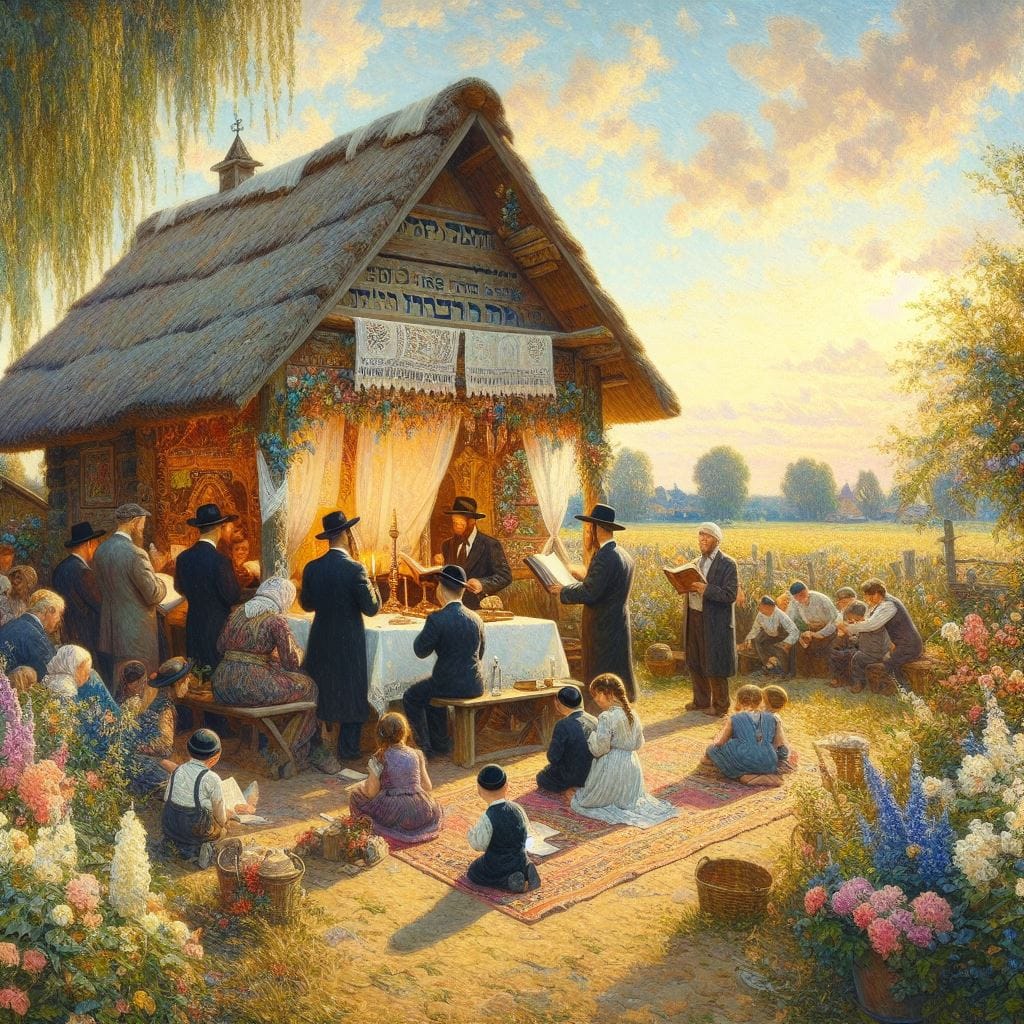
I. The Myth of the Jew in Rural America
In many rural communities, the “Jew” exists only as an image.
Sometimes that image is neutral.
Sometimes it is curious.
Sometimes it is suspicious.
But rarely is it personal.
The myth of the Jew in rural America is often shaped by:
media portrayals
internet discourse
political rhetoric
inherited religious language
cultural stereotypes
These myths persist not because rural people are malicious,
but because absence creates imagination.
Arguments rarely defeat myths.
Presence does.
When a Jewish family lives quietly in a town — works honestly, keeps their word, raises children, respects local law, and helps neighbors — something remarkable happens: the myth collapses. Not through debate, but through daily normalcy.
Judaism stops being an idea and becomes a neighbor.
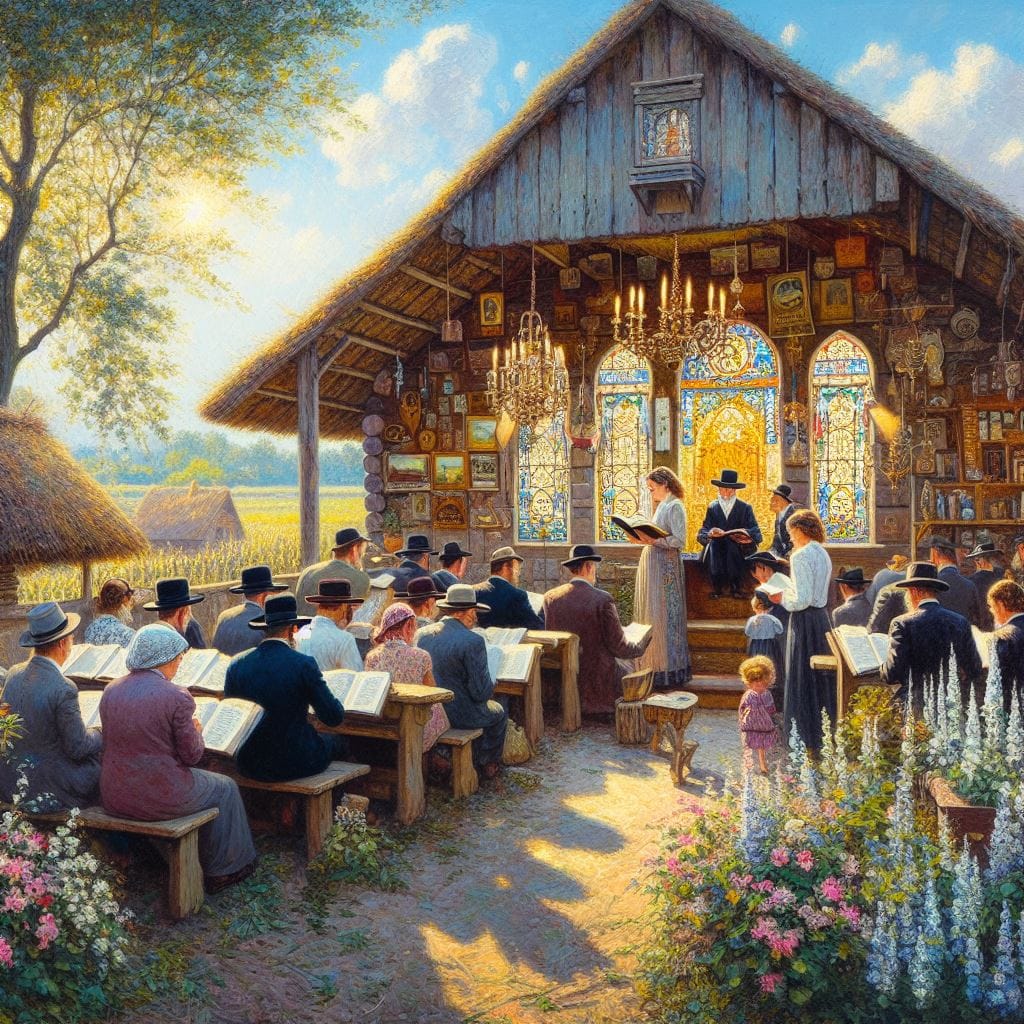
II. Torah Was Never Meant to Be Urban-Only
The idea that Judaism “belongs” only in cities is historically false.
The Torah is saturated with rural life:
shepherds and flocks
fields and harvests
seasons and weather
land boundaries and paths
isolation, travel, and danger
Avraham (Avraham) lived among herds and tents.
Yitzḥak (Isaac) dug wells.
Yaʿakov (Jacob) worked the land.
Moshe (Moses) shepherded in the wilderness.
Large portions of halakhah only make sense in non-urban life.
When Jews confine themselves only to dense urban environments, Torah becomes theoretical. When Jews live in rural settings, Torah returns to its natural rhythm — land, labor, patience, and responsibility.
Rural Jewish life is not a retreat from Torah.
It is a restoration of Torah’s original context.
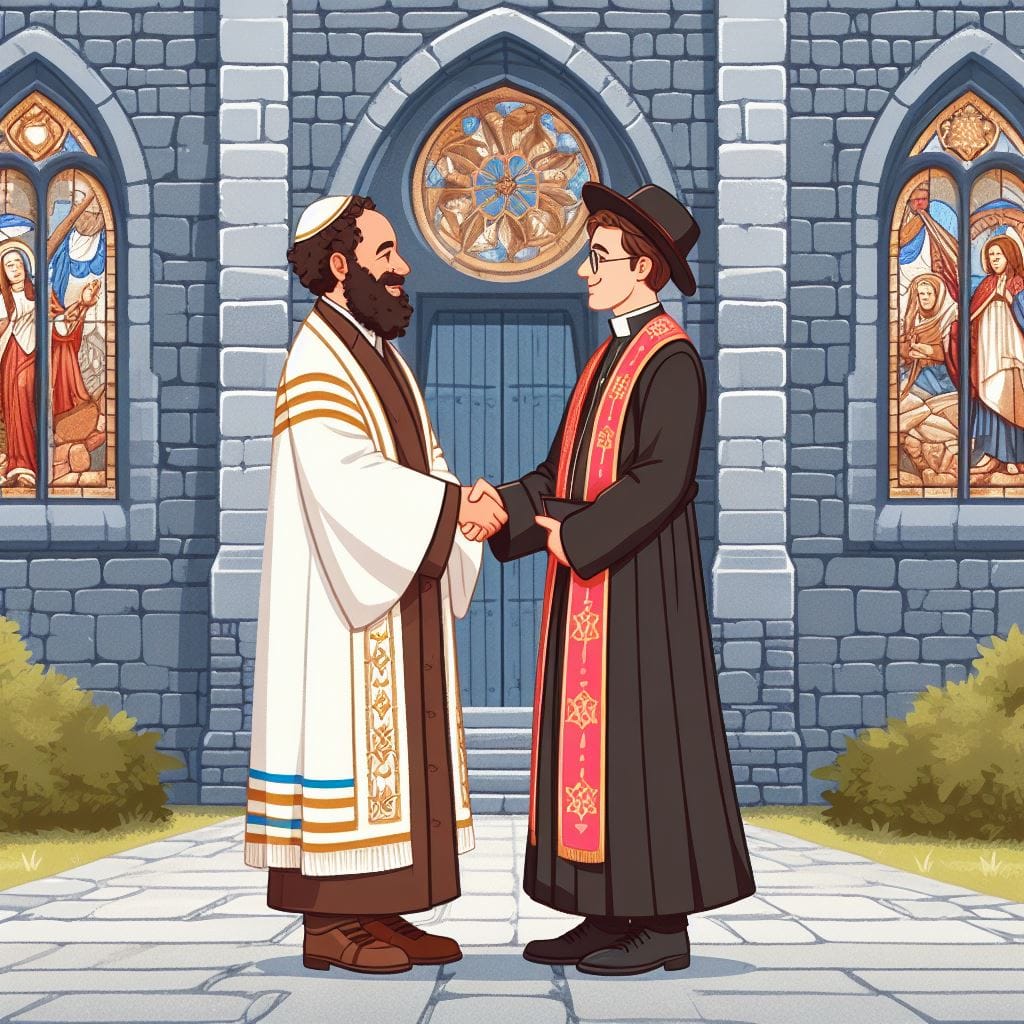
III. Being a Good Neighbor Is a Torah Obligation
Judaism does not begin with slogans.
It begins with behavior.
Before prayer, there is conduct.
Before teaching, there is character.
Before influence, there is trust.
The Torah demands derekh eretz — proper human conduct — as a prerequisite for holiness.
In rural communities, this is immediately visible.
People notice:
whether you respect property
whether you obey the law
whether you help in emergencies
whether you speak honestly
whether you cause trouble
Orthodox and traditional Jews who live Torah correctly do not disrupt rural life. They strengthen it.
They:
keep Shabbat without imposing it on others
observe mitzvot without hostility
respect civic authority
live peacefully among their neighbors
This is not compromise.
This is Torah lived properly.
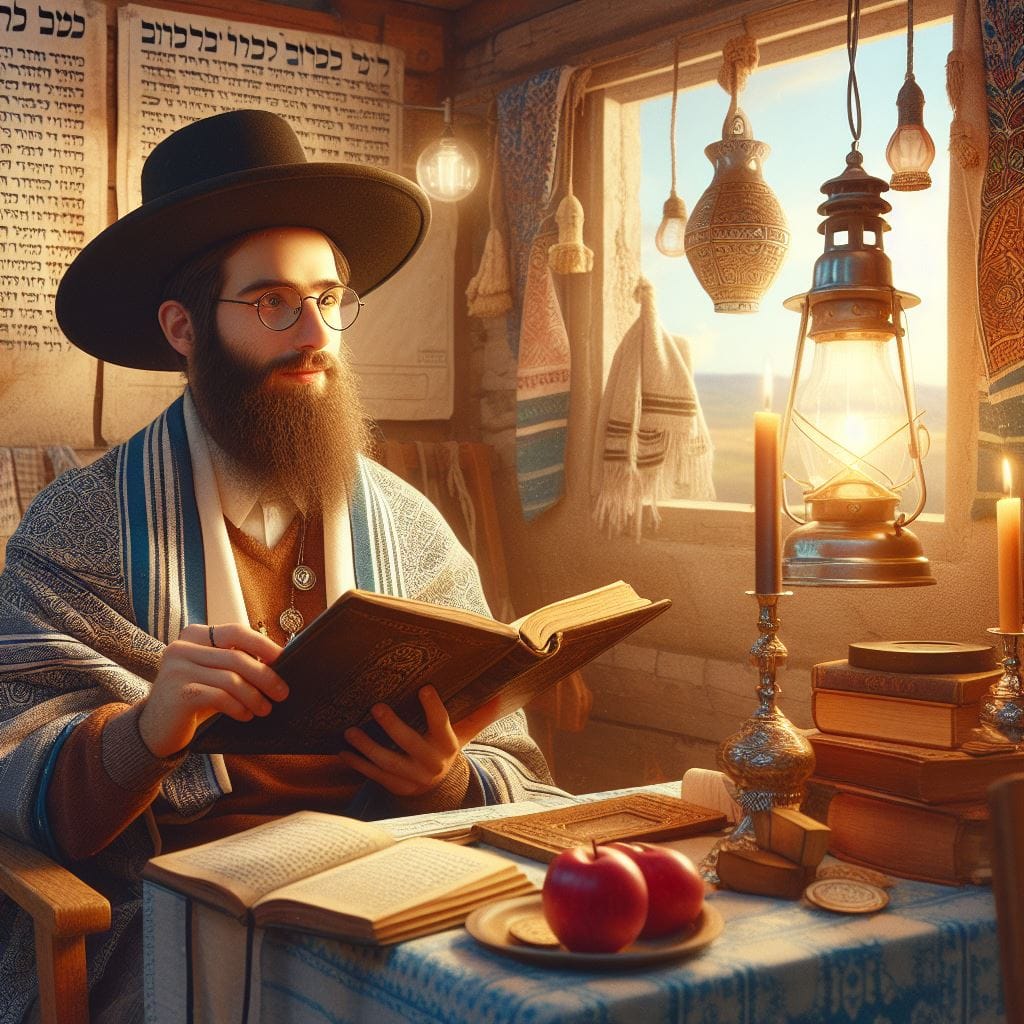
IV. Law-Abiding Citizenship as Kiddush Hashem
Judaism does not produce anarchists.
It produces disciplined citizens.
Halakhic life trains a person in restraint, responsibility, and order. A Torah-observant Jew understands that chaos is not freedom — it is destruction.
Respect for law, when the law is just, is not weakness. It is covenantal wisdom.
A Jew who:
pays taxes
follows regulations
respects courts
resolves disputes peacefully
sanctifies God’s Name quietly, without announcement.
In rural America — where trust, order, and reliability matter deeply — this kind of Jewish presence earns respect naturally.
V. Shmuel and Ablet — Friendship Without Compromise
The Talmud preserves a remarkable relationship between Shmuel, one of the great sages of Babylonia, and Ablet, a non-Jewish Roman official.
Their relationship was not superficial.
It was not strategic.
It was not conditional.
The sources portray:
genuine friendship.
They trusted one another.
They spoke openly.
They cared about one another’s well-being.
Shmuel never compromised Torah.
Ablet never demanded it.
Ablet did not convert — and Shmuel did not push him.
Yet their bond was deep, loyal, and sincere.
The Gemara preserves this relationship deliberately, to teach a profound lesson:
A Torah-faithful Jew can be deeply respected and genuinely loved by a non-Jew — because of Torah, not despite it.
This is the model for Jewish life outside Jewish majority spaces.
Friendship does not require conversion.
Neighborliness does not require assimilation.
Peace does not require erasure.
VI. Conversion Without Coercion — Torah’s Middle Path
Judaism is not hostile to conversion.
Judaism is also not missionary by force.
If a person genuinely desires to follow Torah at ANY!!!!! (even if its just one mitzvah) capacity
if they seek mitzvot, discipline, obligation, and covenant
then we offer conversion the first steps welcoming them into Israel, this is a mitzvah.
But Judaism does not teach that everyone must be Jewish.
A person who does not want Torah at ANY capacity (who doesn’t want one single mitzvah) should not be pressured, manipulated, or emotionally recruited into conversion. Forcing Jewish identity on someone unwilling to live Jewish obligation harms both the individual and Judaism itself.
Judaism spreads not by coercion, but by example.
When people encounter a life of integrity, restraint, and faithfulness, some will ask. If they ask, we teach. If they seek, we guide. If they do not, we respect their path.
This was the posture of Shmuel toward Ablet.
And it remains the posture of Torah toward the world.
VII. Why Orthodox and Traditional Jews Matter Specifically
In rural areas, Jewish continuity cannot survive on symbolism alone.
Cultural Judaism fades quickly without infrastructure.
Ideological Judaism burns out.
Emotional spirituality drifts.
Orthodox and traditional Judaism survives because it is structured.
It:
orders daily life
sanctifies time
preserves family continuity
transmits identity across generations
In places without synagogues on every corner, this discipline matters.
Orthodox Jewish families who live quietly in rural America demonstrate that Judaism is not fragile. It does not require constant reinforcement from crowds.
It can live in homes, around tables, and through daily choices.
VIII. Destroying the Myth Through Presence
Myths collapse when neighbors become real.
When the Jew is the person who:
plows their driveway
helps during a storm
keeps their word
treats others with dignity
Judaism stops being a rumor.
It becomes normal — and respected.
This is not about winning arguments.
It is about restoring trust.
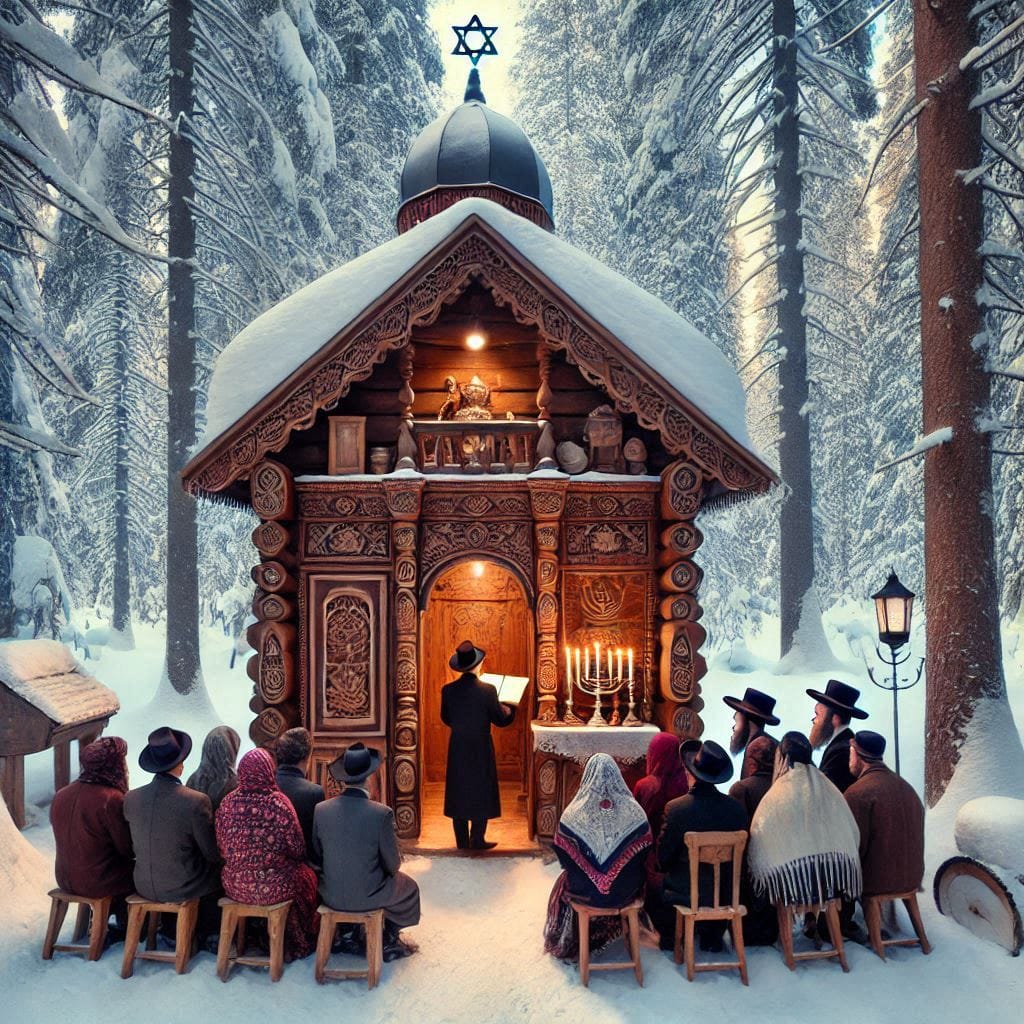
Conclusion — A Quiet Call
Judaism does not need to dominate society to survive.
It needs witnesses.
Rural America does not need to be conquered, corrected, or lectured.
It needs neighbors.
Orthodox and traditional Jews living faithfully, peacefully, and law-abidingly in rural places do something powerful: they make Judaism visible without pressure, human without dilution, and strong without aggression.
This is not a call for everyone to move rural.
It is a call for those who already live there — and those considering it — to understand that being a good neighbor is not secondary to Torah.
It is one of its clearest expressions.
Shaarei Tzafon stands for this vision: Judaism lived openly, calmly, and responsibly in the quiet places of the North — and everywhere else Jews may find themselves.
Not to destroy communities.
But to bless them.
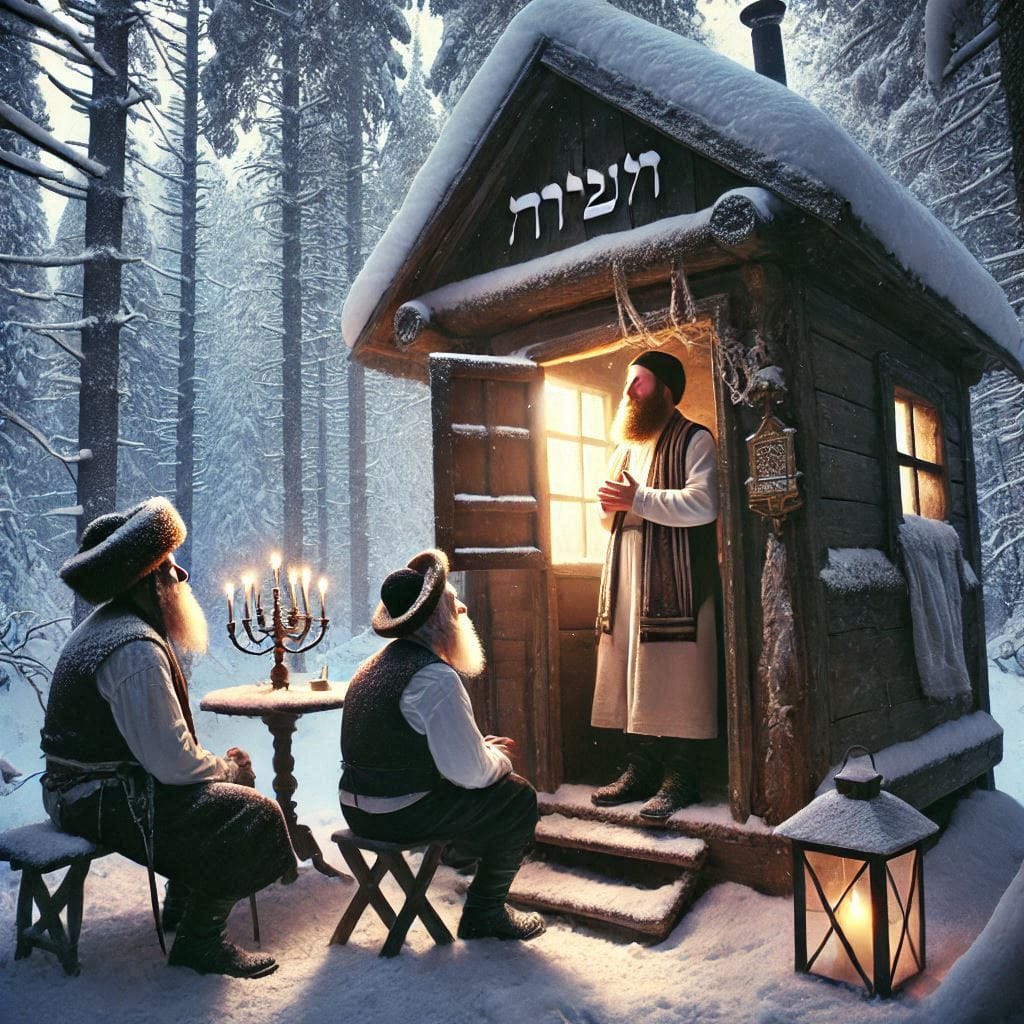
Torah, Good Neighborliness, and the Northern Jewish Tradition
At Shaarei Tzafon — The North Gate, we believe that traditional Orthodox Jewish life should not be confined to major cities, established Jewish population centers, or the boundaries of large religious institutions. Wherever Jews live, Torah and Halakhah can become part of the surrounding community through honest work, responsible citizenship, family life, and meaningful relationships with neighbors.
Here in Northeastern Michigan, including Alpena, Hillman, Rogers City, and surrounding communities, our educational work demonstrates that Jewish religious life can remain faithful to Torah while participating respectfully in the ordinary responsibilities of rural society.
The idea of being a good neighbor is central to this understanding.
Throughout Jewish history, Jewish communities have lived among people of different religions, cultures, and traditions. The Torah and the teachings of our Sages emphasize honesty, justice, kindness, respect for others, and the sanctification of HaShem's Name through personal conduct.
Our approach emphasizes Torah, Mishnah, Talmud, Rambam, the Geonim, and later halakhic authorities, while recognizing that Jewish life extends beyond the study of legal texts.
A Jewish person may observe Shabbat, maintain Kashrut, raise children in Torah, and preserve traditional customs while remaining a trustworthy friend, coworker, and neighbor to those who do not share those religious obligations.
Neither assimilation nor separation from all human relationships is necessary for maintaining Jewish religious identity.
This understanding is particularly meaningful in rural northern regions, where Jewish families may be few, distances between communities considerable, and opportunities for organized Jewish life limited.
Our response should not be to abandon Torah or to depend entirely upon distant institutions. Rather, we encourage Jewish families to strengthen their religious education, preserve their inherited traditions, establish meaningful relationships, and cultivate independent places of Torah learning wherever circumstances permit.
The wider mission of Shaarei Tzafon extends northward from the 45th parallel — our symbolic North Gate — through Michigan, Canada, and Alaska toward the Arctic.
We seek to encourage family-centered Orthodox Jewish life, small independent batei midrash and shtieblach, and the preservation of local Jewish traditions within the framework of Torah and Halakhah.
This is not a campaign to persuade Jewish families to relocate. It is an encouragement to those already living in rural communities to recognize the religious possibilities of their surroundings.
Our purpose is not to impose Judaism upon our neighbors, nor to demand that they become like us. It is to demonstrate through everyday conduct that Jewish religious faithfulness and peaceful coexistence are entirely compatible.
A Jewish family does not need to dominate its surroundings to make a difference. Its presence, integrity, and kindness can become a living example of Kiddush HaShem.
The strongest answer to misunderstanding is not always another argument. Sometimes it is a Jewish neighbor whose actions make the goodness of Torah visible.
Shaarei Tzafon — The North Gate
Orthodox Jewish Life and Torah Study in Northeastern Michigan
Shaarei Tzafon — The North Gate, led by Rabbi Ariel Manning, is an independent, family-led Orthodox Jewish educational and publishing initiative based in Northeastern Michigan. We support traditional Jewish life, Torah study, Halakhah, and Jewish education throughout Alpena, Hillman, Rogers City, and surrounding communities. Those interested in traditional Judaism are welcome to contact us for educational resources, Torah learning, and opportunities for discussion by prior arrangement.
Rooted locally, our greater mission extends northward from the 45th parallel — The North Gate — through Michigan, Canada, and Alaska toward the Arctic. We seek to encourage independent Jewish communities, family-centered Torah education, and the renewal of small batei midrash and shtieblach, preserving the rich traditions of Orthodox Judaism for future generations.
Our work begins in Northeastern Michigan, but our vision extends from the 45th parallel toward the Arctic.
Guided by Rambam and Mori Qafiḥ, uplifted by Rebbe Nachman, and grounded by Avraham ben HaRambam’s balance of halakha and inward avodah.
The Orchard’s Path
publishes our books and curricula.
Our mission: a bright, authentic Jewish presence in every northern town.
Created with ©systeme.io


