
Antisemitism Series Part 3 Religious Jews Secretly Practice Dark Rituals
B"H
One of the oldest habits of hatred is to take what a people hold sacred, make it sound secretive, and then call it evil. That is exactly what has happened for centuries with the Jews. People hear the word Kabbalah, see Hebrew books, guarded teachings, unusual customs, talk of angels, divine names, hidden meanings, and suddenly the imagination begins to run wild. “They must be practicing witchcraft.” “They must have secret dark rituals.” “They must be doing things behind closed doors that decent people would fear.” This accusation is not new. It is an old slander wearing modern clothes.
To answer it properly, we have to do two things at once. First, we have to say plainly that the accusation is false. Second, we have to be honest enough to explain why it sounds plausible to outsiders who do not know the difference between Kabbalah, folk custom, practical superstition, and forbidden sorcery. Antisemites survive by collapsing categories. They take mystical theology, popular custom, disputed practices, and even things Jewish law itself rejects, mash them together, and call the whole thing “dark ritual.” That confusion is the engine of the lie.
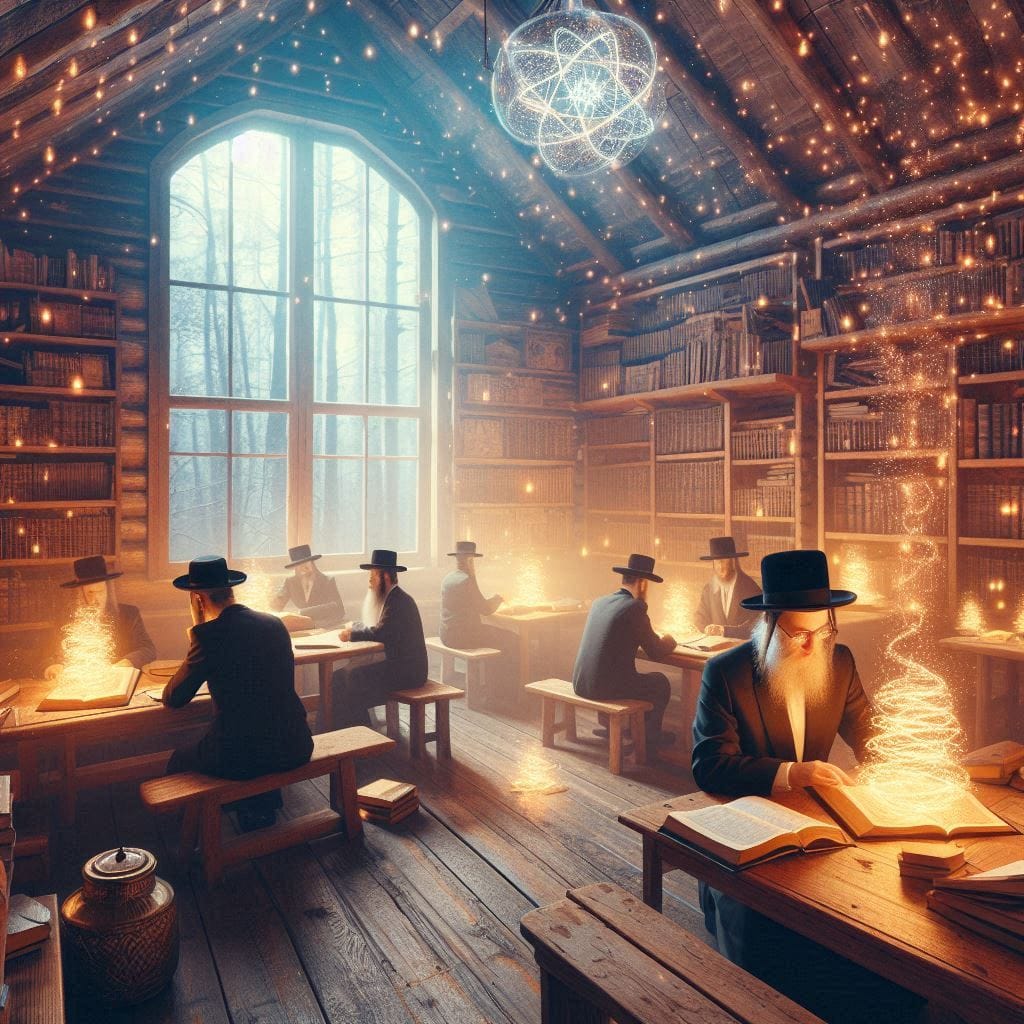
So let us begin with the most basic point: Kabbalah is not witchcraft. Kabbalah is the inward, mystical dimension of Torah. In the Jewish tradition, Torah is not understood as a flat text with only one layer. It has levels: peshat, the plain meaning; derash, interpretive and moral teaching; remez, allusion; and sod, the hidden or secret dimension. Kabbalah belongs to that inward dimension. It is not a rival religion. It is not a secret second Judaism. It is the inner life of Torah, the contemplative attempt to understand creation, the soul, divine unity, the inner meaning of mitzvot, and the relationship between the Infinite and the world. Source material lays this out clearly in its discussion of Torah’s layers and the path from peshat to sod.
That already exposes the first falsehood. Kabbalah is not “the Jewish version of the occult.” It is a Jewish theological and spiritual discipline. It developed inside the world of Torah study, prayer, and mitzvah observance. It asks questions like: How does Hashem sustain the world? What is the inner meaning of creation? What is the significance of repentance? How do mitzvot refine the soul? How can man cleave to God? These are not the questions of a witch. These are the questions of a religious civilization reflecting on revelation.
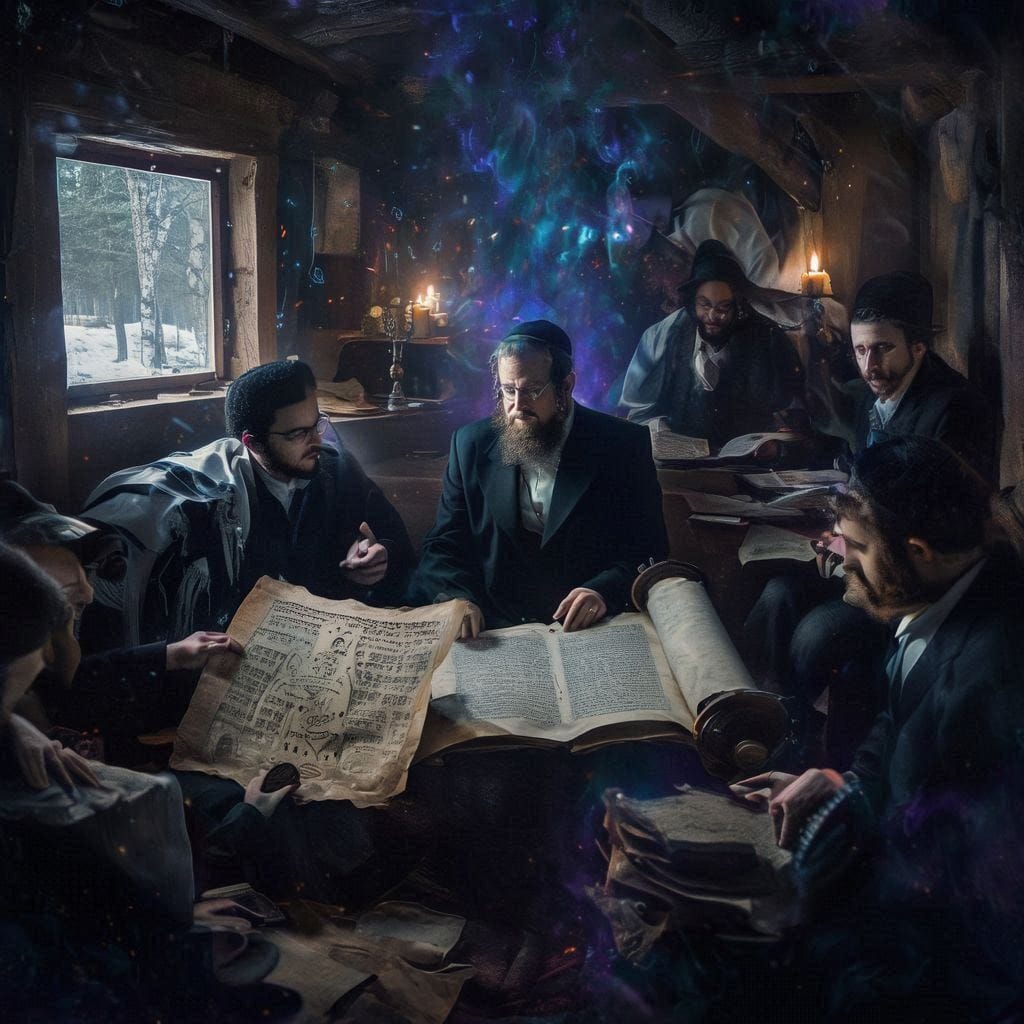
Now, because Kabbalah deals with deep matters, it was often guarded. That guardedness is one of the things outsiders misread. They hear “hidden teachings” and think, “Aha, secret darkness.” But in Jewish tradition, secrecy often means not wickedness but seriousness. The Talmud already speaks of the mysteries of creation and of the chariot, and warns that not everyone should enter these inner chambers. This points to the old discussion of Ma’aseh Bereshit, Ma’aseh Merkavah, the Pardes, and the broader Heikhalot world, where mystical matters were treated with awe and caution. The point was never, “Hide evil from the public.” The point was, “Do not put powerful and difficult teachings into careless hands.”
This is important, because the very existence of guarded teaching is not evidence of crime. Every serious civilization has things that require maturity. A child is not handed the hardest mathematics on the first day of school. A novice is not entrusted with advanced medicine before learning the basics. So too, much of Jewish tradition insisted that before entering inner mystical teaching, one must already be formed by Torah, halakhah, discipline, humility, and reverence. Secrecy here was not a cloak for evil. It was a fence around holiness.
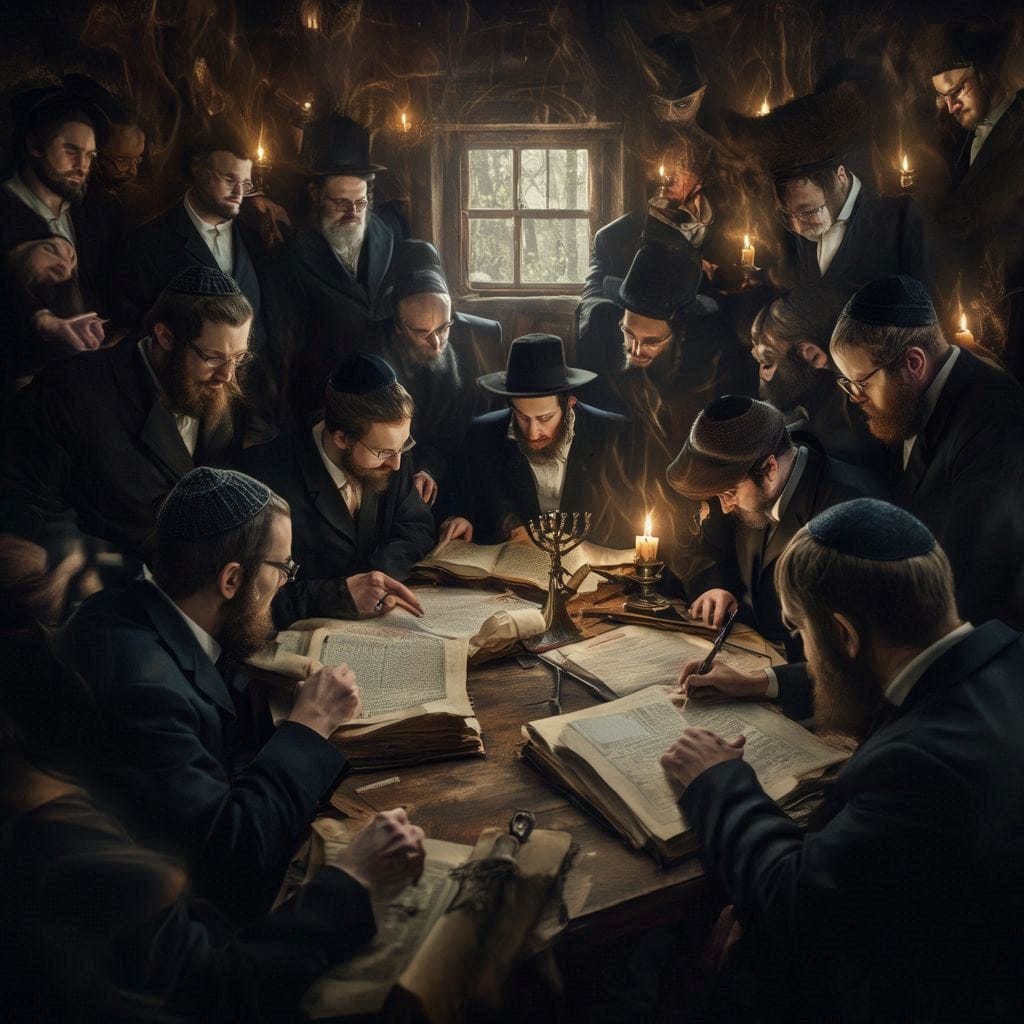
And that brings us to the next essential point: Torah and halakhah are the gatekeepers. The Torah does not celebrate sorcery. It forbids it. Judaism is not built on the pursuit of magical power but on covenantal obedience. There are strong biblical and rabbinic sources opposing magical practice, and that a person is safest simply doing mitzvot, serving God, and being wholehearted with Hashem. It even stresses that Judaism, unlike pagan systems, was not supposed to become a magical religion.
That is a devastating answer to the slander. If the Torah condemns kishuf, then how can normative religious Judaism be built around secret witchcraft? The charge collapses. Yes, Jewish literature contains discussions of demons, angels, dreams, healing, and protective practices. Yes, over the centuries Jews, like many other peoples, developed folk customs, amulets, and contested practices. But the existence of those things does not erase the fundamental fact that Judaism itself places sorcery under suspicion or prohibition. A religion that commands fidelity to God and warns against manipulative magic is not accurately described as a religion of dark ritual.
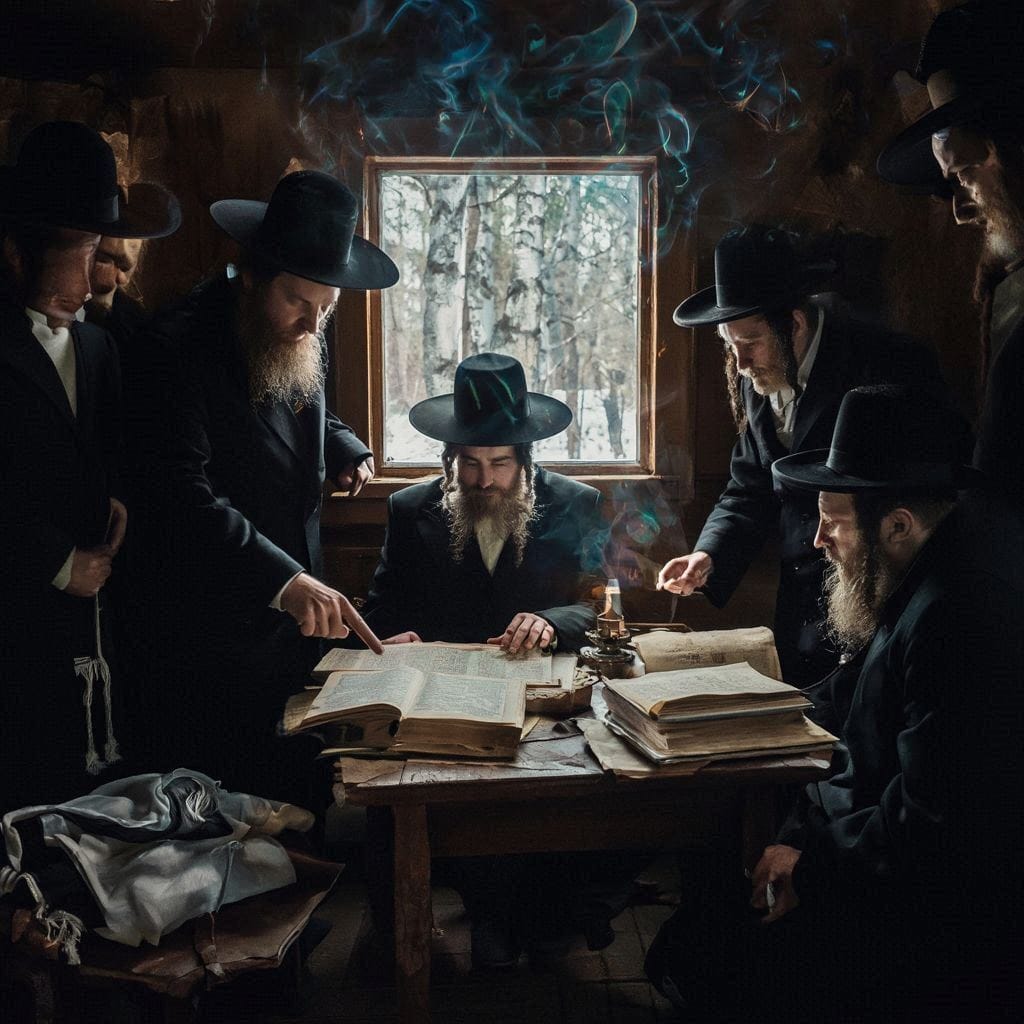
Now we must be honest, because honesty makes the argument stronger, not weaker. Jewish history does include folk practices, sigulot, amulets, and customs meant for protection, healing, childbirth, prosperity, or warding off evil. Such practices have existed in various Jewish communities, that some communities accepted certain practices while many rejected them, and that many rabbis frowned on them and majority limited them. It even says that these matters are controversial and not everybody accepts them.
That is exactly the point. Antisemites take the existence of disputed or popular practices and present them as the hidden center of Judaism. But they are not the center. The center of religious Jewish life is prayer, Torah study, Shabbat, kashrut, tzedakah, repentance, marriage, family purity, festivals, and obedience to halakhah. Even where mystical language enters, it usually enters in the service of holiness: to deepen prayer, to intensify reverence, to speak of divine unity, to contemplate the inner meaning of mitzvot, or to emphasize repentance and spiritual repair. That is not dark ritual. That is religion.
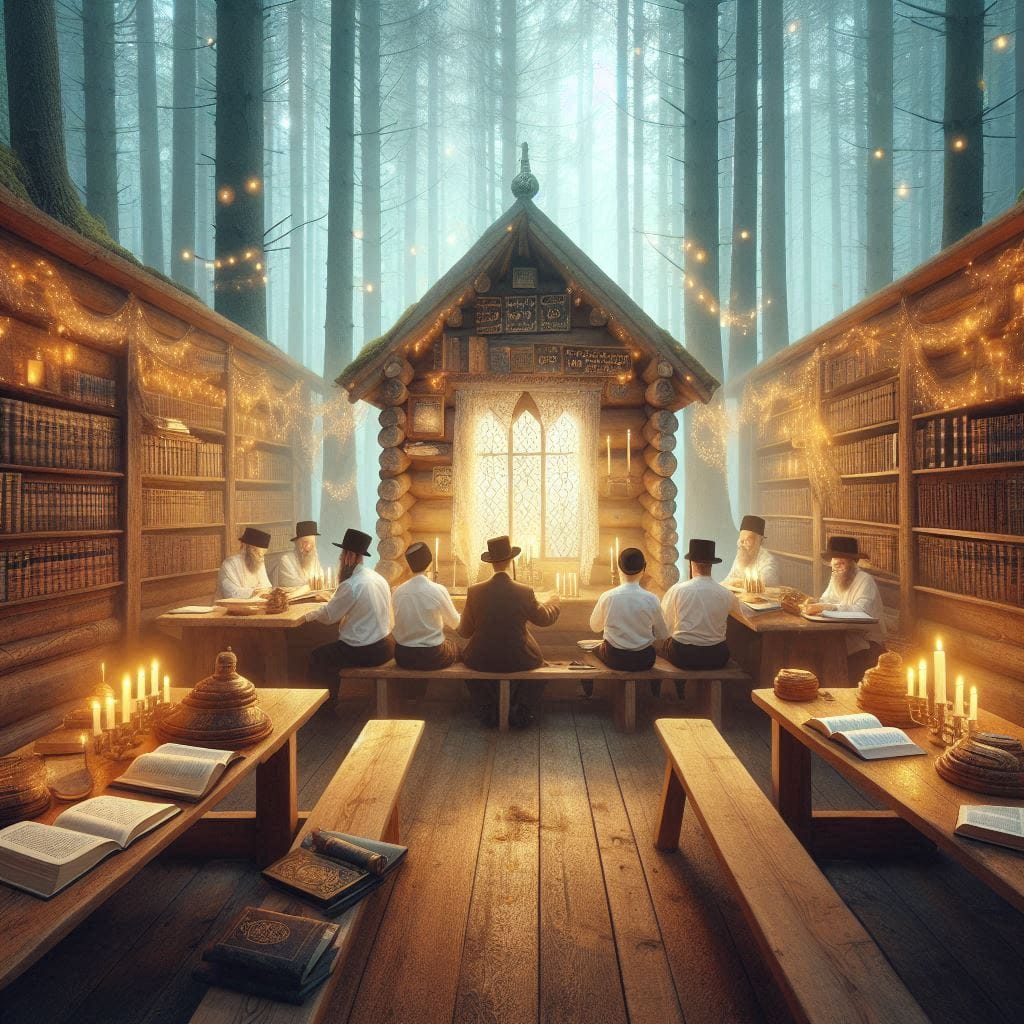
The next great confusion comes from history. Kabbalah developed over many centuries and in many forms. There were early mystical strands, medieval schools, the language of divine names, the world of the Zohar, the enormous influence of Safed and the Ari, and later Chassidic efforts to internalize Kabbalistic ideas in the life of ordinary Jews. There is a broad map of this development, from hidden early teachings to Spanish elaboration, to the Zohar and Lurianic Kabbalah, and then to later forms that shaped Jewish spirituality in different lands.
This matters because it shows Kabbalah is not one cheap trick or one dark book. It is a large and serious current of Jewish thought. It wrestles with suffering, exile, divine presence, repentance, joy, and repair. Even when it uses symbolic language that sounds strange to outsiders, that does not make it wicked. It makes it symbolic. If someone hears about sefirot, tikkun, shekhinah, or Ein Sof and thinks, “That sounds spooky,” the problem is not with the existence of symbolism. The problem is with a mind trained to equate mystery with evil.

Still, there is another layer we cannot ignore: there really were distortions from within Jewish history. The most obvious examples are the Sabbatean and Frankist disasters. The following show how false messianic movements took Kabbalistic language and twisted it. Shabbetai Tzvi and later Jacob Frank turned mystical concepts into excuses for betrayal, apostasy, and even open sin. Frank in particular pushed shocking antinomian (Aggressive Rebellion against Torah and Halakhah ) behavior, including grave sexual sins, all while dressing it in the language of fallen sparks and redemption. Jewish communities were traumatized by this. Many became wary of Kabbalah because they had seen what happened when mystical language fell into the hands of charlatans and madmen.
But notice what that proves. It does not prove that Kabbalah is evil. It proves the opposite: Jewish communities recognized the corruption as corruption. They fought over it, restricted access, became suspicious of abuses, and developed different responses in different places. Some communities de-emphasized Kabbalah. Some pushed it back into the hands of mature scholars. Some Middle Eastern communities retained it more centrally while trying to strip out blatant heresy. In other words, Judaism developed internal antibodies against distortion.
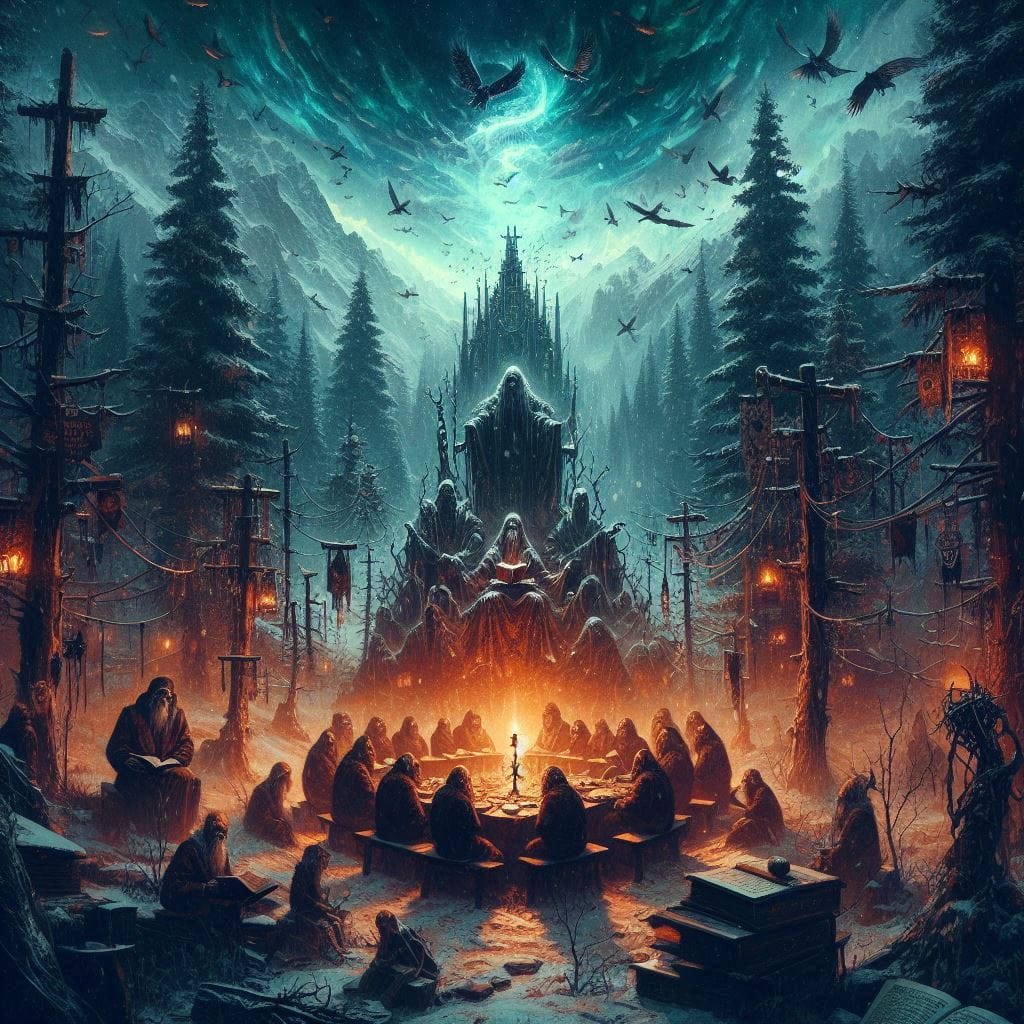
That is one of the strongest answers to the accusation of “dark rituals.” A people who debate, restrict, criticize, and police the misuse of mystical teaching are not a people secretly united in evil. They are a people trying to guard holiness from corruption.
There is yet another source of confusion: non-Jewish appropriation. Over time, Christian Cabala and Hermetic Qabalah took Jewish terms, symbols, names, and structures and repurposed them in very different systems. Later occult movements borrowed Jewish language and mixed it with alchemy, astrology, ceremonial magic, neopaganism, and all kinds of non-Jewish esotericism. Outsiders today often hear “Kabbalah” and think of the occult marketplace, secret societies, magic diagrams, or modern spiritual consumerism. But much of that is not Jewish Kabbalah at all. It is borrowed, altered, mixed, and sometimes openly opposed to the Torah framework from which Jewish Kabbalah originally came.
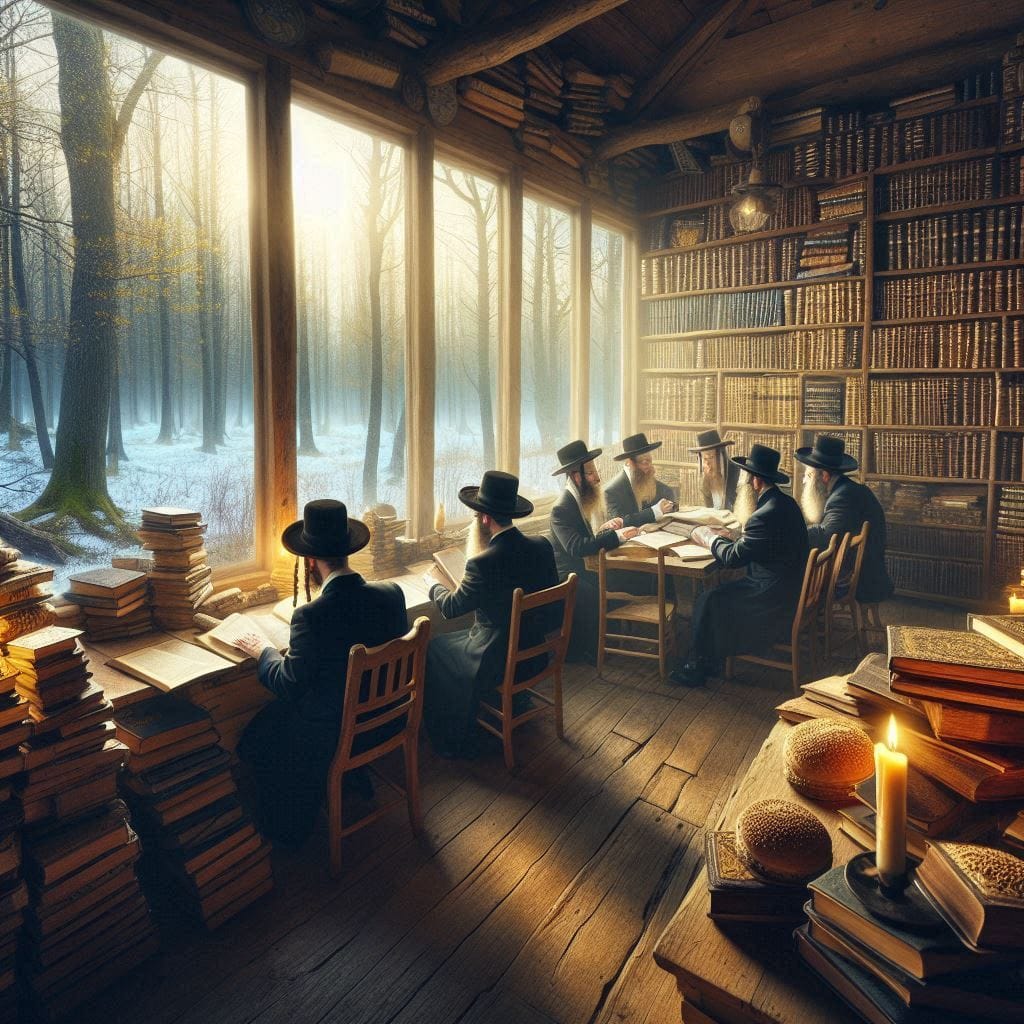
This is where the slander becomes especially lazy. People see a later occult system using Hebrew letters or speaking about “Qabalah,” and then they act as though religious Jews are secretly doing the same thing in synagogue. That is nonsense. It would be like blaming the Church Fathers for every modern cult that uses Christian vocabulary, or blaming Islam for every fringe occultist who borrows Arabic names. A tradition is not identical to every later appropriation of its language.
Now let us name the deeper antisemitic mechanism at work. Antisemitism takes Jewish difference and turns it into Jewish menace. If Jews keep to themselves, it becomes conspiracy. If Jews speak Hebrew or Aramaic, it becomes code. If Jews have guarded teachings, it becomes secrecy. If Jews have mystical books, it becomes sorcery. If Jews have folk customs, it becomes “proof” of hidden depravity. In short, the antisemitic imagination does not merely misunderstand. It feeds on mystery. It needs Jews to be uncanny, alien, and spiritually dangerous. That is why the accusation of dark ritual appears again and again.
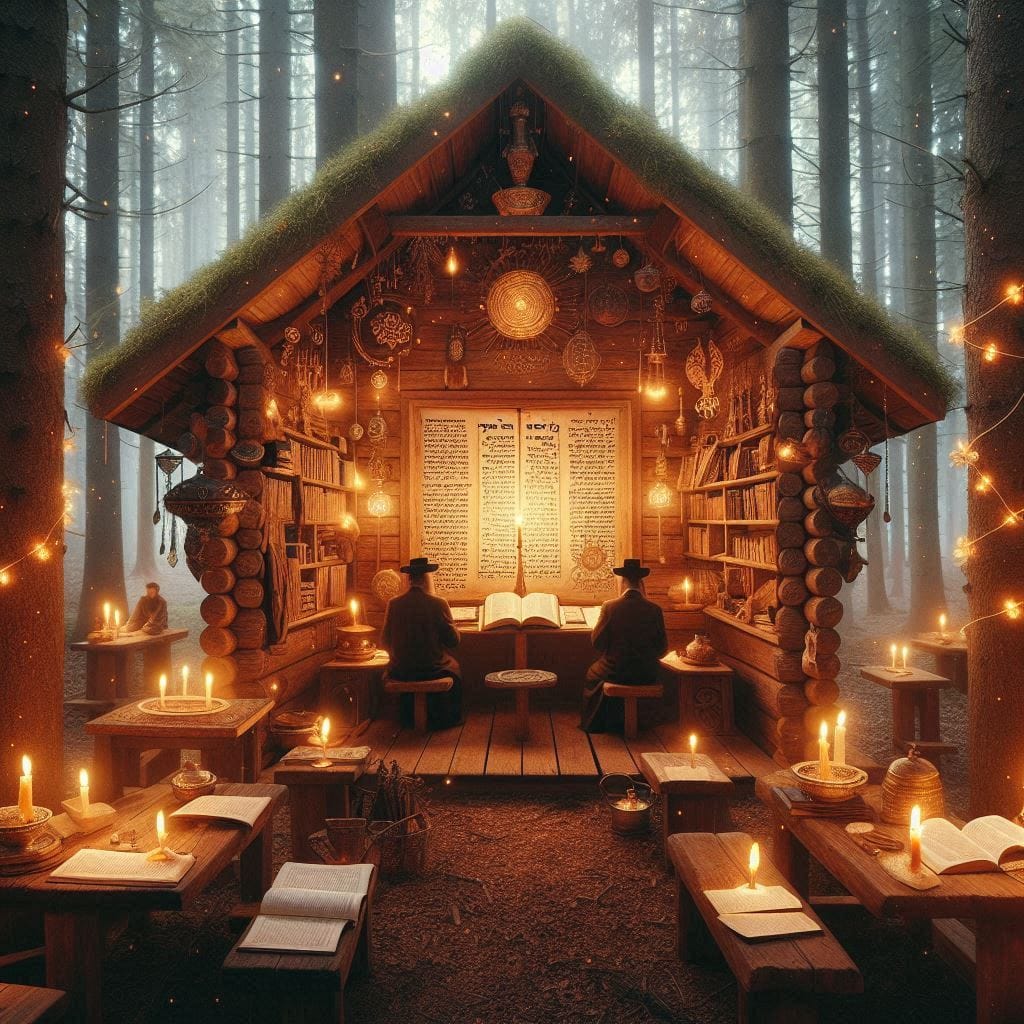
Jews were sometimes feared by non-Jews as supposed practitioners of black magic, while also being sought out as possible practitioners of “white magic” or hidden wisdom. That contradiction tells us a great deal. The issue was never straightforward evidence. The issue was projection. The Jew was imagined as dangerous when feared and useful when needed. The myth changed shape depending on what the surrounding society wanted from him.
So what, then, is the truthful answer?
The truthful answer is that religious Jews do not secretly practice dark rituals as the hidden center of Judaism. Kabbalah is not witchcraft. It is the inward life of Torah. Judaism forbids sorcery. Jewish civilization, being old and far-reaching, also developed folk customs, popular symbols, healing lore, and mystical language. Some of these practices were accepted; some were tolerated; some were debated; some were condemned. There were even episodes of corruption, heresy, and exploitation. But those episodes were recognized by Jews themselves as distortions, not as the essence of Judaism.

The actual religious Jew is usually not standing over a cauldron. He is standing with a siddur. He is learning Torah, keeping Shabbat, giving charity, struggling with repentance, raising children, saying Tehillim, studying halakhah, and trying to serve Hashem with fear and love. Even the Jew drawn to mystical language is typically trying to sanctify ordinary life, not escape into forbidden power. The rhythm of Jewish holiness is not occult domination but covenantal obedience.
That is why this slander must be answered firmly. “Religious Jews secretly practice dark rituals” is not a serious historical description. It is a fantasy constructed out of ignorance, fragments, half-truths, and fear. It mistakes depth for darkness, symbolism for sorcery, reverence for secrecy, and complexity for evil. It confuses a people’s inner theology with the fever dreams of its enemies.
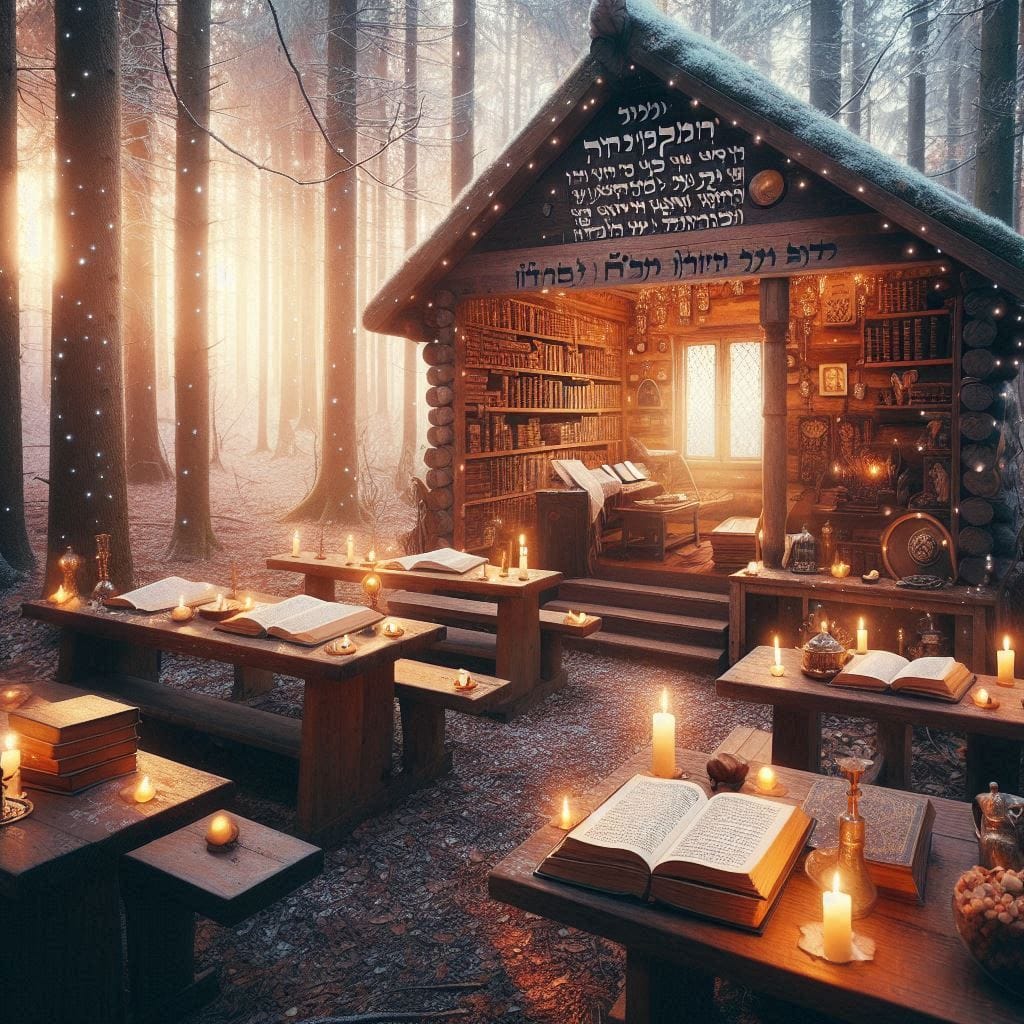
So let the answer be clear. Judaism has mystical teachings. Judaism has hidden layers. Judaism has had internal debates over popular practices and abuses. Judaism has known false mystics and holy mystics, charlatans and saints, confusion and clarity. But Kabbalah itself is not witchcraft. The Torah opposes sorcery. Religious Jewish life is ordered by halakhah, not by secret dark rites. The accusation says far more about the diseased imagination of the antisemite than it does about the Jew.
Light hidden in depth is still light. And when hatred sees mystery and calls it darkness, the task of honest people is simple: tell the truth, patiently, clearly, and without fear.
Understanding Jewish Traditions — From Alpena to the Northern World
One of the difficulties faced by Jews living in smaller or geographically isolated communities is that their neighbors may have little direct experience with traditional Jewish religious life.
When knowledge is absent, stereotypes and misconceptions can easily take its place.
At Shaarei Tzafon — The North Gate, we believe that serious Jewish education is one of the most constructive responses to religious misunderstanding and antisemitism.
Based in Northeastern Michigan, Shaarei Tzafon is an independent, family-led Orthodox Jewish educational and publishing initiative dedicated to Torah study, Halakhah, Jewish philosophy, and the preservation of traditional Jewish life.
For those seeking to understand Judaism in Alpena, Hillman, Rogers City, and surrounding communities, our educational work offers explanations of Jewish beliefs and practices rooted in the classical sources of our tradition.
This includes the distinction between binding Halakhah, Jewish mystical literature, historical folk customs, and practices that rabbinic authorities have disputed or rejected.
Judaism cannot be understood through sensational accusations about secret ceremonies. Its daily religious life is centered upon Torah study, prayer, Shabbat, the commandments, family life, charity, and responsibility toward others.
We also recognize the remarkable inheritance of Ashkenazi and Sephardi Jewish civilization, including their different intellectual, mystical, and devotional traditions.
Our responsibility begins locally, but the educational mission of Shaarei Tzafon extends farther north.
The 45th parallel is our symbolic Gate, opening toward the northern regions of Michigan, Canada, and Alaska and ultimately toward the Arctic.
In these regions, where established Jewish institutions may be separated by great distances, access to sound religious education can help families preserve their traditions and explain them accurately to others.
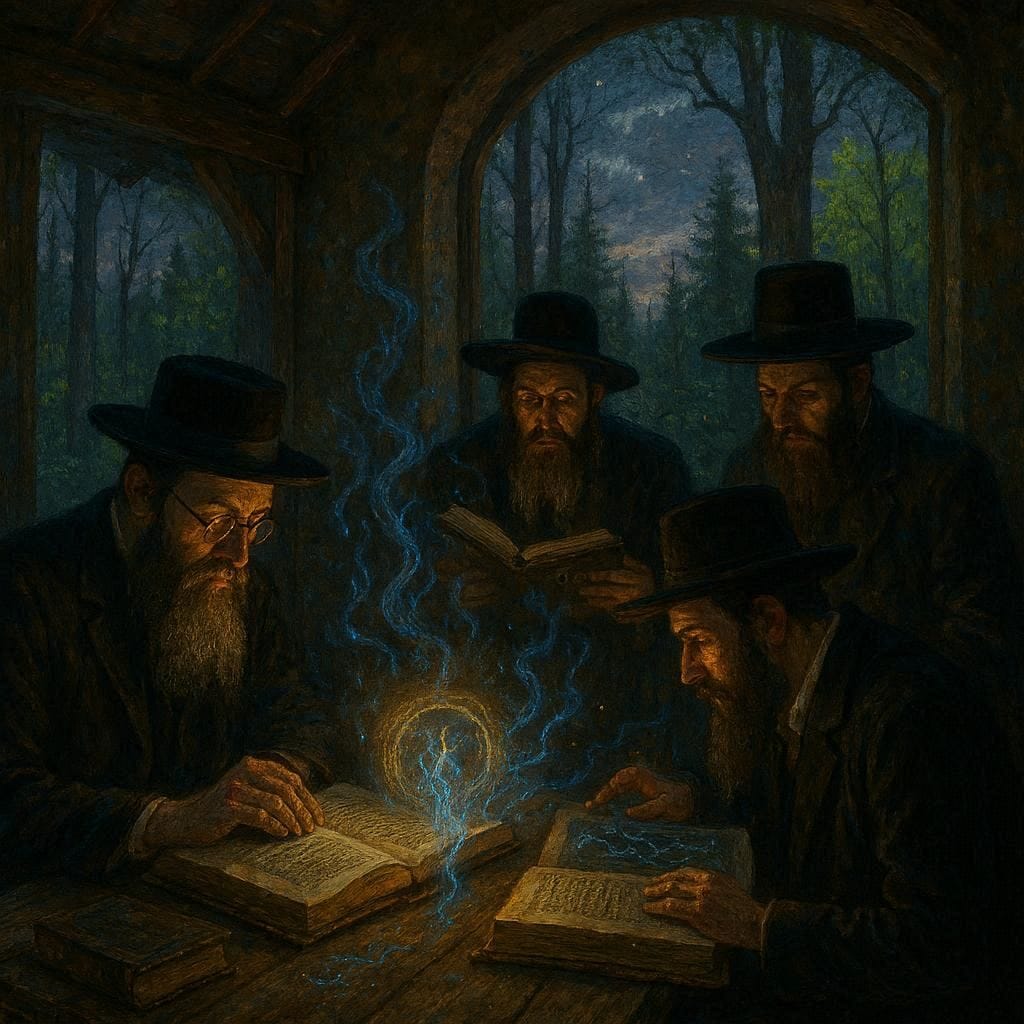
The renewal of small batei midrash, family-centered Torah learning, and traditional Jewish education can provide a foundation for this work.
We cannot eliminate every prejudice. But we can make knowledge accessible, correct falsehoods, and demonstrate through our everyday actions what traditional Jewish life actually represents.
That effort begins here in Northeastern Michigan, one lesson, one family, and one community relationship at a time.
Shaarei Tzafon — The North Gate
Orthodox Jewish Life and Torah Study in Northeastern Michigan
Shaarei Tzafon — The North Gate, led by Rabbi Ariel Manning, is an independent, family-led Orthodox Jewish educational and publishing initiative based in Northeastern Michigan. We support traditional Jewish life, Torah study, Halakhah, and Jewish education throughout Alpena, Hillman, Rogers City, and surrounding communities. Those interested in traditional Judaism are welcome to contact us for educational resources, Torah learning, and opportunities for discussion by prior arrangement.
Rooted locally, our greater mission extends northward from the 45th parallel — The North Gate — through Michigan, Canada, and Alaska toward the Arctic. We seek to encourage independent Jewish communities, family-centered Torah education, and the renewal of small batei midrash and shtieblach, preserving the rich traditions of Orthodox Judaism for future generations.
Our work begins in Northeastern Michigan, but our vision extends from the 45th parallel toward the Arctic.
Guided by Rambam and Mori Qafiḥ, uplifted by Rebbe Nachman, and grounded by Avraham ben HaRambam’s balance of halakha and inward avodah.
The Orchard’s Path
publishes our books and curricula.
Our mission: a bright, authentic Jewish presence in every northern town.
Created with ©systeme.io


