
Antisemtism Series Part 5 Jews, Liberalism, and the Corruption Narrative
B"H
Why Orthodox and Traditional Judaism Is Not the Source of Modern Moral Decline?
One of the most common accusations made in religious and right-wing circles is that “the Jews corrupted culture.” According to this narrative, Jews spread secularism, pornography, atheism, feminism, liberalism, consumerism, and the moral collapse of the modern world. Some go even further and claim that Jews are behind immigration ideology, LGBT politics, media decadence, and the destruction of Christian civilization itself.
This charge persists because it mixes one partial truth with a much larger falsehood. The partial truth is that there are indeed some Jews, and some Jewish-origin intellectuals, activists, entertainers, and financiers, who have played visible roles in modern secular and liberal culture. That much no honest person needs to deny. But the larger falsehood is the leap from that observation to the claim that Judaism itself is the cause of these developments, or that the Jews as a people are naturally aligned with cultural corruption.
That leap is false, lazy, and deeply misleading.
To answer it properly, we must make distinctions that many people refuse to make. We must distinguish between Judaism and Jews, between Torah and ethnicity, between Orthodox Judaism and liberal Jewish movements, and even between right-wing and left-wing tendencies within Orthodoxy itself. Once those distinctions are made, the corruption narrative begins to fall apart.

Judaism Is Not Defined by Whatever Any Jew Does
The first principle is simple: Judaism is not defined by the behavior of every Jew.
A Jew can be observant or non-observant, righteous or wicked, pious or assimilated, faithful or rebellious. A Jew can be politically conservative, progressive, nationalist, libertarian, socialist, secular, or even atheistic. None of that, by itself, tells you what Judaism is.
Judaism, in its historic and authoritative form, is not a vague ethnic feeling or a cultural style. It is a covenantal religion rooted in Torah, mitzvot, halakhah, holiness, prayer, family life, and obedience to God. It is a structured way of life under divine command.
This means that if a secular Jew promotes pornography, that does not prove Judaism promotes pornography. If a Jewish intellectual promotes atheism, that does not prove Judaism teaches atheism. If a Jewish activist promotes radical sexual politics, that does not prove Torah supports those politics. If a Jewish filmmaker mocks tradition, that does not mean halakhic Judaism stands with him.
This should be obvious, yet it is ignored constantly. Critics of Judaism often judge Judaism not by Torah, halakhah, or the lives of observant Jews, but by selecting examples of Jews who are alienated from Torah and then pretending those examples define the whole tradition.
That is intellectually dishonest.

Many on the Christian Right and Broader Right Mistake Jews for a Liberal Bloc
In the Christian religious world, and in much of the broader right-wing world, there is a widespread assumption that Jews are liberal by nature. The stereotype is powerful: Jew equals liberalism. Jew equals Hollywood. Jew equals media. Jew equals permissiveness. Jew equals feminism, secularism, and left-wing activism.
But this stereotype confuses a visible slice of Jewish participation in modernity with Judaism as a whole.
Yes, there are liberal Jews. Yes, there are progressive Jewish institutions. Yes, there are Jewish voices in academia, media, law, and politics who have embraced secular liberal ideology. That is true. But to move from that to “Judaism is liberal” is false.
In reality, religious Judaism, especially Torah-centered and Orthodox Judaism, often has far more in common socially with the Christian right than with the Jewish liberal left.
That statement needs to be made clearly.
This does not mean Judaism and Christianity are the same religion. They are not. It does not erase real theological differences, nor does it collapse covenantal distinctions. But on many social and moral questions, traditional Jews stand much closer to conservative Christians than to secular or liberal Jews.
On issues such as modesty, sexual restraint, family structure, the authority of Scripture, the importance of religious life, skepticism toward moral relativism, concern over cultural decay, and resistance to permissive modernity, traditional Judaism often shares more instinctive ground with the Christian right than with progressive Jewish movements.
That is one of the great ironies of this entire discussion. Many people on the Christian right attack Judaism as though it were the engine of liberalism, when in reality Torah Judaism is often morally and socially closer to them than to the Jewish activist left they are reacting against.
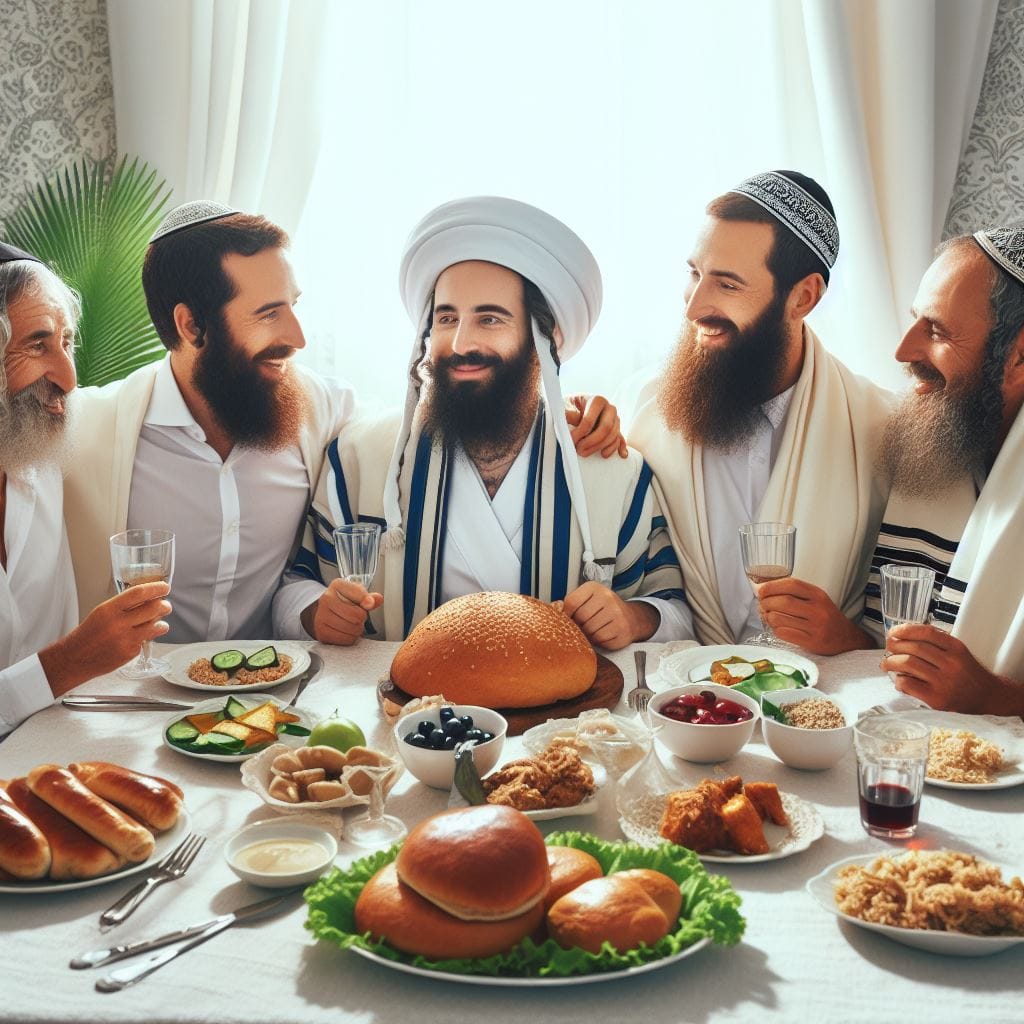
The Orthodox World Is Not Politically Uniform
We should still be honest and admit that Orthodoxy itself is not politically uniform.
There are left-leaning or liberalizing factions within Orthodoxy. In contemporary language, many people point to Open Orthodoxy and related tendencies as examples of movements within Orthodoxy that move in a progressive direction. These groups often show greater openness to feminist reinterpretation, greater accommodation to modern Western moral assumptions, and more willingness to soften inherited boundaries.
There are also rabbis and institutions that, while technically within an Orthodox orbit, lean more toward a liberal posture in public life, politics, or moral framing. That reality should not be denied.
But that is only one part of the Orthodox world.
There are also right-wing strands of Modern Orthodoxy, as well as more traditional Sephardic, Yemenite, Lithuanian, and Hasidic communities, that are strongly conservative in instinct and structure. These communities are often marked by serious commitment to divine law, modesty, hierarchy, discipline, gender distinction, family order, and resistance to the moral language of the progressive age.
So when someone says, “The Jews are liberal,” the answer must be:
Which Jews?
Which rabbis?
Which movements?
Which standard of Judaism?
If the standard is Torah and halakhah, then a great deal of what modern liberal culture celebrates is directly opposed by Judaism.

Liberal Jewish Movements Do Not Define Judaism
This leads to another distinction that must be made plainly: the difference between Judaism and Jewish religious movements that no longer treat Torah and halakhah as binding.
There are movements in the Jewish world that are Jewish in ethnicity, heritage, and communal memory, but not fully Jewish in the classical halakhic sense of authoritative covenantal religion. Reform Judaism is the clearest example. Large parts of Conservative Judaism also fall into this category, though historically it preserved more attachment to law.
These movements may preserve Jewish symbols, Jewish liturgy, Jewish identity, and Jewish ancestry. Their members may absolutely be Jews. But if the question is what defines Judaism as a religion, the answer remains: Torah and halakhah must be authoritative.
A movement that does not accept halakhah as binding has departed in a serious way from historic Judaism. It may be a Jewish movement. It may be Jewish-style worship. It may be Jewish civilization. But it is not the same thing as Torah Judaism.
That distinction matters because when critics accuse “the Jews” of spreading liberalism, they often point not to halakhic Judaism, but to Jews or Jewish-identifying institutions that long ago loosened or rejected the binding force of Torah. In other words, they blame Judaism for what happened after many Jews partially assimilated away from Judaism.
That is not careful analysis. It is category confusion.
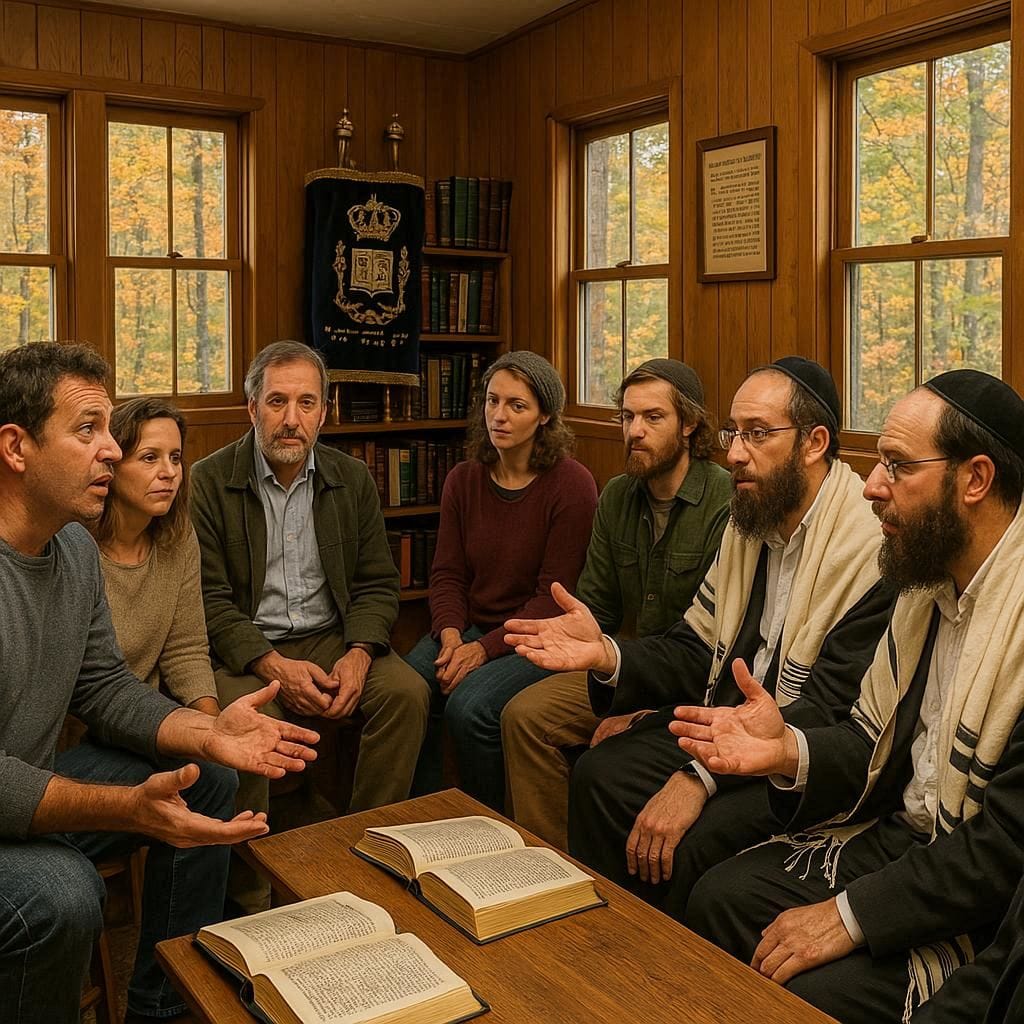
Socially, Torah (Orthodox and Traditional) Judaism Often Stands Opposite the Jewish Liberal Left
This point deserves its own emphasis.
If one compares Torah Judaism to the Jewish liberal establishment, traditional Judaism is often much closer socially to the Christian right than to the Jewish left.
The Jewish liberal left tends to celebrate autonomy, modern sexual ethics, progressive political causes, the moral vocabulary of liberation, and the reinterpretation of inherited norms. Torah Judaism, by contrast, emphasizes commandedness, discipline, modesty, reverence, family structure, and submission to divine law rather than to the spirit of the age.
So while secular Jewish activists may stand at the front of progressive causes, the Orthodox Jew in a traditional community may look far more like a conservative religious neighbor than like a liberal Jewish activist. The Orthodox Jew is building around Shabbat, family purity, modest dress, authority of sacred text, limits on desire, and continuity of tradition. Those social instincts are not liberal. They are conservative, often deeply so.
That is why the popular stereotype is so flawed. It mistakes the loudest assimilated Jewish voices for the heart of Judaism. But the heart of Judaism is not rebellion against commandment. The heart of Judaism is commandment.
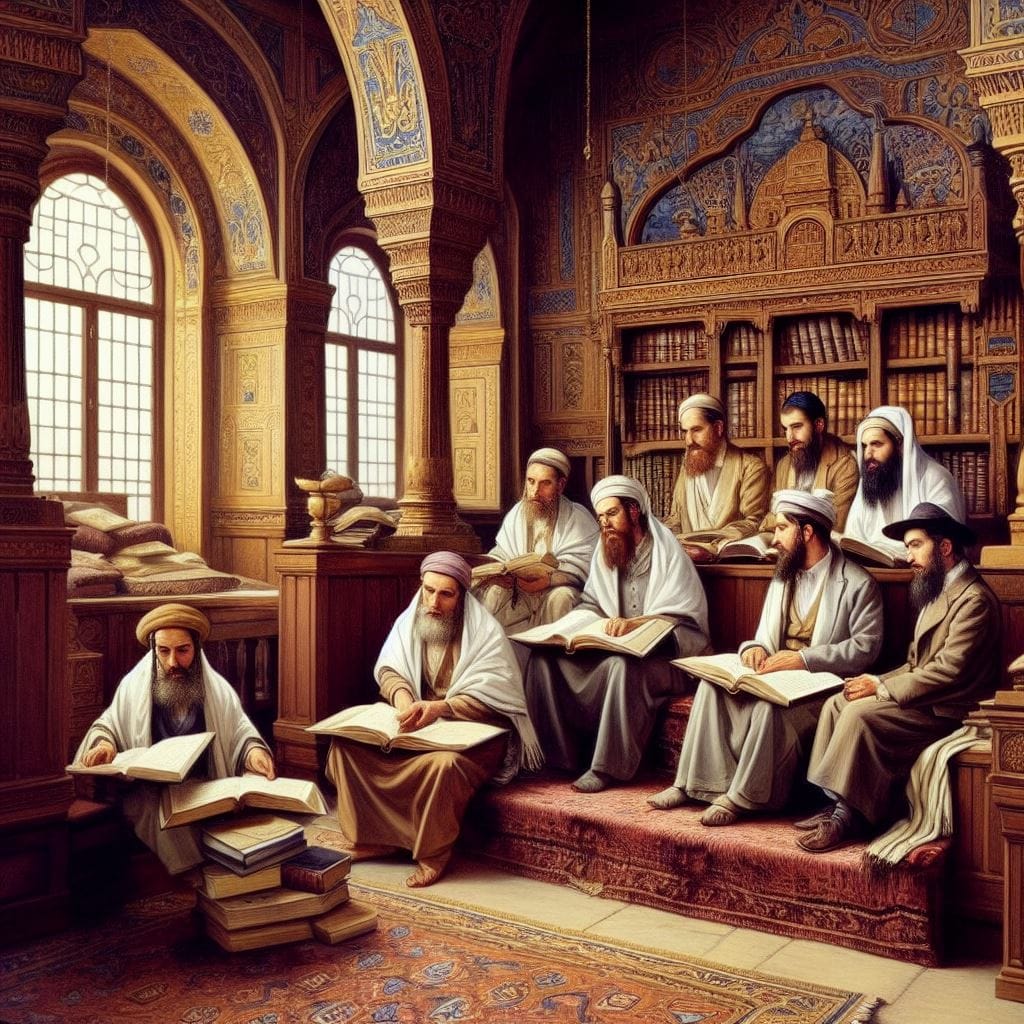
Sephardic and Yemenite Traditionalism
This also helps explain why some parts of the Sephardic and especially Yemenite Orthodox world are often perceived as more strongly traditional or right-wing in social outlook.
This is not because every Sephardic community is right-wing or left-wing. That would be too simplistic. But there are real differences in style and posture among Jewish communities. Some circles are more accommodationist toward modern Western assumptions, while others retain a more text-centered, inherited, socially conservative framework.
In many traditional Yemenite and conservative Sephardic circles, there is a stronger instinct toward halakhic clarity, communal discipline, modesty, and suspicion toward religious innovation. That can place them, in practical social outlook, much closer to the moral instincts of religious conservatives than to those of liberal Jewish institutions.
Again, this is not a blanket rule. It is a pattern. But it is an important pattern because it breaks the false idea that Judaism moves naturally in one liberal direction.
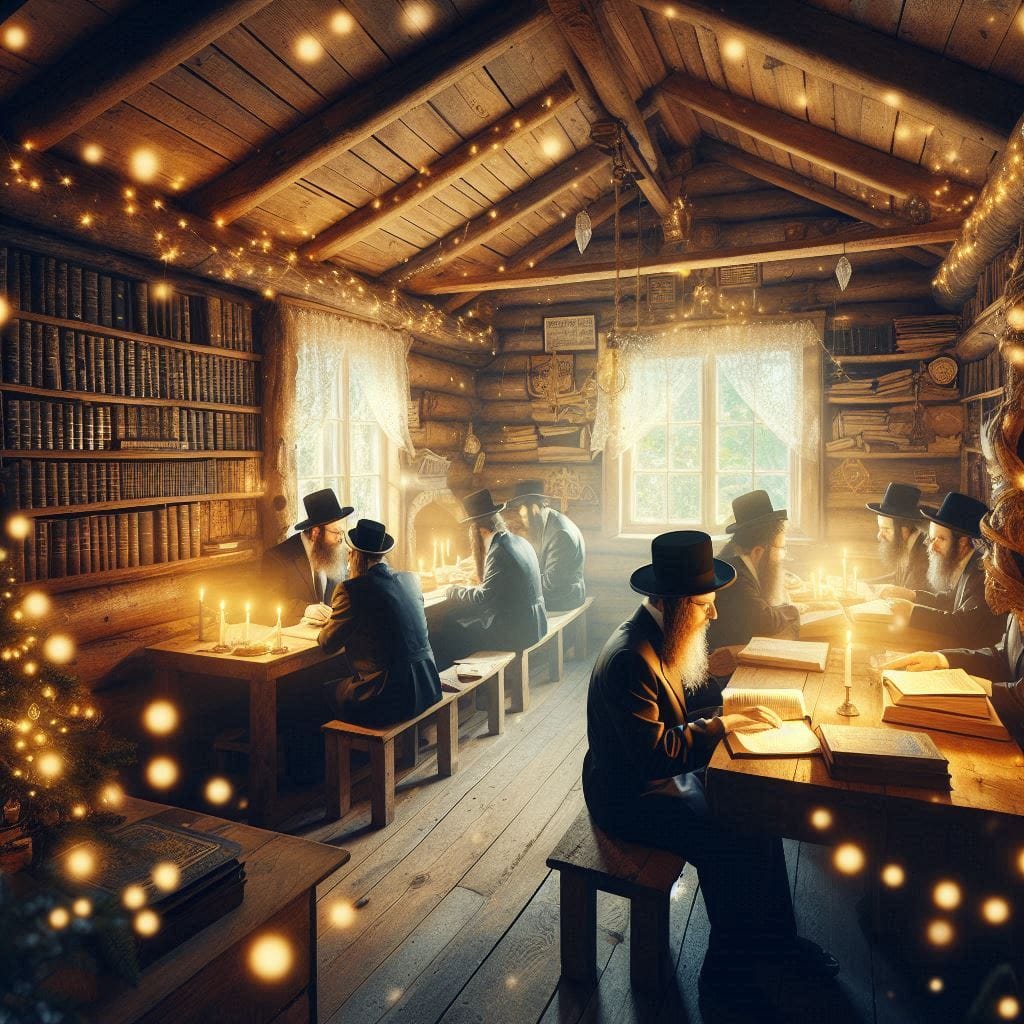
Torah Judaism Does Not Celebrate Pornography, Atheism, or Sexual Libertinism
Let us be direct.
Orthodox and Traditional Judaism does not celebrate pornography. It does not bless atheism. It does not promote sexual anarchy. It does not rejoice in the destruction of modesty. It does not seek liberation from divine law. It does not define freedom as freedom from holiness.
The opposite is true.
Orthodox and Traditional Judaism is built on restraint, holiness, covenant, modesty, sacred speech, sacred time, sacred food, sacred sexuality, and responsibility before God. It teaches that desires must be governed, not enthroned. It teaches that family life is holy. It teaches that sexual conduct matters. It teaches that obedience is higher than impulse.
So when someone says, “Jews gave us pornography” or “Jews gave us the collapse of Christian morality,” the answer is that some Jews may have participated in those industries or ideologies, but Judaism itself stands against them.
A boast from an assimilated or secular Jew about helping to destroy traditional morality does not tell us what Judaism is. It tells us what happens when Jews rebel against Judaism.
Modern Moral Decline Has Broader Historical Causes
There is another major flaw in the accusation: it imagines one people as the master cause of the modern world.
But modern moral decline did not come from one ethnic source. It came from vast, complicated civilizational forces: the Enlightenment, industrialization, urbanization, the weakening of church authority, scientific naturalism, market capitalism, revolution, mass media, consumer culture, and technological change. Christians, ex-Christians, atheists, secular elites, artists, industrialists, and revolutionaries of many backgrounds all played central roles in shaping the modern moral landscape.
Jews participated in modernity, yes. But so did everyone else.
To isolate Jews as the secret engine behind all of it is not serious history. It is mythmaking. And it becomes even less credible when antisemites blame Jews for opposite things at the same time: capitalism and communism, nationalism and globalism, sexual looseness and sexual control, religious fanaticism and atheism. This is not coherent analysis. It is a symbolic system in which “the Jew” becomes the explanation for whatever the speaker hates.

Wicked Jews Exist, but They Do Not Define Judaism
No honest person needs to deny that some Jews have done real harm. There have been wicked Jews, assimilated Jews, exploitative Jews, anti-religious Jews, and Jews who used their talents in destructive ways. That is true, just as it is true of every people.
But the existence of bad Jews does not define Judaism.
That is the key distinction. We must be able to say both:
Some individual Jews have indeed contributed to destructive trends.
Judaism as Torah and halakhah is not the cause of those trends and often stands against them.
Without that distinction, truth gives way to propaganda.
Conclusion
So let us say it clearly.
Yes, there are liberal Jews. Yes, there are left-wing Jewish movements. Yes, there are progressive tendencies within some parts of Orthodoxy.
Yes, some Jews have helped shape secular modern culture in harmful ways.
But no, that does not mean Judaism is liberal.
No, that does not mean Torah created modern decadence.
No, that does not mean the Jews as a people are responsible for moral decline.
Judaism in its classical and authoritative form is Torah and halakhah. And Torah and halakhah do not teach pornography, atheism, moral relativism, or the destruction of the family. They teach holiness, discipline, modesty, reverence, restraint, and obedience to God.
And here is the irony that many on the right fail to see: religious Judaism often has more in common socially with the Christian right than with the Jewish liberal left. The very people who accuse Judaism of corrupting the West are often closer in moral instinct to Torah Jews than to the secular Jewish elites they are reacting against.
The real line is not between Jew and non-Jew. The real line is between Torah faithfulness and assimilation into modernity.
Once that line is seen, the myth begins to collapse.
Judaism is not the religion of decadence. Judaism is the religion of commandment.
And when people blame Judaism for everything they hate about the modern world, they are not explaining history. They are looking for a scapegoat.
Understanding Judaism in Northeastern Michigan and Beyond
One of the most effective responses to antisemitism is education. Misconceptions about Judaism frequently arise when people encounter Jewish religion, history, or culture through political commentary, social media, or secondhand accusations rather than through serious study.
Here in Northeastern Michigan, Shaarei Tzafon — The North Gate seeks to contribute to a more informed understanding of Judaism through Torah study, Halakhah, Jewish history, and traditional religious education.
As an independent, family-led Orthodox Jewish educational and publishing initiative based in the Alpena region, we believe that people searching for Judaism in Alpena, Orthodox Judaism in Alpena, or Torah study in Northeastern Michigan should have access to clear explanations of what Judaism actually teaches.
This includes understanding the differences between Jewish religious beliefs, individual political opinions, historical Jewish communities, and the broad diversity of Jewish experiences.
We do not believe that the actions or political positions of individual Jews should be used to condemn an entire people. Nor should criticism of a particular political ideology become an excuse for hostility toward Jewish religion or identity.
Our educational work is grounded in Torah and Halakhah, while recognizing the extraordinary intellectual and cultural inheritance of Ashkenazi, Sephardi, Yemenite, and other Jewish traditions.
Our immediate responsibility begins in Alpena, Hillman, Rogers City, and the surrounding communities of Northern Michigan.
Yet the mission of Shaarei Tzafon extends beyond our local region.
The 45th parallel represents the Gate, opening toward the northern reaches of Michigan, Canada, and Alaska, and ultimately toward the Arctic.
Throughout these regions, Jewish families and individuals may find themselves living far from established centers of Jewish learning. The preservation of traditional Judaism and the ability to answer misconceptions with knowledge are therefore especially important.
We believe that the renewal of family-centered Torah education, small batei midrash, and independent Jewish learning can help strengthen Jewish identity while encouraging more informed relationships with the surrounding society.
Antisemitism thrives when stereotypes replace knowledge. Education allows us to examine accusations, understand historical realities, and distinguish legitimate disagreement from collective prejudice.
Our responsibility is not merely to reject falsehood, but to cultivate the knowledge necessary to recognize it.

Shaarei Tzafon — The North Gate
Orthodox Jewish Life and Torah Study in Northeastern Michigan
Shaarei Tzafon — The North Gate, led by Rabbi Ariel Manning, is an independent, family-led Orthodox Jewish educational and publishing initiative based in Northeastern Michigan. We support traditional Jewish life, Torah study, Halakhah, and Jewish education throughout Alpena, Hillman, Rogers City, and surrounding communities. Those interested in traditional Judaism are welcome to contact us for educational resources, Torah learning, and opportunities for discussion by prior arrangement.
Rooted locally, our greater mission extends northward from the 45th parallel — The North Gate — through Michigan, Canada, and Alaska toward the Arctic. We seek to encourage independent Jewish communities, family-centered Torah education, and the renewal of small batei midrash and shtieblach, preserving the rich traditions of Orthodox Judaism for future generations.
Our work begins in Northeastern Michigan, but our vision extends from the 45th parallel toward the Arctic.
Guided by Rambam and Mori Qafiḥ, uplifted by Rebbe Nachman, and grounded by Avraham ben HaRambam’s balance of halakha and inward avodah.
The Orchard’s Path
publishes our books and curricula.
Our mission: a bright, authentic Jewish presence in every northern town.
Created with ©systeme.io


