
Fasting
B”H
Fasting Is Not the Goal — Teshuvah Is the Goal
Through prayer and fasting, a Jew does not merely “skip food.” A fast day is not a diet, not a display of toughness, and not an empty religious exercise. A fast day is a time when the body itself becomes part of our cry before HaShem.
In the days of the Beit HaMikdash, Israel brought korbanot. The blood and fat of bulls, goats, sheep, and other offerings were placed upon the altar according to the Torah. The korban was not magic, and it was not a pagan feeding of a deity. HaShem does not need animals. The offering was a commanded path of drawing near, purification, repentance, gratitude, and atonement.
Today, without the Temple service, we do not invent a new religion. We do not replace the Torah. We do not pretend that exile is ideal. Rather, we stand in exile with the tools our Sages gave us: prayer, fasting, repentance, charity, confession, tears, learning, humility, and changed action.
The central point is this: fasting is not the goal. Teshuvah is the goal.
A person who fasts but spends the day idle has missed the point. A person who fasts but remains cruel has missed the point. A person who fasts but continues in arrogance has missed the point. A person who fasts but does not examine his deeds has missed the point.
The fast is meant to awaken the heart. It interrupts habit. It brings a person before HaShem with honesty. It says: I cannot continue exactly as I was.
The prophet Yonah teaches this through the repentance of Ninveh. The people fasted, wore sackcloth, and cried out, but the verse says that HaShem saw their actions. Chazal point out that the true force of their repentance was not the external deprivation alone, but the change of conduct that came with it.
A fast without teshuvah is only hunger. A fast with teshuvah becomes avodah.
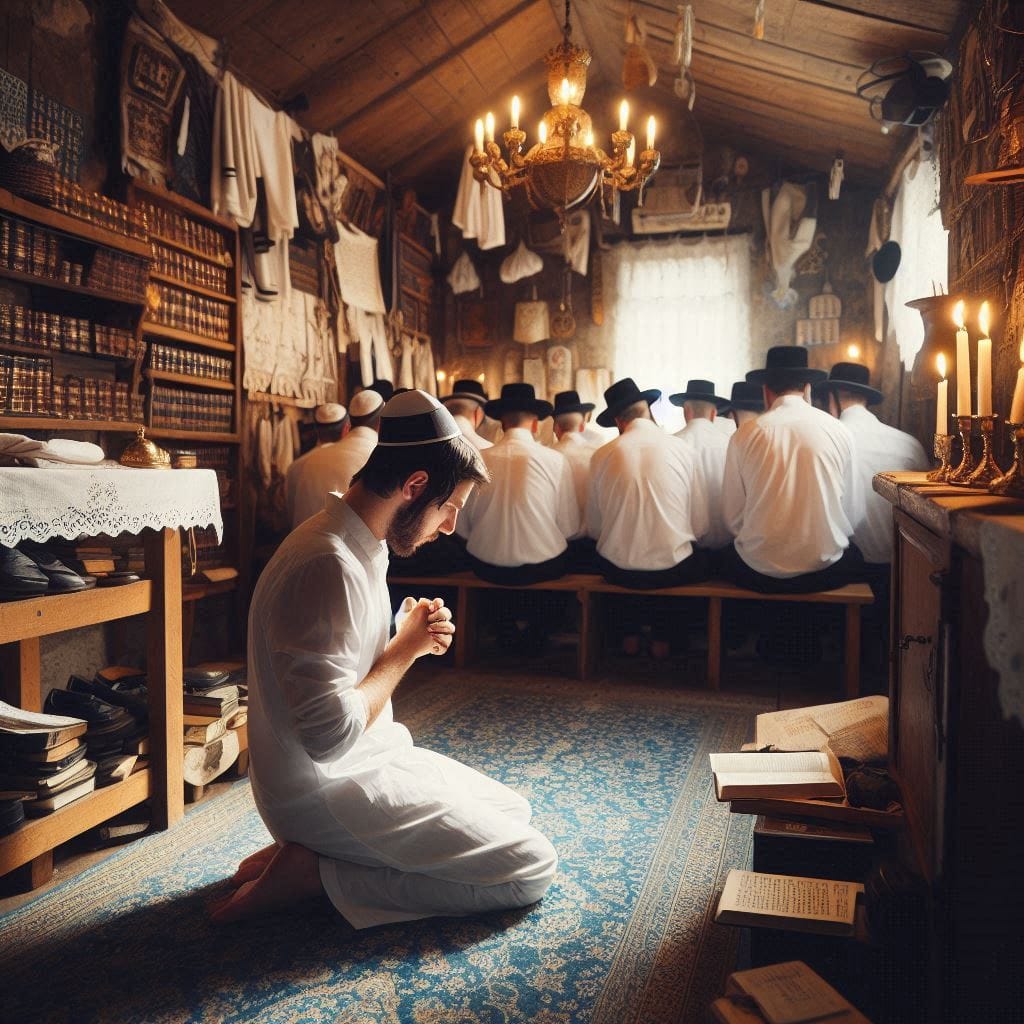
The Body Is Not Evil — The Body Must Be Trained
Shaarei Tzafon does not teach hatred of the body. Torah does not teach that the physical world is evil. The body is a vessel created by HaShem. The home, the table, food, clothing, marriage, children, land, work, speech, and community can all become holy when governed by Torah.
A Jew does not become holy by pretending not to be human. A Jew becomes holy by bringing human life under the kingship of HaShem.
That is why we clean the house for Shabbat. That is why we prepare good food. That is why we wear honorable clothing. That is why we make blessings before and after eating. That is why a Jewish table can become like an altar. That is why even ordinary rural life — wood, soil, animals, tools, meals, weather, and family labor — can be brought into Torah.
Torah does not erase the physical. Torah sanctifies the physical.
But the same Torah that tells us to eat on Shabbat also tells us to fast on Yom Kippur. The same tradition that honors festive meals also commands days of mourning. The same life that sanctifies wine also knows when to abstain from wine. The same Judaism that blesses the body also knows that the body must be disciplined.
Judaism does not reject the physical world. Judaism refuses to worship it.
It is too simple to say that Judaism rejects asceticism entirely. Judaism rejects empty pain, religious pride, self-destruction, and suffering for its own sake. But Chazal, the Tannaim, the Amoraim, many Sephardic masters, and many Chasidic luminaries recognized that fasting, silence, separation, restraint, and personal discipline can have a holy purpose when directed toward HaShem.
The question is not whether a person suffers. The question is what the suffering does.
If fasting makes a person proud, harsh, unstable, theatrical, or judgmental, it has failed. If fasting humbles a person, softens him, awakens prayer, strengthens compassion, breaks sinful habits, and brings changed action, then the fast has done its work.
The body is not the enemy. But the body cannot be allowed to become king.
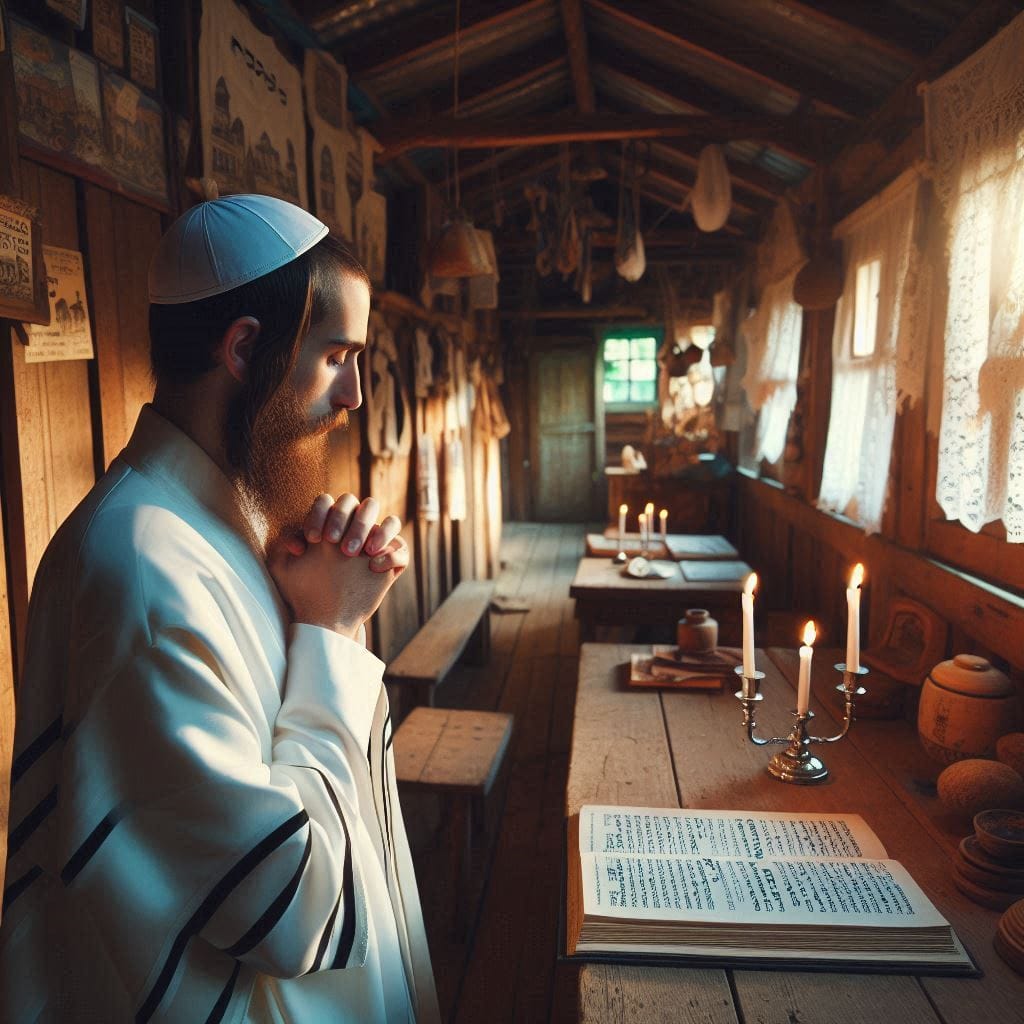
Hunger as a Spiritual Teacher
Hunger is a powerful teacher.
Hunger means lack. It means emptiness. It means need. A person can be hungry for food, but he can also be hungry for honor, money, control, attention, pleasure, success, comfort, distraction, escape, or power.
When we fast, hunger becomes a mirror.
It asks: What are you really craving? What rules you? What has become too strong? What have you been feeding that should have been starved?
Many sins survive because we keep feeding them. We feed anger by reviewing insults. We feed lust by giving it images. We feed pride by demanding recognition. We feed despair by repeating hopeless thoughts. We feed laziness by obeying comfort. We feed resentment by refusing forgiveness. We feed confusion by avoiding Torah clarity.
Fasting interrupts that cycle. It tells the body: you are not the whole person. It tells desire: you are not king. It tells habit: you are not master. It tells the soul: wake up.
This is why fasting can break certain attachments that cling to the nefesh. Hunger exposes weakness and dependency. It shows a person how quickly comfort controls him. But if used properly, that exposure is not meant to crush him. It is meant to free him.
A person who cannot say no to his stomach will struggle to say no to stronger desires. A person who can accept holy hunger for HaShem learns that not every craving must be obeyed.
This is why fasting has always had a place among serious Jews. Not as a replacement for halacha. Not as a private religion. Not as spiritual extremism. But as a tool, joined to prayer, confession, charity, humility, and repentance.

Halacha Gives the Soul a Body
Spiritual feelings are often subtle. A person may not feel distant from HaShem. He may not feel the loss of the Temple. He may not feel the seriousness of sin. He may know ideas in his mind while his heart remains asleep.
Halacha gives spiritual reality a body.
It tells us when to eat and when not to eat. When to work and when not to work. When to rejoice and when to mourn. When to wash and when to refrain. When to say Hallel and when to sit with Eicha. When to bless over wine and when to enter the fast in silence.
This is one of the mercies of Torah. Torah does not leave holiness as a vague feeling. It gives holiness form.
On a fast day, halacha teaches the body how to mourn and repent. It gives the person a path: do not eat, do not drink, pray, give tzedakah, say Aneinu, recite Selichot where customary, read the Torah portion of the day, examine your deeds, speak less, return more.
The action begins to educate the heart.
This is especially important because a person may feel distant from the meaning of the fast. He may know that Jerusalem was destroyed, that Gedaliah was murdered, that the walls were breached, that the siege began, or that Esther fasted, but knowledge alone does not always pierce the heart.
Fasting introduces vulnerability. The body becomes weaker. The heart becomes more exposed. The person feels that he lacks something. If he uses the day correctly, that lack becomes longing. And longing can become teshuvah.
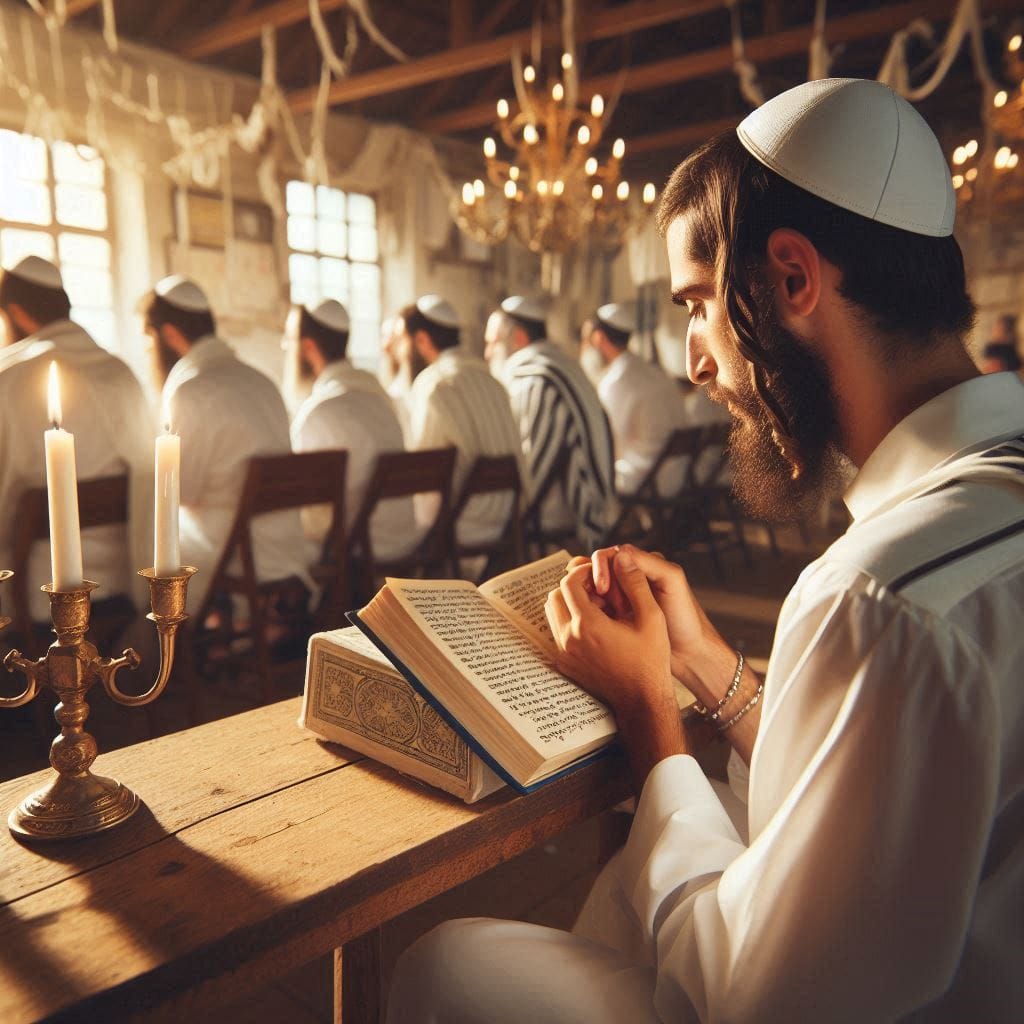
Fasting and the Korbanot
There is a deep connection between fasting and the sacrificial service of the Beit HaMikdash.
In the Temple, a person who sinned could bring a korban according to the Torah. The offering did not work by itself without repentance. The animal did not replace the person’s moral responsibility. The korban was part of a divine system in which the physical world became a path of return.
The blood and fat placed upon the altar represented life, strength, vitality, desire, and bodily energy being returned to HaShem.
After the destruction of the Temple, we no longer have that altar. We no longer have the Kohanim serving in their order. We no longer bring the korbanot. This is part of our exile, and we should not become comfortable with that loss.
But Chazal gave us language that compares fasting to an offering.
In Berachot 17a, Rav Sheshet would pray after fasting that just as in the days of the Temple a sinner brought an offering and its fat and blood were placed upon the altar, so too his own fat and blood diminished by fasting should be considered as if offered before HaShem.
This does not mean that a private fast literally replaces the korbanot. It does not mean that we no longer need the Temple. It means that fasting, when joined to teshuvah, becomes a bodily plea before HaShem.
The person says: I have no altar. I have no korban. I have no blood and fat of an animal to place upon the fire. But I have my own body, my own hunger, my own weakness, my own heart. May this small diminishment be received before You with mercy.
In the Temple, the animal’s fat and blood were offered. In fasting, our own fat and blood are diminished. The body itself becomes part of the cry.
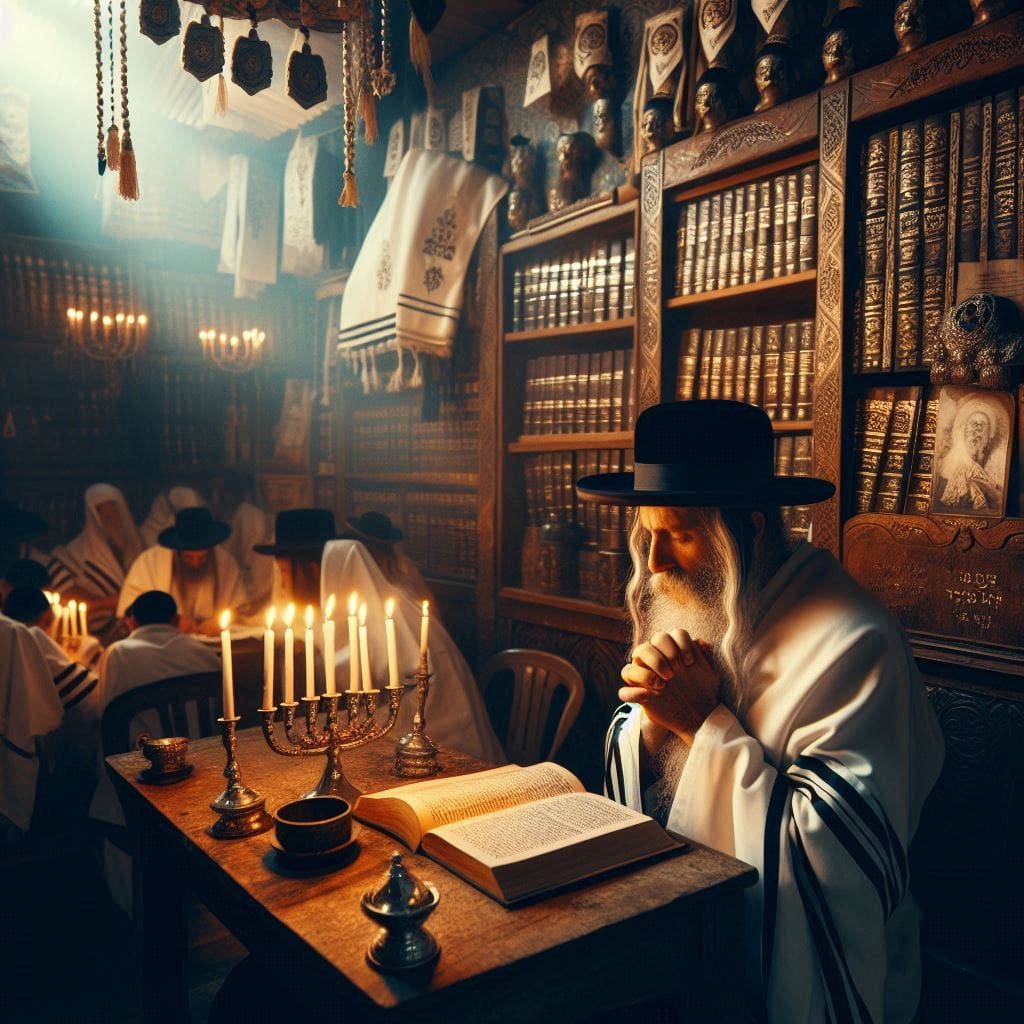
The Two Full Fasts
There are two major full fasts in Jewish life: Yom Kippur and Tisha B’Av.
A full fast begins before sunset and continues until nightfall the next day. These are not ordinary dawn-to-nightfall fasts. They enter the entire day from evening to evening.
These two fasts include more than abstaining from food and drink. They include five afflictions: no eating or drinking, no washing or bathing for pleasure, no anointing with oils or perfumes, no wearing leather shoes, and no marital relations.
Yom Kippur is the holiest day of the year, the day of atonement and purification before HaShem.
Tisha B’Av is the great day of mourning, centered on the destruction of both Temples, the exile of Israel, and the long suffering of the Jewish people.
Both are serious. Both are national. Both enter the body. Both are meant to change the heart.
But they are not the same. Yom Kippur is white. Tisha B’Av is ashes. Yom Kippur is awe, cleansing, confession, and return. Tisha B’Av is grief, destruction, exile, and longing.
Yom Kippur asks: how can I be cleansed before HaShem?
Tisha B’Av asks: how can we sit comfortably when the House of HaShem is destroyed?

Yom Kippur — The Day of Atonement
Yom Kippur is the tenth day of Tishrei.
The Torah says, “For on this day He shall make atonement for you, to cleanse you; from all your sins before HaShem you shall be cleansed.”
Yom Kippur is the day when Israel stands before HaShem in confession, fasting, prayer, and awe. It is a day of purification. It is a day of return. It is a day when the Jew steps away from normal physical life and remembers the essence of the soul.
On Yom Kippur, we do not eat, drink, wash for pleasure, anoint, wear leather shoes, or engage in marital relations. We stand like souls before HaShem. This does not mean the body is evil. It means that for one day, the body is quieted so the soul can speak more clearly.
Yom Kippur is not only sadness. It is also joy hidden inside awe. A Jew believes that HaShem receives teshuvah. He believes that sin does not have to be the final word. He believes that a person can return. He believes that mercy is real.
Shortly after Israel left Egypt, the people sinned with the Golden Calf. Moshe Rabbeinu ascended Mount Sinai and pleaded for mercy. After the long period of prayer and return, Moshe descended on the tenth of Tishrei with forgiveness for Israel. That day became Yom Kippur.
Later, in the Mishkan and then in the Beit HaMikdash, Yom Kippur became the day of the special service of the Kohen Gadol. He immersed, changed garments, offered korbanot, brought incense, confessed, entered the Holy of Holies, and performed the avodah that brought atonement for Israel.
Now, without the Temple, every Jew must perform the Yom Kippur service in the temple of the heart — through prayer, fasting, confession, reconciliation, charity, and change. But we must never forget: our present service is an exile-service. We still long for the rebuilding of the Beit HaMikdash.
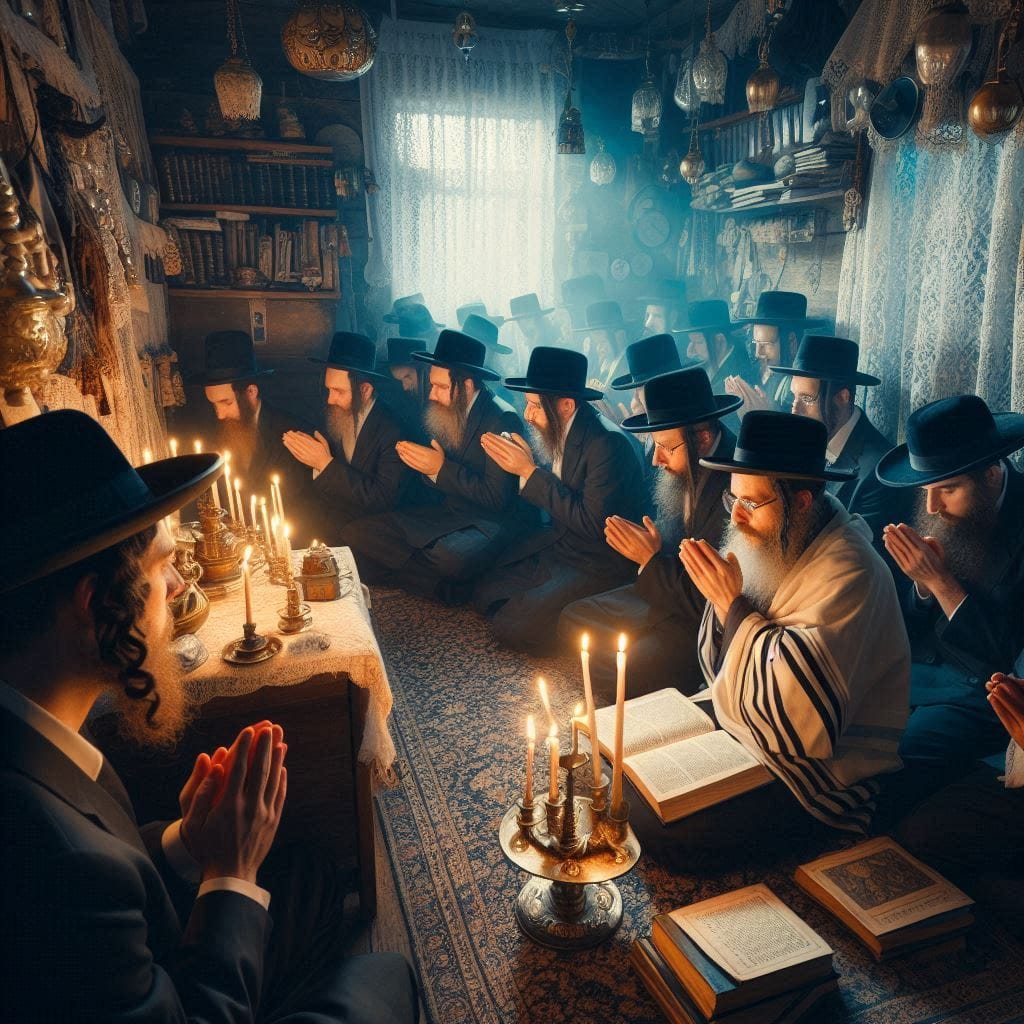
Preparing for Yom Kippur
Yom Kippur does not arrive suddenly for a serious Jew. The path begins in Elul.
During Elul, many communities blow the shofar after prayer. Psalm 27 is added in many rites. Sephardic communities begin Selichot early in the month. Ashkenazic communities begin Selichot closer to Rosh Hashanah. The atmosphere becomes one of return, seriousness, and preparation.
The Ten Days of Repentance, from Rosh Hashanah through Yom Kippur, are especially weighty. During these days, a person should be more careful with mitzvot, speech, anger, business conduct, family relationships, and obligations between man and his fellow.
Yom Kippur cannot repair what a person refuses to face.
One must seek forgiveness from those he has harmed. One must repay what he owes. One must stop pretending that religious feeling replaces moral responsibility.
Between man and HaShem, Yom Kippur brings atonement when there is teshuvah. Between man and his fellow, Yom Kippur does not atone until the injured person is appeased.
A person cannot beat his chest in shul while refusing to apologize at home. A person cannot cry during Neilah while continuing to cheat in business. A person cannot say Vidui while protecting the very sin he confesses.
The day before Yom Kippur is also holy. It is a mitzvah to eat and prepare for the fast. We enter the affliction through obedience, not hatred of life. We eat because HaShem commanded us to prepare. Then we fast because HaShem commanded us to afflict ourselves.
Some communities perform kapparot. Shaarei Tzafon’s practice should be careful, modest, and halachically responsible. Where kapparot is done, money is preferable for many, especially to avoid cruelty, confusion, and unnecessary spectacle.
Charity should be increased. Children are blessed. Some immerse in a mikveh. The final meal is eaten. Candles are lit. The house becomes quiet. Then the holy day enters.
How Yom Kippur Is Observed
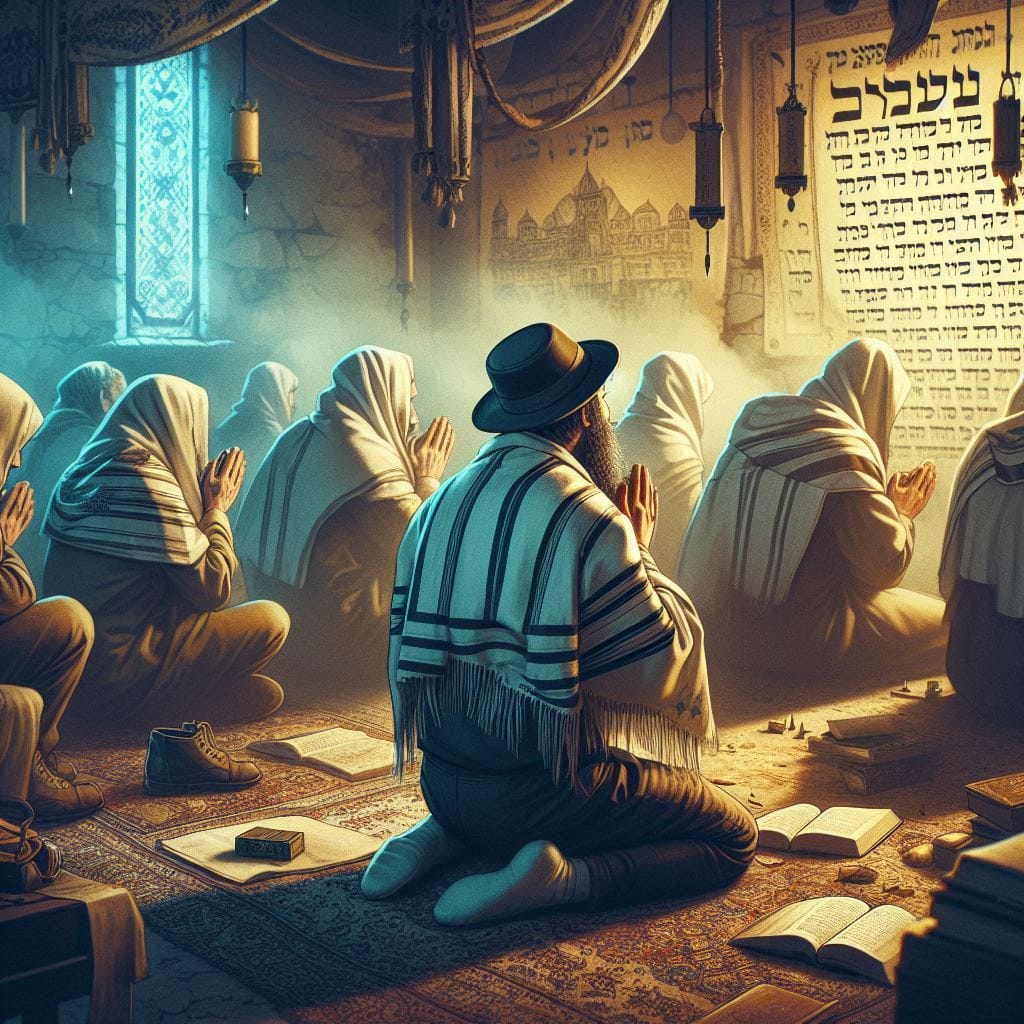
Yom Kippur begins before sunset on the ninth of Tishrei and continues until nightfall on the tenth. Like Shabbat, forbidden labor is not performed. But Yom Kippur adds the five afflictions.
The day is centered on prayer.
Maariv begins with Kol Nidrei in many communities, a solemn opening that releases certain vows and sets the tone for the day.
Shacharit is the morning prayer, with Torah reading and the prayers of the day.
Yizkor is recited in many communities as a memorial prayer for the departed.
Musaf contains the remembrance of the Temple service, especially the avodah of the Kohen Gadol.
Minchah includes the reading of Yonah, the prophet whose book teaches that no person or city is beyond repentance when they truly return.
Neilah closes the day. The gates are closing. The sun is descending. The voice becomes urgent. The Jew stands before HaShem and says: receive me before the day ends.
At the end, the Shema is proclaimed. HaShem’s kingship is declared. The shofar is sounded. The fast ends.
But the work must not end.
A Yom Kippur that does not change the day after Yom Kippur has not yet been fully received. After the fast, we eat with gratitude. There is also a custom to begin preparing for Sukkot immediately after Yom Kippur. This teaches that teshuvah must lead to mitzvah. After confession, build. After tears, act. After asking forgiveness, live differently.

Tisha B’Av — The Great Day of Mourning
Tisha B’Av is the ninth day of Av. It is the great day of mourning in Jewish life.
Where Yom Kippur is the fast of purification, Tisha B’Av is the fast of destruction. Where Yom Kippur is white garments, confession, and cleansing, Tisha B’Av is ashes, low sitting, Eicha, and grief.
Tisha B’Av gathers the tears of Israel into one day. It is the day on which we mourn the destruction of the First Temple and the Second Temple. It is the day on which we remember exile, the loss of Jerusalem, the shattering of Jewish sovereignty, the spilling of Jewish blood, and the long wandering of our people among the nations.
A Jew must be careful not to treat Tisha B’Av as symbolic sadness. It is not historical theater. It is not only about events long ago. Tisha B’Av asks: what does it mean that the House of HaShem is still not rebuilt? What does it mean that we can become comfortable in exile? What does it mean that Jews can live religious lives and still not ache for the Beit HaMikdash?
The mourning of Tisha B’Av is not nostalgia. It is national teshuvah. We do not mourn because we love sadness. We mourn because something holy is missing.
The Mishnah teaches that five major calamities happened on the ninth of Av. The generation of the wilderness was decreed not to enter the Land after the sin of the spies. The First Temple was destroyed by the Babylonians. The Second Temple was destroyed by the Romans. Beitar fell during the Bar Kokhba revolt. The Temple Mount and Jerusalem were plowed over.
These five calamities form the inner structure of the day: sin against the Land, destruction of the First Temple, destruction of the Second Temple, mass slaughter, and desecration of Jerusalem.
Over time, Tisha B’Av also became the day on which later Jewish tragedies were remembered: expulsions, crusades, massacres, persecutions, and disasters that tore Jewish communities apart. Jewish memory does not treat history as random. We do not claim to understand every decree of Heaven, but we do recognize patterns of mourning.
The destruction of the Temples is the root mourning. Other tragedies are branches.
The Laws and Customs of Tisha B’Av
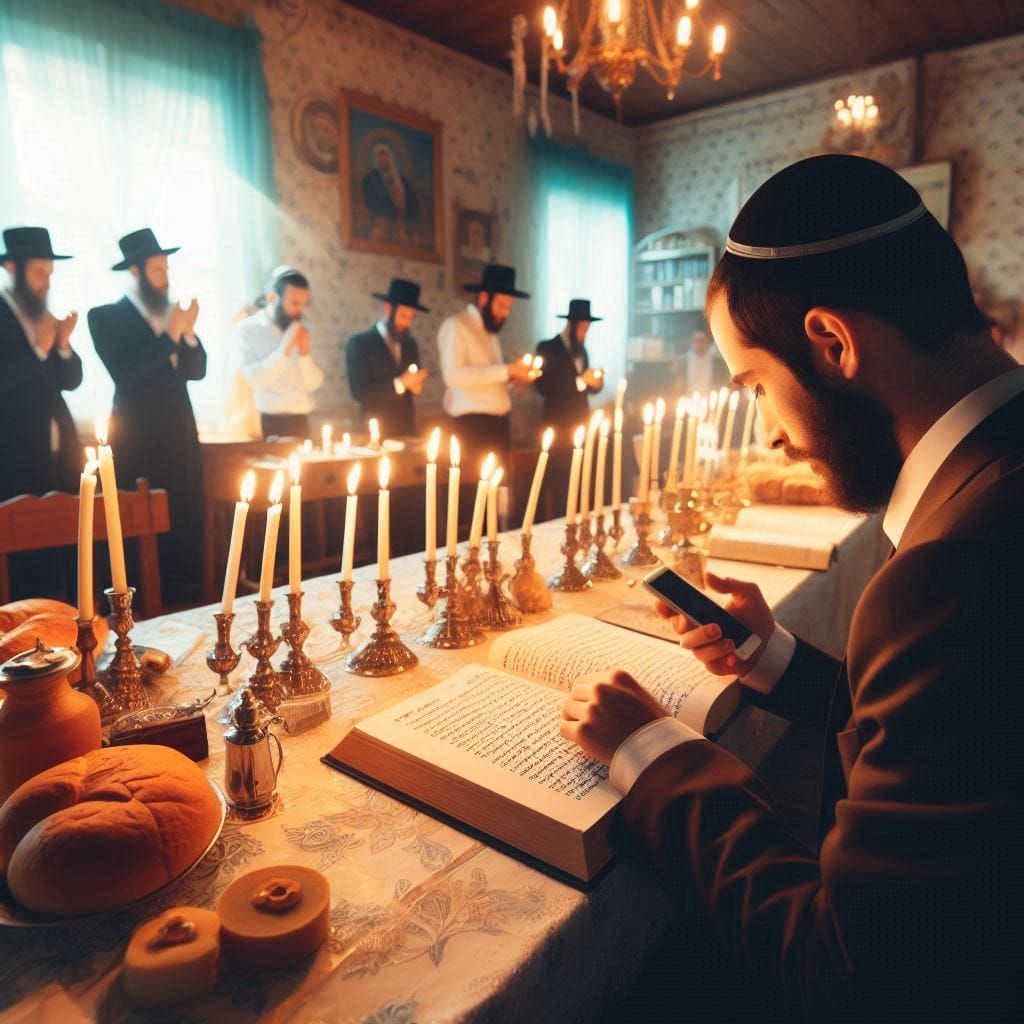
Tisha B’Av is a full fast, like Yom Kippur in its length and in its five afflictions. Yet the emotional tone is different. On Yom Kippur we stand like angels in awe. On Tisha B’Av we sit like mourners in grief.
The customs of the day reflect mourning. We sit low. We limit greetings. We avoid unnecessary comfort. We do not study regular Torah topics that bring joy, because Torah study gladdens the heart. Instead, we learn matters appropriate to mourning: Eicha, Iyov, sections of Yirmiyahu, laws of mourning, and passages dealing with the destruction.
In many communities, the synagogue is dimmed. The Book of Lamentations is read at night. Kinnot are recited. The mood is heavy and stripped down.
This is not because Torah wants Jews to become depressed. It is because there are times when grief must not be covered with noise. A generation that cannot mourn properly cannot hope properly.
Eicha means “How?” How does the city sit solitary? How did Jerusalem fall? How did the people of HaShem come to such ruin? It is not only a question looking for information. It is a groan.
Kinnot give language to mourning. Through them, a Jew does not mourn alone. He joins the grief of Israel across generations.
The prayer Nachem is added on Tisha B’Av, asking HaShem to console the mourners of Zion and Jerusalem. Some modern Jews have struggled with its wording because parts of Jerusalem are physically rebuilt. But from a traditional perspective, the essential mourning remains. The Beit HaMikdash is not rebuilt. The avodah has not returned. The full redemption has not come.
Jerusalem has buildings. But Zion still needs consolation.
Although the fast ends at nightfall, the mourning does not disappear instantly. Tradition teaches that the Temple continued burning into the tenth of Av. Destruction has aftershocks. Even when the official fast ends, the fire still burns. But it will not burn forever. After Eicha comes Nachem. After sitting low comes rising.
The Minor Fasts
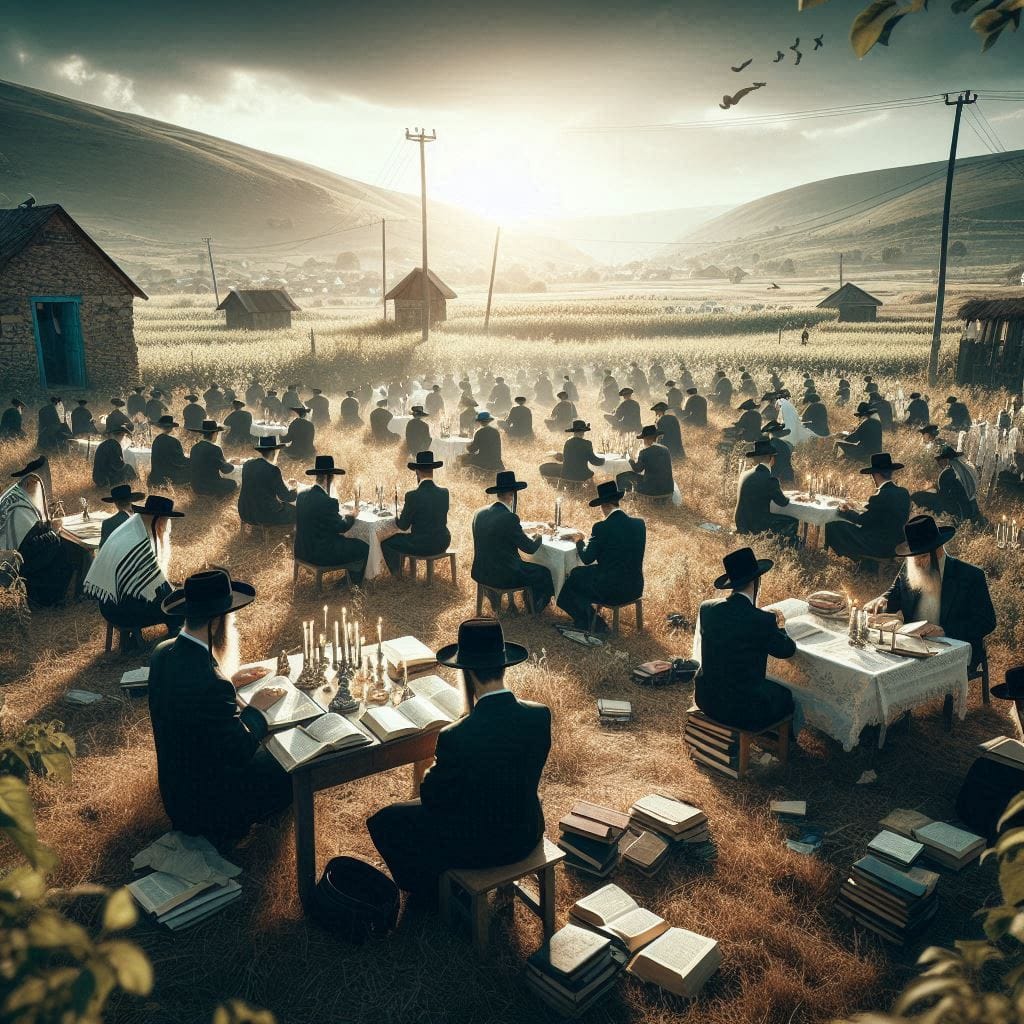
In addition to Yom Kippur and Tisha B’Av, there are several public minor fasts observed by Israel. These generally begin at dawn and end at nightfall. They do not include all five afflictions. The main obligation is abstaining from food and drink, though communities add prayers, Torah readings, Selichot, Aneinu, and other practices according to halacha and minhag.
The main public minor fasts are the Fast of Gedaliah, the Tenth of Tevet, the Fast of Esther, and the Seventeenth of Tammuz.
A “minor fast” is still a fast of Israel. It still interrupts life. It still calls the Jew to repentance. It still connects the body to memory.
The danger is that people treat minor fasts casually. They go to work, skip breakfast, feel annoyed, and never ask what the day means. That is not the way. Even when a fast is shorter, the soul must still be awake.
The Fast of Gedaliah is observed after Rosh Hashanah. It commemorates the assassination of Gedaliah ben Achikam, who had been appointed governor over the Jewish remnant after the destruction of the First Temple. After his murder, the remaining Jews feared Babylonian revenge and fled to Egypt. This marked the collapse of the last remnant of Jewish autonomy after the destruction.
The Fast of Gedaliah teaches how internal Jewish violence can complete what external enemies began. The Babylonians destroyed the Temple, but Jews destroyed the remnant. Not every destruction comes from outside. Sometimes the final blow comes from betrayal, factionalism, jealousy, pride, and refusal to listen.
The Tenth of Tevet commemorates the beginning of the siege of Jerusalem by Nebuchadnezzar. Tisha B’Av mourns the burning of the Temple. The Tenth of Tevet mourns the beginning of the siege that led to that destruction.
This is a deep lesson. By the time the Temple burns, everyone sees the disaster. But when the siege begins, many may still pretend that life can continue normally. The walls are still standing. The city is still functioning. But the process has begun.
The Tenth of Tevet teaches us to recognize danger before final collapse. A soul does not usually become cold in one day. First there is a siege: a little less prayer, a little more arrogance, a little less Torah, a little more compromise. The walls still stand, but the enemy is already around the city.
The Fast of Esther is observed before Purim. It is different from the other public fasts, because it is rooted in the story of Esther and is a custom rather than one of the four fasts connected to destruction. Esther told Mordechai to gather the Jews and fast for her before she risked her life before the king.
The Fast of Esther teaches that salvation does not remove human responsibility. Hidden providence does not mean passivity. Esther says: fast for me, and I will go. That is the balance. The fast prepares the soul. Then the person must act.
The Seventeenth of Tammuz begins the Three Weeks. The Mishnah teaches that five calamities happened on this day: Moshe broke the first tablets, the daily Tamid ceased, the walls of Jerusalem were breached, Apostomus burned a Torah scroll, and an idol was placed in the Temple.
These all speak of rupture: the tablets broken, the offering stopped, the wall breached, the Torah burned, the Temple defiled. The Seventeenth of Tammuz is when the crack becomes visible. A wise person repents when the wall is breached. A foolish person waits for the fire.

Additional Fasts and Pious Customs
Beyond the public fast days, there are additional fasts and penitential customs practiced by some communities and individuals.
These are not all the same level of obligation. Some are widespread communal customs. Some are practiced only by the very pious. Some are connected to Kabbalah. Some are local minhag.
Shaarei Tzafon must approach these practices with balance. We should not mock pious customs. Serious Jews in earlier generations fasted, prayed, guarded speech, gave charity, recited Selichot, and disciplined themselves in ways many modern Jews can barely understand. But we should not turn every pious custom into a public obligation.
The foundation must remain clear: obligations are obligations, customs are customs, and pious practices are pious practices.
BeHaB refers to the fasts of Monday, Thursday, and Monday after Pesach and Sukkot. The idea is that after the joy of the festivals, a person may need repentance. Holy joy can also be mishandled. BeHaB says: after celebration, examine yourself.
Yom Kippur Katan means “the small Yom Kippur.” It is observed by some Jews on the day before Rosh Chodesh. Since Rosh Chodesh itself is semi-festive, the repentance is placed before the new month enters. Even without fasting, the spirit is useful: before a new month begins, review the old one.
Shovavim is a winter period connected to the Torah portions of Shemot, Va’era, Bo, Beshalach, Yitro, and Mishpatim, extended in a leap year with Terumah and Tetzaveh. It became important in Kabbalistic, Sephardic, and Chasidic circles as a time for repentance, especially in matters of personal holiness and hidden life.
This must be handled with modesty and balance. Torah takes personal holiness seriously, but Shaarei Tzafon should not turn Shovavim into panic, obsession, or shame. The goal is not self-hatred. The goal is return.
Ta’anit Dibbur is a fast of speech. Instead of refraining from food and drink, the person refrains from unnecessary speech and devotes the time to Torah, prayer, Psalms, and silence.
Speech is one of man’s greatest gifts, but speech can destroy. Lashon hara, mockery, cruelty, complaining, manipulation, religious argument for ego, and words spoken in anger can poison the soul. A person may fast from food and still sin all day with his mouth. Ta’anit Dibbur teaches that sometimes the mouth needs a fast more than the stomach.

Health and Halachic Responsibility
No teaching on fasting is complete without saying this clearly: fasting must be governed by halacha and health.
A person is not allowed to endanger himself in order to appear pious. A sick person must ask competent guidance. Pregnant and nursing women have specific laws depending on the fast and circumstance. Children are trained gradually and are not treated like adults. A person with diabetes, eating disorders, severe weakness, medication needs, pregnancy complications, dehydration risk, or other medical concerns must not make reckless decisions.
The yetzer hara can wear religious clothing. Sometimes it tells a person to break a fast carelessly. Sometimes it tells a person to fast when halacha would require him to eat.
Both can be wrong.
The point is not ego. The point is obedience to HaShem.
On Yom Kippur, the laws are most severe, and proper guidance is essential. On minor fasts, there is more room for leniency in cases of illness or weakness. On optional fasts, a person should be especially careful not to take on practices that damage family life, mental stability, work responsibility, or health.
A father who fasts extra but becomes harsh to his wife and children has not served HaShem properly. A mother who takes on unnecessary deprivation and collapses under the burden of the home has not found the Torah path. A community that pressures people into extra asceticism can become dangerous.
Holy discipline must be joined to wisdom.

A Kabbalistic Note on the Tzaddikim
There is also a deeper teaching connected to fasting, Yom Kippur, suffering, and atonement.
This must be handled carefully.
The Torah teaches that atonement comes from HaShem. No human being is worshiped. No tzaddik replaces HaShem. No righteous person replaces Torah, mitzvot, teshuvah, prayer, or the avodah of Yom Kippur. A Jew does not turn a tzaddik into an object of faith.
At the same time, Chazal and later holy writings speak about the death, suffering, merit, and spiritual labor of the righteous having power in the world. This belongs to the deeper language of Torah, where Israel is one body and the souls of the righteous are bound to the people.
The Gemara says that tzaddikim are greater after their passing than in their lifetime. Their bodies leave the world, but their influence does not disappear. Their Torah remains. Their merit remains. Their memory awakens repentance.
But this idea must be fenced. The tzaddik is not HaShem. The tzaddik is not the source of forgiveness. The tzaddik does not cancel responsibility. The tzaddik does not make teshuvah unnecessary.
When the death or suffering of the righteous is said to bring atonement, it means HaShem may use the merit, loss, holiness, and spiritual elevation of the righteous to awaken compassion and repair. But the person below must still return.
The Torah introduces the Yom Kippur service in Parashat Acharei Mot by referring to the death of Aharon’s two sons, Nadav and Avihu. This teaches that the Yom Kippur service is connected to awe, danger, holiness, boundary, and atonement.
Nadav and Avihu brought a strange fire before HaShem. They were great men, but greatness does not remove the need for command. Spiritual intensity without obedience can become dangerous.
Holiness without order is not Torah. Fire without command is dangerous. Closeness without humility can burn.
Rebbe Nachman gives a deep teaching about the Master of the Field. He speaks of a field filled with beautiful trees and plants, which are holy souls. Some souls wander outside the field, displaced and longing to return. The Master of the Field is the tzaddik who labors to repair them, water them, arrange them properly, and bring them back.
For Shaarei Tzafon, the point is not fantasy or personality worship. The point is that souls are bound together. The holiness of one person can strengthen many. The fall of one person can damage many.
A tzaddik’s avodah can open paths for people who are lost.
This also teaches community-building. Not everyone belongs in the same place. Sometimes a person must be brought near. Sometimes a person must be kept at a distance so he does not overshadow or damage another. A field needs fencing, watering, pruning, and time.
Shaarei Tzafon is not trying to gather people into spiritual chaos. It is not trying to create emotional dependency. It is trying to cultivate a field through Torah, halacha, prayer, family stability, modesty, boundaries, derekh eretz, repentance, and patience.
Fasting Must Become Action
The essential point remains: fasting must lead to repentance and changed action.
If the fast does not change speech, it has not yet done its work. If the fast does not soften pride, it has not yet done its work. If the fast does not awaken prayer, charity, repair, apology, restraint, or renewed Torah, it has not yet done its work.
HaShem does not need our hunger. HaShem wants the heart. But hunger can help break the shell around the heart.
The prophet does not praise a fast that leaves oppression in place. The true fast loosens wicked bonds, feeds the hungry, brings the poor into the home, clothes the naked, and stops hiding from one’s own flesh.
A person can fast and remain selfish. A person can say Selichot and remain cruel. A person can mourn the Temple and still create division. A person can cry over Jerusalem and still despise another Jew. A person can say Vidui and still protect his favorite sin.
Therefore, the fast must become action.
Feed someone. Apologize. Pay a debt. Stop a sin. Guard the eyes. Guard the mouth. Return to prayer. Learn halacha. Honor parents. Strengthen marriage. Teach children. Repair the home. Give charity. End a feud. Build something holy.
The fast is not complete when food enters the mouth. The fast is complete when teshuvah enters the life.
Conclusion: The Fast Must Become Life
Praying and fasting are not empty rituals. They are among the ways Israel returns to HaShem.
In the days of the Temple, the blood and fat of offerings were placed upon the altar. Today, in exile, we fast and say before HaShem: may the diminishing of our own fat and blood be received with mercy, as a sign of our desire to return.
But the fast itself is not enough. The hunger must become humility. The weakness must become prayer. The mourning must become longing. The longing must become teshuvah. The teshuvah must become action.
Yom Kippur teaches us that the soul can be cleansed. Tisha B’Av teaches us that exile must not become normal. The Fast of Gedaliah teaches us that Jewish division can destroy what enemies leave behind. The Tenth of Tevet teaches us to wake up when the siege begins, not only when the Temple burns. The Fast of Esther teaches us to join fasting with courage. The Seventeenth of Tammuz teaches us to repair the breach before destruction spreads.
BeHaB teaches us to examine ourselves after joy. Yom Kippur Katan teaches us to review the month before entering the next. Shovavim teaches us to reclaim the hidden life. Ta’anit Dibbur teaches us that sometimes the mouth needs fasting more than the stomach.
The teaching of the tzaddikim reminds us that souls are bound together, that the righteous labor for the field of Israel, and that the suffering and passing of the righteous can awaken mercy — but never as a replacement for HaShem, Torah, mitzvot, or personal teshuvah.
This is the Shaarei Tzafon way:
No spiritual theater.
No empty hunger.
No personality worship.
No reckless extremism.
No comfort-worship either.
Only Torah, teshuvah, prayer, fasting, halacha, compassion, memory, and return.
A fast day begins with the body.
But if it is used properly, it ends with a changed life.
Jewish Fasting and Teshuvah — Torah, Halakhah, and the Purpose of Repentance
Fasting in Judaism is not merely abstaining from food and drink. It is a sacred discipline intended to awaken the heart, encourage repentance, strengthen prayer, and restore a person's relationship with HaShem.
This Torah teaching examines the spiritual meaning and practical Halakhah of Jewish fasting, drawing upon the Tanakh, Mishnah, Gemara, Rambam, and the traditional teachings of the Jewish sages.
Beginning with the principle that fasting is not the goal — Teshuvah is the goal, the lecture explores how physical restraint can encourage humility, self-examination, compassion, and meaningful changes in conduct.
The teaching examines the major Jewish fast days, including Yom Kippur and Tisha B'Av, together with the four minor fasts: the Fast of Gedaliah, the Tenth of Tevet, the Fast of Esther, and the Seventeenth of Tammuz.
Additional attention is given to traditional penitential customs, including BeHaB, Yom Kippur Katan, Shovavim, and Ta'anit Dibbur (fasting from unnecessary speech). The lecture also considers the relationship between fasting and the korbanot of the Beit HaMikdash, drawing upon Berakhot 17a and the prayer of Rav Sheshet.
The teachings of the Chasidic masters, including Rebbe Nachman of Breslov, provide further insight into spiritual discipline, the responsibility of the tzaddik, and the restoration of the Jewish soul.
Throughout the discussion, Halakhah remains the governing foundation. Fasting must never become an exercise in religious pride, unnecessary suffering, or disregard for health. The purpose of fasting is not to reject the physical world but to sanctify human life through obedience to HaShem.
Presented by Rabbi Ariel Manning of Shaarei Tzafon (The North Gate), this lecture contributes to traditional Orthodox Jewish education and Torah study in Alpena, Hillman, Rogers City, and throughout Northeastern Michigan.
Shaarei Tzafon is an independent, family-led Orthodox Jewish educational and publishing initiative rooted in Northeastern Michigan, with a broader educational mission extending from the 45th parallel through the boreal regions toward the Arctic.
The essential lesson: A fast without Teshuvah is only hunger. A fast joined to prayer, humility, charity, and changed conduct becomes meaningful service of HaShem.
Shaarei Tzafon — The North Gate
Orthodox Jewish Life and Torah Study in Northeastern Michigan
Shaarei Tzafon — The North Gate, led by Rabbi Ariel Manning, is an independent, family-led Orthodox Jewish educational and publishing initiative based in Northeastern Michigan. We support traditional Jewish life, Torah study, Halakhah, and Jewish education throughout Alpena, Hillman, Rogers City, and surrounding communities. Those interested in traditional Judaism are welcome to contact us for educational resources, Torah learning, and opportunities for discussion by prior arrangement.
Rooted locally, our greater mission extends northward from the 45th parallel — The North Gate — through Michigan, Canada, and Alaska toward the Arctic. We seek to encourage independent Jewish communities, family-centered Torah education, and the renewal of small batei midrash and shtieblach, preserving the rich traditions of Orthodox Judaism for future generations.
Our work begins in Northeastern Michigan, but our vision extends from the 45th parallel toward the Arctic.
Guided by Rambam and Mori Qafiḥ, uplifted by Rebbe Nachman, and grounded by Avraham ben HaRambam’s balance of halakha and inward avodah.
The Orchard’s Path
publishes our books and curricula.
Our mission: a bright, authentic Jewish presence in every northern town.
Created with ©systeme.io


