
The Foothill of Elul Part 3
B”H
Introduction: The Season of Teshuvah Written in Apples and Torah
This teaching is offered as Part 2 of our larger Shaarei Tzafon cycle, The Spiritual Side of the Field of Sacred Apples: The Foothills of Elul.
The first teaching established the larger path: the season of teshuvah does not begin suddenly in Elul. It begins in the sorrow of the 17th of Tammuz, descends through the Three Weeks, reaches the grief of Tish’a B’Av, receives its first sweetness after mourning, rises through Tu B’Av and Shabbat Nachamu, and then enters the mountain path of Elul, Rosh Hashanah, Yom Kippur, Sukkot, and even the late sweetness of the winter apple.
The second teaching, Tu B’Av on the Foothills of Elul, showed that Tu B’Av is not merely a romantic day or a light custom. It is the first turning of the heart after destruction. It is the day that says: after mourning, love still remains. After Tish’a B’Av, Israel is still beloved. The covenant has not been erased.
This third movement, Part 2 of the larger orchard teaching, now turns toward Rosh Hashanah itself.
At Shaarei Tzafon, we do not treat the Jewish calendar as a flat list of dates. We receive it as a living terrain. There are breaches, valleys, foothills, mountains, and shelters. The 17th of Tammuz is the breach. Tish’a B’Av is the valley. Tu B’Av is the first rising. Elul is the foothill climb. Rosh Hashanah is the mountain of coronation and judgment. Yom Kippur is the day of purification. Sukkot is the shelter of joy.
And through this whole path, the Field of Sacred Apples stands as witness.
The summer apples ripen after Tish’a B’Av, reminding us that sweetness follows sorrow. The later apples ripen through Elul and near Rosh Hashanah, reminding us that judgment must be sweetened. And the rare winter apple, ripening only after Sukkot, teaches that teshuvah is not closed to the latecomer. Some sweetness appears only after the obvious season has passed.
This is not nature-worship. This is not folklore. This is not replacing Torah with the orchard. Shaarei Tzafon speaks clearly: Torah gives the obligation; creation gives the witness. Halachah gives the form; the orchard gives the mashal.
The orchard does not establish Rosh Hashanah.
The Torah does.
But once Torah has sanctified the day, the orchard helps the Jewish heart understand it.
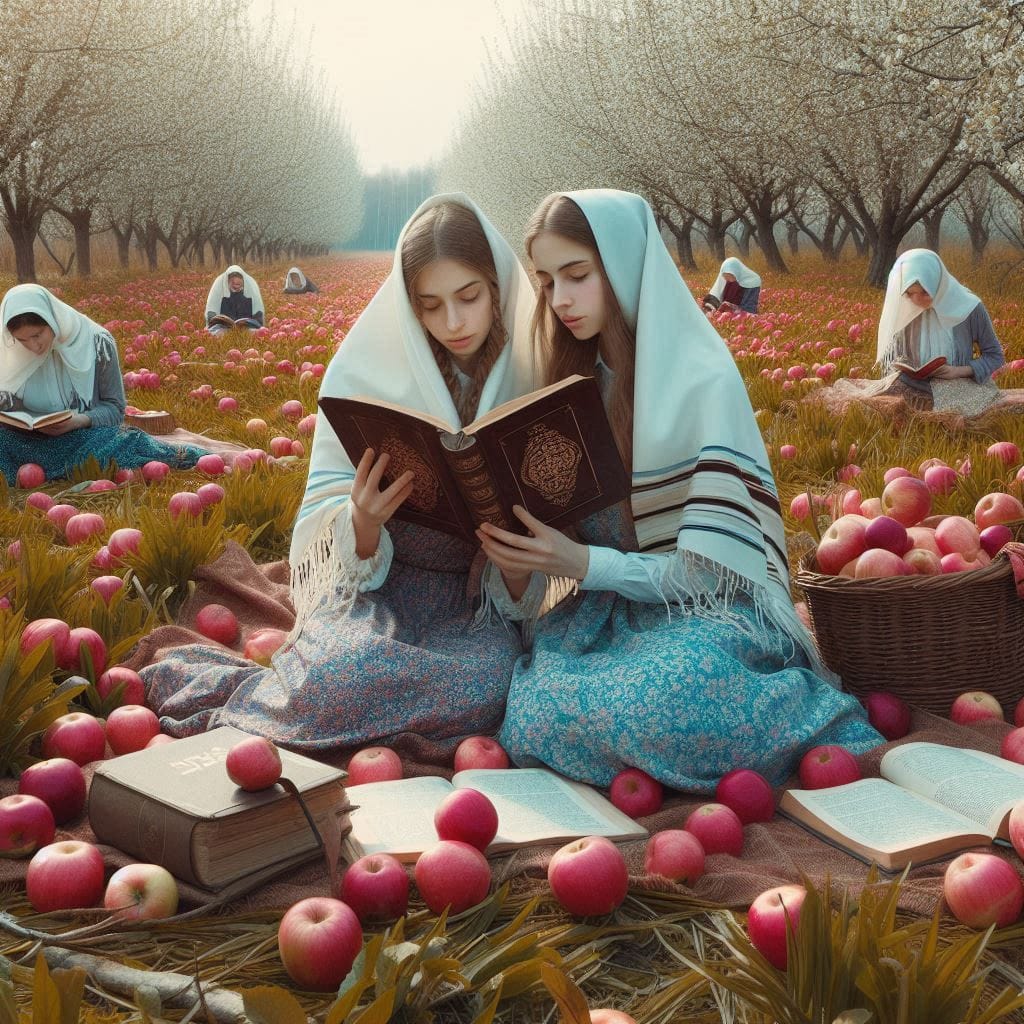
I. The Foothills Revisited: From Mourning to Comfort
Most people begin thinking about teshuvah when Elul arrives. That is understandable. Elul brings the shofar, the language of return, and the famous teaching that the King is in the field. But Shaarei Tzafon begins earlier.
We begin with the 17th of Tammuz, when the walls of Jerusalem were breached. A wall is not merely stone. It is boundary, protection, order, and holy structure. When the walls of Jerusalem fell, the center of Jewish life was exposed. From that point, Israel begins the narrow descent of Bein HaMetzarim, the Three Weeks.
These days lead to Tish’a B’Av, the day of destruction, when we sit low and remember the Temple burned, Jerusalem broken, and the Shekhinah hidden. We do not rush past this. A Torah life must be truthful. There can be no real teshuvah if we refuse to mourn what has been lost.
Here in the North, this mourning arrives during the fullness of summer. The forests are green. The wetlands are alive. The land seems full of motion. Yet the orchard tells another story. The apples are still hard. They have form, but not sweetness. They are visible, but unfinished.
That is the Three Weeks.
Something is growing, but not yet healed.
Something exists, but has not yet reached its tikkun.
Then, after Tish’a B’Av, the first apples begin to ripen. This is the first sweetness after sorrow. This is the orchard’s whisper of Nachamu, nachamu ami — “Comfort, comfort My people.”
This is why the first lecture called this season the Foothills of Elul. Teshuvah does not begin as panic. It begins as mourning that becomes longing, longing that becomes comfort, comfort that becomes hope, and hope that becomes return.
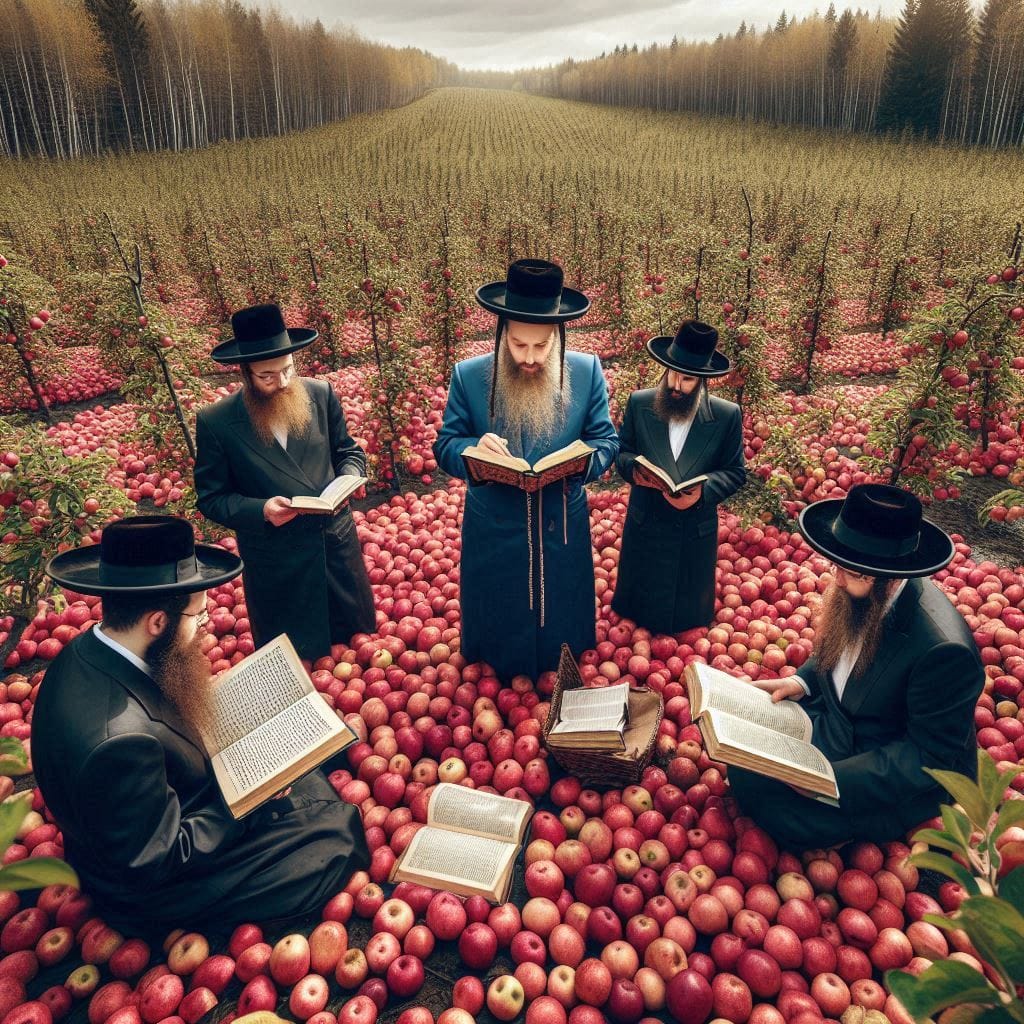
II. Tu B’Av: The Heart Learns to Hope Again
Before we reach Rosh Hashanah, we must pass through Tu B’Av, the fifteenth of Av.
Tu B’Av is one of the happiest days of Israel, placed by Chazal alongside Yom Kippur. That alone tells us its depth. Yom Kippur is joy after forgiveness. Tu B’Av is joy after destruction.
The events associated with Tu B’Av all share one theme: reconnection. The decree against the generation of the wilderness ended. The tribes were permitted to intermarry. Binyamin was restored into Israel’s life. Roadblocks to Jerusalem were removed. The dead of Beitar were finally buried. Marriages were made. Bonds were restored.
Tu B’Av says: after Tish’a B’Av, love is still possible.
This matters for Rosh Hashanah. A person cannot enter judgment rightly if he believes Hashem has abandoned him. Judgment without covenant becomes terror. Judgment within covenant becomes repair. Tu B’Av teaches the soul that it is still beloved before Elul asks the soul to return.
In the orchard cycle, Tu B’Av is the first early apple of consolation. It is not the full harvest. It is not the apple dipped in honey. It is the first taste that tells us the season of sweetness is coming.
This is why Part 2 must remember Part 1 and the Tu B’Av teaching. Rosh Hashanah does not stand alone. It is reached by a path: breach, mourning, comfort, love, return, judgment, purification, shelter.
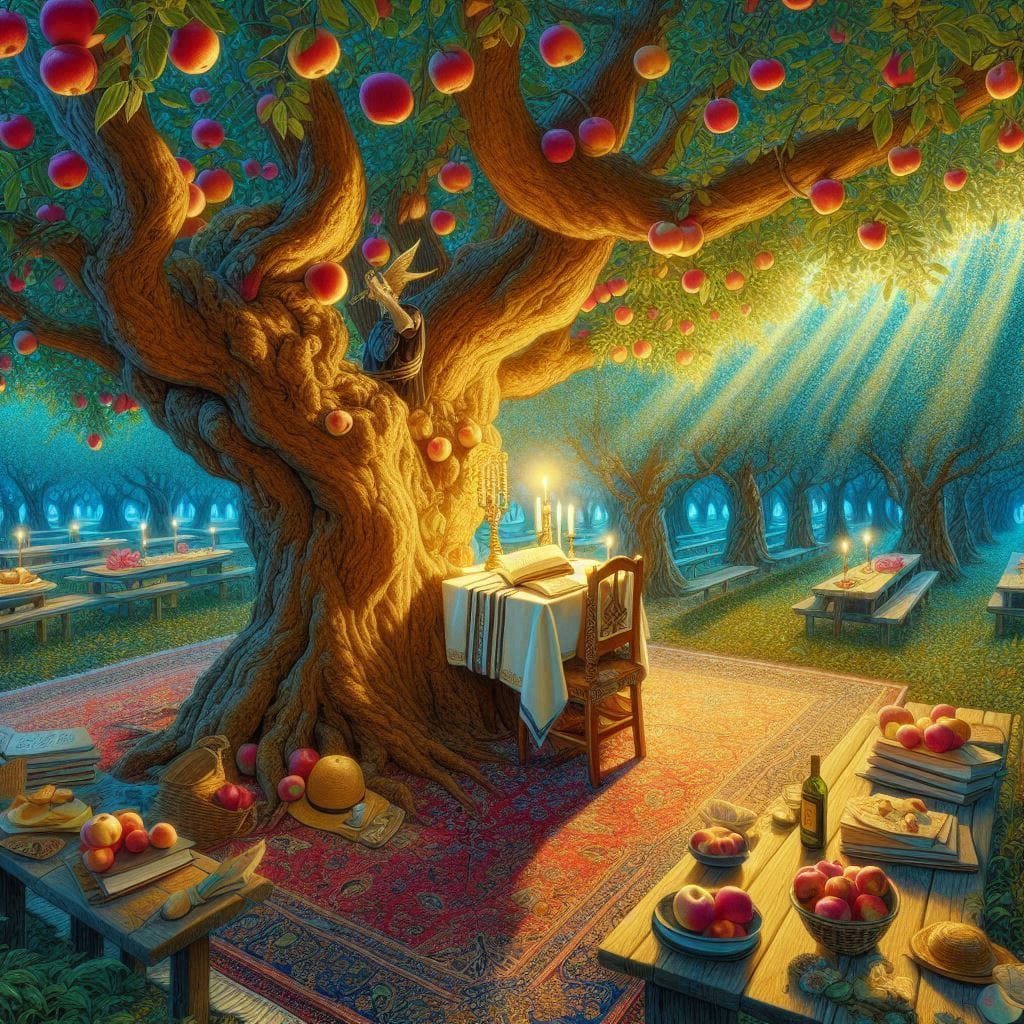
III. Torah: The Command of Yom Teru‘ah
Against the claim often made by anti-rabbinic movements that Rosh Hashanah is “not biblical,” Shaarei Tzafon begins where all faithful Jewish teaching must begin: with Torah.
The Torah commands a holy day on the first day of the seventh month:
Leviticus 23:24 calls it a zikhron teru‘ah, a remembrance of shofar-sounding, a holy convocation.
Numbers 29:1 calls it Yom Teru‘ah, a day of shofar-sounding.
This is the bedrock. The first day of the seventh month is sanctified by Torah. It is a day of rest, gathering, offering, and teru‘ah. No later rabbinic authority invented the holiness of the day. The holiness of the day is written in the Torah itself.
The objection says: “The Torah does not call it Rosh Hashanah.”
That is true in the narrowest sense. The Torah calls the day Yom Teru‘ah and Zikhron Teru‘ah. But names do not create mitzvot. The mitzvah exists before the later title. Torah plants the tree; tradition identifies the fruit and teaches Israel how to harvest it.
This is how Torah works. The written Torah often gives the command in seed form. The Oral Torah explains how Israel lives it. The Torah says “totafot,” and halachah teaches tefillin. The Torah says “pri etz hadar,” and halachah identifies the etrog. The Torah says “yom teru‘ah,” and the received tradition teaches the shofar service, the day’s structure, and its place as Rosh Hashanah.
This is not invention.
This is covenantal continuity.
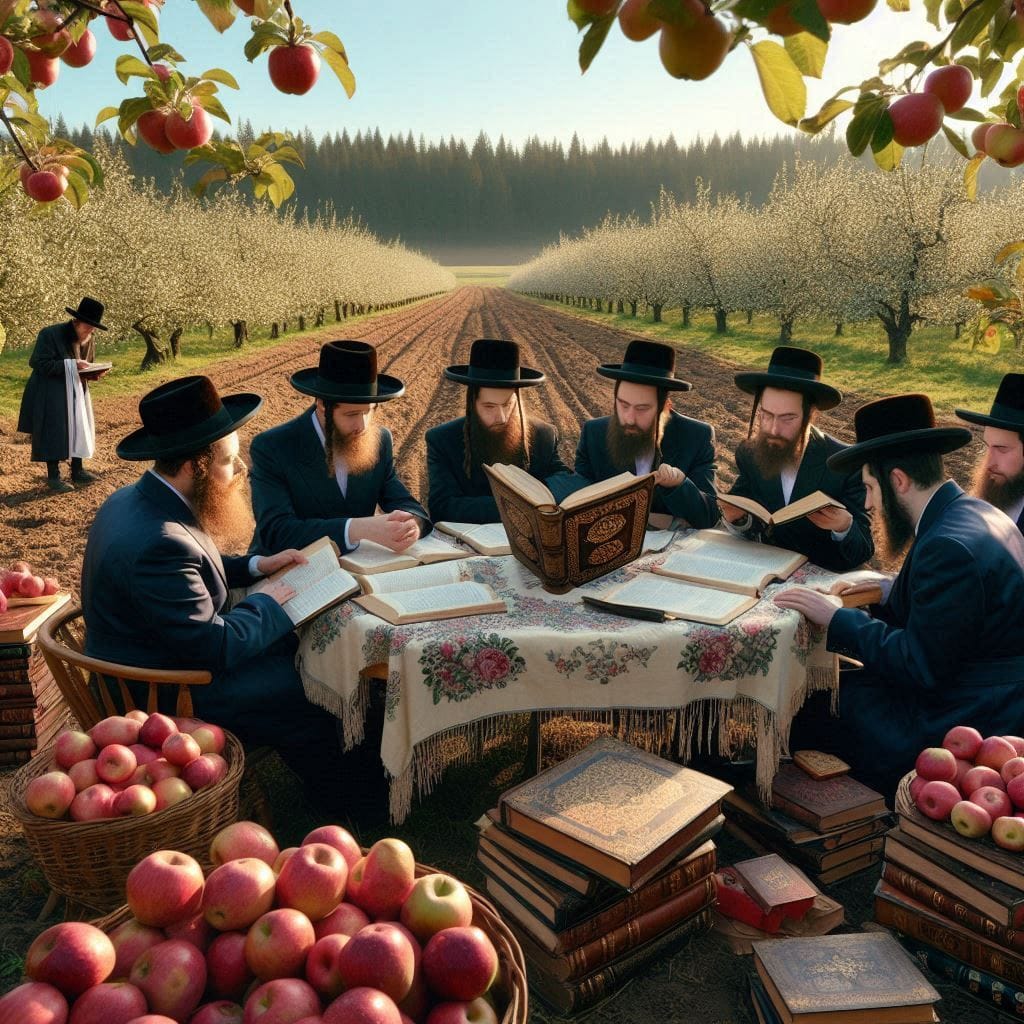
IV. Nehemiah: The Joy of the Day
The clearest narrative picture of the first day of the seventh month appears in Nehemiah 8.
After exile, the people gather. Ezra reads the Torah publicly. The Levites explain its meaning. The people begin to weep when they hear the words of Torah. But the leaders tell them not to mourn or weep, because the day is holy to Hashem. They are told to eat rich foods, drink sweet drinks, send portions to those who have nothing, and rejoice, because “the joy of Hashem is your strength.”
This is Rosh Hashanah in lived form: Torah reading, explanation, communal gathering, holiness of the day, food, joy, and care for those in need.
This is especially important for Shaarei Tzafon because it corrects a false picture of the Days of Awe. Rosh Hashanah is judgment, but it is not despair. It is awe, but not depression. It is trembling, but not hopelessness.
Nehemiah teaches the joy of the day.
This joy is preserved strongly in Sephardic tradition. The Sephardic sound of the season often carries warmth, melody, and confidence in Hashem’s mercy. Selichot are serious, but they are sung with hope. The Rosh Hashanah table is filled with simanim: apples, dates, pomegranates, leeks, gourds, fish, and other signs of blessing.
The orchard mirrors this. The apples that ripen after Tish’a B’Av and continue toward Rosh Hashanah teach that judgment itself can be surrounded by sweetness. The Jew is not summoned before a cruel power. He stands before Avinu Malkeinu, our Father and our King.
Judgment is real.
But judgment belongs to mercy.
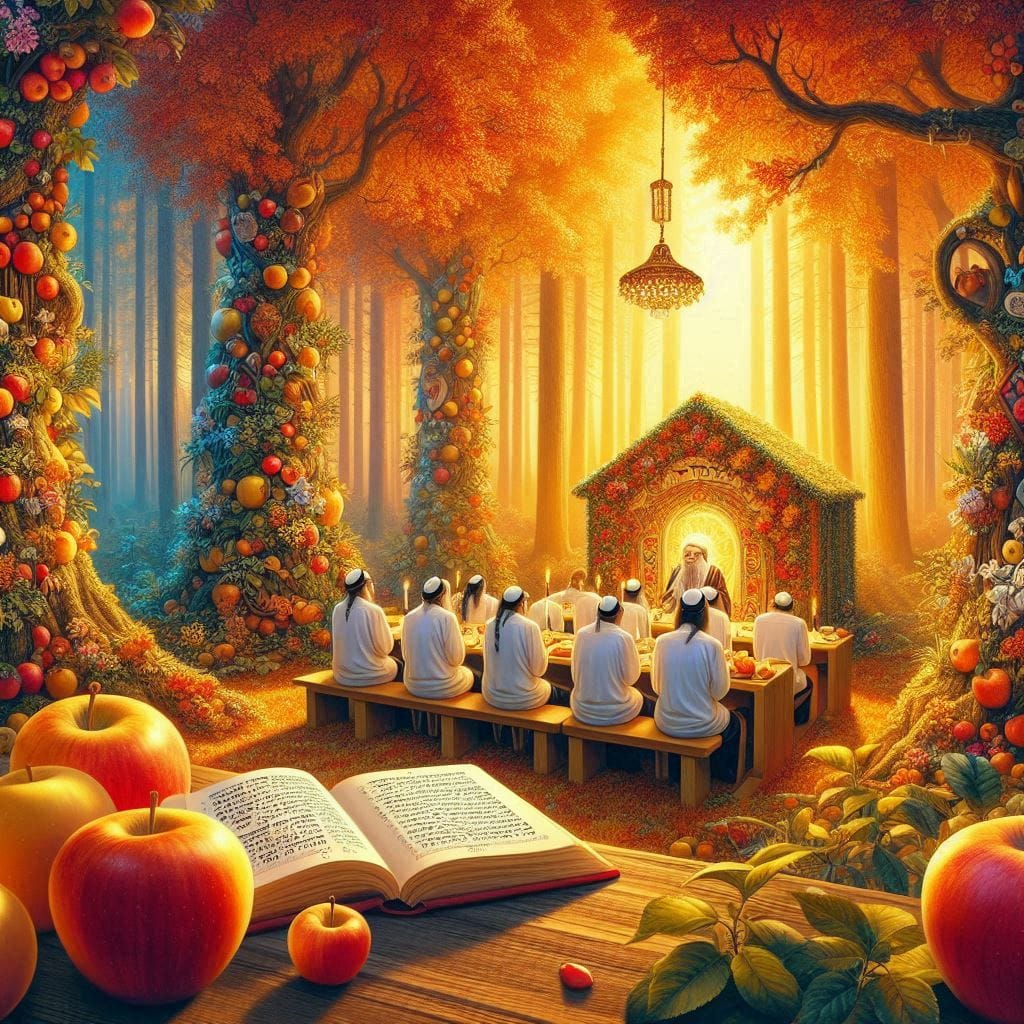
V. Yechezkel: The Language of Rosh Hashanah
Some argue that the phrase Rosh Hashanah is post-biblical. But the language itself appears in Tanakh.
In Yechezkel 40:1, the prophet says that he received a vision “at the beginning of the year” — berosh hashshanah — on the tenth day of the month. The verse is not speaking of the first of Tishrei directly; it refers to the tenth day, understood in relation to Yom Kippur and the Jubilee cycle. Therefore, we must be precise. Yechezkel does not use the phrase as the later Mishnah’s title for the first of Tishrei.
But he does show that the language rosh hashanah is biblical language.
That matters.
When the Mishnah later calls the first of Tishrei Rosh Hashanah, it is not inventing a foreign phrase. It is applying biblical language within the received halachic structure of Israel. The day commanded in Torah as Yom Teru‘ah becomes known in Israel’s lived calendar as Rosh Hashanah, the head of the year for years, shemittah, yovel, planting, and judgment.
Yechezkel also brings the mood of awe. His vision opens a world of measurement, Temple, order, restoration, and divine structure. This is the other side of Rosh Hashanah: not only sweetness, but trembling; not only simanim, but judgment; not only table, but throne.
This is preserved strongly in Ashkenazic tradition, especially in the Machzor, where the prayers press the heart toward awe: who shall live, who shall die, who by water, who by fire, who by peace, who by suffering.
Shaarei Tzafon does not choose between Sephardic joy and Ashkenazic awe.
Both are needed.
The orchard needs sunlight and cold nights.
The soul needs sweetness and trembling.

VI. The Mishnah: Organization, Not Invention
The Mishnah opens Masechet Rosh Hashanah by teaching that there are four new years. The first of Tishrei is the new year for years, for shemittah, for yovel, for planting, and for vegetables.
Anti-rabbinic critics often see this as invention. Shaarei Tzafon answers: this is not invention. This is halachic organization.
The Torah itself contains multiple beginnings. Nisan is the head of the months, because the Exodus establishes Israel’s sacred national calendar. Tishrei functions as the head of the year for other halachic reckonings. Trees have their own new year. Animals have their own tithing cycle. Kings are counted from another point.
This is not contradiction. It is order.
A person who understands farming should understand this immediately. One calendar does not govern everything in the same way. There is a planting season, a harvest season, a fiscal year, a school year, a civil year, and a religious year. Multiple beginnings do not erase one another. They serve different purposes.
The Mishnah does for Torah what careful orchard keeping does for fruit. It distinguishes seasons, categories, obligations, and reckonings. Apples ripen at different times, but all belong to the same orchard. Halachic time has different heads, but all belong to the same covenant.
The rabbis did not create the orchard.
They taught Israel how to walk through it.
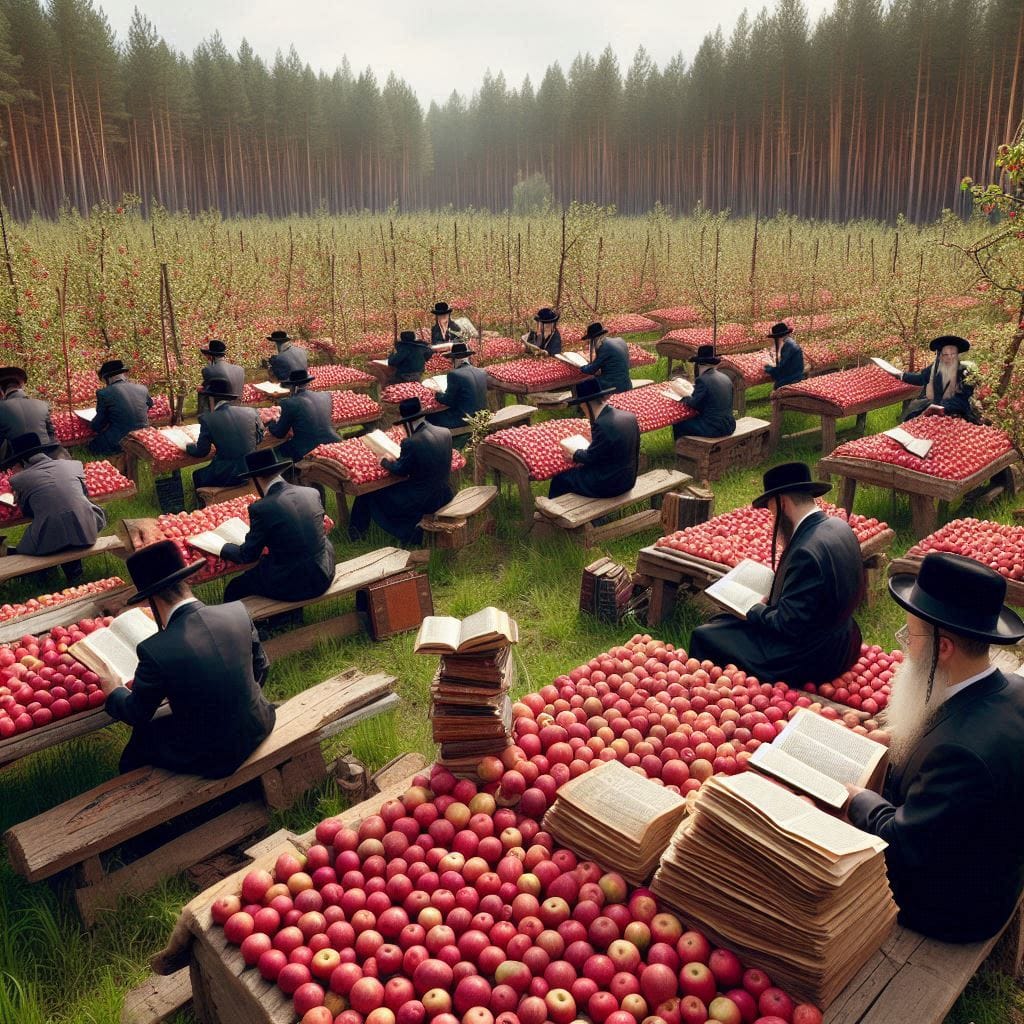
VII. Answering the Common Objections
Shaarei Tzafon does not build its Torah life around arguing with the Karaites or any other anti-rabbinic movement. But where confusion touches Jews, converts, seekers, or families trying to live Torah faithfully, it must be answered clearly.
Objection 1: “It is Yom Teru‘ah, not Rosh Hashanah.”
Answer: Torah commands the day as Yom Teru‘ah. Later Jewish tradition calls it Rosh Hashanah because of its role as the head of the year for certain halachic purposes. The name develops; the sanctity of the day is from Torah.
Objection 2: “Exodus says Nisan is the first month, so Tishrei cannot be Rosh Hashanah.”
Answer: Nisan is the first of the months. That does not prevent Tishrei from being the head of the year for years, judgment, shemittah, yovel, and other reckonings. Tanakh and halachah know more than one kind of “head.”
Objection 3: “The rabbis invented it after exile.”
Answer: The first day of the seventh month is commanded in the Torah. Nehemiah records the people observing the day as holy with Torah reading, explanation, joy, food, and care for the poor. The Mishnah later organizes what was already rooted in Torah and lived by Israel.
Objection 4: “The shofar is a rabbinic addition.”
Answer: The Torah itself calls the day Yom Teru‘ah and Zikhron Teru‘ah. The Oral Torah preserves how that teru‘ah is performed. Psalm 81 also connects shofar, festival, and the hidden moon, which Jewish tradition understands in connection with Rosh Hashanah.
Objection 5: “Biblical faith should reject rabbinic tradition.”
Answer: That is not biblical faith. That is a modern ideology imposed on the Bible. The Torah was given to Israel, lived by Israel, transmitted by Israel, judged by Israel’s courts, explained by Israel’s sages, and preserved through Israel’s covenantal life. To accept the written Torah while rejecting Israel’s received Torah is to take fruit while denying the tree.
Shaarei Tzafon’s answer is simple: we do not bypass the Masorah.
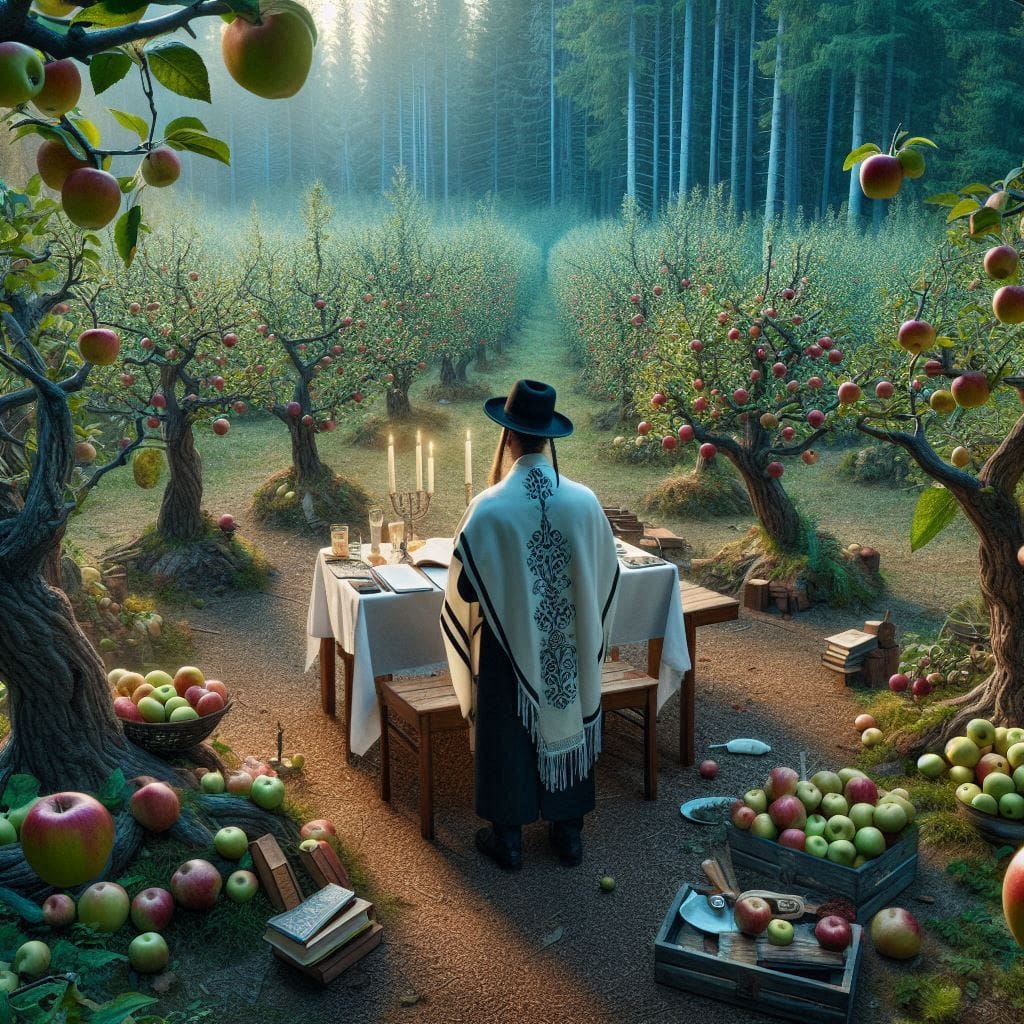
VIII. Sephardic Joy and Ashkenazic Awe
Rosh Hashanah contains two great movements: joy and awe.
From Nehemiah we learn joy: eat, drink, send portions, do not mourn, because the day is holy and the joy of Hashem is your strength.
From the prophetic and liturgical tradition we learn awe: Hashem is King, the world is judged, the books are opened, and every creature passes before Him.
Sephardic tradition often emphasizes the sweetness and confidence of the season. The melodies of Selichot rise with hope. The table is bright with signs of blessing. Judgment is approached as children standing before a Father.
Ashkenazic tradition often emphasizes trembling and majesty. The Machzor gives voice to the smallness of man before the King of the universe. Judgment is approached with awe and tears.
Both are Torah-true.
A Judaism of only sweetness becomes shallow.
A Judaism of only fear becomes crushing.
The apple dipped in honey is the balance. The apple still has firmness. The honey gives sweetness. The day is judgment, but we ask that judgment be sweetened. The King judges, but He is our Father.
At Shaarei Tzafon, this balance matters. Rural Jewish life requires strength, sobriety, and discipline. But it also requires warmth, song, family, hope, and sweetness. The North can be hard. Torah must be firm. But the Jewish home must also be sweet.
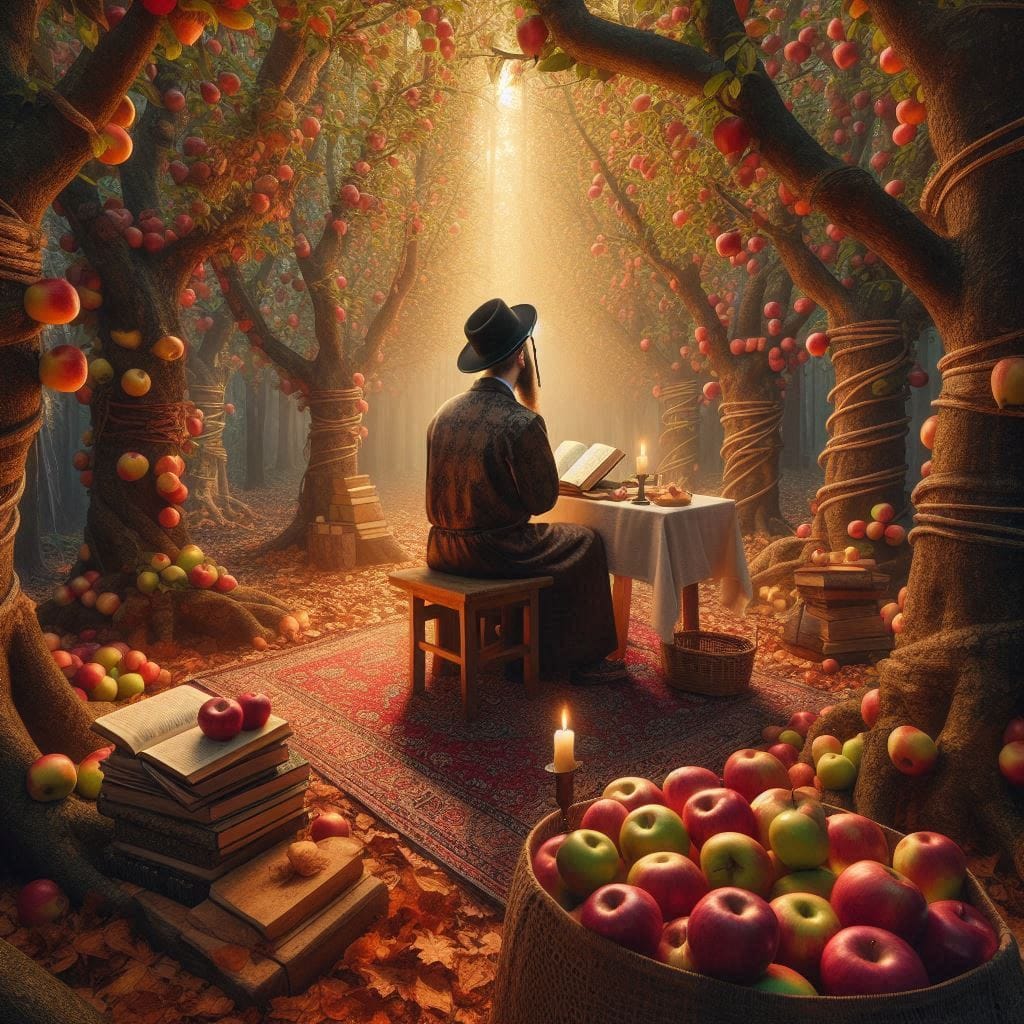
IX. Selichot: Bowing with the Orchard
In Selichot, especially in Sephardic practice, there is a bodily seriousness to prayer. The voice rises. The Thirteen Attributes are recited. The community bends, lowers itself, and places its hope in Hashem’s mercy.
The orchard gives a mashal for this.
As the season advances, the branches become heavy with fruit. They bow toward the earth, not because they are dead, but because they are full. A branch without fruit stands upright and empty. A branch full of apples bends.
So too, a Jew bows in Selichot not from despair, but from fullness: full of memory, full of confession, full of longing, full of dependence on Hashem.
The bowing branch teaches that humility is not failure. It is the posture of fruitfulness.
This is why the Field of Sacred Apples belongs to the season.
The trees are not davening. The apples are not mitzvot. But creation becomes a witness to the avodah of the Jew. It shows the body what the soul must learn: to bend before Hashem and become sweet.

X. The Days of Awe and the Winter Apple
By Rosh Hashanah, the orchard is near its height. Apples are gathered and brought to the table. We dip apple in honey and pray for a good and sweet year. The fruit that began as hard and sour during the Three Weeks has now become part of the prayer of judgment.
On Yom Kippur, the orchard stands in silence. We do not approach the day through food or sweetness. We fast. We confess. We remove the usual comforts of the body. The apples may remain outside, but their sweetness waits beyond the fast. Mercy is present, but the soul must first be emptied.
Then comes Sukkot. The Jew leaves the permanent house and enters the fragile shelter. In the North, this is not theoretical. The cold can already be felt. The sukkah teaches dependence on Hashem in a direct way. It is joy without illusion. It is shelter without arrogance.
And sometimes, after Sukkot, the winter apple ripens.
This late apple is one of the deepest symbols in the Shaarei Tzafon orchard teaching. It says that even after the great season has passed, Hashem’s mercy still reaches the late fruit. A person may awaken after Elul. He may only understand after Yom Kippur. He may only begin to soften after Sukkot. That does not mean he is beyond hope.
No apple ripens by shame.
No soul returns through despair.
The winter apple teaches patience without lowering standards. Halachah remains firm. Teshuvah remains required. But Hashem’s mercy is not limited to our expected calendar of inspiration.
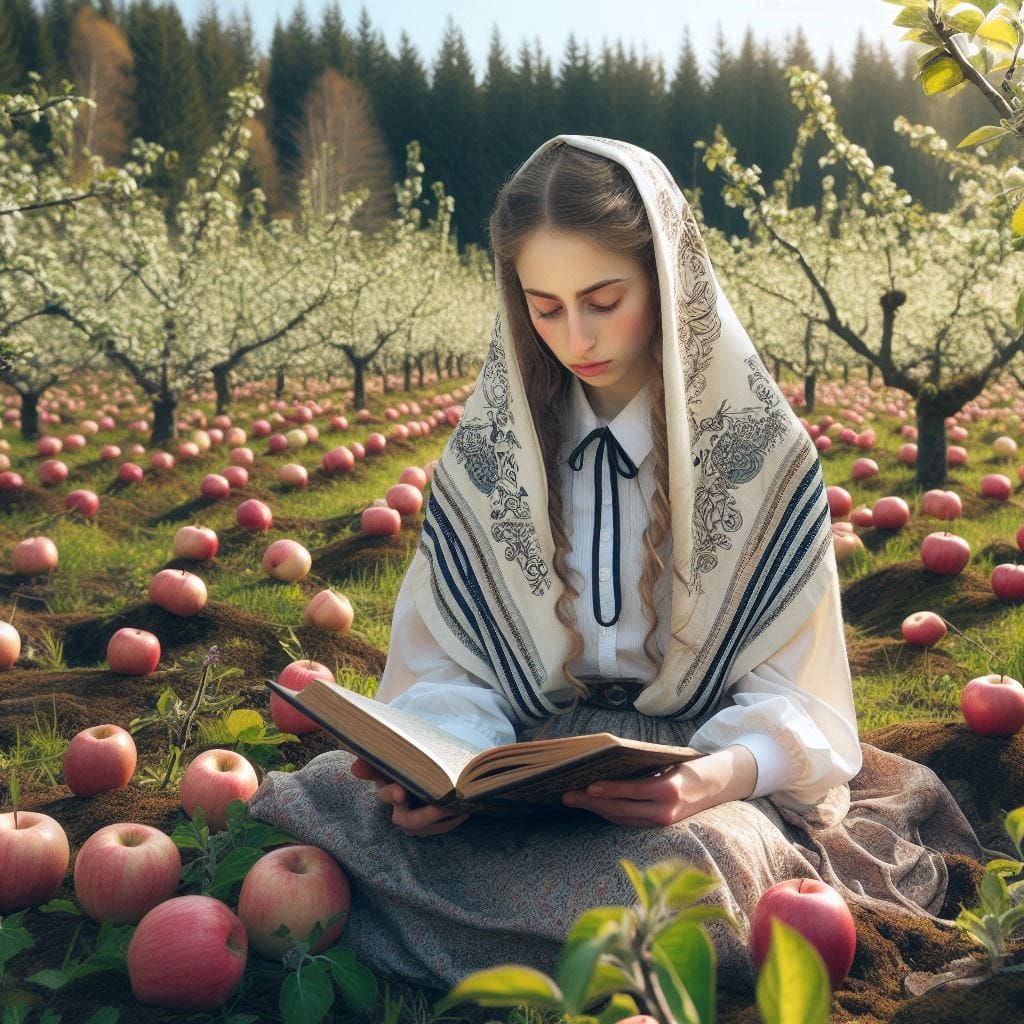
XI. The Orchard as Shaarei Tzafon Mashal
For Shaarei Tzafon, the Field of Sacred Apples is not a replacement for Torah. It is a mashal under Torah.
It teaches:
The summer apple after Tish’a B’Av: sweetness after sorrow.
Tu B’Av: love after destruction.
Shabbat Nachamu: comfort after grief.
Elul: the King in the field.
Rosh Hashanah: judgment sweetened with mercy.
Yom Kippur: silence before purification.
Sukkot: joy under fragile shelter.
The winter apple: mercy for the late returner.
The shared boundary trees: teshuvah touches neighbors, family, and community.
This is the public voice of Shaarei Tzafon: Torah rooted in the North, halachah before poetry, creation as witness, and the Masorah as the path of Israel.
We are not inventing a Northern Judaism. We are living Torah in the North. We do not allow the land to overrule halachah. We allow halachah to teach us how to see the land.
The orchard becomes holy only when it is placed under Torah.
The apple becomes a teacher only when the Jew remains a servant.
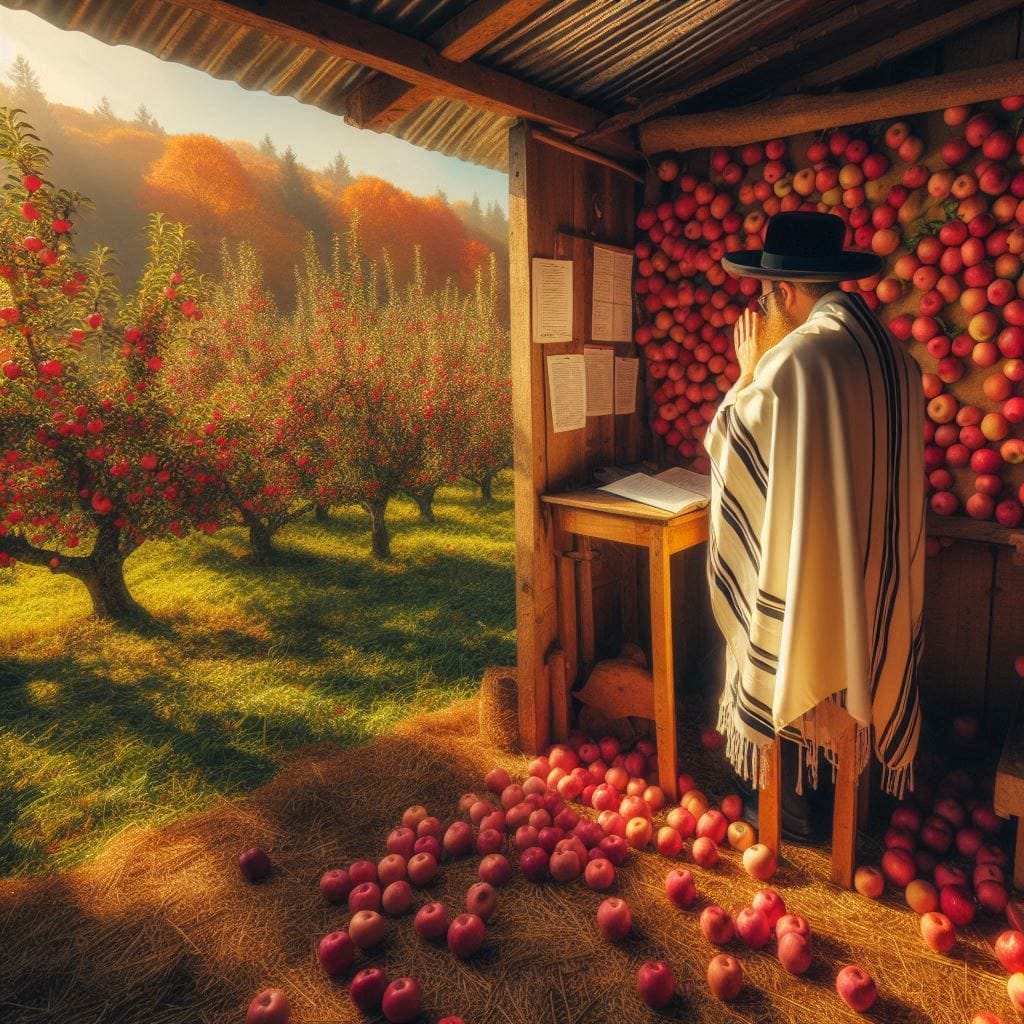
Conclusion: Torah Commands, Tradition Preserves, the Orchard Testifies
The claim that Rosh Hashanah is a rabbinic fiction collapses under the weight of Torah, Tanakh, Mishnah, and lived Jewish continuity.
Torah commands the first day of the seventh month as Yom Teru‘ah.
Nehemiah records the day as holy, joyful, public, and centered on Torah.
Yechezkel preserves the biblical language of rosh hashanah.
The Mishnah organizes the halachic meaning of the day.
The Masorah preserves how Israel lives it.
And the orchard, beneath all of that, testifies through mashal.
The orchard does not prove Rosh Hashanah. Torah proves it.
But the orchard helps us feel what Torah has already commanded.
As apples ripen, may our souls ripen.
As branches bow, may our hearts bow.
As the shofar sounds, may we awaken.
As judgment is written, may it be sweetened.
As the King enters the field, may we return to Him with courage and love.
And may the Field of Sacred Apples below awaken our longing for the Chakal Tapuchin Kadishin above, until all Israel returns, the Shekhinah is lifted from exile, and the whole world is filled with the sweetness of Hashem’s mercy.
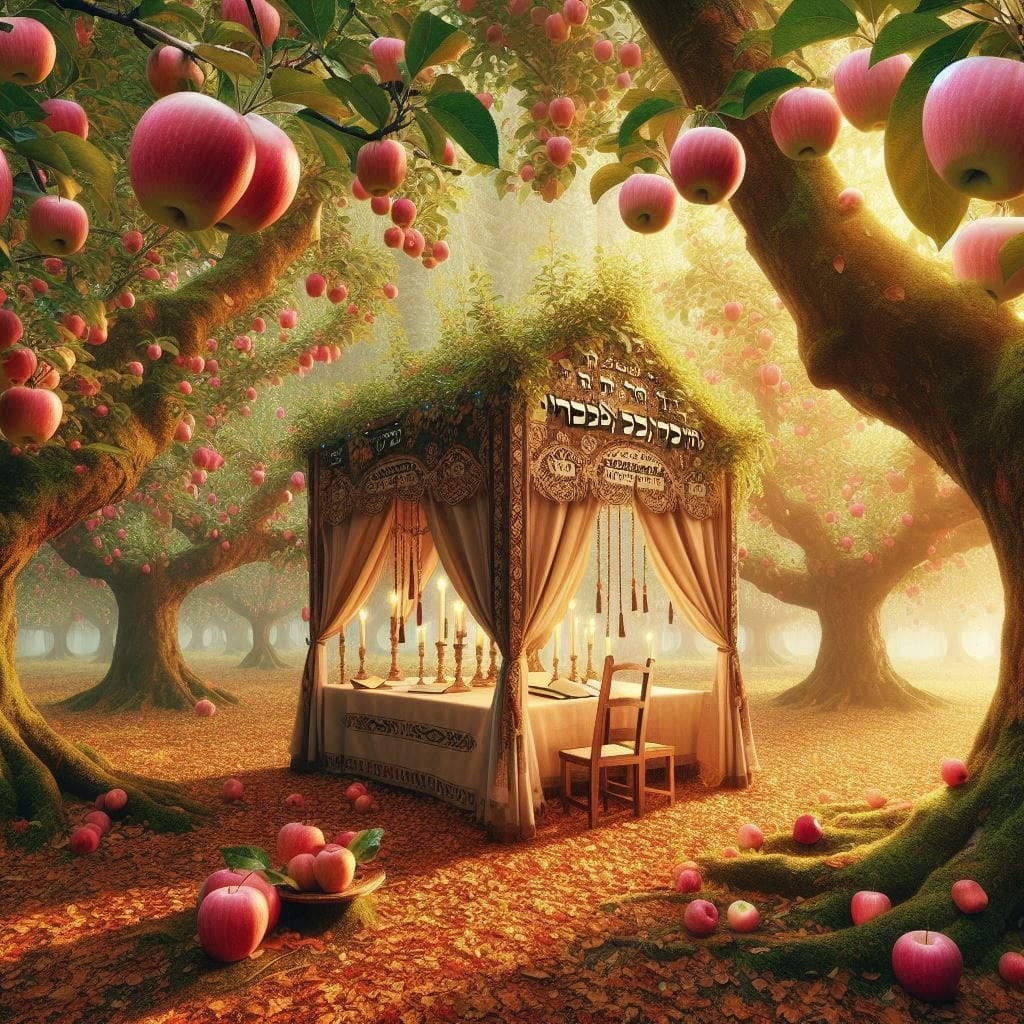
The Foothills of Elul — Part III: Rosh Hashanah, Yom Teru'ah, and the Orchard of Sweetened Judgment
The Foothills of Elul — Part III explores the biblical foundations of Rosh Hashanah, the relationship between Written and Oral Torah, and the spiritual journey from mourning and repentance to Divine judgment, mercy, and renewal.
Beginning with the Seventeenth of Tammuz, Tisha B'Av, Tu B'Av, and Shabbat Nachamu, this Torah teaching follows the Jewish calendar toward Elul and the Days of Awe. Through the imagery of the Field of Sacred Apples, the changing seasons become a reminder of the gradual transformation of the Jewish soul.
Central to this lecture is the relationship between Yom Teru'ah and Rosh Hashanah. Leviticus 23:24 and Numbers 29:1 establish the sanctity of the first day of the seventh month, while Nehemiah 8, Ezekiel 40:1, and Mishnah Rosh Hashanah illuminate the historical, biblical, and halakhic development of the Jewish New Year.
The teaching addresses common objections to rabbinic tradition, explaining how the Oral Torah preserves and interprets the commandments of the Written Torah rather than replacing them.
Particular attention is given to the balance between Sephardic joy and Ashkenazic awe. Rosh Hashanah is a day of genuine judgment, yet it is also a day of hope, covenantal renewal, and confidence in HaShem's mercy.
The apple orchard serves as a spiritual illustration: early apples represent consolation after mourning, the autumn harvest represents the sweetness sought during Rosh Hashanah, and the late winter apple reminds us that the possibility of Teshuvah remains open beyond the Days of Awe.
Throughout the teaching, Torah and Halakhah remain the governing foundations of Jewish observance. The natural world provides meaningful illustrations, but it does not establish religious obligations or replace the received traditions of Israel.
Presented by Rabbi Ariel Manning of Shaarei Tzafon (The North Gate), this lecture contributes to Orthodox Jewish education and Torah study in Alpena, Hillman, Rogers City, and throughout Northeastern Michigan.
Shaarei Tzafon is an independent, family-led Orthodox Jewish educational and publishing initiative, rooted in Northeastern Michigan with a broader educational vision extending from the 45th parallel through the northern boreal regions toward the Arctic.
The essential lesson: Torah establishes the sacred day, Jewish tradition preserves its observance, and the orchard reminds us that even Divine judgment is approached with hope, humility, repentance, and the possibility of sweetness.
Shaarei Tzafon — The North Gate
Orthodox Jewish Life and Torah Study in Northeastern Michigan
Shaarei Tzafon — The North Gate, led by Rabbi Ariel Manning, is an independent, family-led Orthodox Jewish educational and publishing initiative based in Northeastern Michigan. We support traditional Jewish life, Torah study, Halakhah, and Jewish education throughout Alpena, Hillman, Rogers City, and surrounding communities. Those interested in traditional Judaism are welcome to contact us for educational resources, Torah learning, and opportunities for discussion by prior arrangement.
Rooted locally, our greater mission extends northward from the 45th parallel — The North Gate — through Michigan, Canada, and Alaska toward the Arctic. We seek to encourage independent Jewish communities, family-centered Torah education, and the renewal of small batei midrash and shtieblach, preserving the rich traditions of Orthodox Judaism for future generations.
Our work begins in Northeastern Michigan, but our vision extends from the 45th parallel toward the Arctic.
Guided by Rambam and Mori Qafiḥ, uplifted by Rebbe Nachman, and grounded by Avraham ben HaRambam’s balance of halakha and inward avodah.
The Orchard’s Path
publishes our books and curricula.
Our mission: a bright, authentic Jewish presence in every northern town.
Created with ©systeme.io


