
Halachic Authority: Sephardim vs. Ashkenazim
B"H
1. Primary Sources of Halachic Authority
Sephardic Halacha
Rambam’s Mishneh Torah: Sephardim, particularly in classical tradition, prioritize Rambam's Mishneh Torah as a complete, systematic code of Halacha. This reflects a strong legalist approach with minimal reliance on later authorities if the Mishneh Torah is clear.
Shulchan Aruch (Rabbi Yosef Karo, 16th century): Sephardim universally accept the rulings of the Shulchan Aruch as binding, as Rabbi Karo sought to create a definitive halachic code.
Responsa of Sephardic Poskim: Sephardic halacha emphasizes precedent and local tradition, leading to reliance on responsa literature (Teshuvot) from poskim such as:
Rabbi Yitzhak Alfasi (Rif) – whose rulings shape halacha based on practical Talmudic conclusions.
Rabbi Yosef Karo (Bet Yosef, Avkat Rochel) – codified the halacha for Sephardim.
Ben Ish Chai (Rabbi Yosef Chaim of Baghdad) – introduced kabbalistic elements but remained within strict halachic reasoning.
hacham Ovadia Yosef (Yabia Omer, Yechaveh Da’at) – emphasized consistency in following Shulchan Aruch and restored many Sephardic traditions.
Ashkenazic Halacha
Rashi and Tosafot: Ashkenazic halachic rulings are deeply influenced by the dialectical method of the Ba’alei Tosafot, emphasizing pilpul (intricate analytical debate).
The Rosh (Rabbi Asher ben Yehiel, 13th century): The Rosh was a bridge between Sephardic and Ashkenazic traditions. Though his rulings were influenced by the Rif, his legal reasoning set the stage for Ashkenazic halachic methodology.
Rama (Rabbi Moshe Isserles, 16th century): Ashkenazim follow the glosses of the Rama on Shulchan Aruch, which modify Rabbi Karo’s rulings in accordance with Ashkenazic custom.
Aruch HaShulchan (Rabbi Michael Epstein 19th-20th century): Many say this word has more authority than the Mishnah Berurah, because Rabbi Epstien was a posek in his community.
Mishnah Berurah (Rabbi Yisrael Meir Kagan, 19th century): This became the de facto halachic authority for contemporary Ashkenazim, emphasizing stringent approaches.

2. Methodology of Halachic Decision-Making
Sephardic Approach – Codification and Stability
Textual Authority Over Custom – Sephardic poskim tend to follow the original codified halacha unless there is a compelling reason to deviate. The Shulchan Aruch serves as a firm foundation, rather than individual rabbinic customs.
Leniency When Permitted – Sephardic halacha follows the principle “koach dehetera adif” (the power of leniency is preferable) if it aligns with halachic sources.
Minimal Pilpul – Sephardic halacha generally avoids pilpulistic debates that create new stringencies, preferring psak based on clear, straightforward readings of sources.
Ashkenazic Approach – Dialectical Analysis and Custom
Custom as Halachic Authority – Ashkenazim consider minhag (custom) to be binding, even when it diverges from earlier halachic codifications. For example, customs recorded in Sefer HaMinhagim (Maharil) and Magen Avraham hold halachic weight.
Stringency Over Leniency – Ashkenazic halacha tends toward chumrot (stringencies), influenced by Chassidic and Lithuanian schools.
Use of Pilpul – Ashkenazic rulings often include detailed legal arguments that integrate different Talmudic interpretations, even if they complicate the original halacha.

3. Psak Halacha – Who Has the Final Word?
Sephardic Halachic Authority
Rabbi Yosef Karo and Rambam are generally the final word in Sephardic psak halacha.
Rabbi Ovadia Yosef emphasized the return to Shulchan Aruch as the central halachic authority, discouraging the adoption of Ashkenazic chumrot.
Sephardim are less likely to create new chumrot unless mandated by earlier authorities.
Ashkenazic Halachic Authority
The Rama’s glosses define Ashkenazic halacha, even when they diverge from Shulchan Aruch.
Later Ashkenazic authorities (e.g., Mishnah Berurah) often override previous rulings through layered commentary.
There is greater flexibility for new halachic interpretations, often leading to increased stringencies.

4. Stringency vs. Leniency in Practice
Waiting Between Meat and Dairy: Sephardim follow one hour (Dutch minhag), three hours (German traditions), or six hours (Rambam). Ashkenazim commonly require six hours, with some waiting even longer.
Kitniyot on Pesach: Sephardim permit it, while Ashkenazim prohibit it based on minhag.
Glass Dishes: Sephardim hold that glass does not absorb, allowing interchangeability between meat and dairy; Ashkenazim treat glass like other materials.
Hair Covering for Married Women: Sephardim generally allow a simple head covering, while Ashkenazim require full sheitels or full coverage.
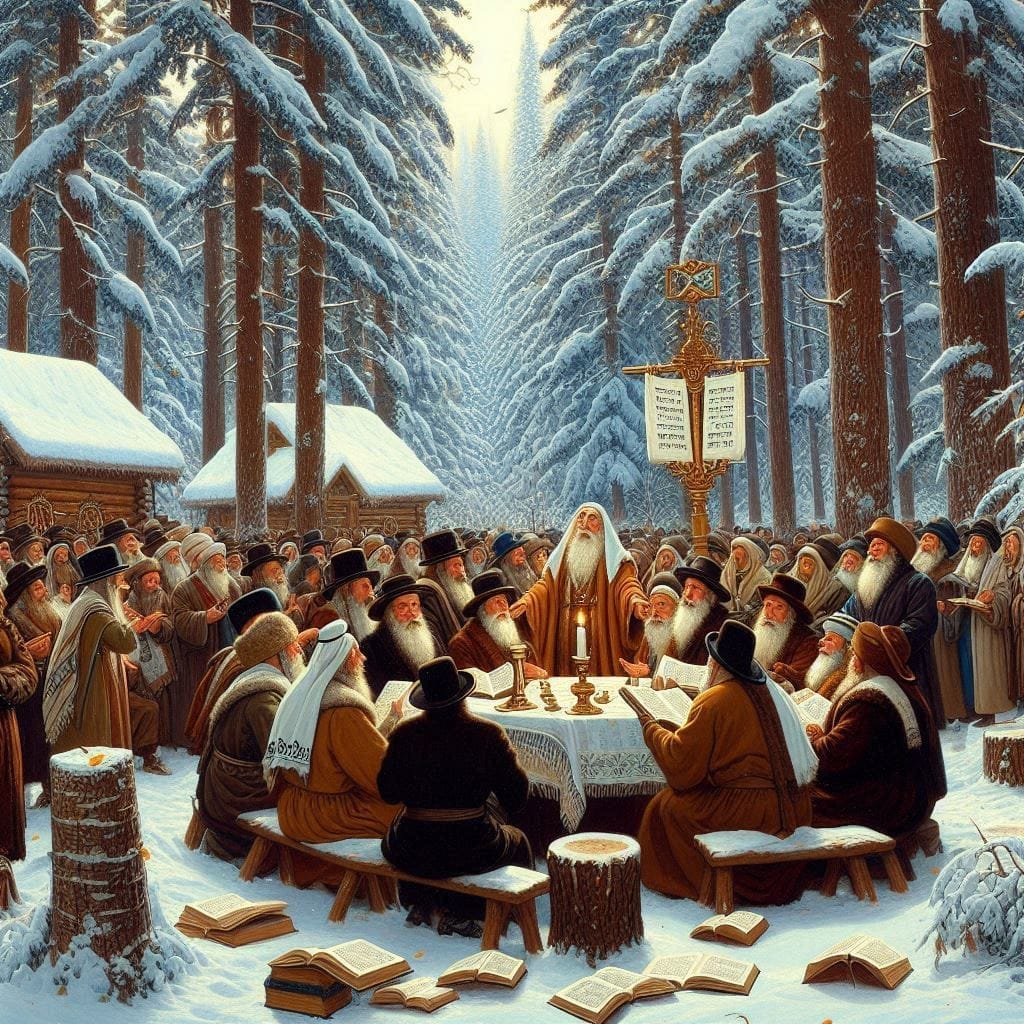
Sephardic Halacha has historical primacy due to its reliance on Mishnah Torah, Shulchan Aruch, and the Rif, which prioritize the most straightforward application of Halacha.
Ashkenazic Halacha is more flexible in allowing customs to override textual rulings, leading to both leniencies and stringencies based on later interpretations.
Modern Influence: Rabbi Ovadia Yosef reasserted Sephardic halachic independence, pushing against Ashkenazic minhagim dominating Sephardic communities.

Conclusion: Who Has the Stronger Halachic Tradition?
If we judge by adherence to classical halachic codes, Sephardic halacha is stronger, as it maintains fidelity to Mishneh Torah and Shulchan Aruch without allowing later customs to override.
However, Ashkenazic halacha dominates in many Orthodox circles due to the widespread influence of the Mishnah Berurah, Chassidic minhagim, and Lithuanian yeshivot.
Thus, Sephardic halacha is more stable, while Ashkenazic halacha is more dynamic—both having their strengths.

Halakhic Authority, Torah, and the Northern Jewish Tradition
At Shaarei Tzafon — The North Gate, we believe that traditional Orthodox Jewish life must remain firmly grounded in the authority of Torah and Halakhah while recognizing the legitimate diversity of Jewish legal traditions.
Here in Northeastern Michigan, including Alpena, Hillman, Rogers City, and surrounding communities, our educational work encourages Jewish individuals and families to study the sources of Halakhah rather than assume that the customs or rulings of one particular community must automatically govern every Jewish household.
The differences between Sephardic and Ashkenazi halakhic authority provide an important example.
Throughout Jewish history, Sephardic, Ashkenazi, Yemenite, German, Dutch, and other Jewish communities developed distinct methodologies for interpreting and applying Jewish law.
The writings of Rambam, the Rif, Rabbi Yosef Karo, the Rema, the Rosh, and later halakhic authorities demonstrate the richness of this legal inheritance. Although their conclusions sometimes differ, their work remains rooted in the Torah, Mishnah, Talmud, and the accumulated jurisprudence of Jewish tradition.
Our approach places particular emphasis upon the classical halakhic methodology of Rambam and the Geonim, while recognizing the legitimate contributions of Ashkenazi and Sephardi authorities and respecting the inherited customs of Jewish communities.
We believe it is essential to distinguish between binding commandments, rabbinic legislation, established legal rulings, communal customs, and additional personal stringencies.
This does not mean that individuals may disregard established Halakhah or simply select whichever ruling is most convenient. Rather, responsible Jewish learning requires understanding the authority behind each ruling, the circumstances in which it applies, and the obligations created by legitimate communal traditions.
This understanding becomes especially important for Jewish families living in rural northern regions, where access to established Orthodox communities may be limited and families encounter different Jewish traditions through books, correspondence, and online Torah study.
The wider mission of Shaarei Tzafon extends northward
from the 45th parallel — our symbolic North Gate — through Michigan, Canada, and Alaska toward the Arctic.
We seek to encourage the development of independent batei midrash, small traditional Jewish communities, and family-centered Torah education, where Jewish families can preserve their inherited minhagim without surrendering their religious identity to the customs of another community.
Our purpose is not to diminish Sephardic or Ashkenazi authority, nor to establish a new system of Jewish law, but to encourage serious engagement with the classical sources and responsible application of Halakhah.
We believe that the preservation of Judaism requires more than mechanical imitation. It requires knowledge, fidelity to Torah, respect for legitimate authority, and an understanding of the extraordinary legal traditions entrusted to the Jewish people.
Jewish unity does not require uniformity in every halakhic custom. It requires fidelity to Torah, respect for legitimate rabbinic authority, and the preservation of Jewish life within the framework of Halakhah.
Shaarei Tzafon — The North Gate
Orthodox Jewish Life and Torah Study in Northeastern Michigan
Shaarei Tzafon — The North Gate, led by Rabbi Ariel Manning, is an independent, family-led Orthodox Jewish educational and publishing initiative based in Northeastern Michigan. We support traditional Jewish life, Torah study, Halakhah, and Jewish education throughout Alpena, Hillman, Rogers City, and surrounding communities. Those interested in traditional Judaism are welcome to contact us for educational resources, Torah learning, and opportunities for discussion by prior arrangement.
Rooted locally, our greater mission extends northward from the 45th parallel — The North Gate — through Michigan, Canada, and Alaska toward the Arctic. We seek to encourage independent Jewish communities, family-centered Torah education, and the renewal of small batei midrash and shtieblach, preserving the rich traditions of Orthodox Judaism for future generations.
Our work begins in Northeastern Michigan, but our vision extends from the 45th parallel toward the Arctic.
Guided by Rambam and Mori Qafiḥ, uplifted by Rebbe Nachman, and grounded by Avraham ben HaRambam’s balance of halakha and inward avodah.
The Orchard’s Path
publishes our books and curricula.
Our mission: a bright, authentic Jewish presence in every northern town.
Created with ©systeme.io


