
Mikra Series, Part One הַתּוֹרָה מִמֹּשֶׁה —
B"H
The Torah from Moshe: From Written Torah to Living Halacha
1. The Claim: Judaism Begins with Moshe, Not Invention
The first foundation of Judaism is this:
הַתּוֹרָה מִמֹּשֶׁה — HaTorah mi-Moshe — the Torah from Moshe.
This does not mean Moshe invented the Torah. Heaven forbid. It means the Torah was given by ה׳ (HaShem) through Moshe Rabbeinu to Israel. Moshe is the faithful vessel, the prophetic servant, the one through whom Israel receives the divine covenant.
Judaism does not begin with later rabbis. Judaism does not begin with medieval commentary. Judaism does not begin with philosophy, mysticism, Hasidism, Sephardic minhag, Ashkenazic minhag, or modern movements. All of those stand downstream.
The beginning is Sinai.
The beginning is revelation.
The beginning is commandment.
The beginning is:
“Moshe commanded us the Torah, an inheritance of the congregation of Yaakov.”
Devarim / Deuteronomy 33:4
This is not a decorative verse. It is the constitutional sentence of Israel. The Torah is not a private inspiration. It is not merely ancient literature. It is not an ethnic artifact. It is the inheritance of קְהִלַּת יַעֲקֹב — kehillat Yaakov, the congregation of Jacob.
That means Torah belongs to Israel as covenant, law, worship, memory, and national identity. Whoever wants to understand Judaism must begin here.
Not with speculation.
Not with polemics against Judaism.
Not with later religious claims.
Not with self-made Bible religion.
Begin with Moshe.
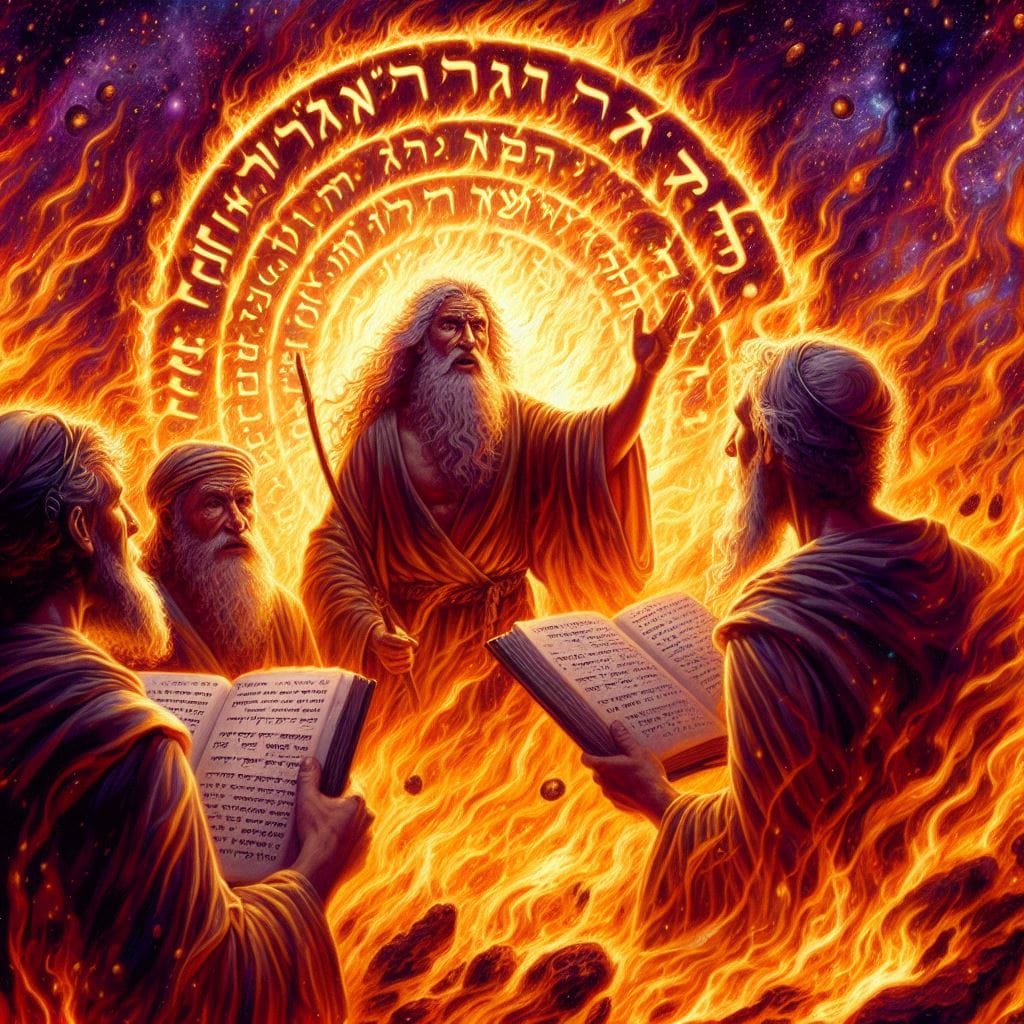
2. The Torah Testifies to Its Own Origin
The Written Torah repeatedly presents Moshe as the one commanded by HaShem to teach Israel.
In Shemot / Exodus 24:12, HaShem says to Moshe:
“Come up to Me on the mountain and be there, and I will give you the tablets of stone, and the Torah and the commandment that I have written, to teach them.”
This verse gives us the pattern:
HaShem speaks.
Moshe receives.
Torah is given.
Commandment is taught.
Israel is obligated.
The Torah is not merely “believed.” It is taught. It is not merely “felt.” It is commanded. It is not merely “read.” It is guarded and performed.
Again and again the Torah says, “HaShem spoke to Moshe, saying.” This repeated formula is not accidental. It establishes the authority chain. The mitzvot come from HaShem through Moshe to Israel.
At the end of the Torah, Moshe writes the Torah and gives it to the Kohanim and elders:
“And Moshe wrote this Torah and gave it to the priests, the sons of Levi, who carried the ark of the covenant of HaShem, and to all the elders of Israel.”
Devarim / Deuteronomy 31:9
This is vital. The Torah is not left as a vague memory. It is written. It is entrusted. It is given to the national teachers and leaders of Israel. Written Torah already carries within it a structure of transmission.
3. The Torah Cannot Be Subtracted From
The Torah also protects itself from religious revision.
“You shall not add to the word that I command you, nor shall you subtract from it, to keep the commandments of HaShem your God.”
Devarim / Deuteronomy 4:2
And again:
“Everything that I command you, that you shall guard to do; you shall not add to it, and you shall not subtract from it.”
Devarim / Deuteronomy 13:1
This destroys every claim that Torah can be abolished, replaced, spiritualized away, or reduced to symbolism.
You cannot subtract Shabbat and call that Torat Moshe.
You cannot subtract kashrut and call that Torat Moshe.
You cannot subtract circumcision, festivals, purity, courts, halachic obedience, and Israel’s covenantal discipline and still claim to be preserving Torah.
A non-Jew may be righteous. A God-fearer among the nations may be beloved before Heaven. A traditional Christian, Muslim, or moral Gentile may live with reverence toward God according to his path. But no one may create a Frankenstein religion from Jewish symbols while rejecting Jewish law and then claim it is the original Torah.
The Torah says do not subtract.
That is the wall.
That is the boundary.
That is the first polemic.
4. The Prophet’s Job Is to Reiterate Torah
Now we move from the Torah to the Nevi’im, the Prophets.
The prophets do not create a new religion. They do not replace Moshe. They do not abolish Torah. They do not preach against halacha. Their task is to call Israel back to covenant faithfulness.
This begins immediately in Yehoshua / Joshua.
After Moshe dies, HaShem tells Yehoshua:
“Only be strong and very courageous, to guard and do according to all the Torah that Moshe My servant commanded you. Do not turn from it right or left.”
Yehoshua / Joshua 1:7
And then:
“This book of the Torah shall not depart from your mouth; you shall meditate on it day and night, so that you may guard to do according to all that is written in it.”
Yehoshua / Joshua 1:8
This is the first prophetic transition after Moshe. The command is not: “Move beyond Moshe.” The command is: “Guard the Torah of Moshe.”
The prophet’s job is not religious creativity. The prophet’s job is covenant enforcement.
This continues throughout Nevi’im. The prophets rebuke idolatry, injustice, corruption, false worship, and moral collapse because Israel has violated Torah. They do not condemn Torah. They condemn hypocrisy.
A prophet who calls Israel away from Torah is not a biblical prophet. He is a false prophet.
5. The Kings Are Measured by Torah
The Torah commands that a king write a Torah scroll and read from it all his life:
“And it shall be, when he sits upon the throne of his kingdom, he shall write for himself a copy of this Torah in a book… and it shall be with him, and he shall read from it all the days of his life.”
Devarim / Deuteronomy 17:18–19
The king is not above Torah.
The king bows to Torah.
The king is judged by Torah.
This is why the books of Melakhim / Kings constantly measure rulers by whether they walked in the ways of HaShem or in the sins of idolatry and rebellion.
When King Yoshiyahu hears the rediscovered Torah scroll, he tears his garments:
“And it was, when the king heard the words of the book of the Torah, he tore his garments.”
II Melakhim / 2 Kings 22:11
Why? Because Torah is binding. It exposes failure. It demands repentance.
Then the covenant is renewed:
“And the king stood by the pillar and made a covenant before HaShem, to walk after HaShem and to guard His commandments, His testimonies, and His statutes.”
II Melakhim / 2 Kings 23:3
The national repair is not innovation. It is return.
Return to Torah.
Return to mitzvot.
Return to HaTorah mi-Moshe.
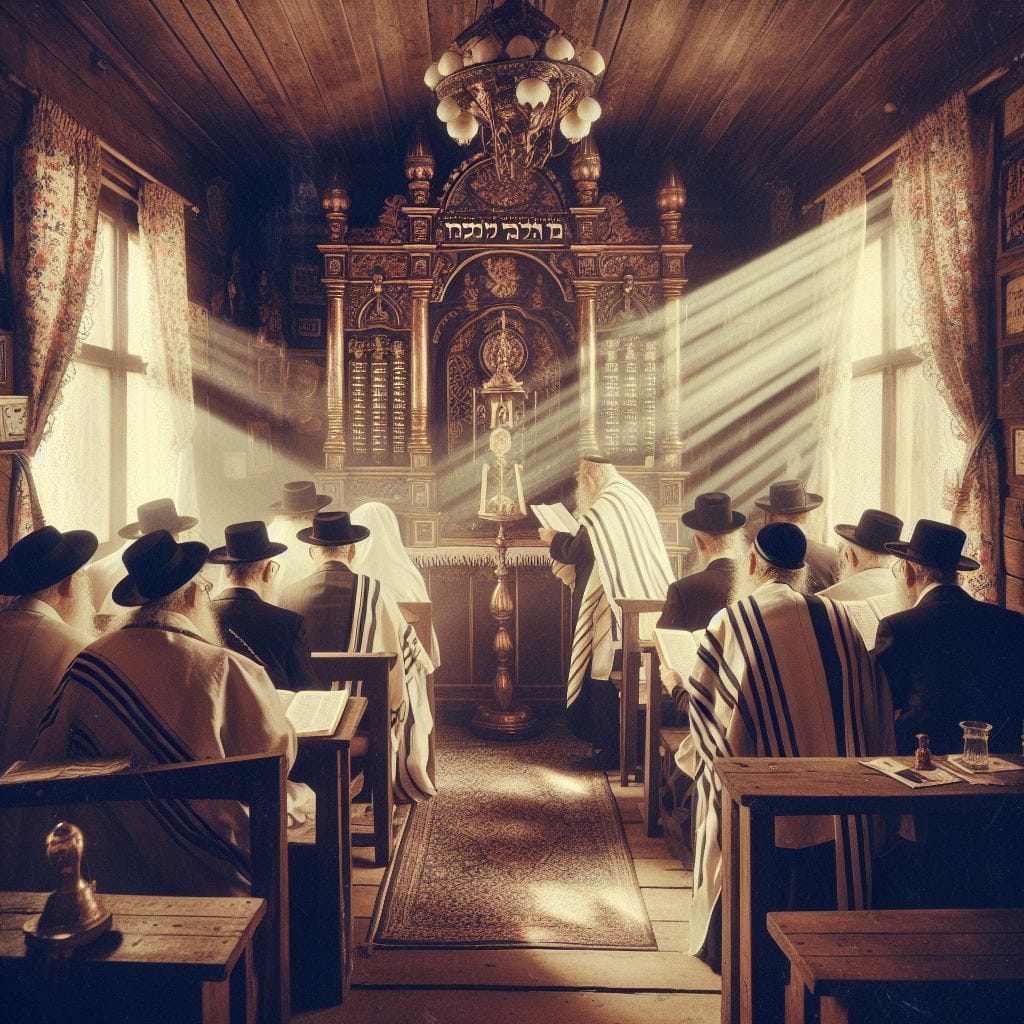
6. The Ketuvim Sing the Torah
The Ketuvim, the Writings, continue the same witness.
Tehillim begins:
“His delight is in the Torah of HaShem, and in His Torah he meditates day and night.”
Tehillim / Psalm 1:2
The doorway into the prayer book of Israel is Torah.
Psalm 119 says:
“Your word is a lamp to my feet and a light to my path.”
Tehillim / Psalm 119:105
Torah is light, but not vague light. It is light for the path. It governs walking, choosing, building, judging, eating, praying, resting, marrying, mourning, celebrating, and living.
Mishlei says:
“My son, hear the instruction of your father, and do not forsake the Torah of your mother.”
Mishlei / Proverbs 1:8
This shows Torah as household transmission. Torah is not only preserved in scrolls. It is preserved in fathers, mothers, families, teachers, elders, communities, and lived practice.
Kohelet concludes:
“The end of the matter, all having been heard: fear God and guard His commandments, for this is the whole of man.”
Kohelet / Ecclesiastes 12:13
The end of wisdom is not lawlessness.
The end of wisdom is yirat Shamayim and mitzvot.
Fear God.
Guard His commandments.
That is the whole man.
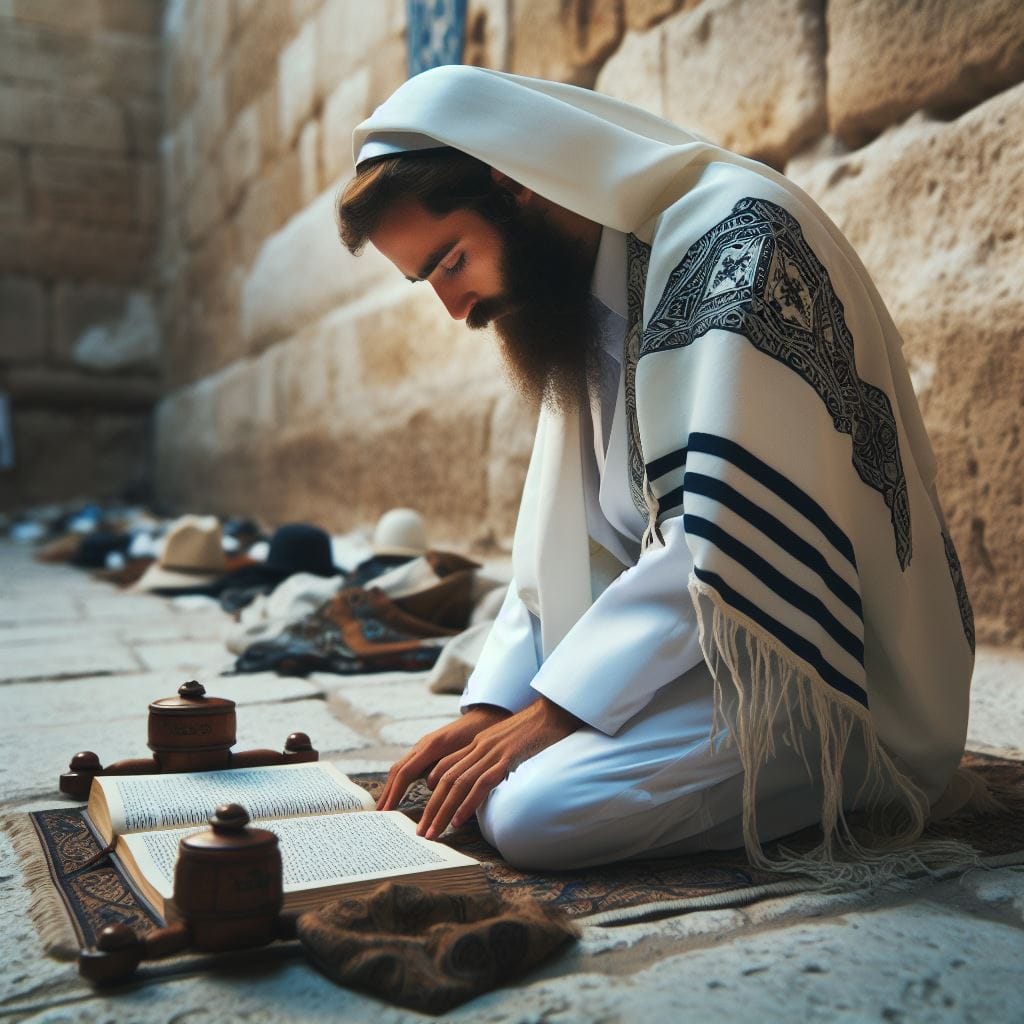
7. Ezra and Nechemiah: Written Torah Requires Explanation
Now we come to one of the strongest bridges between Mikra and later Torah tradition: Ezra and Nechemiah.
The people ask Ezra to bring the Torah:
“And they said to Ezra the scribe to bring the book of the Torah of Moshe, which HaShem had commanded Israel.”
Nechemiah / Nehemiah 8:1
This verse is magnificent. It says:
There is a book.
It is the Torah.
It is from Moshe.
It was commanded by HaShem.
It belongs to Israel.
Then Ezra reads publicly. But reading alone is not enough:
“And they read in the book, in the Torah of God, clearly, and they gave the sense, and they caused them to understand the reading.”
Nechemiah / Nehemiah 8:8
Here we see the root of the Oral Torah structure. The Torah is read, clarified, explained, translated, and applied.
The Written Torah does not function as a dead book thrown into the hands of isolated individuals. It is read within Israel, by teachers of Israel, with explanation for Israel.
This is not yet the Mishnah as a written work. But it is already the living reality behind Mishnaic Judaism: Torah requires interpretation, transmission, and practical application.
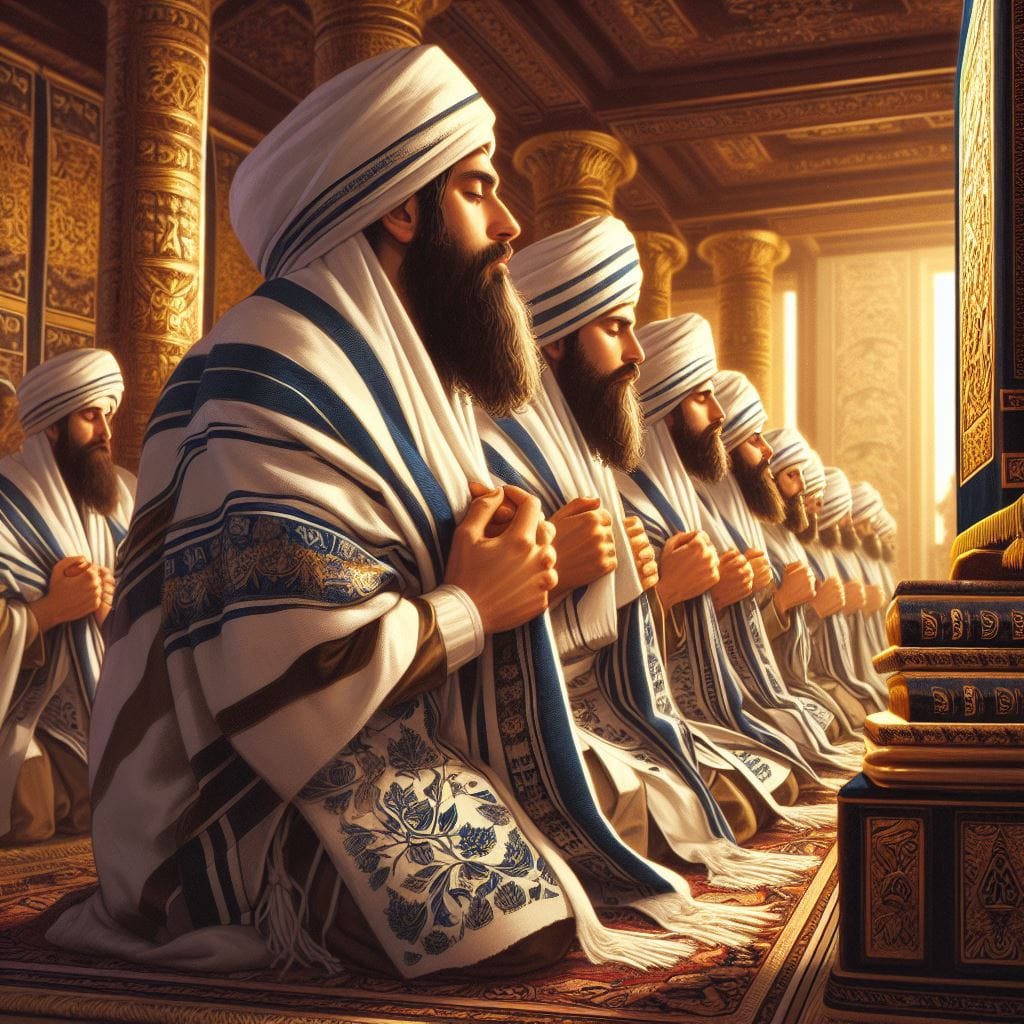
8. Philo and Josephus: Second Temple Witnesses
Now we move outside the Tanakh, but still before the Mishnah, into Second Temple Jewish witnesses: Philo and Josephus.
Philo of Alexandria, writing in the first century, treats Moshe as the supreme lawgiver and prophet of Israel. In works such as On the Life of Moses, Philo presents Moshe as the teacher of divine law, the one through whom Israel receives its constitution. Even when Philo uses Greek philosophical language, he does not erase Torah. He magnifies Moshe as the vessel of divine wisdom and law.
Josephus likewise presents Jewish life as centered on the laws of Moshe. In Antiquities of the Jews and Against Apion, Josephus argues to the Greco-Roman world that the Jewish people are ancient, lawful, disciplined, and governed by the Torah given through Moshe. He defends the antiquity of the Jewish nation and the authority of Jewish law.
This matters polemically.
Before the Mishnah is compiled, before the Talmud is formed, before medieval rabbinic codes, Jewish identity is already publicly known as obedience to the laws of Moshe.
Philo knows this.
Josephus knows this.
The nations know this.
The Jewish people know this.
So the claim that “rabbinic Judaism invented Torah obedience later” collapses. Second Temple Jewish sources already testify that Torah law, Moshe, commandment, interpretation, and national practice are the heart of Judaism.
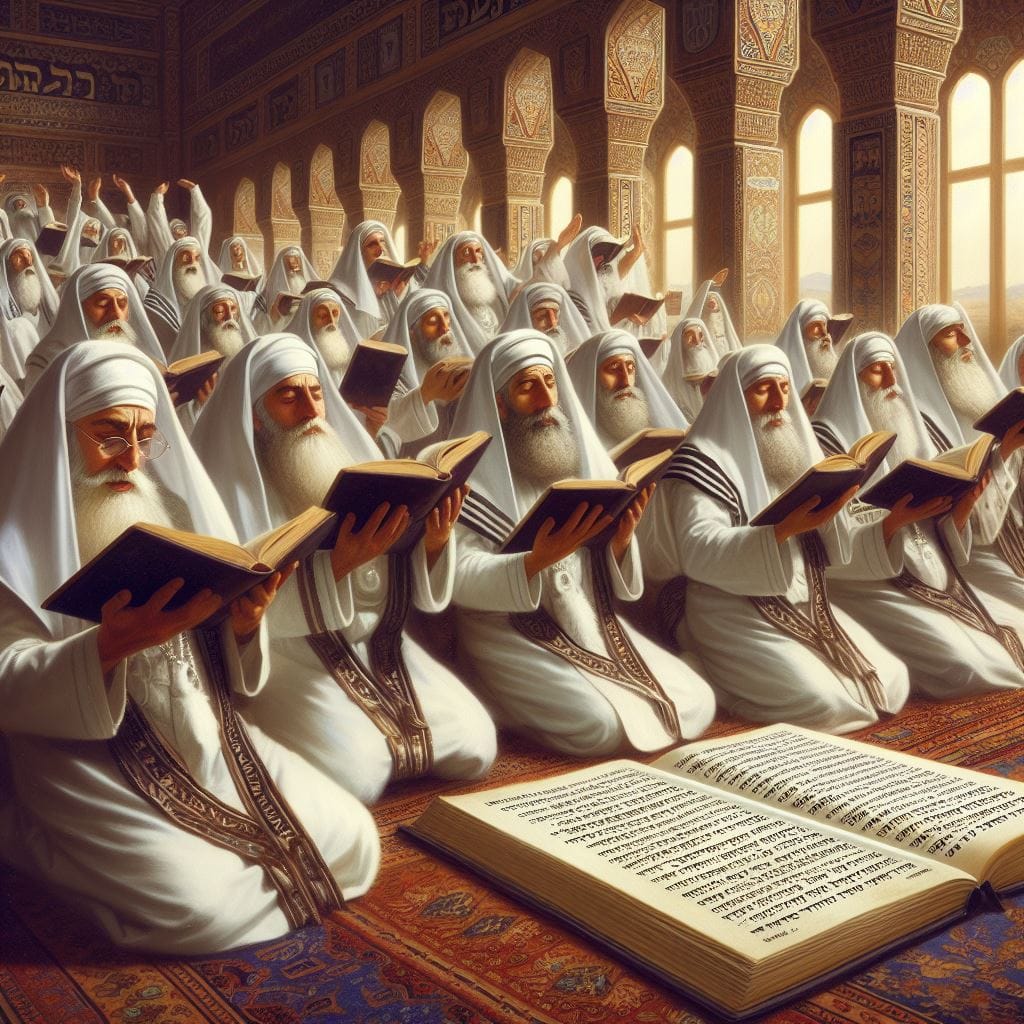
9. Mishnaic Literature: The Oral Torah Becomes Organized
Now we come to Mishnaic literature.
The Mishnah does not claim to invent Torah. It organizes the received legal tradition of Israel. It preserves halachic categories, debates, rulings, practices, and applications that flow from the Torah of Moshe.
Pirkei Avot opens:
“Moshe received Torah from Sinai and transmitted it to Yehoshua; Yehoshua to the elders; the elders to the prophets; and the prophets transmitted it to the Men of the Great Assembly.”
Mishnah Avot 1:1
This is not decorative. It is a chain-of-transmission claim.
The Mishnah is saying: we are not starting a new religion. We are receiving, preserving, organizing, and transmitting the Torah that began at Sinai.
This also explains why the Mishnah is filled with practical halacha: agriculture, festivals, marriage, damages, courts, sacrifices, purity, vows, Shabbat, eruvin, blessings, and civil life.
The Mishnah is not abstract theology. It is Torah becoming lived order.
And this is exactly what we should expect. The Written Torah commands real life. Therefore, the Oral Torah must address real life.
How do we keep Shabbat?
How do we define damages?
How do we perform divorce?
How do we observe festivals?
How do we identify forbidden labor?
How do we preserve testimony?
How do we adjudicate disputes?
How do we bless?
How do we sanctify time?
The Mishnah answers as the legal memory of Israel.
10. The Unmovable Conclusion: No Moshe, No Judaism
The polemic is simple and unbreakable:
Judaism begins with HaTorah mi-Moshe.
The Torah testifies that HaShem commanded Israel through Moshe.
The Torah forbids adding and subtracting.
The Nevi’im call Israel back to Moshe.
The kings are judged by Torah.
The Ketuvim delight in Torah.
Ezra and Nechemiah restore Torah through reading and explanation.
Philo and Josephus testify that Second Temple Judaism centered on Moshe and his laws.
The Mishnah organizes the living tradition that flows from Sinai.
Therefore, Torah Judaism is not a late invention.
It is not a rabbinic counterfeit.
It is not “man-made religion” replacing biblical faith.
It is the covenantal continuity of Israel.
The Written Torah is the foundation.
The Oral Torah is the explanation.
Halacha is the application.
Israel is the vessel.
This is why no one gets to bypass Moshe.
A prophet cannot bypass Moshe.
A preacher cannot bypass Moshe.
A philosopher cannot bypass Moshe.
A mystic cannot bypass Moshe.
A modern movement cannot bypass Moshe.
A Jewish-flavored religious invention cannot bypass Moshe.
The moment Moshe is removed, Judaism is no longer Judaism.
The moment Torah is reduced to inspiration without commandment, Judaism is gutted.
The moment halacha is dismissed, Torah becomes a museum artifact instead of a living covenant.
So we begin the Mikra Series here:
הַתּוֹרָה מִמֹּשֶׁה — HaTorah mi-Moshe
The Torah from Moshe.
From HaShem at Sinai.
Through Moshe to Israel.
Guarded by the prophets.
Sung by the writings.
Witnessed in Second Temple Judaism.
Organized by the Mishnah.
Lived through halacha.
This is the foundation.
This is the inheritance.
This is Torah.
This is Judaism.
Torah from Sinai to Northeastern Michigan — A Living Tradition
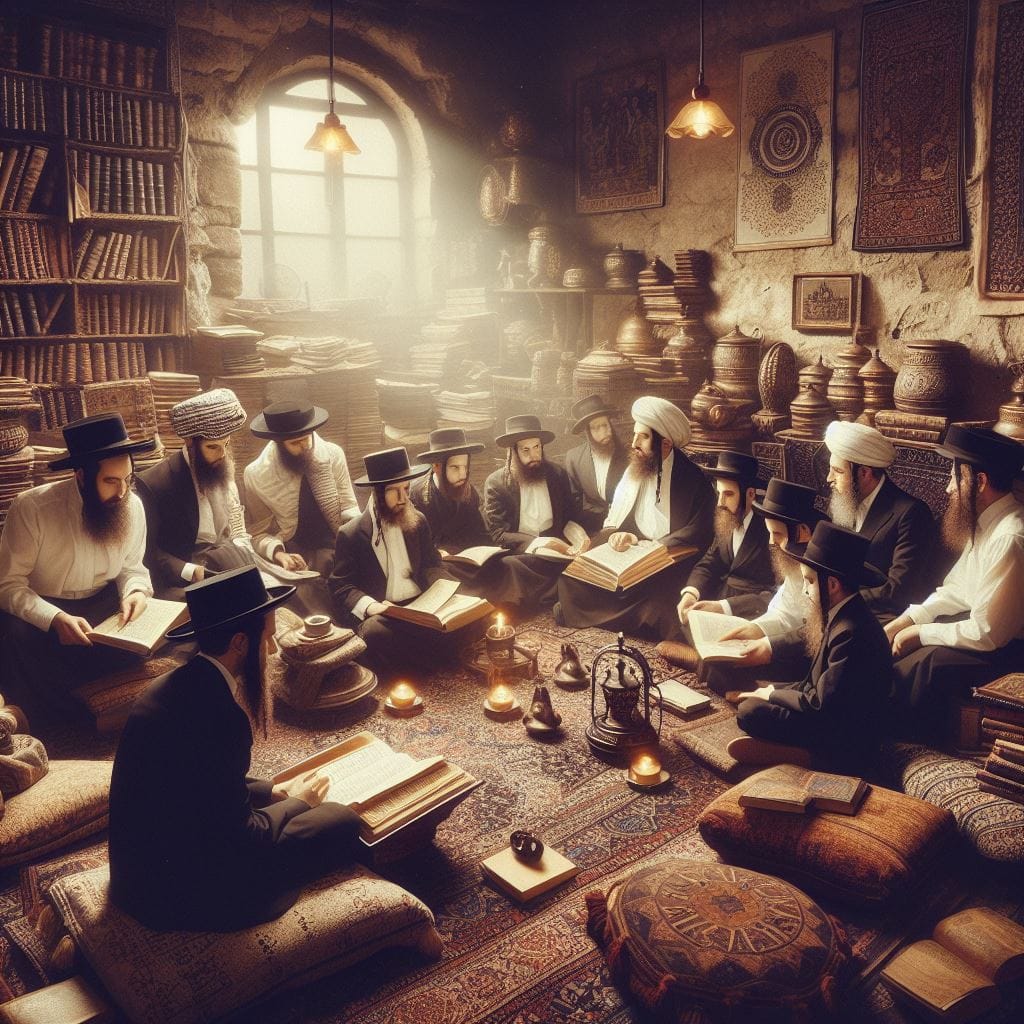
The transmission of Torah did not end with the closing of the biblical canon, the compilation of the Mishnah, or the great academies of the Talmud. The inheritance of Moshe continues wherever Jewish individuals and families study, observe, and transmit the commandments of HaShem.
At Shaarei Tzafon — The North Gate, this principle guides our work in Northeastern Michigan.
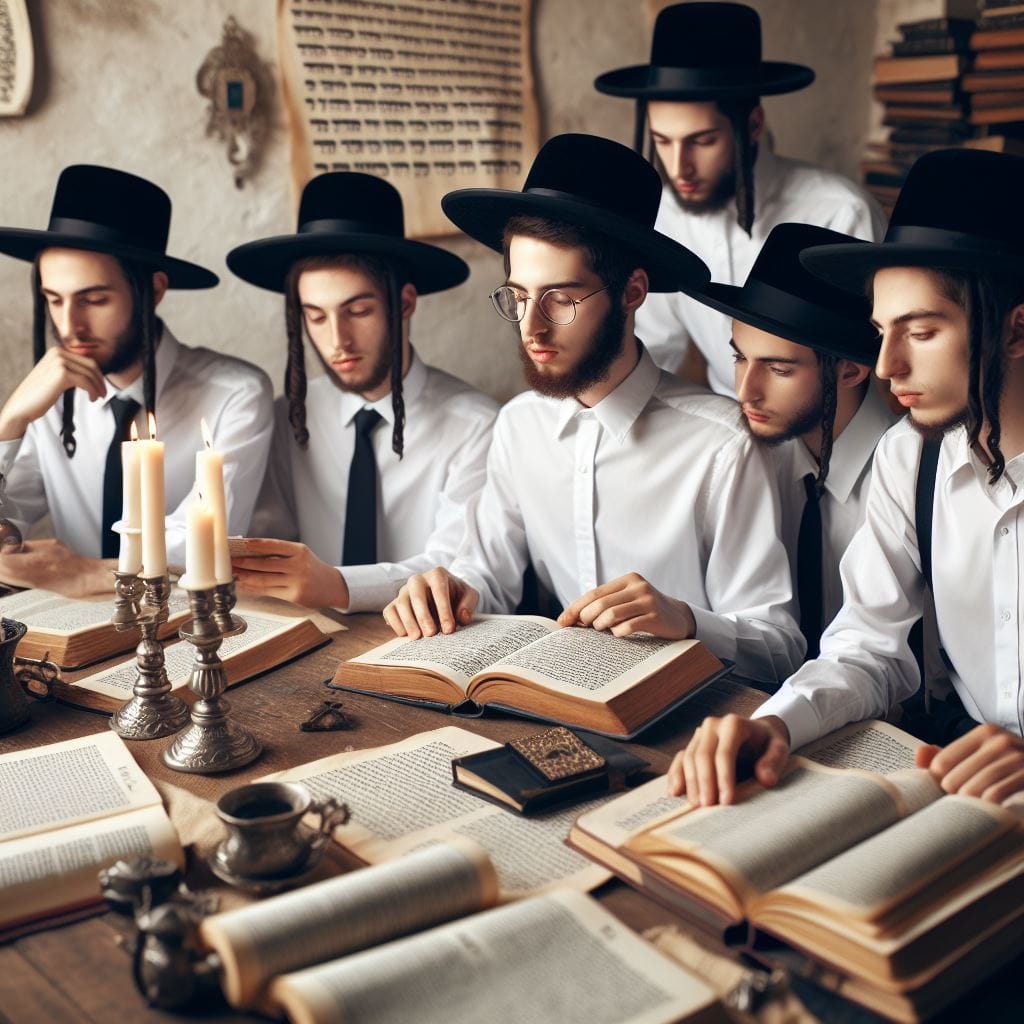
Based in the Alpena region, Shaarei Tzafon is an independent, family-led Orthodox Jewish educational and publishing initiative dedicated to Torah study, Halakhah, and the preservation of traditional Jewish life.
For those seeking Judaism in Alpena, Orthodox Judaism in Alpena, or Torah study in Hillman, Rogers City, and surrounding communities, we seek to provide an opportunity to engage seriously with the Jewish religious inheritance.
Our approach emphasizes the Written Torah, Mishnah, Talmud, Geonic literature, Rambam, and the great traditions of Jewish learning. We recognize the extraordinary historical contributions of both Sephardi and Ashkenazi communities, whose scholarship, customs, and religious institutions have preserved Jewish life across centuries.
Yet our vision does not end in Northern Michigan.
The 45th parallel is the symbolic Gate of Shaarei Tzafon. Beyond it lies the wider northern world, stretching through Michigan, Canada, and Alaska toward the Arctic.
We believe the same principles that sustained Jewish life in the small batei knesset, shtieblach, and batei midrash of earlier generations can inspire renewed Jewish learning in rural North America.
This renewal need not begin with great institutions. It can begin with a household learning Torah, parents educating their children, neighbors studying together, and families preserving Jewish observance.
The Torah of Moshe belongs to the Jewish people wherever they live.
And so our responsibility is not merely to remember the transmission of Torah, but to continue it through study, teaching, and action.
for more search on our site for:
Orthodox Jewish Life and True Torah Study in Alpena from Torah study in Northeastern Michigan.
Mikra Series connect readers to the continuation of the transmission through the to today.
The Shtiebel in the Wilderness from small batei knesset, shtieblach, and batei midrash.
Shaarei Tzafon — The North Gate
Orthodox Jewish Life and Torah Study in Northeastern Michigan
Shaarei Tzafon — The North Gate, led by Rabbi Ariel Manning, is an independent, family-led Orthodox Jewish educational and publishing initiative based in Northeastern Michigan. We support traditional Jewish life, Torah study, Halakhah, and Jewish education throughout Alpena, Hillman, Rogers City, and surrounding communities. Those interested in traditional Judaism are welcome to contact us for educational resources, Torah learning, and opportunities for discussion by prior arrangement.
Rooted locally, our greater mission extends northward from the 45th parallel — The North Gate — through Michigan, Canada, and Alaska toward the Arctic. We seek to encourage independent Jewish communities, family-centered Torah education, and the renewal of small batei midrash and shtieblach, preserving the rich traditions of Orthodox Judaism for future generations.
Our work begins in Northeastern Michigan, but our vision extends from the 45th parallel toward the Arctic.
Guided by Rambam and Mori Qafiḥ, uplifted by Rebbe Nachman, and grounded by Avraham ben HaRambam’s balance of halakha and inward avodah.
The Orchard’s Path
publishes our books and curricula.
Our mission: a bright, authentic Jewish presence in every northern town.
Created with ©systeme.io


