
Negiah and Yichud:
B”H
1. Introduction: The Call to Holiness
If you love the Torah, then build your holiness around it. Torah is not meant to live in the abstract—it seeks embodiment in the daily choices of a Jew. If you are without a wife, pray for one, search for one, and prepare your soul for marriage; for “It is not good for man to be alone” (Bereshit 2:18). The Torah is the Tree of Life, and marriage is its root system, grounding holiness in this world.
But if you are not yet married, guard your hands, your eyes, and your heart.
Do not touch even a single finger of a woman who is not your wife—for she is someone else’s future bride, and her dignity is sacred before Heaven. And to those who are married—stay far away from another man’s wife. Her home, her covenant, and her body are not yours to approach. Every act of restraint is an act of emunah, a declaration that we trust Hashem’s order more than our impulses.
The Torah commands boundaries not to diminish joy but to channel it. Fire in the hearth gives warmth; fire outside the hearth burns the house. Negiah and Yichud—the laws of physical contact and seclusion—are the hearthstones that keep human affection holy. Through them, men and women learn reverence for one another, for the family, and for the presence of the Shekhinah that dwells only where modesty lives.
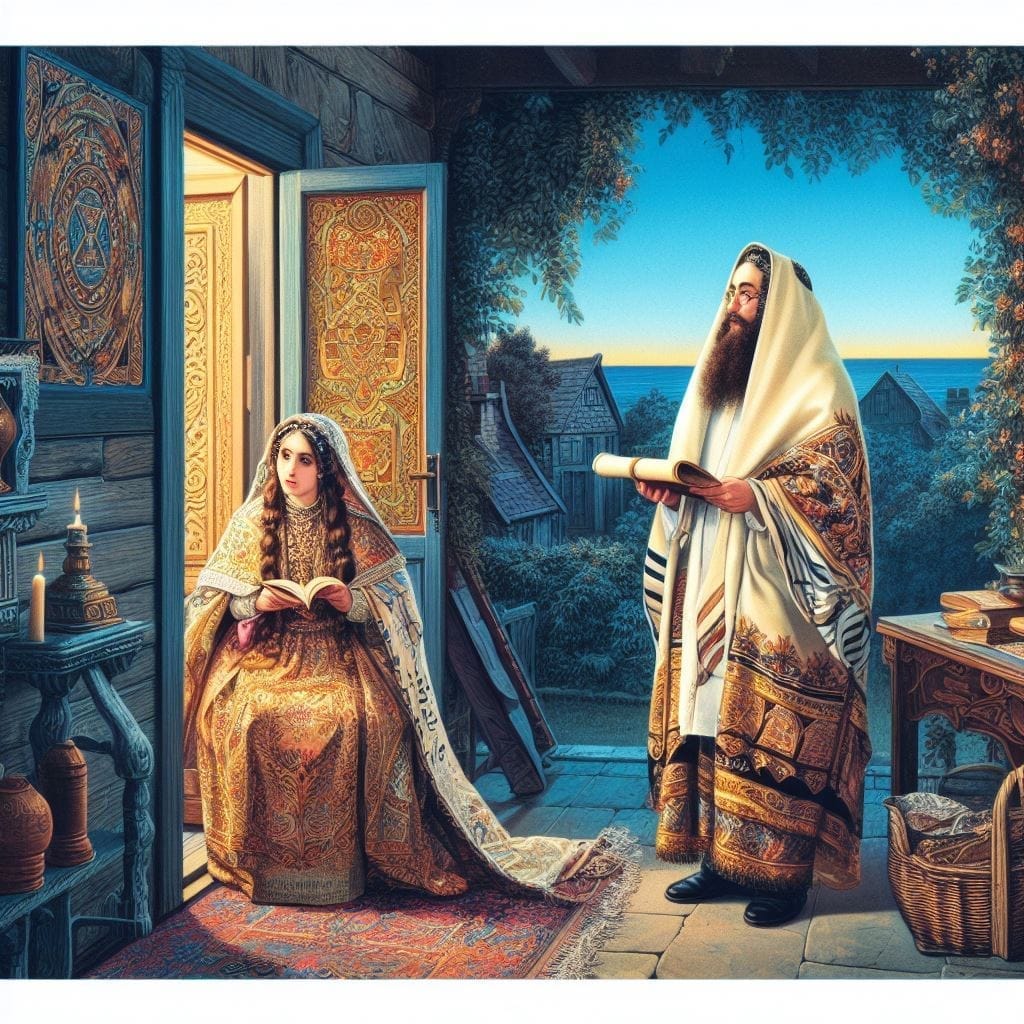
2. Foundations in Halakhah
Mishneh Torah, Issurei Bi’ah 21–22
Rambam begins with a principle that shapes all Jewish modesty:
“Do not draw close to uncover nakedness” (Vayikra 18:6).
To draw close to the forbidden is itself forbidden. Holiness is not only about what we avoid but how far we keep from the edge of sin. The Rambam writes that one who even embraces, kisses, or touches a woman who is forbidden to him “out of desire and derives pleasure from the contact is lashed according to Scriptural Law.” The Torah itself commands: “You shall guard My charge, not to perform any of these abominable acts”—which our sages read as, “Do not even approach the doorway of sin.”
A man who plays with flirtation—by winking, joking, or sharing casual mirth—transgresses rabbinic law, for such conduct draws the heart toward immorality. Even smelling perfume or looking upon beauty with desire is counted as sin. Rambam concludes:
“He who looks even at the small finger of a woman with the intent of deriving pleasure is as one who looked at her nakedness.”
The holiness demanded by the Torah is not external prudishness but inner discipline. The eyes, the ears, the hands—all are gates of the soul. To guard them is to guard the covenant itself.
Nevertheless, Rambam distinguishes between lust and the legitimate gaze of discernment. When a man considers marriage, it is proper—indeed, required—that he look at his intended to ensure she is pleasing to him, “for one who marries without seeing may come to despise her.” Yet even this permitted gaze must remain pure of desire. Thus the verse from Iyov (31:1) is recalled: “I made a covenant with my eyes; how could I gaze upon a maiden?”
Even toward one’s own wife, the Rambam teaches measure. When she is a niddah, physical affection must pause though emotional affection should deepen. He writes: “It is permitted for a man to gaze at his wife though she is a niddah, for she will later be permitted to him. Yet he should not jest or act frivolously lest it lead to sin.” In this, the Rambam teaches self-control without coldness—a discipline rooted in love.
Regarding Yichud, seclusion, the Rambam’s rulings (22:1–12) are equally precise. It is forbidden to be alone with any woman with whom relations are forbidden, “even if she be elderly or a young child.” This includes unmarried Jewish women and gentile women, for seclusion itself breeds temptation. Only a father with his daughter, a mother with her son, or a husband with his wife (even in niddah) are exempt. When a groom’s bride becomes a niddah before consummation, they may not even seclude themselves until she becomes pure again.
The Sages added further decrees after the tragic story of Amnon and Tamar: henceforth, yichud with any unmarried woman was prohibited.
A man accompanied by his wife may enter seclusion with another woman, for the presence of a spouse guards him from transgression. Yet a Jewish woman may never be secluded with a gentile man, even if his wife is present, “for they are not ashamed before one another.” This blunt statement reflects the Torah’s view that modesty is a uniquely sanctified discipline entrusted to Israel.
The Rambam further instructs that one should not employ a woman—even a servant—for intimate tasks such as washing, pouring drinks, or making his bed. These actions belong only within marriage, for they breed undue closeness. Nor should a man send greetings to a woman directly or via messenger except for practical matters. Each of these rulings trains the soul to live with respectful distance and sacred awareness.
The Ethical and Spiritual Roots (Sefer HaChinuch 35)
The Sefer HaChinuch pierces to the heart of the matter. The prohibition of adultery, he writes, is not merely a moral code; it preserves the structure of creation itself:
“God, blessed be He, desired that His world bring forth fruit, each kind according to its own species, and that the seed of man be known to whom it belongs.”
Adultery and its lesser cousins—flirtation, seclusion, forbidden touch—blur this divine order.
They corrupt lineage, confuse inheritance, and sow jealousy and violence. The Chinuch lists four primary devastations:
The loss of parental honor: children of adultery cannot truly know their fathers, and thus the mitzvah of kibbud av va-em collapses.
The uprooting of family purity: incest prohibitions become impossible to guard when genealogy is uncertain.
Theft of the highest order: taking what is another’s covenant is spiritual robbery.
Destruction of life: jealousy over adultery breeds bloodshed.
Beyond these, he adds, adultery offends the natural order itself. Just as God forbade mixing species in the field and garments of diverse fibers, so too He forbade the mixing of covenants in the human soul. Sexual boundaries are ecological boundaries of holiness; they keep life fertile and distinct.
The Chinuch emphasizes that this commandment binds all humanity—Jew and gentile alike—for even the sons of Noah are commanded against adultery (Sanhedrin 57b). The only difference is form: a gentile marriage is acquired through union itself, while an Israelite marriage requires kiddushin, sanctification. Thus, marital faithfulness is a universal pillar, yet Israel is charged to guard it with unique precision.
Tur Even HaEzer 22
The Tur expands: from the Torah itself it is prohibited for a man to seclude himself with any woman, young or old, for “such seclusion leads to uncovering nakedness.” The sages extended the fence to include even unmarried or non-Jewish women. Yet family exceptions remain: a father with his daughter, a son with his mother, a husband with his wife.
The Tur echoes the Rambam that anyone who secludes himself—even with an unmarried woman—is liable to lashes for rebellious conduct. He cites divergent views on numerical safeguards: according to some, two “upright” men in a city remove suspicion; others require three in a field or at night. Rashi permits limited seclusion if the setting involves business and there is no familiarity.
The Tur adds social wisdom: even when technically permitted, wise students should avoid living alone with widows or teaching children without the supervision of a spouse, lest gossip or temptation arise. A woman, too, should avoid teaching young children unless her husband is present. The Torah’s boundaries are not only legal but psychological—they anticipate human weakness with compassion.
Shulchan Aruch Even HaEzer 22
Rabbi Yosef Karo codifies these laws with refinement and balance.
It is forbidden to seclude oneself with anyone whose relations are forbidden, for seclusion leads to sin. Only parents and spouses are exempt.
Following the decree of King David and his court after the incident of Amnon and Tamar, seclusion with even an unmarried woman is forbidden.
If a man’s wife accompanies him, yichud with others is permitted, for she guards him; but a Jewish woman may never seclude herself with a gentile man.
One may not entrust a Jewish child to an idolater for teaching, lest the child be endangered morally or physically.
One woman may not be in seclusion even with many men unless the wife of one of them is present. A man may not be in seclusion with many women. The commentaries qualify that in public, during daytime, two upright men may suffice, while at night or in isolated areas three are required.
When groups of men and women are together, we are not concerned about yichud so long as visibility and modest conduct remain.
Even men whose professions involve contact with women must work in open spaces or with their wives present.
A woman need not fear yichud if her husband is in town, for his presence restrains her—but if she is overly familiar with a man, the safeguard fails.
The Shulchan Aruch thus confirms: holiness is not achieved through isolation from the world but through disciplined boundaries within it.

3. The Spirit of Negiah and Yichud
Taken together, these halakhot reveal a single purpose: to transform desire into devotion. The Torah does not ask us to kill the instinct for affection—it asks us to sanctify it. When physical boundaries are honored, love becomes luminous; when they are breached, love collapses into lust.
Negiah (touch) teaches reverence for the body of another. To touch without covenant is to trespass sacred ground. Even casual gestures carry spiritual consequence, for they awaken the heart toward that which does not belong to us.
Yichud (seclusion) teaches reverence for privacy. Two souls alone in hidden space ignite potential—either for holiness or for sin. The law demands witnesses, open doors, and lighted rooms, not because it suspects every person, but because it protects every person from being tested beyond strength.
These disciplines elevate human interaction. They create environments of trust, modesty, and mutual respect. A man who guards negiah honors not only women but himself; he declares that his passions serve his soul. A woman who guards yichud honors her own dignity; she proclaims that her presence is not for casual consumption but for covenantal giving.
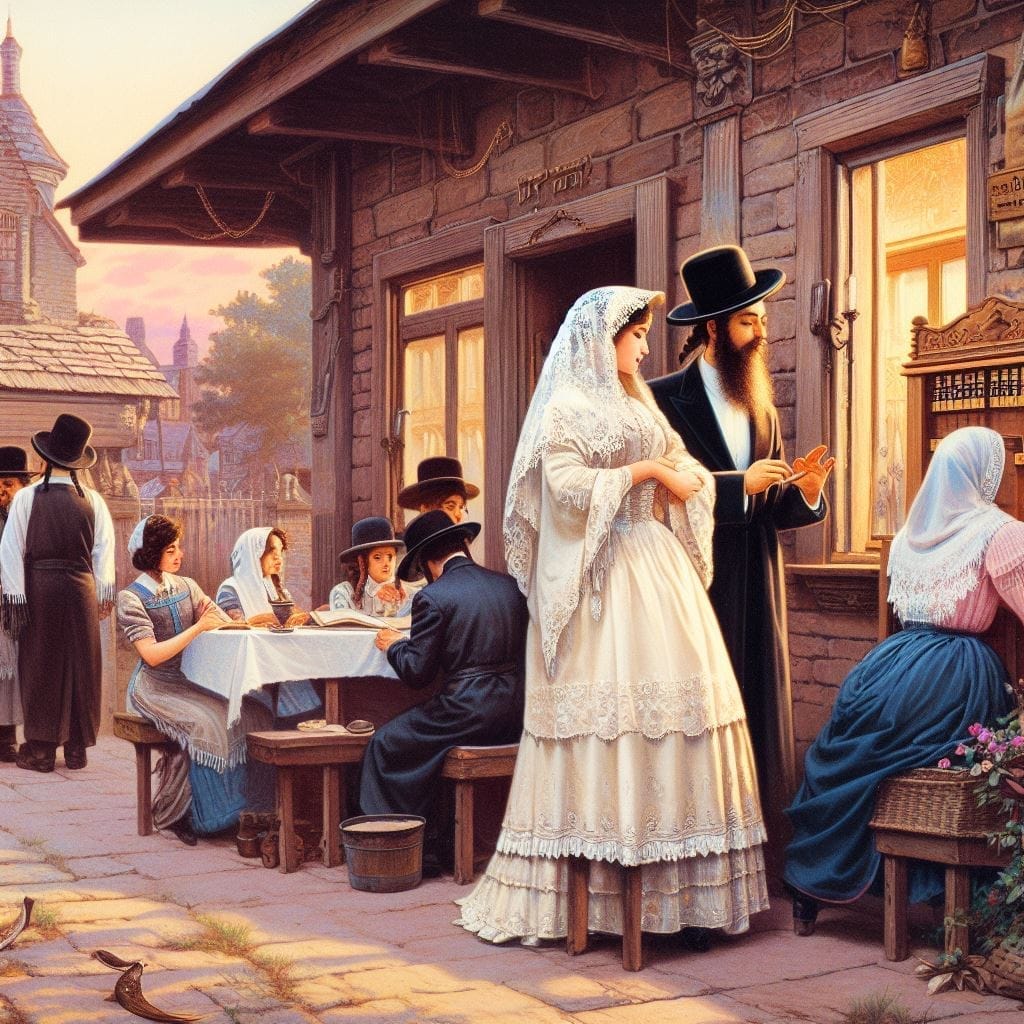
4. Practical Halakhah and Conduct
In the spirit of Shomer Negiah and Yichud, our sages and later authorities outline guiding practices for daily life:
Be alone only with your spouse or immediate family. Parents, children, and siblings are exceptions within reason; all other seclusion should be avoided.
Never meet privately one-on-one with someone of the opposite sex. This includes closed offices, cars, and online spaces where visibility is absent.
No hugging, touching, or kissing of any kind outside marriage. Affection is holy when sanctified by covenant; outside it, it is theft of intimacy.
Avoid driving alone with the opposite sex. If unavoidable, maintain open conversation lines and visible settings.
Do not pass objects directly hand-to-hand in secluded environments. Place them down first—small gestures remind the body of its boundaries.
Singles and widows meeting for conversation or study should leave doors ajar or ensure that others can see or hear. Transparency preserves purity.
Married couples should maintain full transparency—sharing passwords, phones, and messages. Hidden communications are modern forms of yichud.
Avoid emotional intimacy that substitutes for physical contact. Flirtation, private messaging, or confiding secrets with someone not your spouse creates yichud halev—seclusion of the heart.
Professions involving frequent contact with the opposite sex—health care, education, counseling—should establish public protocols: open doors, visible offices, and clear professional boundaries.
Community vigilance: rabbis, teachers, and leaders must model restraint. Authority magnifies responsibility; the closer one stands to sacred service, the more one must flee impropriety.
These halakhot are not fences of repression but walls of Jerusalem—they guard sanctity so that joy may dwell securely within.

5. The Ethical Meaning of Boundaries
Why does the Torah insist so strongly on these matters? Because human life depends on trust. Society decays when desire is stronger than discipline. The laws of negiah and yichud preserve the atmosphere in which marriage, family, and community can breathe. They affirm that holiness begins not in the synagogue but in the smallest gestures of daily conduct.
Rambam saw in these laws a rational system of psychological wisdom. The sages of Israel knew the human heart: “Mirth and frivolity lead to immorality” (Avot 1:5). They built fences not to chain joy but to channel it.
When a man lowers his gaze, he raises his soul. When a woman dresses with dignity, she magnifies her inner beauty. Each restraint creates spiritual fragrance.
To our generation—immersed in exposure and immediacy—these ancient halakhot are a lifeline. They remind us that privacy is sacred, that mystery is the soul of love. True intimacy grows from discipline, not indulgence. Those who guard their eyes and hearts become vessels of divine presence; those who scorn boundaries soon find themselves without depth or peace.

6. The Inner Work of Holiness
Guarding negiah and yichud is not only external observance but inner work.
A person must cultivate purity of thought, speech, and imagination. Rambam teaches in Hilchot De’ot that one should not engage in coarse talk or excessive laughter, for “words awaken the heart.” Speech, like touch, has power to bind or to corrupt.
Hitbodedut—personal reflection and prayer—can help cleanse the heart from forbidden desire. Avraham ben HaRambam and Rebbe Nachman taught that solitude in nature, speaking simply before Hashem, cools the fire of passion and redirects it toward divine love. Boreal silence becomes the mikveh of the mind.
The discipline of negiah is thus an invitation to discover deeper touch: the touch of spirit, the embrace of holiness, the closeness of God felt in restraint. The discipline of yichud is an invitation to seek seclusion not with temptation but with the Creator Himself—yichud ima Borei Olam—union with the Source of all purity.

7. The Covenant of Restraint
Every act of restraint preserves the light of creation.
To guard one’s eyes and hands is to guard the covenant of Avraham Avinu, the mark of holiness engraved upon our flesh. The Torah’s call is not “Do not love” but “Love in holiness.” Passion within covenant becomes sacred fire; passion outside covenant becomes destruction.
A man and woman who wait, who build their relationship on Torah and patience, bring the Shekhinah into their home. The Rambam writes that the relationship of husband and wife, sanctified by Torah, mirrors the bond between Israel and God. But one who violates these boundaries tears at that bond; he turns divine fire into chaos.
To our sons we say: your strength is not proven by conquest but by control. To our daughters we say: your beauty is not in exposure but in dignity. And to all Israel we say: the world will not be repaired through indulgence but through holiness.

8. Conclusion: Building a World of Purity
The Torah’s laws of Negiah and Yichud are pillars of civilization. They sustain marriage, protect families, and guard the sanctity of lineage. They transform passion into covenant, privacy into purity, and discipline into joy.
The world mocks restraint as repression, but the wise know it is liberation. When desire serves the soul, love becomes eternal. When boundaries are broken, even pleasure turns to bitterness. The fence of Torah is not a cage—it is the garden wall that allows the blossoms of holiness to flourish.
Therefore, remember:
Guard your touch.
Guard your eyes.
Guard your seclusion.
For within these gates dwell the light of creation itself.
As King David proclaimed:
“Who may ascend the mountain of Hashem?
He who has clean hands and a pure heart.” (Tehillim 24:3-4)
Let us then be that generation—clean of hand, pure of heart, steadfast in covenant—so that Hashem’s Presence may dwell once more among His people, in our homes, our marriages, and our thoughts.
And may every boundary we honor become a window through which the Divine Light enters the world.
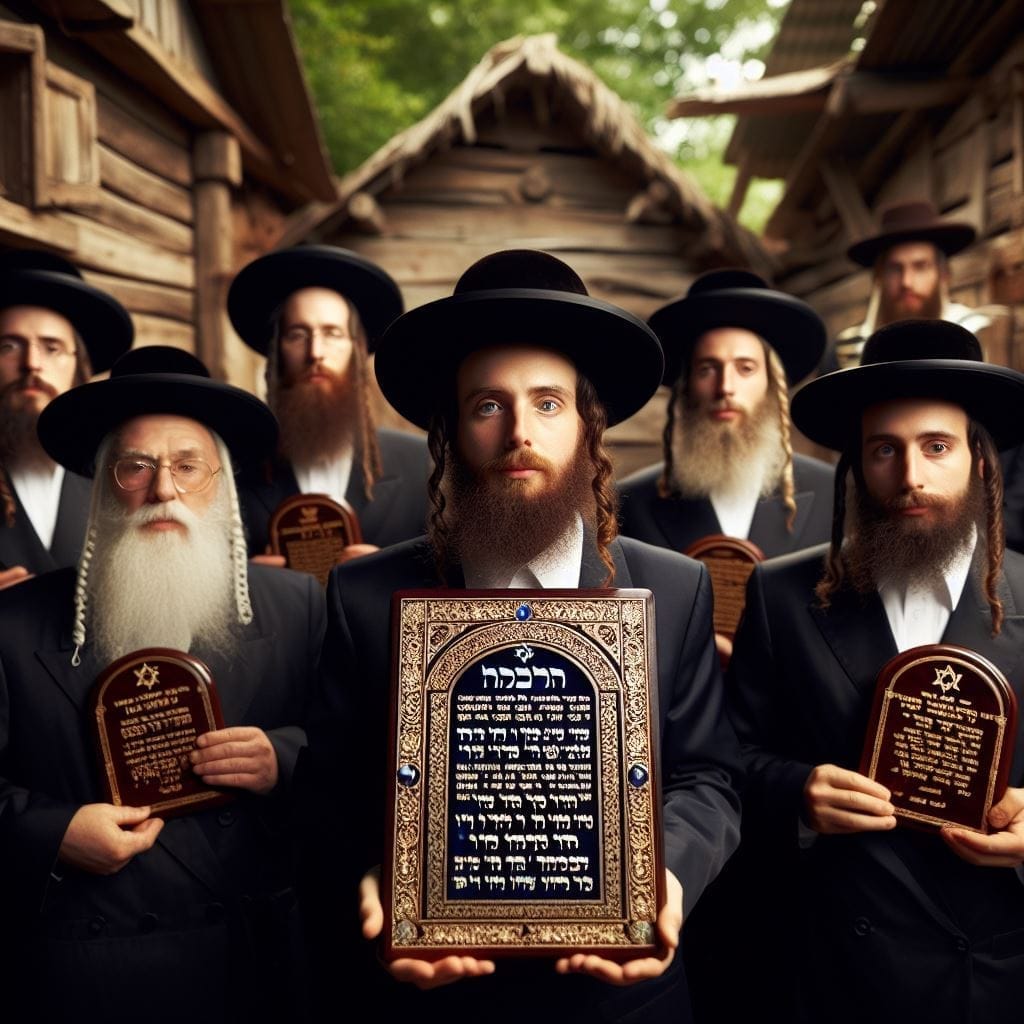
Negiah, Yichud, Jewish Family Life, and the Northern Tradition
At Shaarei Tzafon — The North Gate, we believe that traditional Orthodox Jewish life must preserve both the requirements of Torah and Halakhah and the legitimate diversity of Jewish customs concerning modesty, personal conduct, and relationships between men and women.
Here in Northeastern Michigan, including Alpena, Hillman, Rogers City, and surrounding communities, our educational work encourages individuals and families to understand the foundations of Jewish religious practice rather than simply adopt the customs or stringencies of another community.
The laws of Negiah and Yichud provide an important example.
Throughout Jewish history, Ashkenazi, Sephardi, and Yemenite communities developed different customs and halakhic interpretations concerning physical contact, social interaction, modesty, and appropriate boundaries between men and women. While these traditions sometimes differ in their practical applications, they share a concern for personal dignity, marital faithfulness, and the preservation of Jewish family life.
Our approach emphasizes the careful study of Torah, Mishnah, Talmud, Rambam, and Shulchan Arukh, distinguishing between binding halakhic requirements, later rabbinic interpretations, communal customs, and additional personal stringencies.
Jewish life should not be reduced to the assumption that every communal practice carries the same legal authority. Rather, we encourage understanding the sources, respecting established traditions, and applying Halakhah with knowledge, responsibility, and consideration for others.
This distinction becomes particularly important for Jewish families living in rural northern regions, where small populations and limited access to established Jewish institutions require thoughtful approaches to education, social relationships, and religious observance.
The wider mission of Shaarei Tzafon extends from the 45th parallel — our symbolic North Gate — through Michigan, Canada, and Alaska toward the Arctic.
We seek to encourage family-centered Orthodox Jewish life, independent batei midrash, and small traditional communities where Torah learning and Halakhah remain the foundations of daily living.
Our purpose is not to impose the social customs of one Jewish community upon another, but to preserve the commandments of Torah while allowing legitimate local traditions to flourish within the framework of Halakhah.
Jewish life is not merely the bare minimum requirements of Halakhah, even though it could be. It is the living expression of Torah in our homes, our relationships, and our everyday conduct.
Shaarei Tzafon — The North Gate
Orthodox Jewish Life and Torah Study in Northeastern Michigan
Shaarei Tzafon — The North Gate, led by Rabbi Ariel Manning, is an independent, family-led Orthodox Jewish educational and publishing initiative based in Northeastern Michigan. We support traditional Jewish life, Torah study, Halakhah, and Jewish education throughout Alpena, Hillman, Rogers City, and surrounding communities. Those interested in traditional Judaism are welcome to contact us for educational resources, Torah learning, and opportunities for discussion by prior arrangement.
Rooted locally, our greater mission extends northward from the 45th parallel — The North Gate — through Michigan, Canada, and Alaska toward the Arctic. We seek to encourage independent Jewish communities, family-centered Torah education, and the renewal of small batei midrash and shtieblach, preserving the rich traditions of Orthodox Judaism for future generations.
Our work begins in Northeastern Michigan, but our vision extends from the 45th parallel toward the Arctic.
Guided by Rambam and Mori Qafiḥ, uplifted by Rebbe Nachman, and grounded by Avraham ben HaRambam’s balance of halakha and inward avodah.
The Orchard’s Path
publishes our books and curricula.
Our mission: a bright, authentic Jewish presence in every northern town.
Created with ©systeme.io


