
Noahidism
B"H
Foundational Essay
Introduction
The question of whether one should remain a Noahide or convert to Judaism carries deep implications for spiritual and ethical life. Noahidism, grounded in the seven commandments given to Noah, represents the minimal ethical code for all humanity. Yet, the limitations of this framework—especially today, without a Temple or Sanhedrin—complicate its practice and restrict its ability to nurture a meaningful religious existence. Judaism, by contrast, presents a complete and structured system for spiritual fulfillment through 613 commandments that build a personal relationship with God, establish community, and foster deep engagement with Torah study. This essay examines the constraints of Noahidism and why conversion to Judaism, with its broader halachic framework and communal life, offers a superior spiritual path.
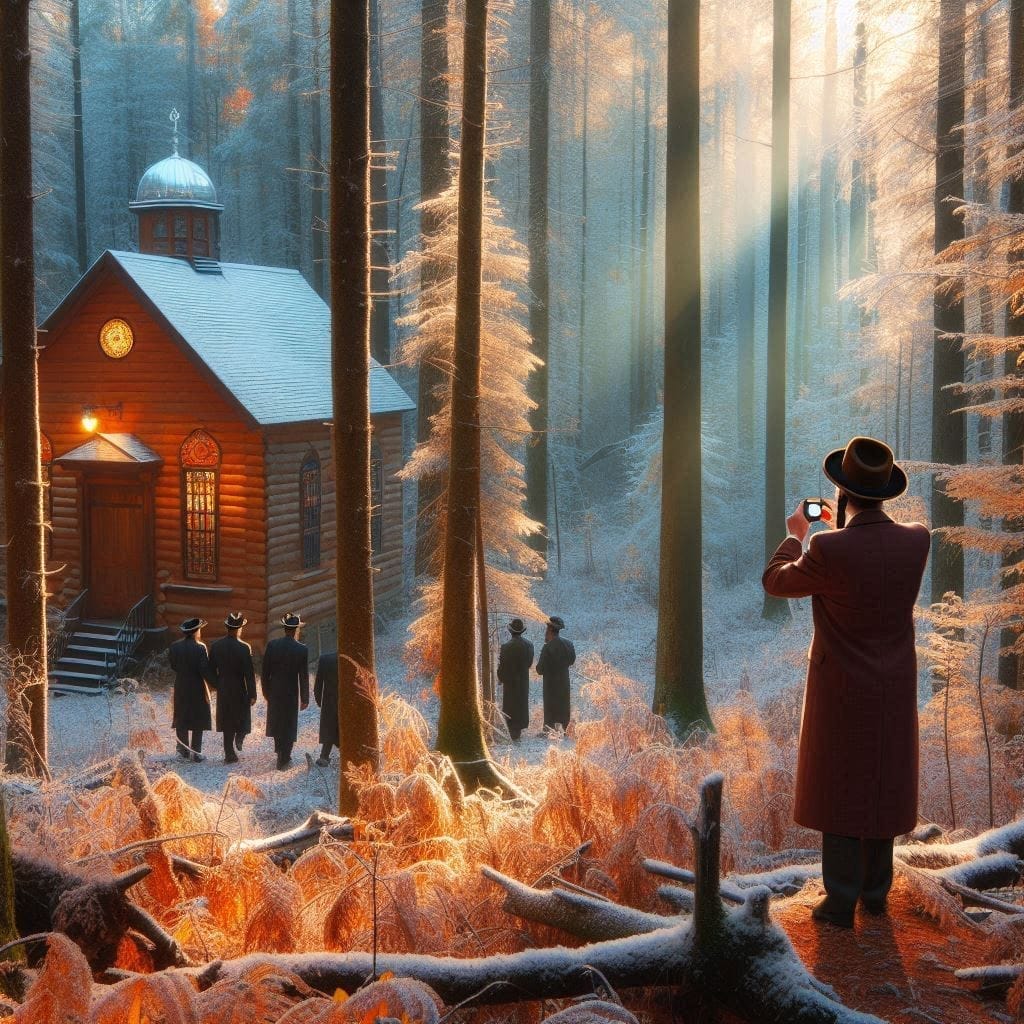
Noahidism: A Universal Ethic with Limitations
The Seven Laws of Noah form a universal moral code for non-Jews. As Rambam explains in Mishneh Torah, Hilchot Melachim 9, they prohibit idolatry, murder, theft, sexual immorality, and consuming flesh from a living animal, and require establishing courts of justice. While these precepts create an ethical foundation, they do not constitute a complete religious system. This poses challenges for Noahides seeking sustained spiritual engagement.
Rambam further clarifies in Hilchot Melachim 8 that these laws were never meant to create a full religious structure; rather, they serve as a minimal moral order. Non-Jews are exempt from the distinct commandments of Israel—Shabbat, kashrut, and festivals—which deepen divine connection. Moreover, the absence of a Temple, Sanhedrin, and all twelve tribes in the Land of Israel—as referenced in Hilchot Melachim chapter 8—renders proper enforcement of Noahide law impossible. Without a functioning Jewish state governed by Torah institutions, Noahidism cannot be fully realized.
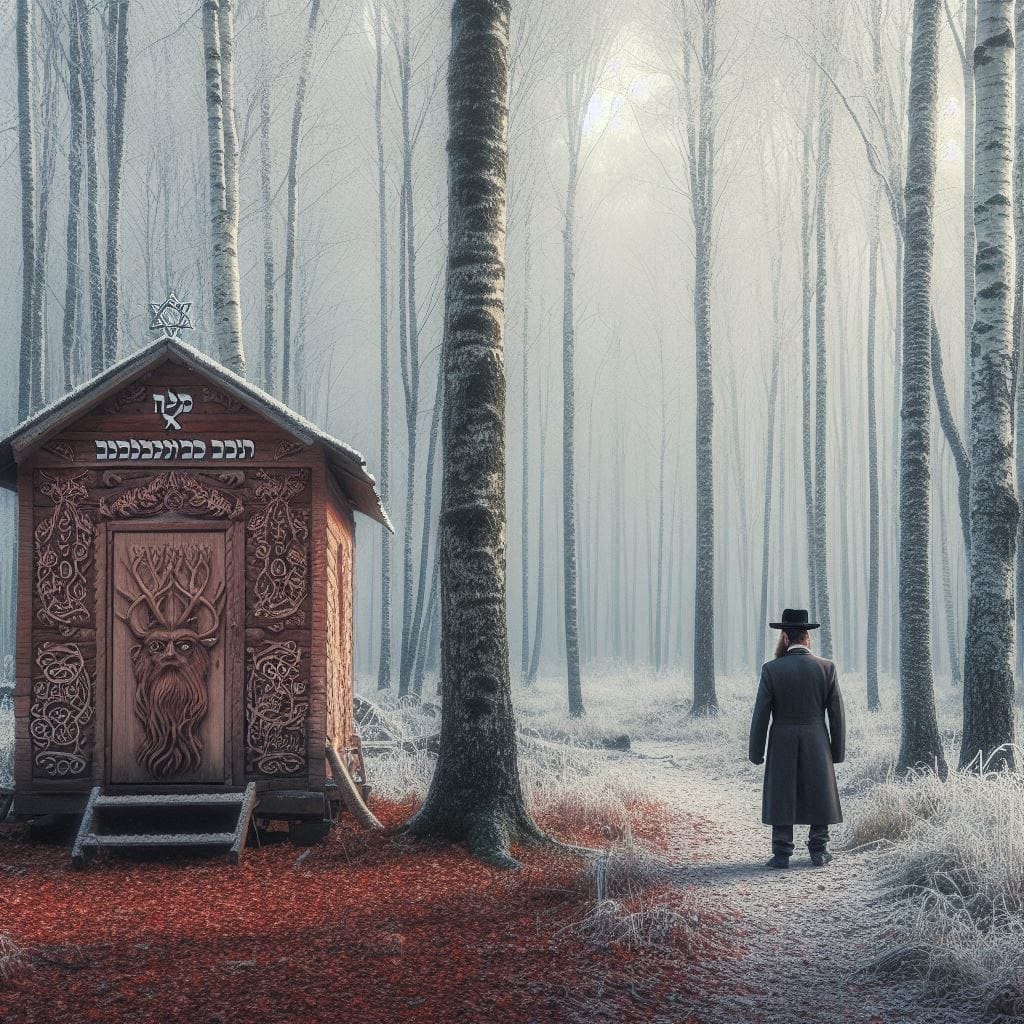
The Jewish Path: A Complete and Structured Framework
Judaism offers a comprehensive path that unites ethics, worship, and holiness. The 613 commandments of Torah and halacha, enhanced by centuries of beautiful customs, govern every area of life—prayer, ritual, family, and moral action. These mitzvot are not mere guidelines but the means by which Jews sanctify every moment and draw close to God.
Conversion is therefore a remarkable opportunity: it invites the non-Jew to enter the covenantal people of Israel and assume full Torah observance. In Jewish teaching, a convert is a newborn child—cleansed of past sin and newly bound to Hashem. This covenantal relationship, sealed through the commandments, defines the Jewish spiritual path.
Judaism’s communal life strengthens this framework. Synagogues, schools, and Torah centers provide structure, study, and moral accountability. Converts find in the Jewish community both social belonging and spiritual support, essential for long-term observance and growth. Community transforms faith from theory into lived holiness.
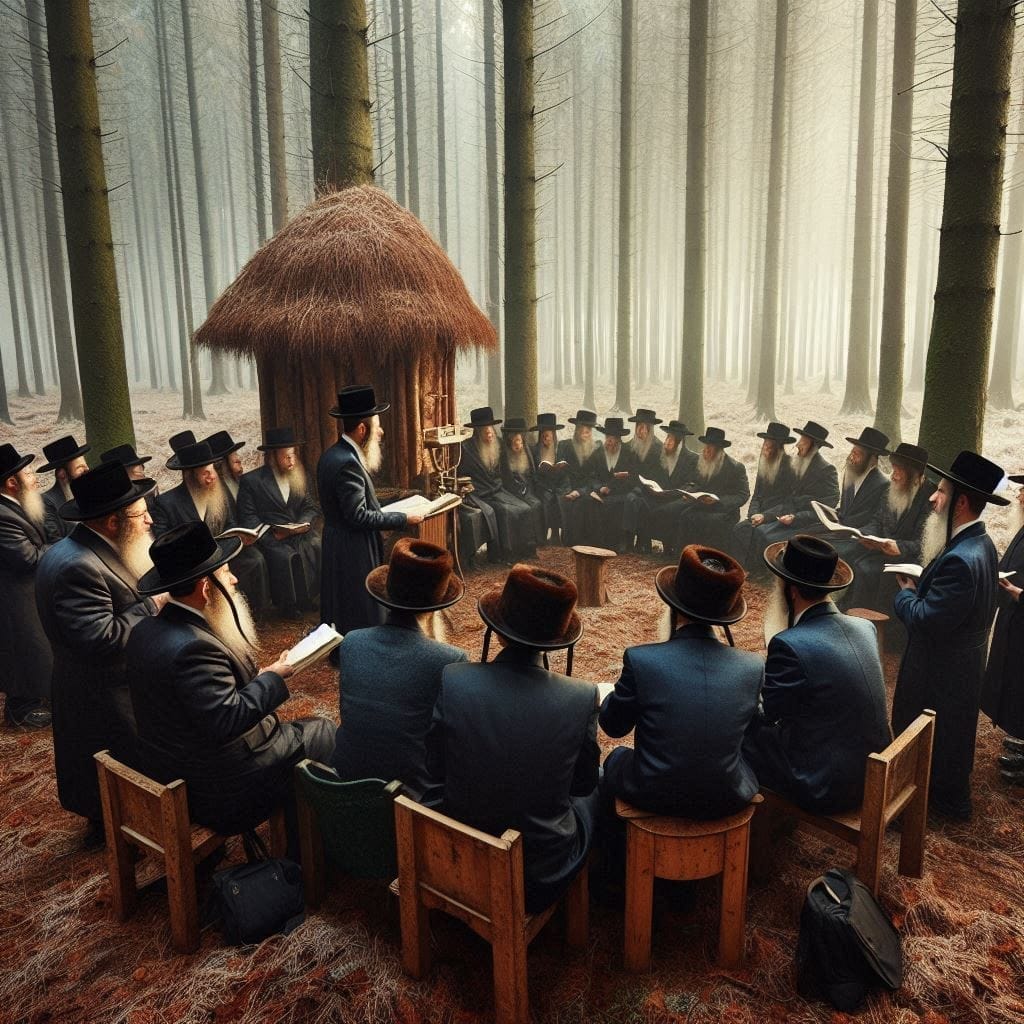
Noahidism vs. Judaism: A Halachic Perspective
Halacha sharply distinguishes Jews from Noahides. Rambam in Hilchot Melachim 8 teaches that “the righteous among the nations have a share in the World to Come,” yet they are bound only by the Seven Laws, while Jews are commanded to fulfill all 613. Judaism therefore encompasses a far deeper, more intricate system for sanctifying life—covering prayer, festivals, family purity, and personal holiness. Conversion, as detailed in Mishneh Torah (Issurei Bi’ah chs. 13–14) and Shulchan Aruch, Yoreh De’ah 268, legally transforms a non-Jew into a member of Israel’s covenant. This act, likened to a marriage between God and His people, imposes full halachic responsibility and spiritual depth. The convert enters not merely a religion but a divine nation shaped by Torah law.

Chabad and the Promotion of Noahidism
Chabad’s outreach to non-Jews through the Noahide laws has spread global awareness, yet its reliance on Kabbalistic motifs in this context poses halachic concerns. In Judaism, Torah and Halacha are the supreme authorities defining practice and ethics. Presenting mystical concepts to non-Jews unfamiliar with halacha risks distortion. The Noahide system was designed as a civic ethic under a functioning Temple and Sanhedrin for nations not joined to Israel—not as an esoteric path. Upholding Torah and halacha over mysticism is a halachic duty. Promoting Noahidism without its institutional and legal framework of the Beit HaMikdash misrepresents its intent and limits its legitimacy.
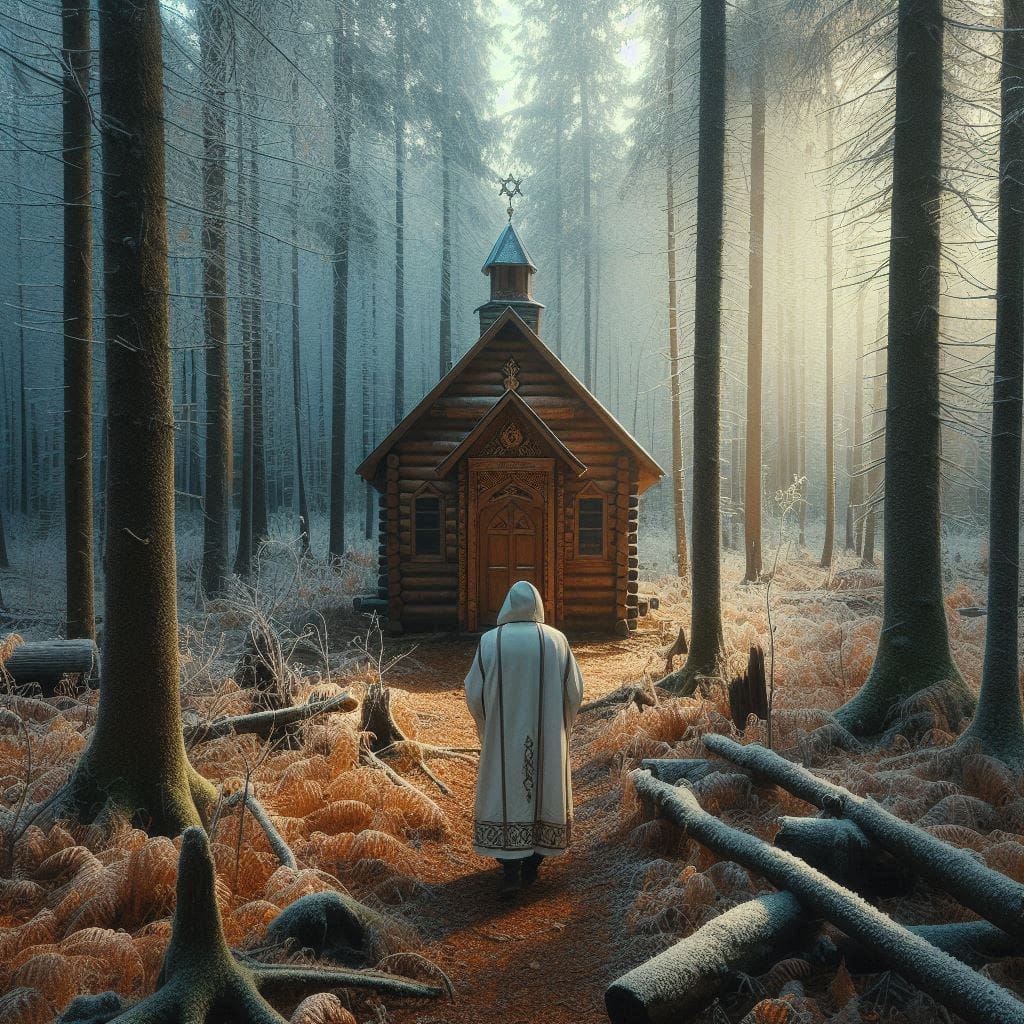
The Practical Limitations of Noahidism
The lack of communal infrastructure leaves most Noahides spiritually isolated. Unlike Jews, they lack synagogues, Torah study groups, or rabbinic guidance to sustain observance. As Rambam notes in Hilchot Melachim 9–10, the Noahide laws depend on a social and judicial order—conditions absent today. Without a Temple, Sanhedrin, or Israelite tribal unity, Noahidism cannot fulfill its purpose. Consequently, many Noahides drift toward secularism or lose faith entirely.
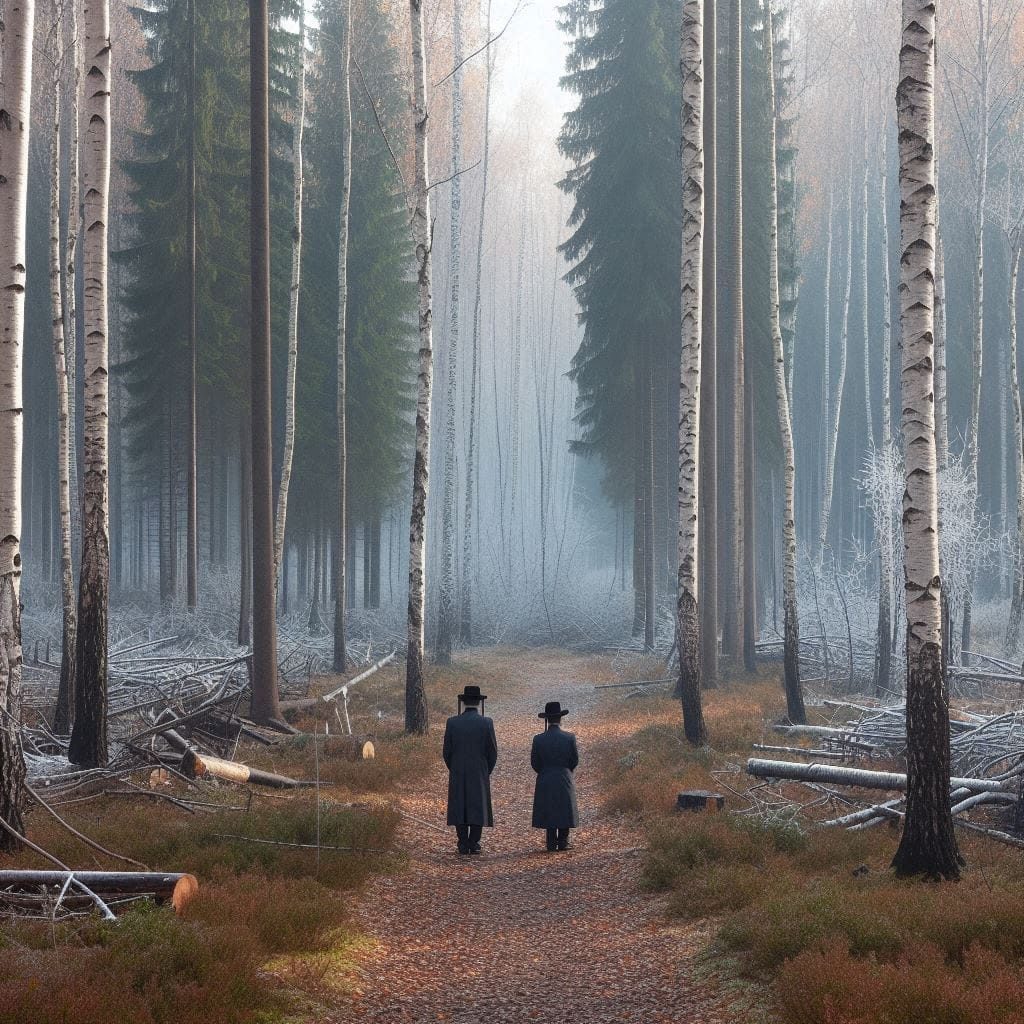
A Jewish Convert in the Wilderness
A Jewish convert who lives in the wilderness embodies one of the purest forms of faith. Stripped of communal conveniences and institutional support, such a soul must sustain Judaism through devotion, halacha, and the constant remembrance of Hashem in solitude. The Rambam teaches in Hilchot De’ot 6 that if one lives among people who act wickedly, it is better to withdraw to the mountains, caves, or deserts rather than be influenced by sin. In this sense, the convert in the wilderness lives a life of radical sincerity—maintaining kashrut without witnesses, taking long journeys for kosher meat, praying without a minyan, and sanctifying Shabbat under open skies.
Each mitzvah becomes an act of profound self-discipline and love, performed only for the sake of Heaven. Like Avraham Avinu, who served God before a nation existed, the wilderness convert becomes a living testimony that the covenant does not depend on proximity to others but on fidelity to Torah itself. In such solitude, emunah (faith) is tested and refined; hitbodedut becomes a lifeline; and every sunrise, every flame of Shabbat, every blessing over food becomes an altar of devotion. Through this hidden holiness, the convert transforms isolation into intimacy with the Divine, proving that Judaism is not confined to the city or synagogue but lives wherever a Jew keeps faith with Hashem.

Conclusion
Noahidism provides a universal ethical code but lacks the spiritual and halachic depth of Judaism. Its absence of institutional support, Torah study, and Temple-centered structure leaves it incomplete and unsustainable. Judaism, by contrast, offers the fullness of Torah life: 613 commandments, communal belonging, and a covenantal bond with Hashem. Rambam in Issurei Bi’ah 14 teaches that Israel is held to a higher standard of holiness—and the convert who joins this covenant attains the highest level of spiritual fulfillment. For those seeking genuine connection with God, conversion to Judaism remains the most complete and enduring path.

Noahidism, Jewish Conversion, and the Authority of Torah
At Shaarei Tzafon — The North Gate, our approach to Noahidism begins with the Torah and the halakhic teachings of Rambam rather than the modern religious movements that have developed around the Seven Noahide Laws.
Based in Northeastern Michigan, Shaarei Tzafon is an independent, family-led Orthodox Jewish educational and publishing initiative led by Rabbi Ariel Manning. We encourage serious Torah study, Halakhah, Jewish education, and the understanding of traditional Judaism throughout Alpena, Hillman, Rogers City, and surrounding communities.
Our educational mission extends beyond Northern Michigan, from the 45th parallel through Canada and Alaska toward the Arctic. We believe individuals living far from established Jewish communities deserve access to genuine Jewish learning, including those sincerely considering conversion to Judaism.
However, Shaarei Tzafon does not promote Noahidism as a separate religious movement.
Why We Believe Chabad's Modern Noahidism Is in Error
Our disagreement with Chabad's contemporary Noahide movement is not with the Seven Laws themselves. These commandments remain fundamental obligations upon humanity. Our disagreement concerns the attempt to cultivate a distinct modern religious identity around these obligations.
Rambam teaches in Hilchot Melachim 10:9 that non-Jews may not establish a new religion or invent religious commandments of their own. Furthermore, Hilchot Issurei Biah 14:8 establishes that formal acceptance of a ger toshav is possible only when the Jubilee is operative.
We therefore believe that promoting Noahidism as a self-contained religious pathway risks transforming universal obligations into something resembling an independent religious system. The moral principles underlying many of these commandments are already present within Christianity and Islam, although their theological foundations and religious authority differ from those of Torah.
While Chabad presents its Noahide outreach as the teaching of universal commandments rather than the creation of a new religion, we question whether the organized religious identity developing around Noahidism is consistent with Rambam's intended framework.
The Seven Laws should not be confused with a complete alternative to Judaism, nor should modern religious programming be mistaken for the formally recognized halakhic institution of ger toshav.
Those who sincerely desire to enter the covenant of Israel have the established path of halakhic conversion.
Our objection is not to the Seven Laws of Noah, but to the modern reconstruction of Noahidism into a separate religious identity beyond the framework we understand Rambam to have established.
Shaarei Tzafon — The North Gate
Orthodox Jewish Life and Torah Study in Northeastern Michigan
Shaarei Tzafon — The North Gate, led by Rabbi Ariel Manning, is an independent, family-led Orthodox Jewish educational and publishing initiative based in Northeastern Michigan. We support traditional Jewish life, Torah study, Halakhah, and Jewish education throughout Alpena, Hillman, Rogers City, and surrounding communities. Those interested in traditional Judaism are welcome to contact us for educational resources, Torah learning, and opportunities for discussion by prior arrangement.
Rooted locally, our greater mission extends northward from the 45th parallel — The North Gate — through Michigan, Canada, and Alaska toward the Arctic. We seek to encourage independent Jewish communities, family-centered Torah education, and the renewal of small batei midrash and shtieblach, preserving the rich traditions of Orthodox Judaism for future generations.
Our work begins in Northeastern Michigan, but our vision extends from the 45th parallel toward the Arctic.
Guided by Rambam and Mori Qafiḥ, uplifted by Rebbe Nachman, and grounded by Avraham ben HaRambam’s balance of halakha and inward avodah.
The Orchard’s Path
publishes our books and curricula.
Our mission: a bright, authentic Jewish presence in every northern town.
Created with ©systeme.io


