
Satan who and what he is; and how to defeat him…
B"H
1. Opening — The Evil That is under the foot of the Good
In every age Jews have spoken of Satan—yet almost always through lenses not our own.
The nations imagined a rebel deity locked in cosmic battle with the Creator.
Torah knows no such dualism.
Still, we must not soften him into a harmless symbol.
Satan is evil in essence and intention, the destroyer, deceiver, and accuser of humankind—yet he remains on a chain of HaKadosh Baruch Hu.
Satan hates, tempts, and corrupts, but only within the limits Heaven assigns.
He is the malach ra, the Angel of Evil, whose cruelty tests righteousness and exposes hypocrisy.
He is not the opposite of God, but the instrument of Divine judgment.
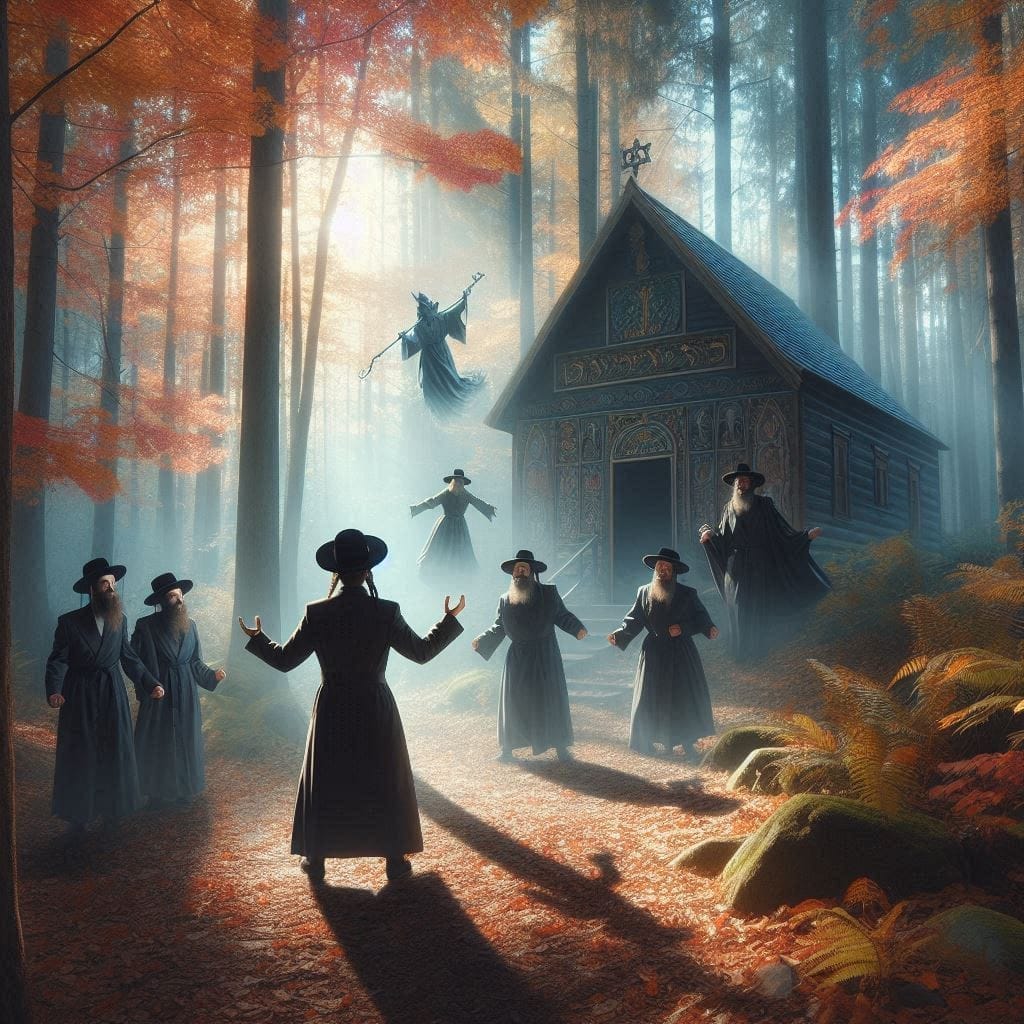
2. The Word Itself — שָׂטָן Means Adversary
The Hebrew root שׂ-ט-ן means to oppose, to obstruct, to accuse.
In early Scripture it names any foe:
I Kings 5 : 18 – “There was no satan and no misfortune.”
Psalm 109 : 6 – “Appoint a satan against him,” an accuser in court.
Numbers 22 : 32 – The angel of Hashem stands l’satan lo, “as an adversary” to Bilaam.
Originally the word described opposition itself.
Later, especially in Sefer Iyov and Zekharyah, it became the title of a particular angel charged with that task.
Already the Tanakh shows that this “adversary” is evil in purpose but never self-willed: he does what he was created to do—oppose.
3. In the Book of Job — The Evil Accuser
In Sefer Iyov (The Book of Job) chapters 1–2, ha-Satan appears among the bnei Elohim.
He prowls the earth “to and fro,” seeking moral failure.
When Hashem praises Iyov, the Accuser sneers: “Does Iyov fear God for nothing?”
He is cynical, malicious, and relentless.
Yet he cannot move a finger without permission: “Behold, all that he has is in your hand; only upon him lay not your hand.”
Here lies the Jewish paradox: Satan is utterly evil, yet utterly subordinate.
He delights in suffering but is bound to justice.
His temptation and destruction are acts of prosecution in the heavenly court.
He is the executioner of divine decree—terrifying, but not autonomous.
4. Zechariah and Chronicles — Evil Under Command
In Zekharyah 3 : 1–2, the prophet beholds Yehoshua the High Priest standing before the Angel of Hashem, “and Satan standing at his right hand to accuse him.”
The Angel rebukes him: “May Hashem rebuke you, Satan!”
Even here he burns to condemn Israel but must fall silent at the Divine word.
In Divrei HaYamim I 21 : 1 Satan provokes David to number Israel; the older Shmuel text attributes that impulse directly to God.
The Chronicler distinguishes the agent of evil from the Author of justice without separating them.
Satan’s malice becomes the channel through which divine discipline acts.
His will is to destroy; God’s will is that destruction serve correction.

5. Talmudic Revelation — One Force, Three Faces
Chazal reveal his composite identity:
“Satan, the yetzer hara, and the Angel of Death are one.” (Bava Batra)
He tempts before the sin, accuses after it, and executes the sentence.
The Talmud portrays him as cruel and predatory:
He descends to lead astray, ascends to denounce, then takes the soul.
He appears as a beggar, woman, bird, or goat (Kiddushin).
He revels in conflict and flees from peace (Gittin).
He watches for careless speech to use as evidence (Berakhot ).
But he is not omnipotent.
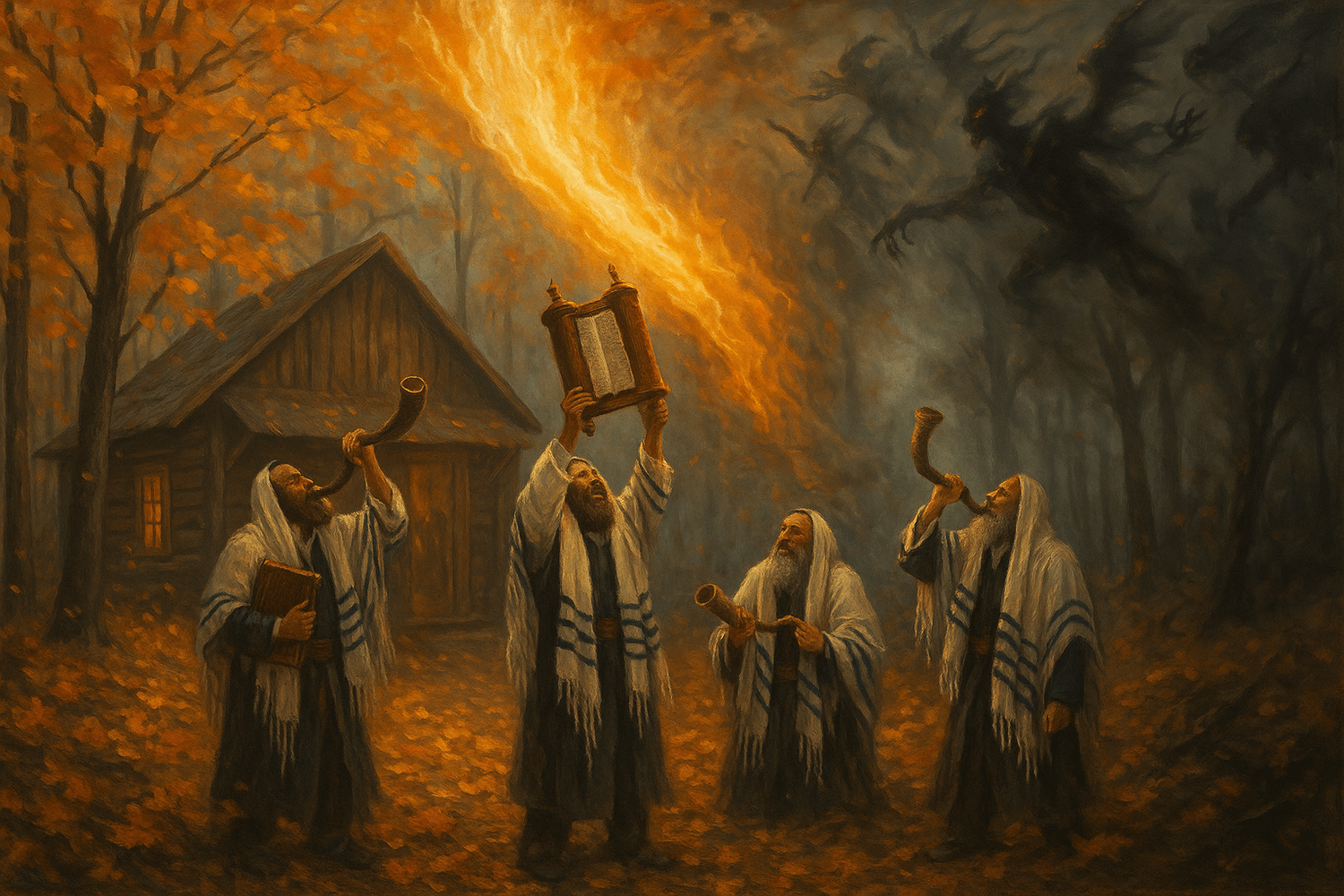
The shofar of Rosh HaShanah confuses him (Rosh HaShanah).
On Yom Kippur his power vanishes; the gematria of שָׂטָן = 364—every day but one (Yoma).
He is fierce but leashed in chains.
His evil is real; his independence, nonexistent.
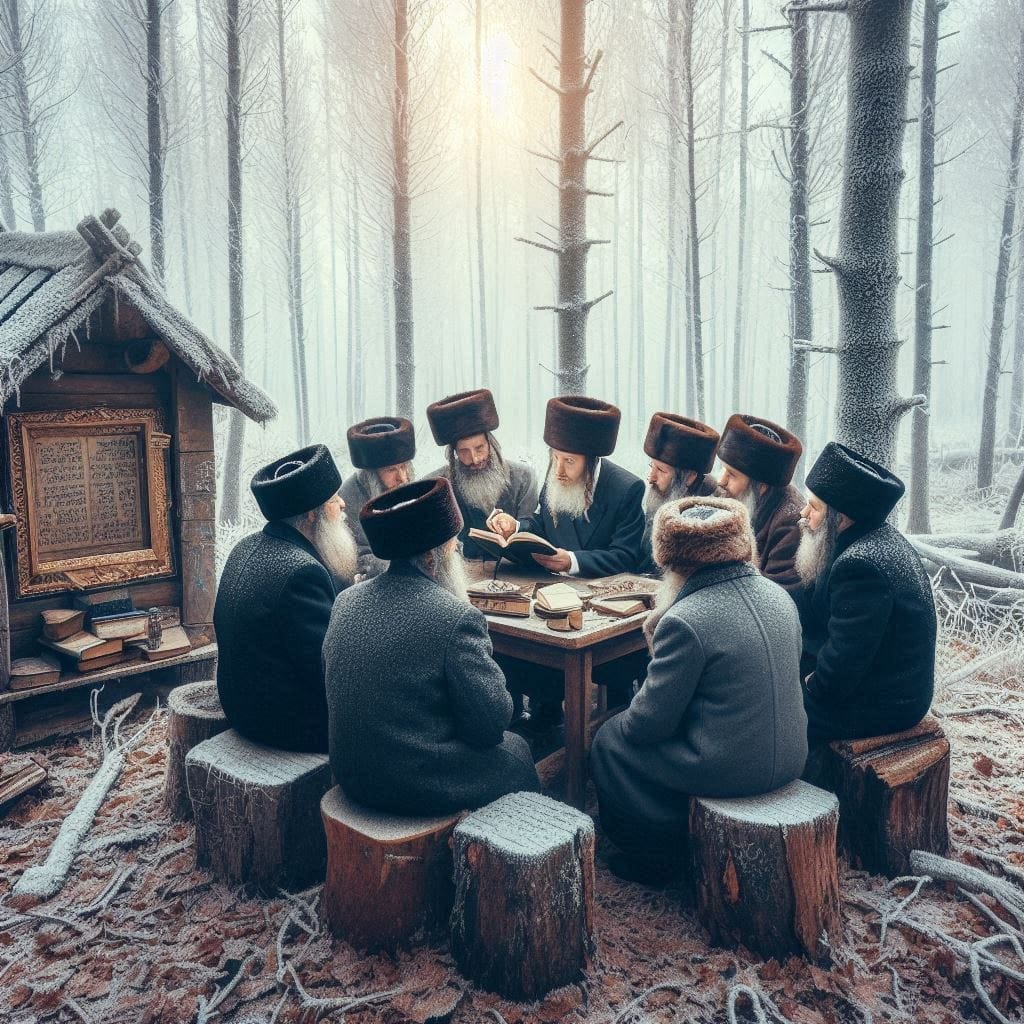
6. Rambam — The Philosophical Cage of Evil
The Rambam strips away mythology yet acknowledges the force of corruption.
In Moreh Nevuchim III he writes that evil is privation, not substance.
Still, those who surrender intellect to passion become its vehicle.
Thus Satan is both symbol and reality: a metaphoric name for every destructive power that arises when reason yields to appetite.
In Hilchot Teshuvah 5 he defines free will as the axis of judgment.
When man chooses good, the adversary is banished; when he chooses evil, he awakens him.
The Rambam’s rationalism does not deny Satan’s existence—it confines it.
He exists wherever man’s ignorance gives him space.

7. Midrashic and Aggadic Color — Evil at Work
Midrash fills the portrait with dread and precision.
Satan is active in nearly every human fall:
He seduced Chavah and fathered jealousy in Kayin (Pirkei de-Rabbi Eliezer).
He tried to prevent Avraham from offering Yitzhak (Tanchuma Vayera).
He raged when the Torah was given (Mesechet Shabbat).
He rejoiced at the Golden Calf (Yerushalmi Targum to Exodus).
He inspired David’s sin with Bat-Sheva (Yalkut on Shmuel perek 11 (148) [15] Gemara Sanhedrin 107a)
These stories show unambiguous malice.
He loves destruction; he feeds on impurity.
Yet even his triumphs serve Heaven.
When man repents, his sin becomes merit; Satan’s victory collapses into defeat.
He is the blacksmith of holiness—his hammer strikes, but the King shapes the metal.
8. Kabbalah — Sitra Achra and the Poison of the Left Side
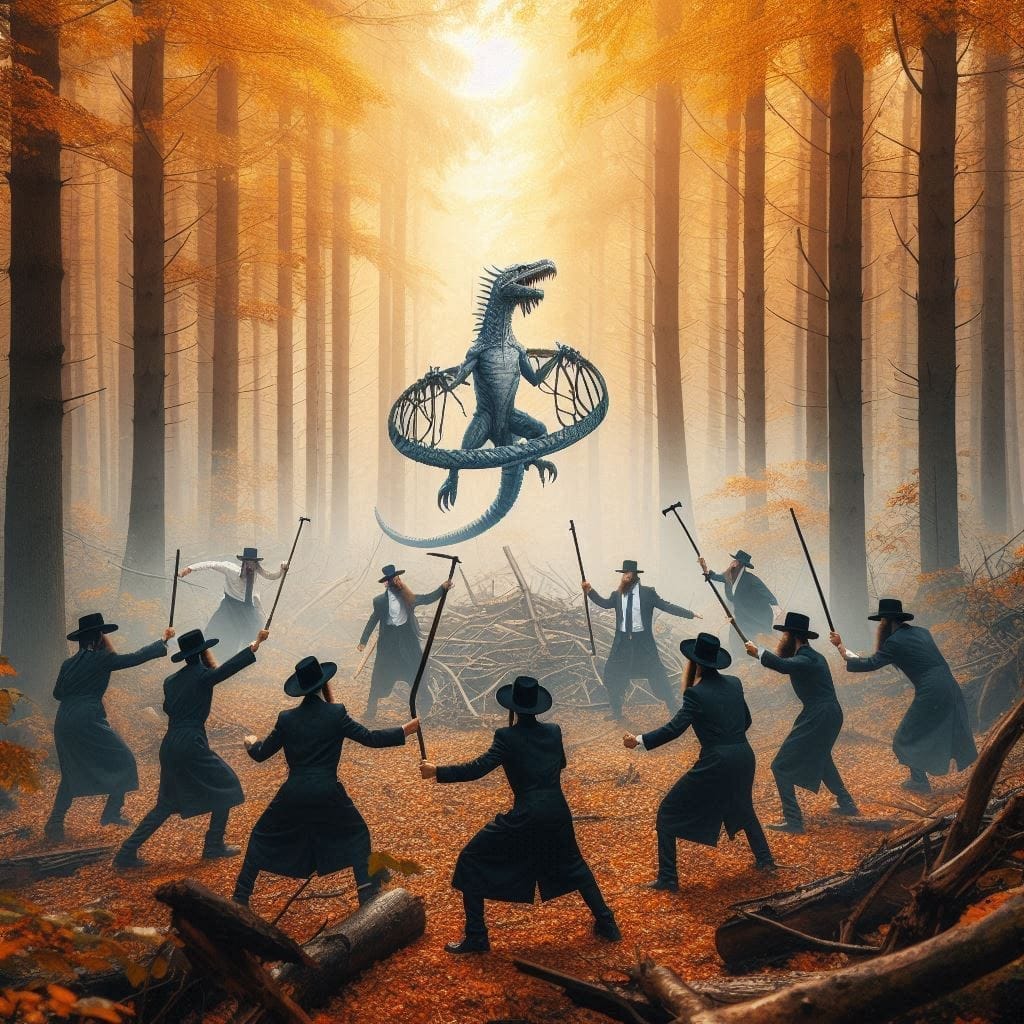
The Zohar calls him the Sitra Achra, the Other Side, the realm of Din and Tum’ah.
He is ra b’atzmo — evil itself — a being of spiritual venom.
His host of demons are called kelipot, “husks,” which cling to holiness to suck its life.
The Zohar teaches that this side has no vitality of its own: it exists only by the faint light stolen from holiness.
Every sin feeds it; every mitzvah starves it.
The mystics describe Satan as the serpent coiled around the Tree of Knowledge—seductive, poisonous, yet leashed to the divine plan.
He is darkness that gnaws at light.
His task is destruction; his purpose, paradoxically, is the revelation of mercy through resistance.
When the righteous overcome him, his stolen sparks ascend, and the predator becomes unwilling servant.
But contact with him defiles; he is evil without compassion, judgment without love.
9. Practice — Guarding Against the Adversary
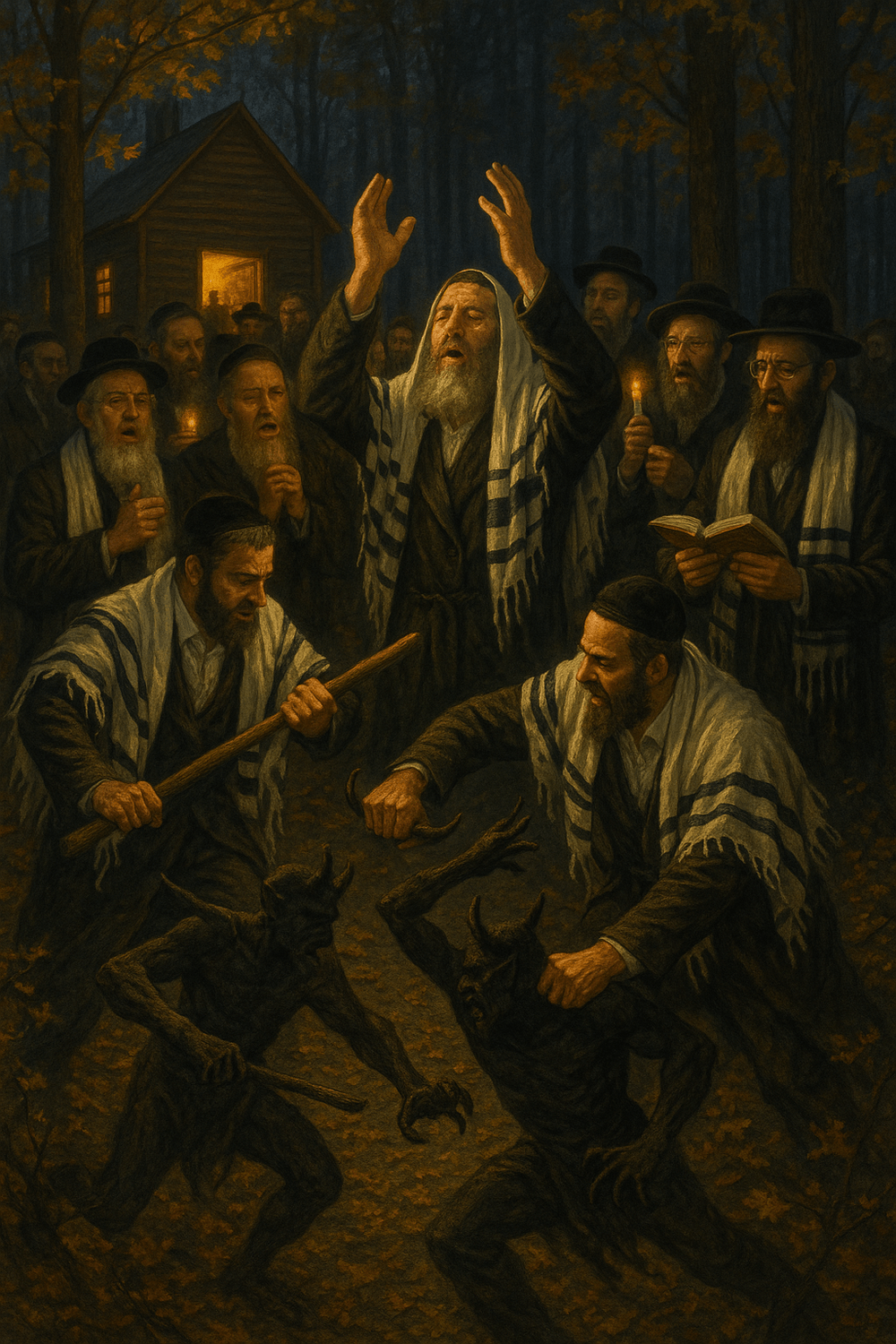
In Prayer: In evening we plead, “Deliver us from the hand of the Adversary.”
We mean both the outer enemy and the inner whisper that twists good intent.
On Rosh HaShanah: The shofar confounds him; hearing Israel crown the King, he is silenced—evil cannot prosecute loyalty.
On Yom Kippur: His realm—364 days—ends. The scapegoat, se’ir la-Azazel, represents the handing over of all impurity to its own ruler so that the camp may be pure.
Rambam (Moreh III) calls it a symbolic act of separation; Kabbalah calls it feeding the beast its due so it will leave Israel unmolested.
In Daily Life: Satan lurks wherever holiness weakens—idle talk, anger, arrogance, impurity, strife.
Every mitzvah narrows his domain; every kindness wounds him.
Peace drives him out; discord summons him.
Thus halakhic order itself is the weapon forged against him.
10. Why Evil Exists — The Divine Trial and the Healing of the Soul
Why would a good and merciful God create a being so cruel, so full of malice and deceit?
Because without resistance, there can be no strength; without night, we could not recognize light.
Free will means nothing if there is no real opposition to overcome.
The Talmud teaches, “Whoever is greater than his fellow, his yetzer is greater.”
The holier the soul, the more fiercely it is tested.
When you feel surrounded by confusion, despair, and inner torment, know this: the storm does not come to destroy you—it comes to reveal what you are made of.
Hashem permits Satan to roar so that your prayer will rise louder than his voice.
Satan is the executioner of justice, not its author.
He accuses until repentance silences him; he strikes only when Heaven commands.
He is evil, yes—deceitful, pitiless, corrosive—but his power stops where divine mercy begins.
He can shake the branches, but he cannot uproot the tree that clings to its roots in Torah and faith.
Many people today feel trapped in darkness—tormented by anxiety, depression, trauma, or guilt.
They feel as if something outside them has seized control.
But the truth, taught by our sages, is that Satan can only whisper—he cannot possess.
He can wound, but he cannot own the soul that calls out to its Creator.
Even in the heart of suffering, Hashem’s compassion flows like hidden water beneath the frozen ground.
Rebbe Nachman taught, “There is no despair in the world at all.”
Even when evil surrounds you, when the night feels endless, the smallest spark of faith can split the darkness.
Satan’s cruelty becomes the backdrop against which your courage is written.
He is the storm that scours the vessel so that the soul may shine with greater clarity.
He is the cold wind that forces you to seek warmth in prayer, the pain that awakens compassion in your heart.
And when you rise again—when you forgive, repent, or simply breathe through the darkness—he loses another fragment of his strength.
Every act of kindness wounds him.
Every moment of faith shatters his illusions.
Every word of Torah you speak is a sword of light that cuts through his deceit.
Evil exists so that we can overcome it—not alone, but with Hashem beside us.
The storm howls, yet it obeys its Master.
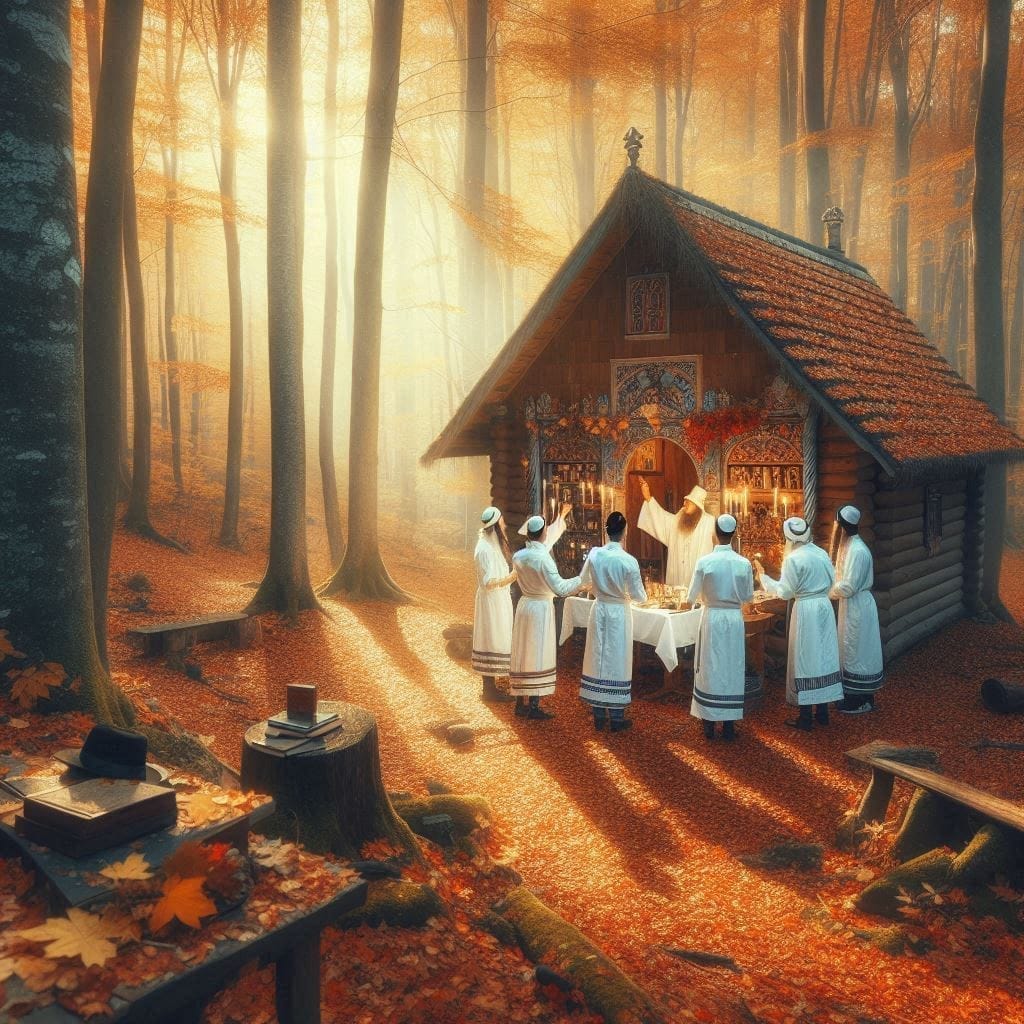
The wind rages, yet it cannot enter the home lit by Torah and song.
So too in your heart: the winds may rise, but if you kindle even one small flame of faith, no darkness can extinguish it.
11. Ein Od Milvado — No Rival Power
Monotheism forbids rivals.
“Know today and set it upon your heart that Hashem is God … there is none else.”
(Devarim/ Deuteronomy 4:39)
Satan’s very existence proclaims this verse, for every time he acts, he must receive permission.
He can tempt, but not compel; destroy, but only when justice demands.
He is the shadow that proves the presence of light.
To fear him more than sin is idolatry; to ignore him is folly.
He is hateful, real, and dangerous—but he is not free.
The Jew who clings to Torah stands beyond his reach.
When holiness fills the heart, the Accuser finds no accusation.
Then his evil becomes evidence of God’s unity: even the destroyer serves the Creator.

12. 364 and the Secret of Mercy
The letters of שָׂטָן add to 364, leaving one day beyond his dominion—Yom Kippur.
Midrash says he rises to accuse but, seeing Israel fasting and confessing, trembles and falls silent.
That day’s holiness burns hotter than his fire.
Mystics note that within his name hides mercy:
ש is divine flame,
ט contains the hidden tov,
and
ן the faithful nefesh that endures.
Even within the adversary God plants the seed of return.
But that seed will not bloom until evil exhausts itself.
In the future redemption, say the sages, death itself—the final mask of Satan—will be swallowed up forever.
13. On “Possession” and the Battle of the Mind
In every generation people have claimed to be “possessed by the devil,” as if an outside power had seized their soul.
Judaism rejects that dualistic view. Ha-Satan cannot enter a person like a second deity taking control; he can only tempt, confuse, and accuse from the shadows of human weakness.
When the Sages speak of demons or of Satan’s influence, they describe spiritual interference, not total loss of moral agency.
The Rambam (in Moreh Nevuchim III and Hilchot De’ot) insists that most so-called “spirits” are products of imagination or imbalance of the humors—what we would call mental or emotional illness.
Kabbalah agrees that the Sitra Achra can cling only where a person’s mind or heart has become fractured by sin, trauma, or despair.
Therefore, true healing comes not through exorcism but through teshuvah, tefillah, and refuah—repentance, prayer, and proper medical care.
The Torah commands us to heal the body and the psyche alike: “v’rapo yerapeh.”
Mental illness is not possession; it is suffering that deserves compassion and treatment.
Satan is real, but he works through deception, not physical invasion—his greatest victory is to make a person believe he has no freedom.
The cure is knowledge, discipline, and faith: to restore clarity so that the mind again reflects the divine image in which it was made.
14. Conclusion — The Fear and Hope of the Adversary
To study Satan is to study the machinery of freedom.
He is no friend of man; he is the enemy allowed to exist so that man may become righteous.
He is the prosecutor who loves guilt, the serpent who hisses doubt, the angel who rejoices in ruin.
Yet even as he rages, he fulfills his Maker’s command.
Every moment of Torah, prayer, and mitzvah diminishes him.
Every act of peace strikes him blind.
When Israel returns to God, the accuser becomes the witness: the same voice that sought our downfall testifies that we overcame.
Satan is evil incarnate, but the Master of the universe uses even evil for good.
WHAT DO WE DO!?!?!?!?!?!?
HOW DO WE DEFEAT SATAN?!?!?!?!?
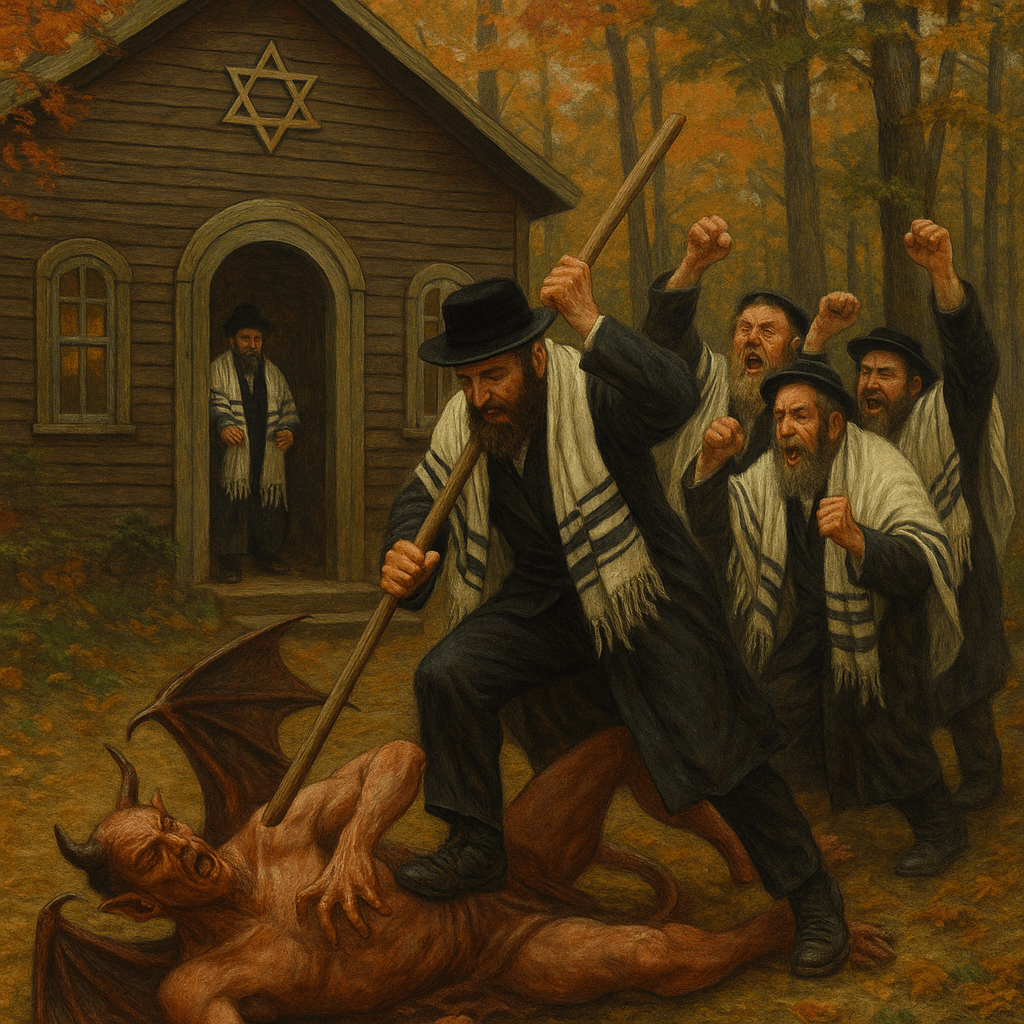
The Jew’s and the person's task is not to deny his reality nor to romanticize it, but to confront and conquer it through Holiness in and with Teshuvah (repentance), Torah (G-d's divine law), Halacha (rulings of the court G-d commanded to be made in the Torah), Prayer, Wisdom, and Joy.
When the righteous triumph over temptation, even the Destroyer’s duty is to proclaim:
“Ein od milvado — There is none besides Him (G-d).”
It’s Only HaShem
Shaarei Tzafon — The North Gate
Orthodox Jewish Life and Torah Study in Northeastern Michigan
Shaarei Tzafon — The North Gate, led by Rabbi Ariel Manning, is an independent, family-led Orthodox Jewish educational and publishing initiative based in Northeastern Michigan. We support traditional Jewish life, Torah study, Halakhah, and Jewish education throughout Alpena, Hillman, Rogers City, and surrounding communities. Those interested in traditional Judaism are welcome to contact us for educational resources, Torah learning, and opportunities for discussion by prior arrangement.
Rooted locally, our greater mission extends northward from the 45th parallel — The North Gate — through Michigan, Canada, and Alaska toward the Arctic. We seek to encourage independent Jewish communities, family-centered Torah education, and the renewal of small batei midrash and shtieblach, preserving the rich traditions of Orthodox Judaism for future generations.
Our work begins in Northeastern Michigan, but our vision extends from the 45th parallel toward the Arctic.
Guided by Rambam and Mori Qafiḥ, uplifted by Rebbe Nachman, and grounded by Avraham ben HaRambam’s balance of halakha and inward avodah.
The Orchard’s Path
publishes our books and curricula.
Our mission: a bright, authentic Jewish presence in every northern town.
Created with ©systeme.io


