
Selichot
B"H
Part I — The Call to Return
Selichot are not merely additional prayers added before Rosh Hashanah and Yom Kippur. They are a summons. They call the Jew to awaken, to examine his ways, to confess what has gone wrong, and to return to HaShem while the gates of mercy stand open.
The foundation of Selichot is already contained in the Torah’s command that the words of Torah should accompany a person through every movement of life:
Deuteronomy 6:7
“Impress them upon your children. Recite them when you stay at home and when you are away, when you lie down and when you get up.”
Torah is not meant to occupy only one part of the day. It surrounds the Jew: morning and evening, at home and on the road, in moments of strength and in moments of weakness. Selichot arise from this same vision. Before the ordinary business of the day begins, a person rises and turns toward the Creator.
This is particularly powerful when Selichot are recited during the ashmorot, the final watches of the night. The world is quiet. The distractions of the day have not yet begun. A person stands before HaShem without the noise that usually surrounds him.
The purpose is not despair. Selichot do not teach that man is trapped beneath his failures. They teach precisely the opposite: because man can return, he is commanded to return.
Repentance begins when a person ceases running from himself.
He recognizes that his actions matter, that his words matter, that his habits matter, and that his relationship with HaShem can be repaired.
Selichot begin with awakening.

Part II — HaShem Is Near
The great consolation behind repentance is that HaShem is not distant from those who call upon Him.
The Torah declares:
Deuteronomy 4:7
“For what great nation is there that has a god so close at hand as is our God HaShem whenever we call?”
This verse becomes one of the central foundations of the Jewish understanding of communal prayer. Israel does not cry into an empty heaven. HaShem hears.
The prophet Isaiah develops the same idea:
Isaiah 55:6
“Seek GOD while you can,
Call out while [God] is near.”
HaShem is always God, and repentance is always desirable, but Jewish tradition recognizes particular seasons in which the nearness of God is experienced with special intensity.
Selichot trains us to recognize these seasons.
There are times when a person may have allowed months to pass without serious self-examination. Elul arrives and reminds him that another year is closing. The shofar begins to sound. The prayers begin to change. Rosh Hashanah approaches.
The message is not that HaShem has suddenly become available when He previously was not. Rather, the person is being commanded to become available to HaShem.
“Seek HaShem while He may be found” therefore speaks as much about human readiness as Divine nearness.
There are moments when the heart is easier to open.
Selichot takes advantage of that opening.
The person rises and says: I have not forgotten that You are near. I have wandered, but I am calling again.

Part III — The Shofar of Elul
The month of Elul is marked by the sound of the shofar in many communities. Its voice is ancient, unsettling, and impossible to reduce to mere music.
The prophet Amos asks:
Amos 3:6
“When a ram’s horn is sounded in a town,
Do the people not take alarm?”
The shofar interrupts normal life.
The Tur, in Orach Chaim 581, connects the Elul shofar with Moshe Rabbeinu’s ascent to receive the final Tablets after the sin of the Golden Calf. According to the tradition he records, a shofar was sounded through the camp when Moshe ascended so that Israel would not repeat its earlier error.
The shofar therefore became associated with repentance, warning, and renewed covenant.
The Tur further connects this with:
Psalms 47:6
“God ascends midst acclamation;
the LORD, to the blasts of the horn.”
The sound of Elul announces that the year is turning.
The shofar does not explain itself. It does not give a lecture or make an argument. It simply cries.
Its message enters beneath ordinary speech.
Wake up.
Remember.
Return.
The sound also destroys complacency. A person can easily become accustomed to his own habits. Wrongdoing becomes ordinary when repeated long enough. The shofar breaks that illusion.
The Days of Awe are approaching.
The King is drawing near.
The judgment of Rosh Hashanah is not meant to produce paralysis, but seriousness. The shofar tells us there is still time to change direction.
That is why the shofar of Elul and the Selichot prayers belong together. One awakens the heart; the other gives the awakened heart words.

Part IV — Confession and Abandoning Sin
Selichot cannot be reduced to reciting beautiful penitential poetry. Repentance requires truth.
Proverbs teaches:
Proverbs 28:13
“He who covers up his faults will not succeed;
He who confesses and gives them up will find mercy.”
The verse contains two necessary movements: confession and abandonment.
A person must acknowledge what he has done, but confession alone is incomplete if he intends to continue behaving in exactly the same manner.
Likewise, merely changing behavior without acknowledging wrongdoing leaves part of repentance unfinished.
Selichot repeatedly teaches the worshipper to say: we have sinned, we have rebelled, we have acted wrongly.
This language is intentionally uncomfortable.
Modern people often prefer explanations to confessions. We explain why we became angry, why we spoke badly, why we neglected a commandment, why circumstances made something difficult.
Some explanations may be true. Circumstances matter. Yet repentance begins when explanation no longer becomes an excuse.
“I did this.”
“I should not have done it.”
“I want to change.”
The communal form of confession is also significant. Judaism does not present repentance only as an isolated private experience. We say we have sinned.
This creates humility. One person does not stand above another. Everyone enters the season of repentance together.
The righteous pray alongside those who struggle openly, and those who struggle secretly stand beside everyone else.
Selichot reminds us that human beings need mercy because human beings fail.
But the very command to confess proves that failure is not final.

Part V — The Ten Days of Repentance
The period between Rosh Hashanah and Yom Kippur receives a special status in the Talmud.
In Rosh Hashanah 18a, the Gemara asks when HaShem is especially near to the individual. Rabba bar Avuh answers:
“These are the ten days between Rosh HaShana and Yom Kippur.”
These became known as the Aseret Yemei Teshuvah, the Ten Days of Repentance.
During this period, the judgment of Rosh Hashanah moves toward the purification and atonement of Yom Kippur.
The Gemara describes these days as a final opportunity to repent from the sins of the preceding year.
This should not be understood as an invitation to postpone repentance until the final moment. Rather, it demonstrates the extraordinary generosity of Divine mercy.
Even after a year of missed opportunities, another opening remains.
Even after Rosh Hashanah arrives, Yom Kippur still lies ahead.
The Rambam gives these days enormous importance.
In Mishneh Torah, Hilchot Teshuvah 2:6, he teaches:
“Even though repentance and calling out to God are desirable at all times, during the ten days between Rosh HaShanah and Yom Kippur they are even more desirable and will be accepted immediately.”
The Rambam anchors this directly in Isaiah:
“Seek God when He is to be found.”
Selichot during this season therefore is not simply an inherited liturgical custom. It expresses a theological reality: there are appointed times for intensified repentance.
The wise person does not waste them.

Part VI — The Individual and the Community
The Talmud distinguishes between individual and communal repentance.
In Rosh Hashanah 17b, the Gemara discusses whether repentance after a decree has been issued can still alter judgment. It resolves the difficulty by distinguishing between the repentance of an individual and that of a community.
The Rambam preserves this distinction in Hilchot Teshuvah 2:6.
For the individual, the Ten Days of Repentance possess a special immediacy.
But concerning a community, the Rambam writes that whenever the community repents and cries out wholeheartedly, it is answered immediately.
He cites Deuteronomy:
“What nation is so great that they have God close to them, as HaShem our God is whenever we call Him?”
This is one reason Selichot is so powerful when prayed with a congregation.
The individual arrives carrying private failures, private fears, and private hopes. Yet once he enters the congregation, his voice becomes part of the voice of Israel.
The prayers are overwhelmingly plural.
Forgive us.
Pardon us.
Answer us.
Have mercy upon us.
The individual is not erased. Rather, he is carried by the community.
Judaism refuses to make repentance entirely individualistic because sin itself rarely remains entirely individual. Our actions affect spouses, children, neighbors, students, communities, and generations.
Therefore communal repentance seeks not merely better individuals but a repaired people.
Selichot reminds Israel that we stand together before HaShem.

Part VII — When Selichot Begins
Different Jewish communities developed different customs regarding when Selichot begins.
The Shulchan Aruch, Orach Chaim 581:1, records the custom of rising before dawn to recite Selichot and supplications from Rosh Chodesh Elul until Yom Kippur.
The Rema records the Ashkenazi practice differently.
Ashkenazim begin Selichot on the Sunday before Rosh Hashanah. However, if Rosh Hashanah falls on Monday or Tuesday, Selichot begins on the Sunday of the preceding week, thereby ensuring a substantial period of Selichot before the festival.
The Tur records still earlier diversity.
He mentions authorities who recited Selichot specifically during the Ten Days of Repentance, others who began during the final days of Elul, and customs that ultimately developed into the Ashkenazi system known today.
This diversity teaches an important lesson.
The central obligation is repentance.
The customs arrange time around that obligation.
One community may awaken throughout Elul. Another intensifies the final week before Rosh Hashanah. Another historical practice concentrated upon the Ten Days.
The external schedules vary, but the spiritual movement is the same:
awakening,
confession,
supplication,
return.
The existence of different customs should therefore not obscure their common purpose.
Selichot is an instrument.
Teshuvah is the goal.

Part VIII — Rising Before Dawn
The traditional hour for Selichot carries its own message.
The Shulchan Aruch speaks of rising at the break of dawn. The Tur likewise describes the ashmorot, the night watches.
Why rise early?
Because repentance requires effort.
A person demonstrates that returning to HaShem deserves a place in his life more serious than whatever time remains after everything else is finished.
Before business.
Before work.
Before ordinary conversation.
Before the mind becomes cluttered.
The worshipper rises.
There is also symbolism in the movement from darkness toward light.
Selichot often begins while the world is still dark. As the prayers proceed, dawn approaches.
The physical world becomes a commentary on repentance.
A person begins in darkness but does not remain there.
The light returns gradually.
Teshuvah usually works the same way.
Few people transform themselves in a single dramatic moment. More often, repentance comes like dawn: one decision, one corrected habit, one apology, one prayer, one mitzvah, then another.
At first the difference seems small.
Then suddenly the entire horizon has changed.
This is why the early hour should not be treated as mere inconvenience or inherited ceremony.
The time itself preaches.
Rise from sleep.
Rise from habit.
Rise from sin.
Walk toward the light.

Part IX — Judgment with Confidence
The approach to Rosh Hashanah contains a remarkable paradox.
It is a day of judgment, yet Israel does not approach it as people without hope.
The Tur records the Midrash describing how ordinary litigants facing judgment might dress in black, neglect their appearance, and fear the verdict.
Israel behaves differently.
They prepare themselves, wash, dress respectfully, and enter Rosh Hashanah with confidence in the mercy of HaShem.
This confidence is not arrogance.
It does not mean that judgment is meaningless or that repentance is unnecessary.
Rather, it reflects knowledge of the Judge.
Israel knows the One before whom it stands.
The God who judges is also the God who taught repentance.
The God who exposes sin is also the God who forgives sin.
The God who commands confession is also the God who promises mercy to those who abandon wrongdoing.
This produces the distinctive atmosphere of the Days of Awe: trembling joined with confidence.
Fear without despair.
Joy without frivolity.
Seriousness without hopelessness.
Selichot prepares us for this balance.
The prayers may contain painful admissions, but they continually appeal to Divine compassion.
We confess precisely because we believe confession matters.
We ask forgiveness precisely because we believe forgiveness exists.
The Jew therefore enters Rosh Hashanah not pretending to be innocent, but trusting that repentance, prayer, and Divine mercy are real.
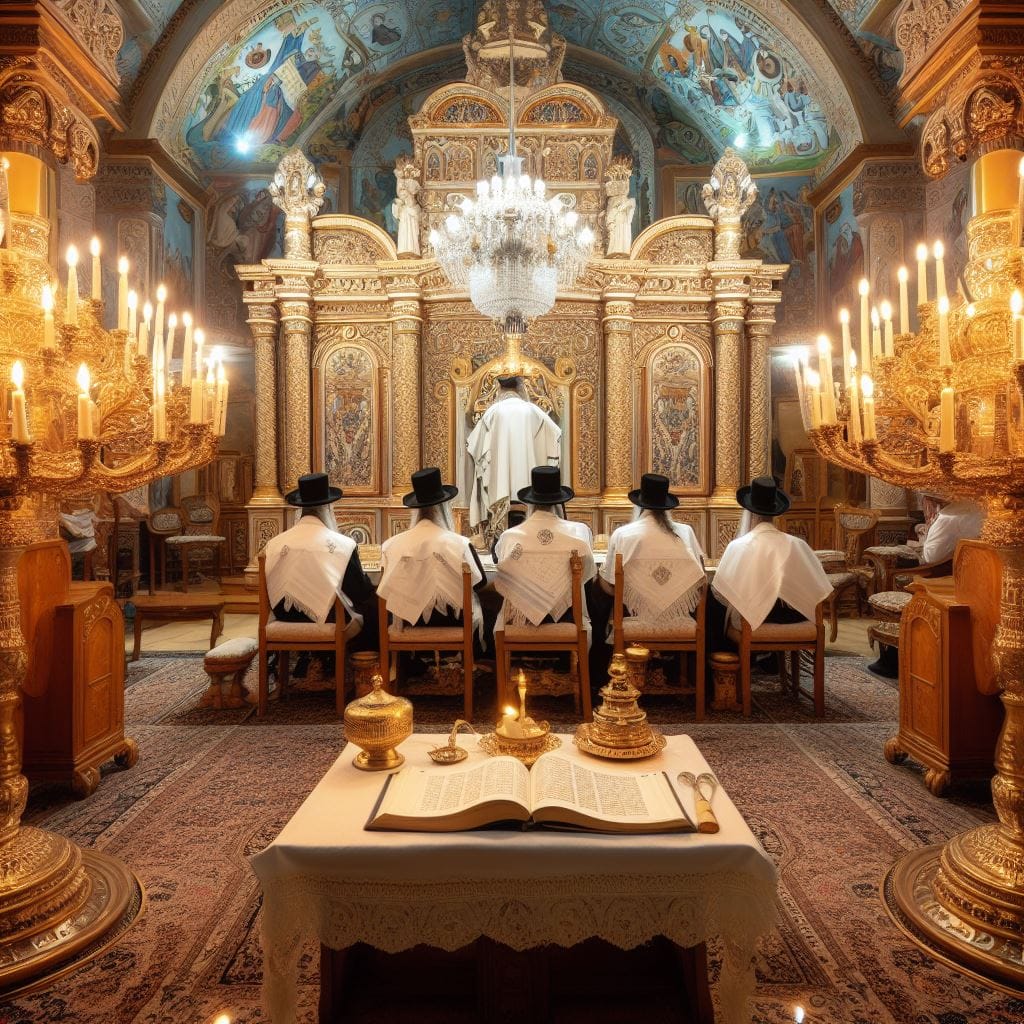
Part X — The Purpose of Selichot
The purpose of Selichot is transformation.
Its success cannot be measured merely by how many poems were recited, how early one awakened, how loudly the congregation responded, or how emotionally moving the service became.
The real question is what happens afterward.
Did anger decrease?
Was forgiveness sought?
Were debts repaid?
Was dishonest behavior abandoned?
Did prayer improve?
Did Torah study become more consistent?
Did relationships become healthier?
Did one mitzvah previously neglected become established?
Did the worshipper become more conscious that he lives before HaShem?
Selichot must eventually leave the synagogue.
Deuteronomy commands Torah when we sit at home and when we travel, when we lie down and when we rise.
Repentance must enter those same places.
T
he home must feel it.
The children must see it.
The workplace must see it.
The stranger must see it.
The spouse must see it.
The worshipper himself must eventually recognize that something has changed.
This is the meaning of:
“He who confesses and gives them up will find mercy.”
Selichot is not an annual exercise in remembering how terrible we are.
It is an annual declaration that we can become better than we were.
The shofar cries because there is still time.
Isaiah commands us to seek because HaShem is near.
The Talmud identifies the Ten Days because Heaven has given us another opening.
The Rambam commands intensified repentance because these days possess extraordinary power.
The Shulchan Aruch and the Tur preserve the customs because generations of Israel understood that awakening requires structure.
And so we rise.
We call.
We confess.
We seek.
We listen to the shofar.
We stand among Israel.
We remember the covenant.
We ask for mercy.
And above all, we return.
That is Selichot.
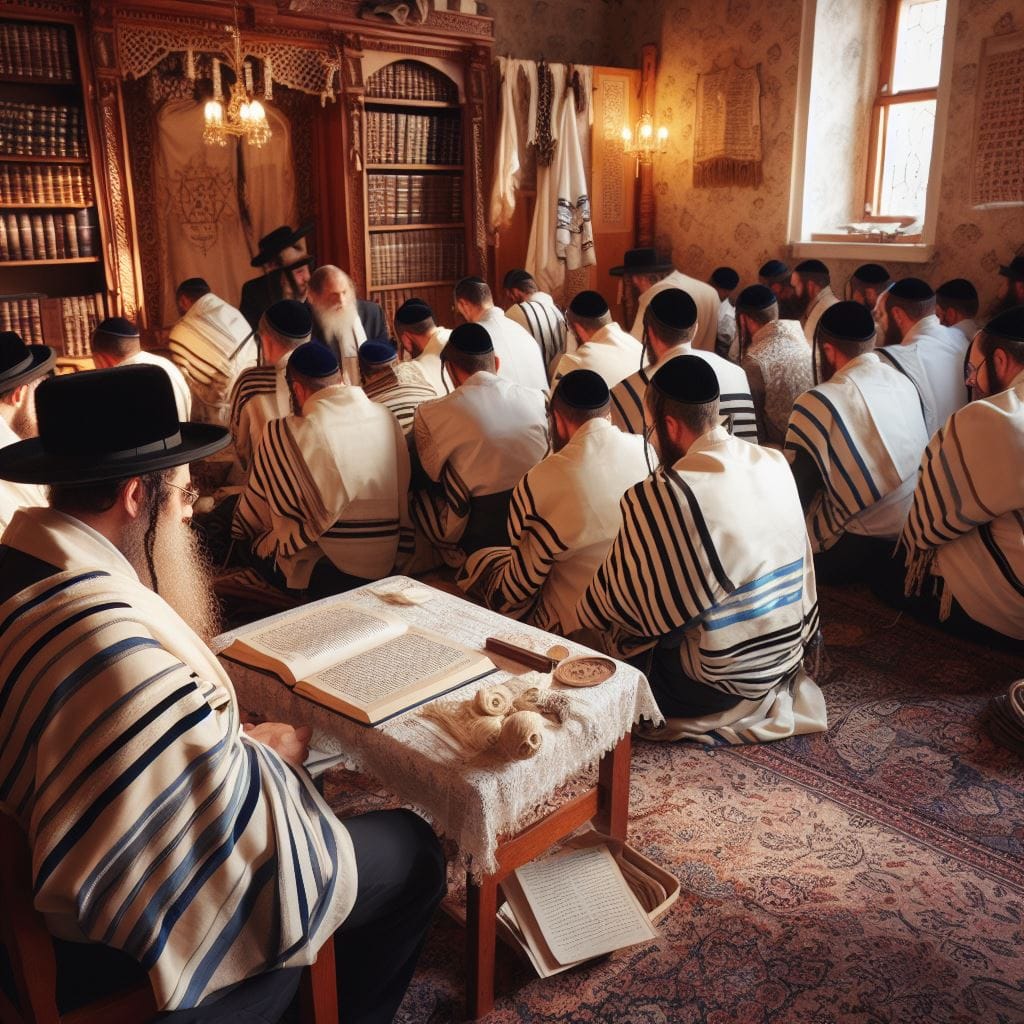
Selichot — The Call to Return: Torah, Repentance, and Divine Mercy
Selichot (סליחות) are traditional Jewish penitential prayers that prepare the heart for repentance, forgiveness, and renewed devotion to HaShem, particularly during Elul and the Days of Awe.
This ten-part Torah teaching examines the meaning, history, and Halakhah of Selichot through the Tanakh, Mishnah, Gemara, Rambam's Mishneh Torah, the Tur, and the Shulchan Aruch.
Beginning with the call to awaken spiritually, the lecture explores how Selichot encourages a person to recognize wrongdoing, confess sincerely, abandon harmful behavior, and return to the commandments of Torah.
Particular attention is given to the shofar of Elul, the significance of rising during the final watches of the night, and the relationship between individual repentance and communal prayer.
The teaching also examines the different customs of Jewish communities. Sephardi traditions generally begin Selichot during Elul, while Ashkenazi communities traditionally begin shortly before Rosh Hashanah, following the customs recorded by the Rema in Orach Chaim 581.
Drawing upon Rambam's Hilchot Teshuvah 2:6 and the Gemara in Rosh Hashanah 18a, the lecture considers the special spiritual significance of the Aseret Yemei Teshuvah, the Ten Days of Repentance between Rosh Hashanah and Yom Kippur.
Yet the essential purpose of Selichot is not simply the recitation of prayers or penitential poetry. Genuine Teshuvah requires transformation: correcting wrongdoing, seeking forgiveness, improving relationships, strengthening Torah study, and living with greater awareness of HaShem.
Presented by Rabbi Ariel Manning of Shaarei Tzafon (The North Gate), this teaching contributes to traditional Orthodox Jewish education and Torah study in Alpena, Hillman, Rogers City, and throughout Northeastern Michigan.
Shaarei Tzafon is an independent, family-led Orthodox Jewish educational and publishing initiative rooted in Northeastern Michigan, with a broader educational mission extending from the 45th parallel through the boreal regions toward the Arctic.
The essential lesson: Selichot is the call to awaken, but Teshuvah is the journey of return. Its true measure is not how many prayers are recited, but how profoundly a person's conduct changes.
Shaarei Tzafon — The North Gate
Orthodox Jewish Life and Torah Study in Northeastern Michigan
Shaarei Tzafon — The North Gate, led by Rabbi Ariel Manning, is an independent, family-led Orthodox Jewish educational and publishing initiative based in Northeastern Michigan. We support traditional Jewish life, Torah study, Halakhah, and Jewish education throughout Alpena, Hillman, Rogers City, and surrounding communities. Those interested in traditional Judaism are welcome to contact us for educational resources, Torah learning, and opportunities for discussion by prior arrangement.
Rooted locally, our greater mission extends northward from the 45th parallel — The North Gate — through Michigan, Canada, and Alaska toward the Arctic. We seek to encourage independent Jewish communities, family-centered Torah education, and the renewal of small batei midrash and shtieblach, preserving the rich traditions of Orthodox Judaism for future generations.
Our work begins in Northeastern Michigan, but our vision extends from the 45th parallel toward the Arctic.
Guided by Rambam and Mori Qafiḥ, uplifted by Rebbe Nachman, and grounded by Avraham ben HaRambam’s balance of halakha and inward avodah.
The Orchard’s Path
publishes our books and curricula.
Our mission: a bright, authentic Jewish presence in every northern town.
Created with ©systeme.io


