
The Dreidel
B"H
“This essay reflects deeper internal study and is shared for those who wish to explore the foundations of this path.”
1. Introduction: The Light of Hanukkah
Hanukkah stands at a unique crossroads of Jewish memory, spiritual renewal, and cosmic symbolism. It is not merely a commemoration of ancient victories, nor simply the remembrance of a miraculous flask of oil. Instead, Hanukkah unfolds as a profound revelation of the hidden ways that divine light penetrates the fabric of reality. When the world appears darkened—whether by external forces or internal discouragement—Hanukkah arrives to remind us that the light of Hashem has never ceased shining. It only waits for us to uncover it.
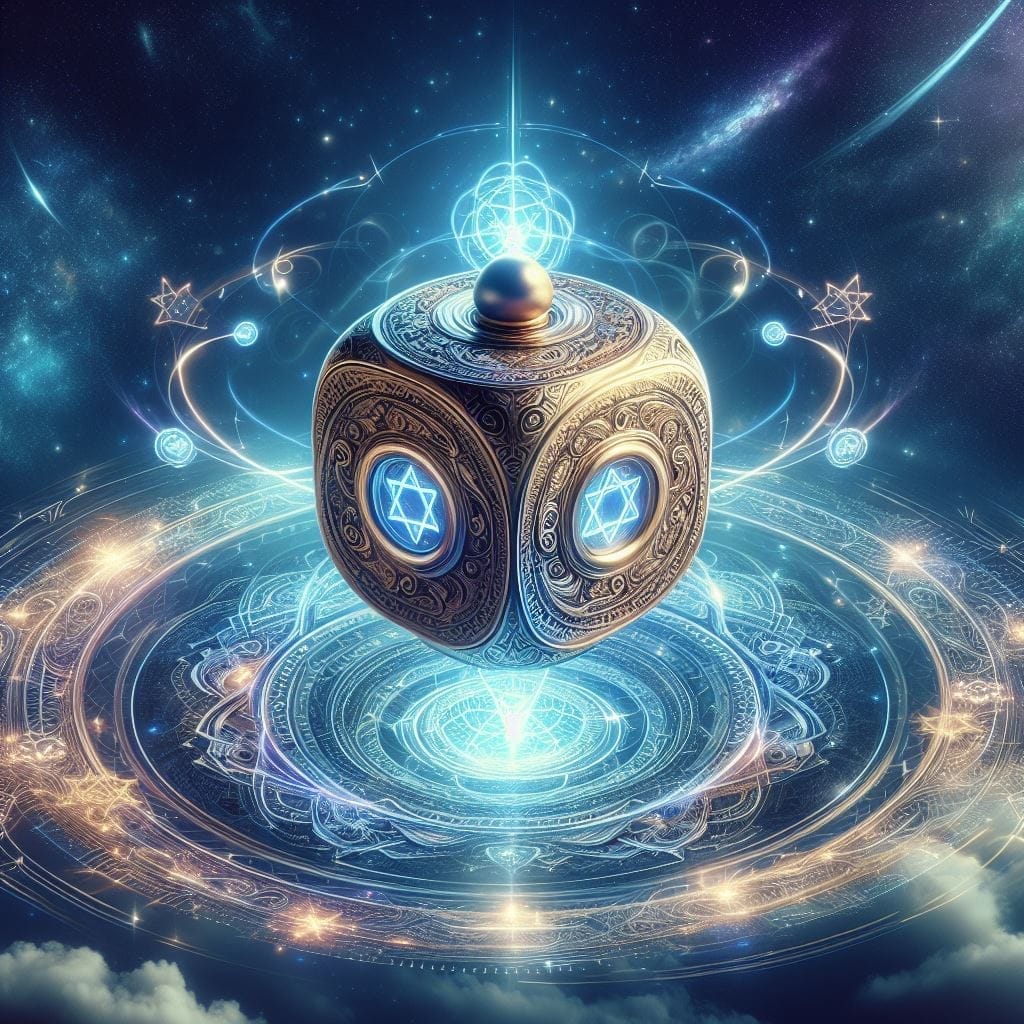
The dreidel, a humble spinning top often associated with children’s play, contains within its design layers of mystical teaching. Though small, it reflects grand principles of creation. Rebbe Nachman of Breslov teaches that existence itself behaves like a revolving wheel. Everything in life—joy and struggle, clarity and confusion, ascent and descent—moves in cycles. Nothing remains static; nothing stays frozen. The descent is not the end but the beginning of ascent, and the ascent is sustained only when grounded in humility and awareness of Hashem.
The dreidel embodies this principle of cyclical transformation. When we spin it, the letters blur together, reminding us that our vision is limited. What appears random is guided by hidden forces. Just as the dreidel’s motion depends on the unseen hand that sets it in motion, so too the events of history revolve around the divine will. The dreidel hints that there is an order even in what appears chaotic. Through this symbol, Hanukkah teaches us the art of perceiving the hidden light and trusting Hashem’s providence even when circumstances conceal His presence.
2. Kislev: A Month of Inner Renewal
The month of Kislev is saturated with spiritual opportunity. Its very placement within the calendar carries meaning. The Chasam Sofer taught that the first day of Kislev always occurs forty days after Sukkot, forming what he called a “miniature Yom Kippur.” Just as Yom Kippur invites us to purify ourselves and realign with Hashem’s will, so the first of Kislev provides another window of introspection and correction. By the time Hanukkah arrives, the cumulative effect of these days has prepared the soul to receive great spiritual light.
Kislev is associated with breaking negative habits and redirecting one’s inner trajectory. The heart finds softness during this period; the mind becomes more receptive to change. Those who have struggled since the High Holidays to anchor their resolutions may find in Kislev a renewed strength, an echo of Yom Kippur’s hope.
The mazal of Kislev is the keshet, the bow. The bow represents tension, direction, and precision. When an archer draws the bowstring back, the tension builds—but this tension is what propels the arrow forward. Similarly, the emotional, spiritual, or existential tensions a person feels during Kislev are not setbacks; they are the very force that, with proper intention, can launch one into a higher spiritual state.
Kabbalists explain that the bow symbolizes prayer. Prayer is the weapon of the soul, the means by which we aim our desires toward Hashem. Throughout Kislev and extending into Tevet—until the final day of Hanukkah—heavenly assistance increases. This period is ideal for refining tefillah, deepening sincerity, and resetting one’s inner compass. Every prayer uttered with intention becomes an arrow released into the heart of divine mercy.
3. The Wheel of Creation and the Potential for Teshuvah
Rebbe Nachman emphasizes that teshuvah is the foundation of spiritual life. Teshuvah does not simply mean repenting for isolated mistakes; it refers to returning to one’s divine source, realigning the fragmented self, and waking up from spiritual sleep. Teshuvah requires courage, honesty, and tenderness toward oneself.
This process mirrors the cosmic wheel Rebbe Nachman describes. When a person falls, that fall contains hidden potential for ascent. When a person ascends, that ascent must be guarded from arrogance or forgetfulness, or it may lead to a future fall. The movement itself is not a flaw—it is the nature of existence. The challenge is not to avoid the wheel, but to learn how to rise within it.
Kislev’s spiritual energy supports this work. Just as the archer focuses intently before releasing the arrow, a person must focus inwardly to identify which patterns need release, which habits must be transformed, and which new paths must be embraced. The bow’s tension symbolizes the struggles within us—the pressure we feel when confronting our limitations. But like the arrow, our prayers and efforts can soar precisely because of this tension.
Hanukkah becomes a festival of teshuvah—not through fasting or confession, but through awakening. The lights reveal what was hidden. They remind us that teshuvah is not a return to who we were, but a renewal of who we can yet become.
4. The Four Realms of Creation
Creation, according to Jewish thought, is not monolithic. It unfolds through four fundamental realms:
Shafal – The Material Realm:
The tangible world of action, physicality, and limitation. It is the plane where mitzvot are performed and where potential becomes reality.
Galgal – The Celestial Cycles:
This realm includes the movement of time, seasons, and providence. The cosmic rhythms that guide human experience originate here.
Nivdal – The Transcendent Realm:
A layer of spiritual existence removed from materiality. It includes the domain of angels, higher intellect, and spiritual clarity.
Hiyuli – Primordial Potential:
The deepest layer, where creation exists in its earliest, undefined potential before taking form.
The dreidel’s spinning symbolizes the continual interaction between these four layers.
Human beings, too, live in all four realms at once. We act physically, experience time, think spiritually, and hold infinite potential within. Kislev invites us to realign these dimensions. When one’s material actions complement one’s spiritual aspirations, and when one’s inner potential flows into everyday life, the wheel of creation begins to turn smoothly.
5. The Dreidel’s Letters: Symbolism in Torah and Creation
The dreidel’s four letters—Nun, Gimel, Shin, Heh—are far more than markers for a game.
Tehillim 74:2 offers a verse whose keywords parallel the letters:
Nun – Nachalatecha: Hashem’s eternal inheritance, the people of Israel.
Gimel – Galat: Redemption and divine intervention.
Shin – Shevet: The sacred identity and mission of Israel.
Heh – Har Tzion: The site of revelation, hope, and divine presence.
At the same time, these letters correspond to the four cosmic realms:
Shin → Shafal (Material)
Gimel → Galgal (Celestial)
Nun → Nivdal (Transcendent)
Heh → Hiyuli (Primordial Potential)
When the dreidel spins, these realms blur together. The distinction between inheritance and redemption, sacred identity and revelation, materiality and transcendence—all merge into one unified motion. This reflects a profound truth: in Hashem’s reality, all levels of existence are interwoven.
What happens on the physical plane influences the spiritual realms, and vice versa.
The dreidel thus becomes a bridge between Torah and creation, revealing that divine light flows from hiddenness to revelation with each turn of the cosmic wheel.
6. Kislev, Sleep, and Spiritual Awakening
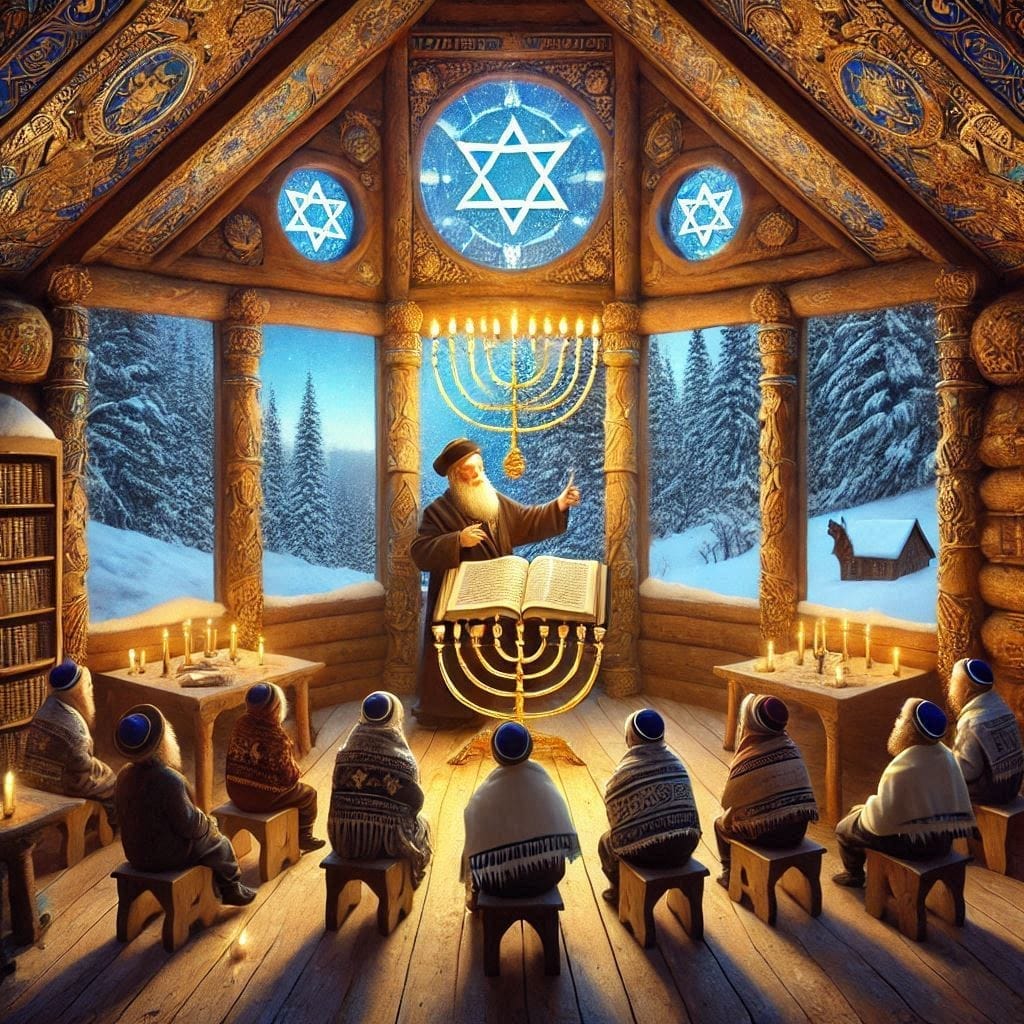
Sefer Yetzirah associates the month of Kislev with sleep. At first glance, this seems counterintuitive. Sleep suggests unconsciousness, passivity, or retreat. But the deeper commentaries reveal that sleep symbolizes a diminished state of awareness—when a person drifts through life without introspection or purpose.
Rebbe Nachman warns that it is possible for a person to “sleep away” an entire lifetime. Not physical sleep, but spiritual sleep—living without ever fully engaging with life’s divine purpose.
The long, dark nights of Kislev mirror this state. Night is a time of concealment, when vision is limited. Yet night also offers quiet and depth, the opportunity for contemplation. Kislev encourages us to wake up spiritually by entering into the darkness with awareness, rather than fear.
Hanukkah arrives during the darkest days of the year to pierce that sleep. Each candle dispels spiritual numbness. The light awakens the soul to its mission, reminding us that even the smallest flame contains immense power. The dreidel, spinning with vitality, becomes a symbol of this reawakening. It shakes the soul from stagnation and urges us to rise with renewed clarity.
7. The Path of Ascent Through Action, Prayer, and Renewal
The dreidel outlines a path of spiritual ascent:
Shin / Shafal: Begin where you are—in the physical world of action, routine, and grounded effort.
Gimel / Galgal: Rise into the rhythm of divine providence, sensing Hashem’s timing and guidance.
Nun / Nivdal: Elevate yourself into clarity and understanding, transcending distractions.
Heh / Hiyuli: Touch the root of your soul, where infinite potential resides.
This ascent mirrors the inner work of Kislev. One begins by acknowledging one’s habits and patterns. Through prayer—the bow drawn with intention—one aligns with Hashem’s cycles. Clarity emerges, allowing a person to transcend old limitations. Finally, renewal flows from the deepest place within, from the hiyuli point of spiritual possibility.
Hanukkah serves as a catalyst for this ascent. With each night’s growing light, a person develops greater strength to climb from potential to fulfillment.
8. Hanukkah and the Restoration of Light
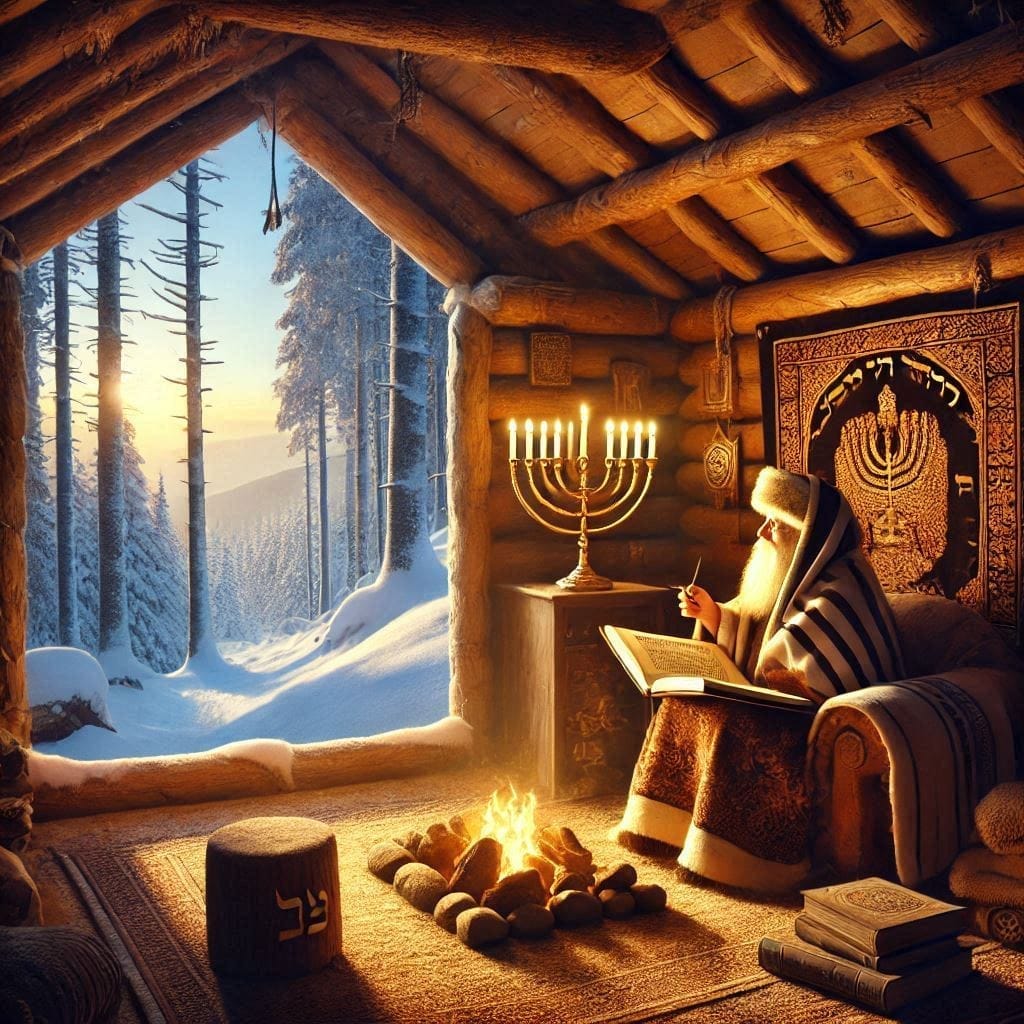
Hanukkah celebrates more than a military victory; it celebrates the restoration of divine light to the world. When the menorah was rekindled in the Beit HaMikdash, it signified the triumph of holiness over desecration. The Ben Ish Chai teaches that the menorah represents the unity of thought, speech, and action—three pillars of spiritual integrity. When these align, the soul shines with clarity.
During Kislev and Tevet, spiritual assistance increases. The miracles of Hanukkah echo throughout this period. Just as the oil burned beyond its natural limit, so too one’s spiritual capacity can exceed expectation. Hanukkah teaches that when a person brings even a little purity forward—like the single cruse of undefiled oil—Hashem magnifies that purity into expansive light.
9. The Greek Decrees and the Victory of Awareness
The Greek oppression targeted the very foundations of Jewish life:
Shabbat sanctifies time.
Rosh Chodesh sanctifies renewal.
Brit Milah sanctifies the body.
By outlawing these mitzvot, the Greeks sought to sever Israel from their spiritual awareness, dragging them into a life of materialism devoid of sanctity. Their goal was not physical destruction but ideological darkness.
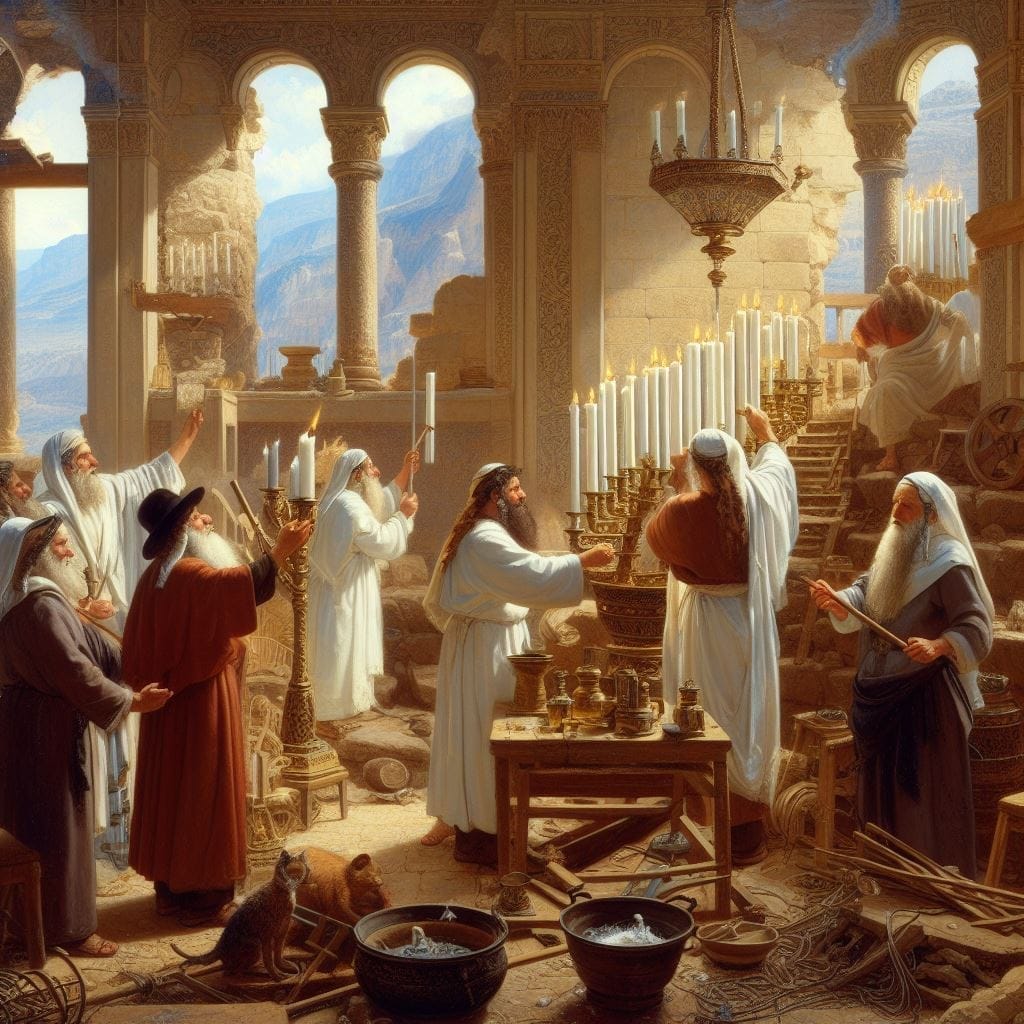
Hanukkah reversed this decree. The rekindled menorah restored consciousness. Israel reclaimed its covenant. The dreidel—symbolizing motion, awakening, and divine orchestration—reflects this victory.
The letters Kaf (20) and Heh (5) equal 25, the day Hanukkah begins. The 25th word in the Torah is “ohr” (light).
This hints to the ohr haganuz, the primordial hidden light reserved for the righteous. Hanukkah reveals sparks of this hidden light, guiding the soul toward clarity.
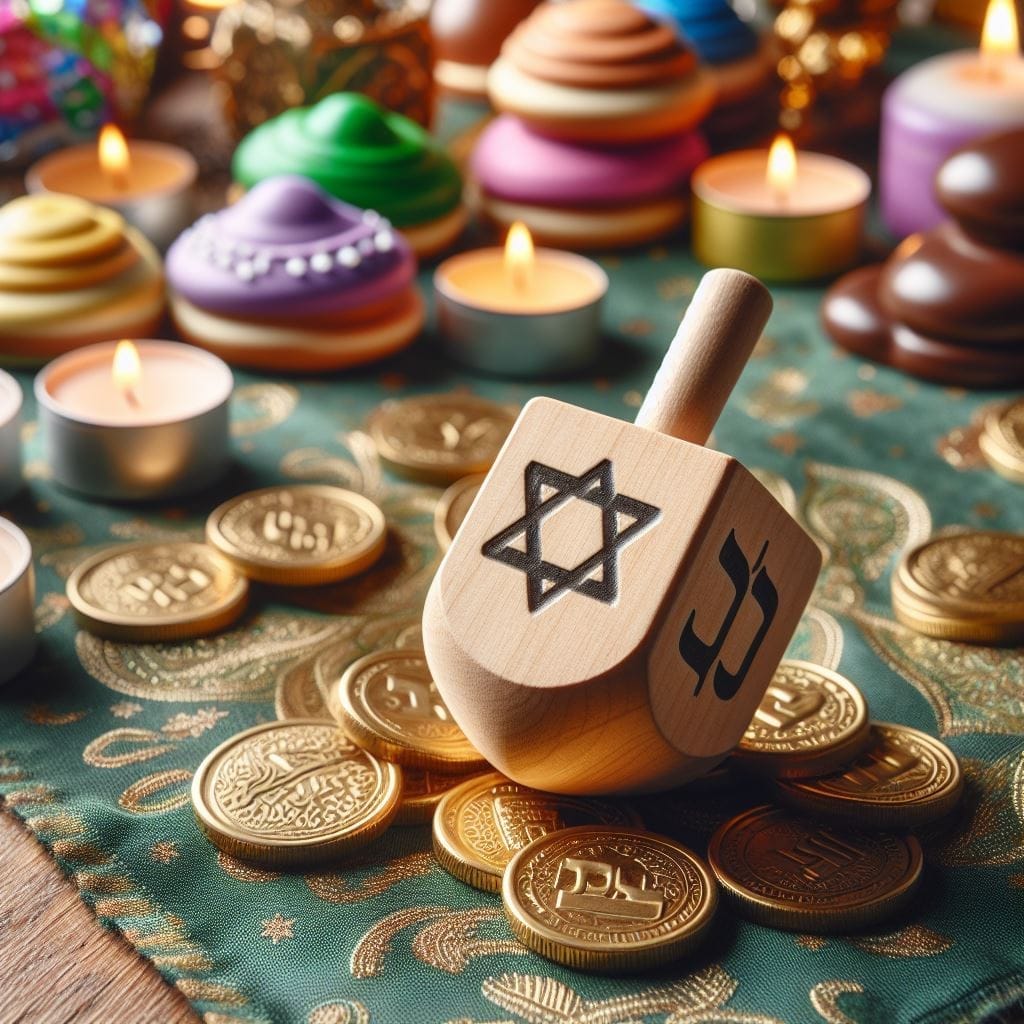
10. Conclusion: The Spinning of the Dreidel and the Awakening of the Soul
Kislev invites us to awaken from spiritual stagnation. The Chasam Sofer’s insight into the first of Kislev, the Kabbalistic symbol of the bow, the long nights associated with sleep, and Hanukkah’s piercing light all converge into one message:
Awaken. Renew. Return.
The dreidel’s spin appears chaotic, yet every motion follows laws of balance and force. So too life appears unpredictable, yet everything is guided by Hashgacha Pratit, Hashem’s intimate providence. When we observe the dreidel, we remember that the wheel of creation is always turning—and we are always invited to rise.
Each candle we light
and every dreidel we spin
declares that Hashem’s light is eternal
and that spiritual wakefulness is always within reach.
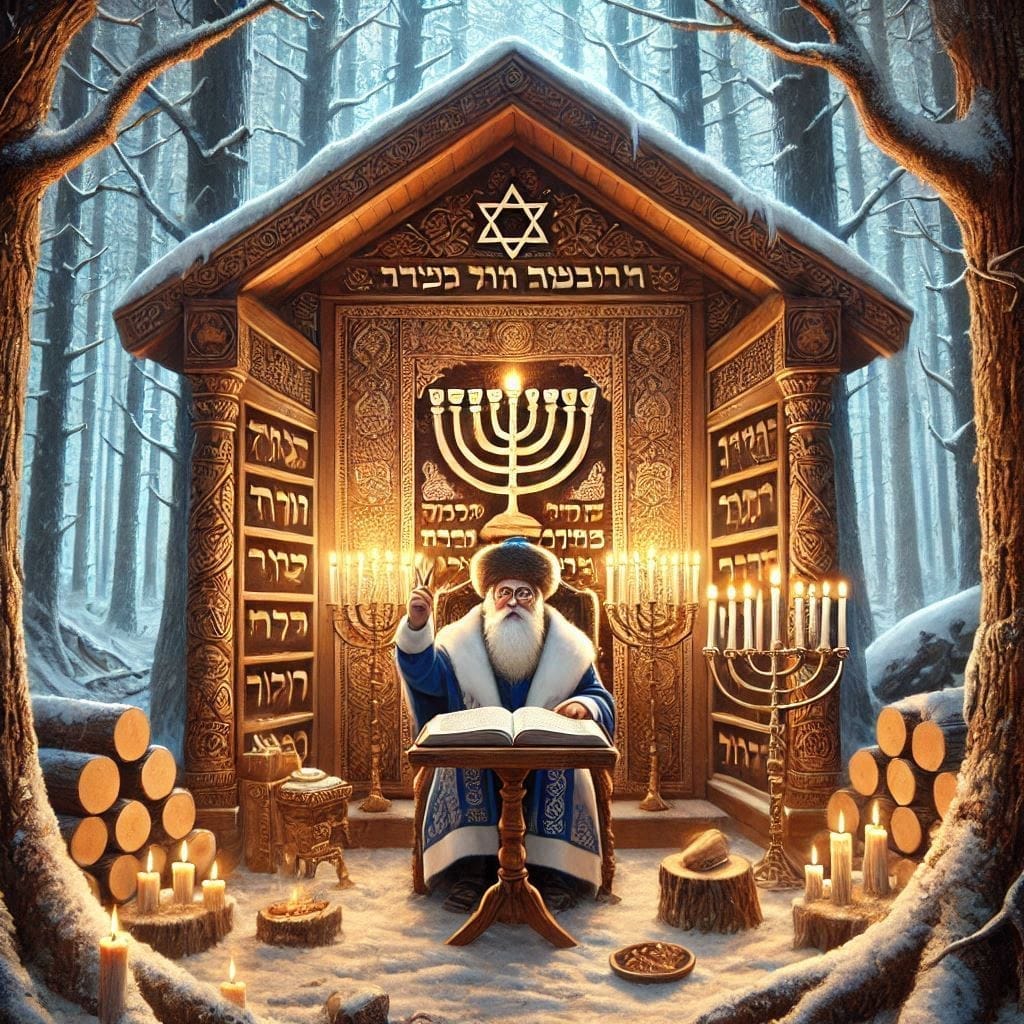
The Dreidel — Hanukkah, Hebrew Letters, Torah, and the Awakening of the Soul
What does the dreidel teach us about Hanukkah, Divine providence, spiritual renewal, and the hidden light of creation?
The Dreidel explores the deeper meaning of the traditional Hanukkah spinning top through Torah study, Jewish mysticism, Hasidic teachings, and the spiritual symbolism of the Hebrew letters Nun (נ), Gimel (ג), Hey (ה), and Shin (ש).
Drawing upon the teachings of Rebbe Nachman of Breslov, this lecture examines the dreidel as a symbol of the revolving wheel of creation. Just as the dreidel turns through moments of movement and stillness, human life passes through cycles of ascent, descent, confusion, and renewal. These changing circumstances become opportunities to recognize Hashgacha Pratit, Divine providence, and strengthen one's trust in HaShem.
The teaching explores Kislev as a month of spiritual awakening, drawing upon the Chasam Sofer, Sefer Yetzirah, and Kabbalistic symbolism. The association of Kislev with the bow (keshet), sleep, prayer, and renewal illustrates the importance of overcoming spiritual stagnation through Teshuvah and renewed devotion.
Particular attention is given to the four Hebrew letters of the dreidel and their symbolic relationship to the four realms of creation: Shafal, Galgal, Nivdal, and Hiyuli. Through these associations, the spinning dreidel becomes an illustration of the relationship between the physical world,
celestial cycles, spiritual understanding, and the potential for transformation.
The lecture also considers the significance of the Hanukkah lights, the restoration of the Beit HaMikdash, the Greek decrees against Jewish observance, and the importance of Shabbat, Rosh Chodesh, and Brit Milah in preserving Jewish covenantal identity.
Beyond its spiritual teachings, the article includes simple instructions for playing the dreidel game at home, explaining the meaning of Nun, Gimel, Hey, and Shin in gameplay. This makes the teaching suitable for Jewish families seeking both an enjoyable Hanukkah activity and an opportunity to introduce children to traditional Jewish thought.
The mystical interpretations are presented as symbolic teachings within Jewish tradition, distinct from the practical rules of the game and the binding requirements of Halakhah.
Presented by Rabbi Ariel Manning of Shaarei Tzafon (The North Gate), this lecture contributes to Orthodox Jewish education, Torah study, and the preservation of Jewish family traditions in Alpena, Hillman, Rogers City, and throughout Northeastern Michigan.
Shaarei Tzafon is an independent, family-led Orthodox Jewish educational and publishing initiative based in Northeastern Michigan, with a broader educational mission extending from the 45th parallel through the northern boreal regions.
The essential lesson: The dreidel may appear to spin unpredictably, but its movement reminds us that life is never without meaning. Through Torah, prayer, Teshuvah, and trust in HaShem, even periods of darkness can become opportunities for spiritual awakening and renewed light.
Want to play The Dreidel game at home?
This is how:
Here’s a simple way to play dreidel:
Give everyone 10–15 tokens—chocolate gelt, pennies, beans, or raisins.
Everyone puts one token into the middle to make the pot.
Take turns spinning the dreidel. Follow the letter that lands facing up:
Letter
What to do
נ — Nun-Nothing—your turn ends.
ג — Gimel-Get everything in the pot!
ה — Hey-Take half the pot. some say: If it’s an odd number, round up.
ש — Shin-Put one token into the pot.
Whenever the pot is empty, everyone puts in one token again.
For an easy family game: Play for 10–15 minutes.
Whoever has the most tokens at the end wins!
Shaarei Tzafon — The North Gate
Orthodox Jewish Life and Torah Study in Northeastern Michigan
Shaarei Tzafon — The North Gate, led by Rabbi Ariel Manning, is an independent, family-led Orthodox Jewish educational and publishing initiative based in Northeastern Michigan. We support traditional Jewish life, Torah study, Halakhah, and Jewish education throughout Alpena, Hillman, Rogers City, and surrounding communities. Those interested in traditional Judaism are welcome to contact us for educational resources, Torah learning, and opportunities for discussion by prior arrangement.
Rooted locally, our greater mission extends northward from the 45th parallel — The North Gate — through Michigan, Canada, and Alaska toward the Arctic. We seek to encourage independent Jewish communities, family-centered Torah education, and the renewal of small batei midrash and shtieblach, preserving the rich traditions of Orthodox Judaism for future generations.
Our work begins in Northeastern Michigan, but our vision extends from the 45th parallel toward the Arctic.
Guided by Rambam and Mori Qafiḥ, uplifted by Rebbe Nachman, and grounded by Avraham ben HaRambam’s balance of halakha and inward avodah.
The Orchard’s Path
publishes our books and curricula.
Our mission: a bright, authentic Jewish presence in every northern town.
Created with ©systeme.io


