
The Jewish Hermit
B"H
Based on the proposal of Minhag Borealish and the Teachings of Rabbi Avraham ben HaRambam
“It is fitting for a person to seclude himself from the corruptions of society and focus his heart upon his Creator in solitude and reflection.”
— Rabbi Avraham ben HaRambam, HaMaspik l’Ovdei HaShem
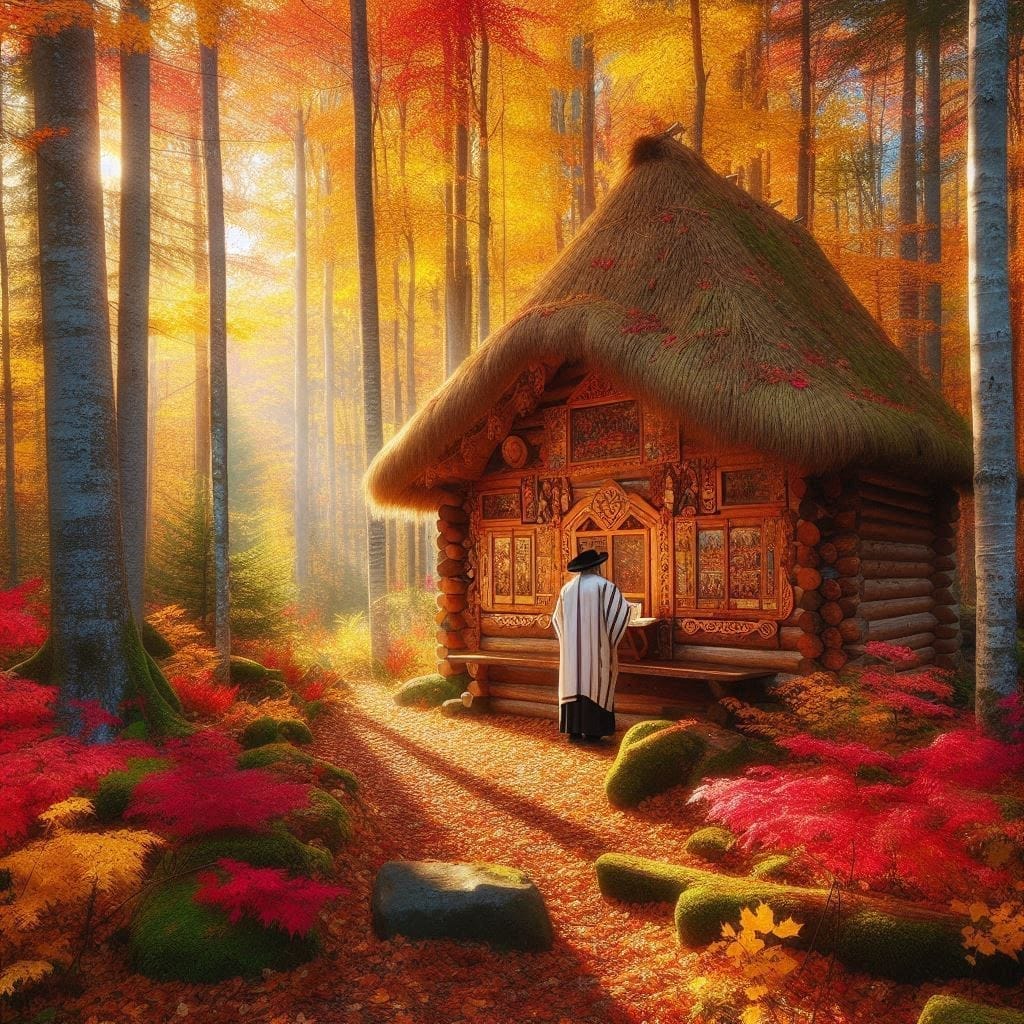
1. The Gate of the North — Living Torah in Solitude
At Shaarei Tzafon — The North Gate — we teach that a Jew’s bond with HaShem does not depend on the presence of a crowd, a city, or even a synagogue. It depends on awareness, halacha, and the discipline of the heart.
In the quiet expanse of the North—where snow blankets the earth and the next Jewish home may be fifty miles away— our proposed Minhag Borealish affirms that a Jew can live fully observant, fully connected, and fully alive in Torah.
This is not exile from the community; it is a form of divine proximity. The soul learns to listen where there are no voices but its own. Every act—lighting a candle, reciting the Shema, learning a halacha—becomes a dialogue with Heaven. Thus, the Gate of the North is the threshold between silence and revelation.
2. Rabbi Avraham ben HaRambam — The Master of Rational Solitude
In every generation HaShem raises voices that balance intellect and faith. For us, that voice is Rabbi Avraham ben HaRambam, son of the great Rambam and author of HaMaspik l’Ovdei HaShem — “The Guide for Serving God.”
He taught that true solitude is not withdrawal from the world but the re-ordering of one’s mind toward HaShem. It is not monastic denial but halachic introspection that cleanses thought and intention.
“Purify his heart, discipline his senses, and withdraw from excesses — until his soul becomes still and perceives the presence of the Creator.”
This is not mysticism divorced from reason. It is rational deveikut — closeness to HaShem born from clarity, ethics, and mindfulness. Where Rebbe Nachman later poured emotion and song, Avraham ben HaRambam built the original foundation of discipline and order that makes such song pure.
In his Egyptian household of the 13th century, he lived the life of a sage who was both philosopher and pietist. He combined his father’s rationalism with the spiritual yearning of the prophets, teaching that the mind is the altar of worship and the heart its sacrifice.
3. The Halachic Roots of Seclusion
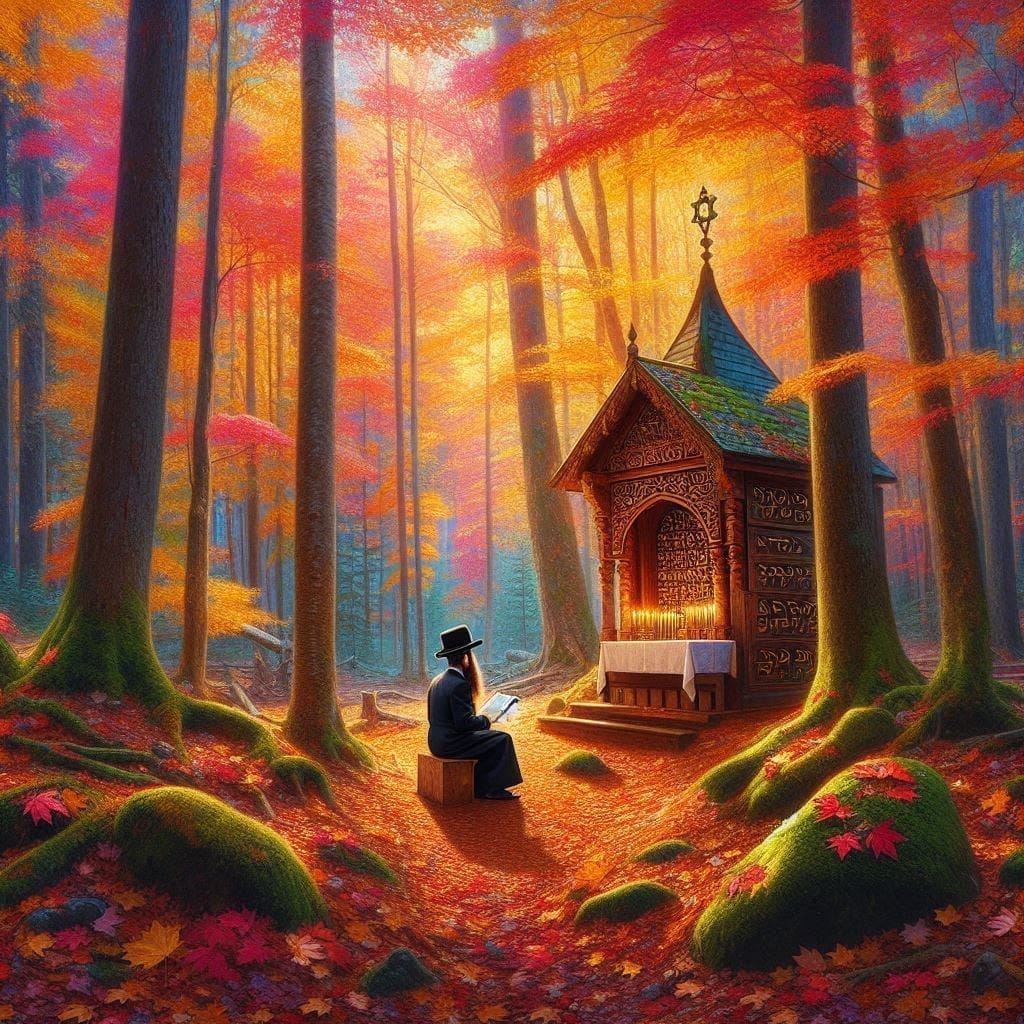
To live alone as a Jew is not a modern invention. The Talmud tells of Ḥanina ben Dosa and Rabbi Shimon bar Yoḥai who served HaShem in solitary places. Yet halacha never praises isolation for its own sake.
It permits and even honors it only when it preserves the Torah.
The Rambam writes (Hilchot De’ot):
“If one lives in a place where the ways of people are corrupt, he should separate himself and dwell alone … and if they will not let him, let him go to the deserts and mountains and not walk in their paths.”
Here is the legal foundation of Jewish hermitism: when society threatens Torah, seclusion is not flight but obedience. The desert and the boreal forest become sanctuaries for law and truth.
In Sefer HaChinuch, we are taught that the purpose of mitzvot is “to form the heart.” A hermit who keeps halacha in solitude fulfills this purpose directly: his obedience is not social habit but intentional love.
4. Hitbodedut in the Boreal Way
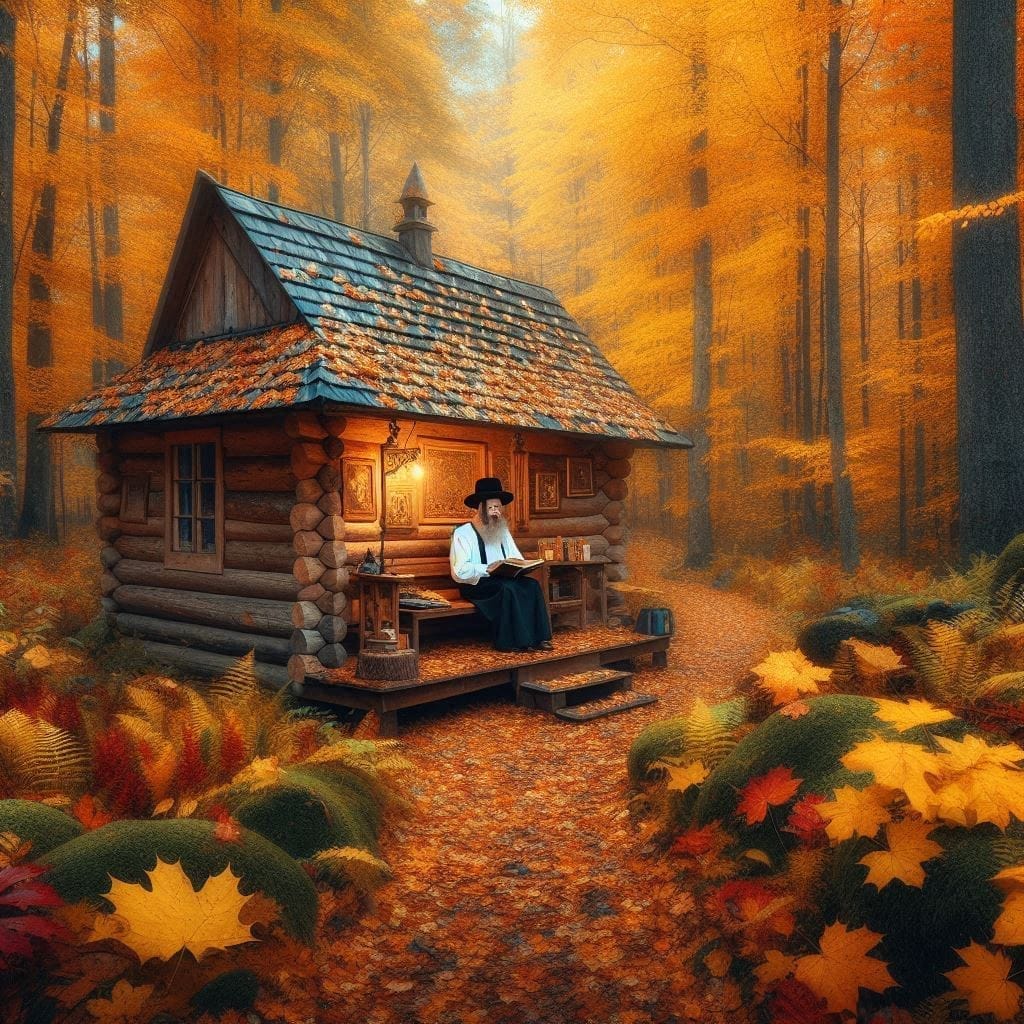
In the Boreal, hitbodedut is both ancient and natural. The forest itself becomes a Beit Midrash; the snow a white page where breath writes the Name of God.
Practice:
Find a place where you feel awe but not fear — a grove, ridge, or clearing.
Begin with gratitude: thank HaShem for life, light, and breath.
Speak plainly — your own language, your own heart.
Ask for forgiveness and guidance.
End in silence; let thought rest until peace arises.
“Serve Him through thought, for thought is the temple of the heart.” (HaMaspik)
This method avoids both mystical excess and cold intellectualism. Reason guides emotion; emotion warms reason. Such hitbodedut is the heartbeat of Northern Judaism — steady, measured, alive.
5. The Discipline of Halacha within its Northern Context
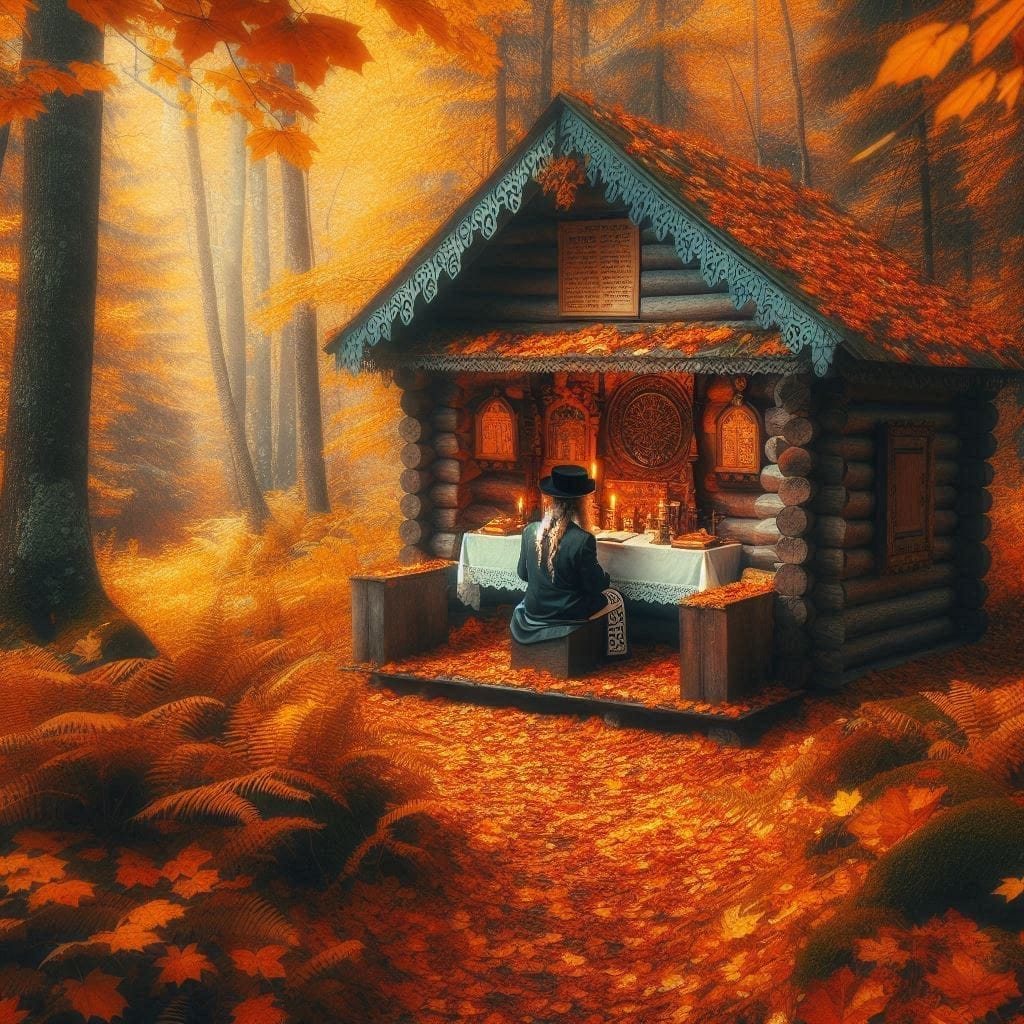
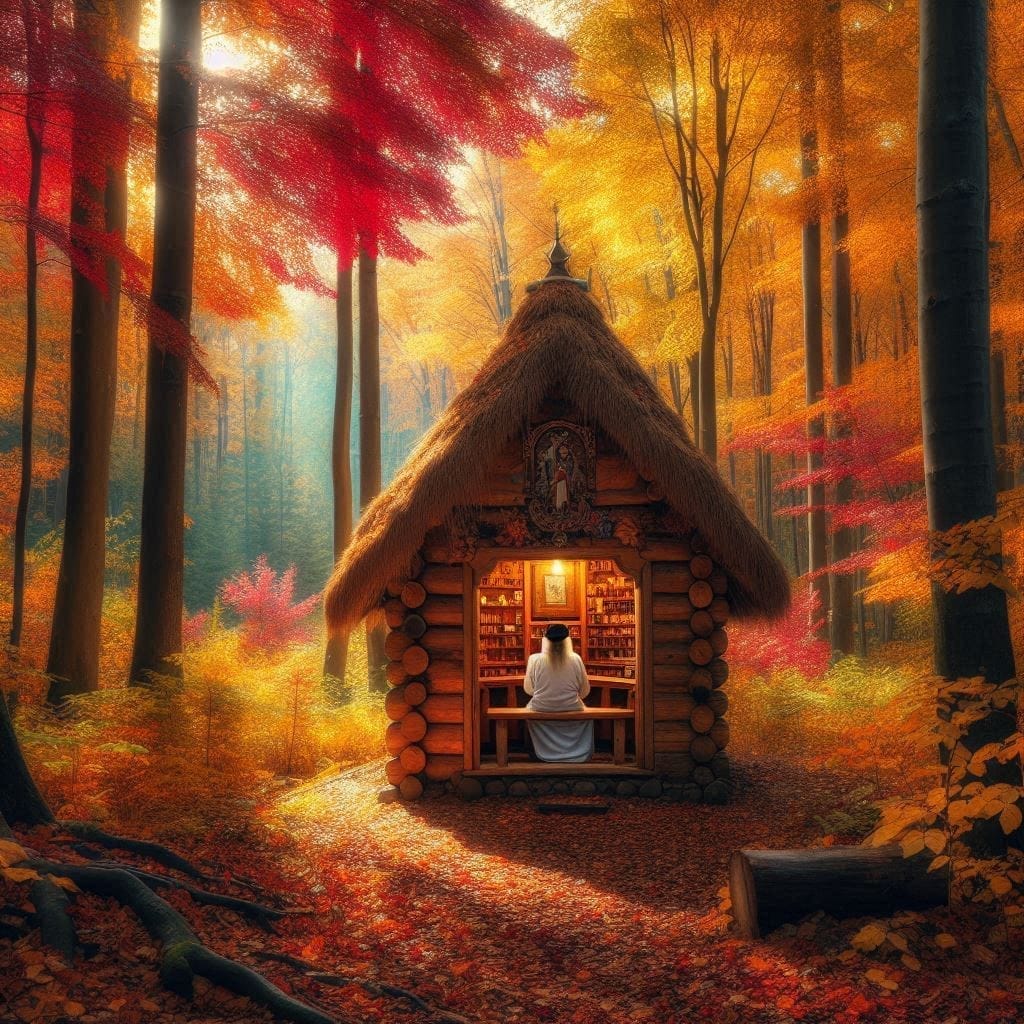
Solitude is not spiritual license. It demands a discipline more exact than urban life. The cabin becomes a mikdash me’at — a small sanctuary.
Tefillah: Pray each day the full order; omit Kaddish and Kedushah without a minyan, but you may recite Kaddish aloud as personal praise.
Shabbat: Light candles, make Kiddush, rest completely. The silence itself becomes oneg Shabbat.
Kashrut: Keep simple, clear, and modest standards.
Learning: Study daily Torah, Mishneh Torah, and ethical works.
Joy: Sing—even alone. The angels complete your harmony.
Rabbi Avraham ben HaRambam taught that holiness is born from consistency, not extremity. A Jew who keeps halacha alone is like a flame in wind — protected by the glass of reason and fed by the oil of devotion.
6. The Logic of Solitude
Avraham ben HaRambam analyzed solitude through three intellectual stages:
Withdrawal from Noise — The mind collects itself when external clamor ceases.
Purification of Thought — The quiet mind tests desire by Torah and reason.
Perception of Truth — When the senses rest, the intellect reflects divine light like a still pond.
This is the logic of Boreal Hermitism: not ecstasy but lucidity. A solitary Jew must balance emotion and mind, for one without the other becomes either idolatry or dryness.
Rebbe Nachman said, “Hitbodedut is higher than all, yet joy guards it.” Avraham ben HaRambam would agree: joy proves that the soul is whole. Thus the Jew in our regions practices rational joy—song with understanding, tears with measure, silence with gratitude.
7. The North as Teacher
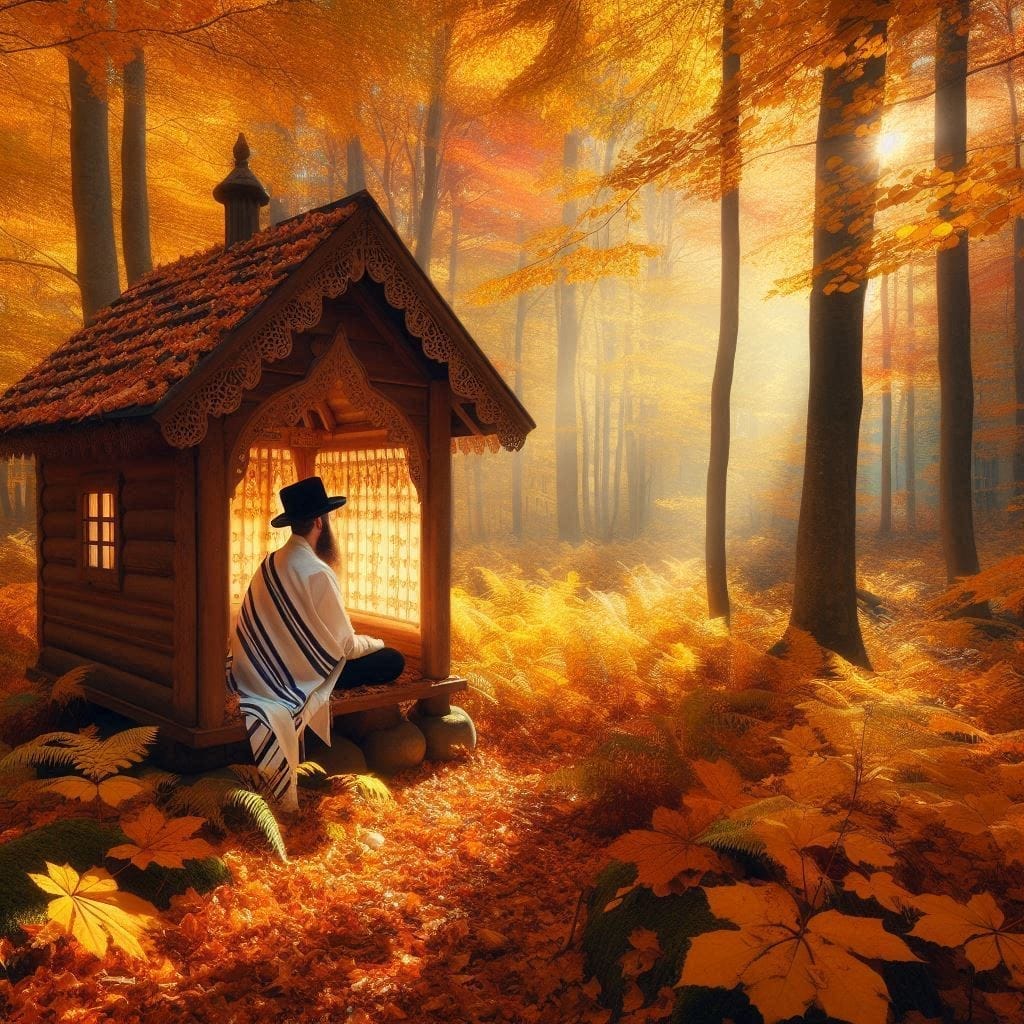
“The North teaches Torah through silence.” When the sky glows green with aurora and elk move through mist, each moment becomes a verse of Perek Shirah.
The Rambam writes (Yesodei HaTorah)
“When one contemplates His great and wondrous works, he immediately loves and praises and longs to know Him.”
This is the natural theology of the North. Contemplation becomes prayer. Observation becomes praise. In this way, science and faith reconcile in the frost and starlight.
Even the animals teach Torah: the wolf how to endure, the raven how to trust its portion, the deer how to leap toward light. The hermit hears their songs as commentary on creation.
8. Preparedness — The Hermit’s Readiness for a Minyan
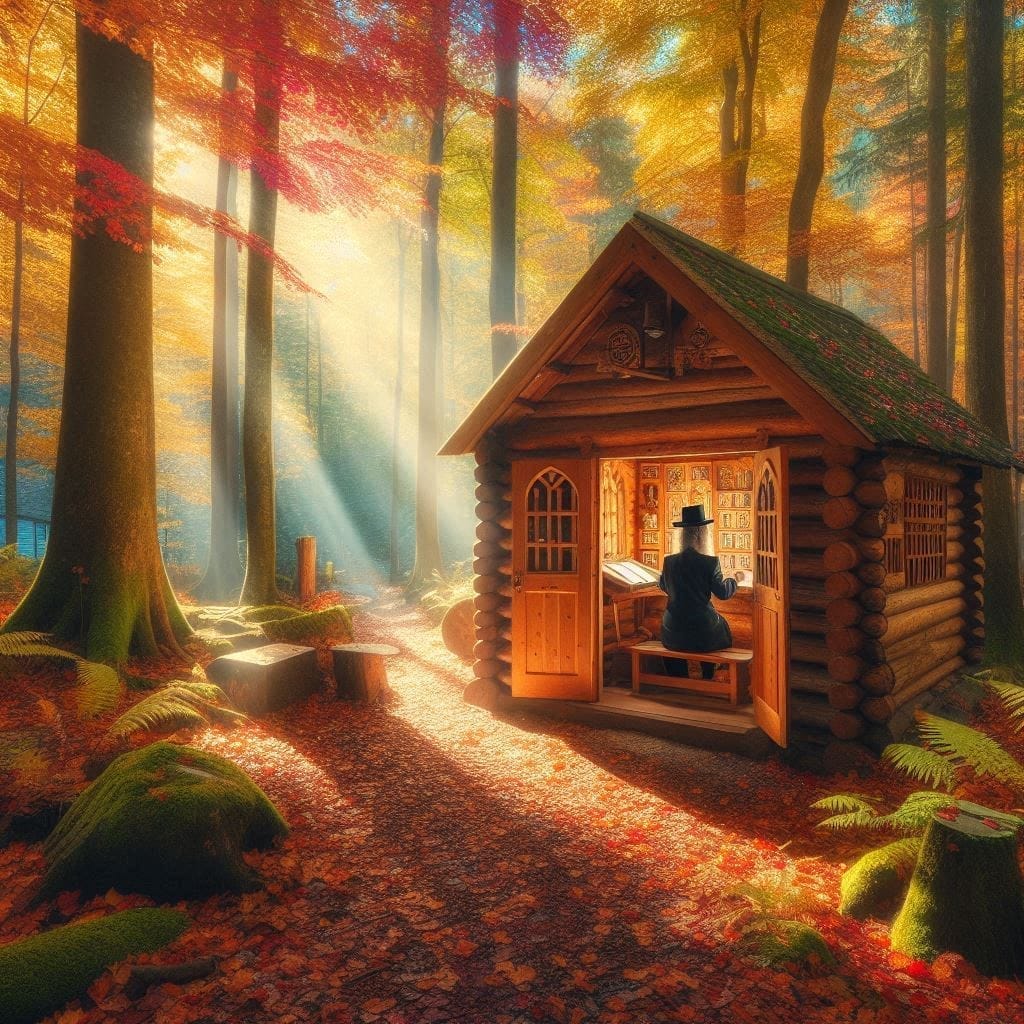
Solitude is a choice; isolation is not a mitzvah. Even the steadfast hermit must be ready to serve others.
Therefore:
Keep extra siddurim, kosher wine, and a spare bed.
Know how to lead prayer and read Torah.
Welcome travelers and those seeking counsel.
This readiness is chesed in its purest form — love without expectation. Rabbi Avraham ben HaRambam called this the “perfection of the ethical faculty.” A hermit’s door must be as open as his heart.
Thus, our custom teaches: A hermit may become a host in a single day.
The moment a guest arrives, the forest turns into a synagogue and solitude into community.
9. The Joy of Rational Devotion
To thrive alone is to trust that Torah is sufficient. The Boreal path rejects both indulgence and ascetic denial. As the Rambam teaches (Hilchot De’ot), “the middle path is the path of the wise.”
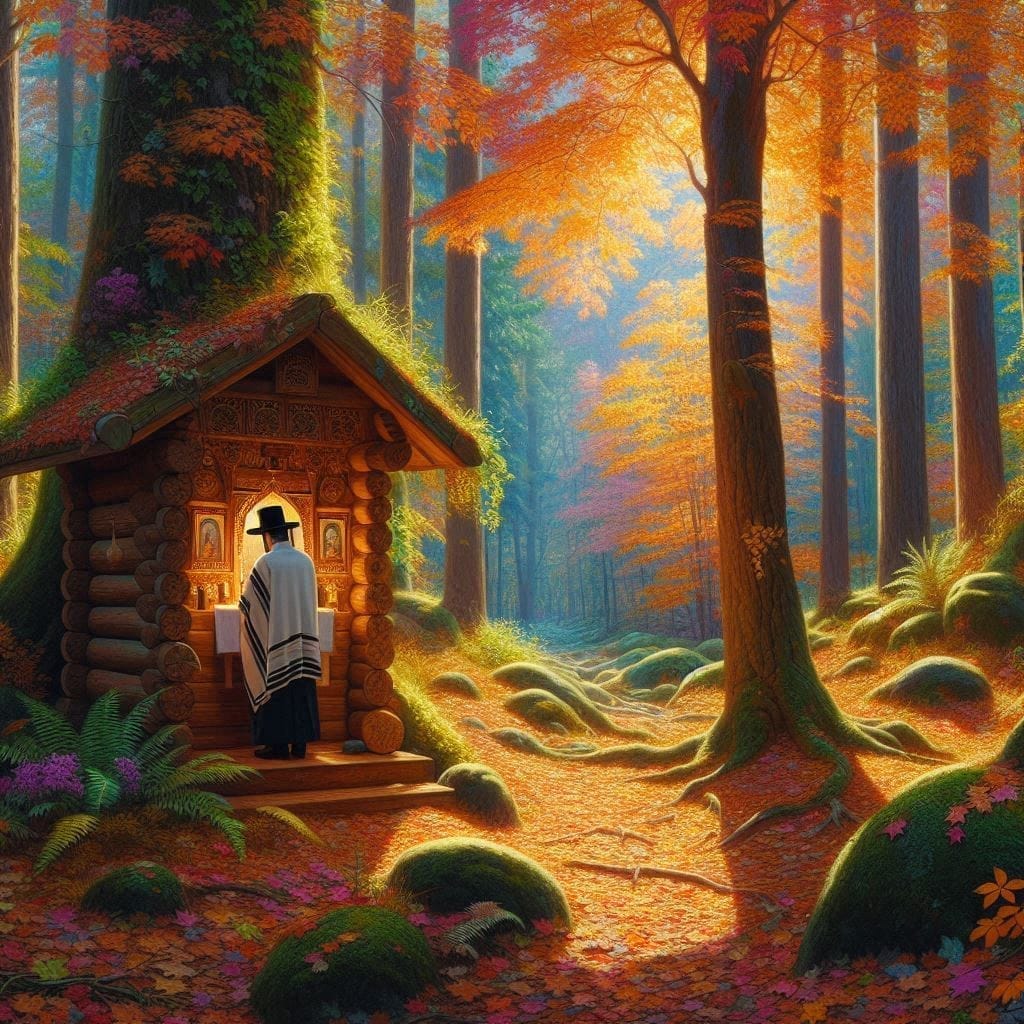
So the Boreal Jew rises with gratitude, studies by snow-light, prays aloud to HaShem, and smiles at the rising sun. He lives not outside Judaism but at its frontier, where ancestral faith meets creation’s quiet.
In this union of law and awe lies the Northern Wisdom: to live simply, lawfully, and joyfully with God in solitude. Joy is not entertainment but equilibrium, the harmonic resonance of mind and soul.
“Better one heart aflame in the wilderness than a hundred embers in comfort.” — Ariel Manning
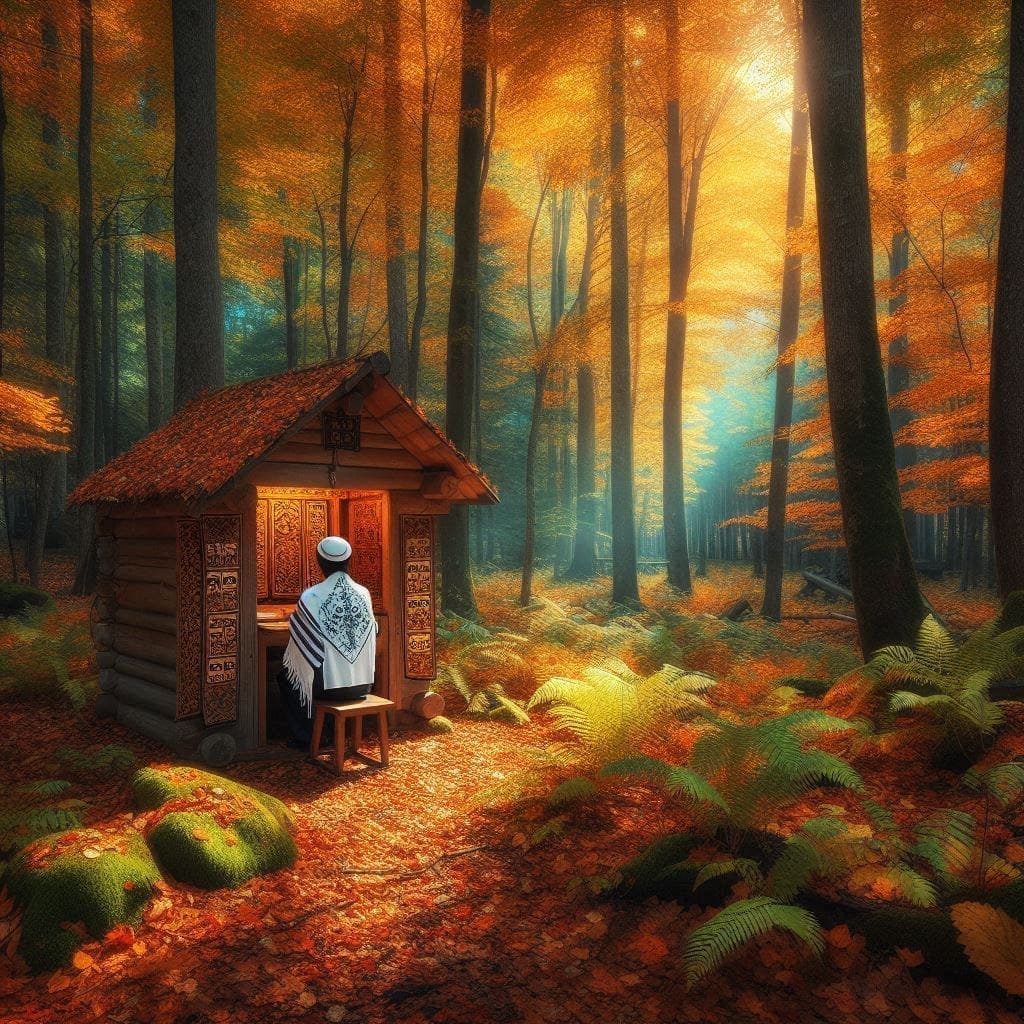
10. The Return to the Camp of Israel
Every hermit’s journey ends where it began — with Klal Yisrael. Avraham ben HaRambam warned that solitude must serve the community, not replace it. When the time comes to teach, to guide, or to build, the hermit must descend from his mountain.
The Torah says (Devarim 33:2): “HaShem came from Sinai and shone forth from Seir.” Revelation always moves from isolation to assembly. So too the Boreal Jew: after years of quiet service, he returns with clarity and gentleness to strengthen others.
This final gate is called Shivat HaMachaneh — the Return to the Camp. The hermit’s Torah is tested not in his silence but in his kindness when he meets another soul. The snow melts, the path opens, and from the North Gate he walks south again—carrying the light he guarded in secret.
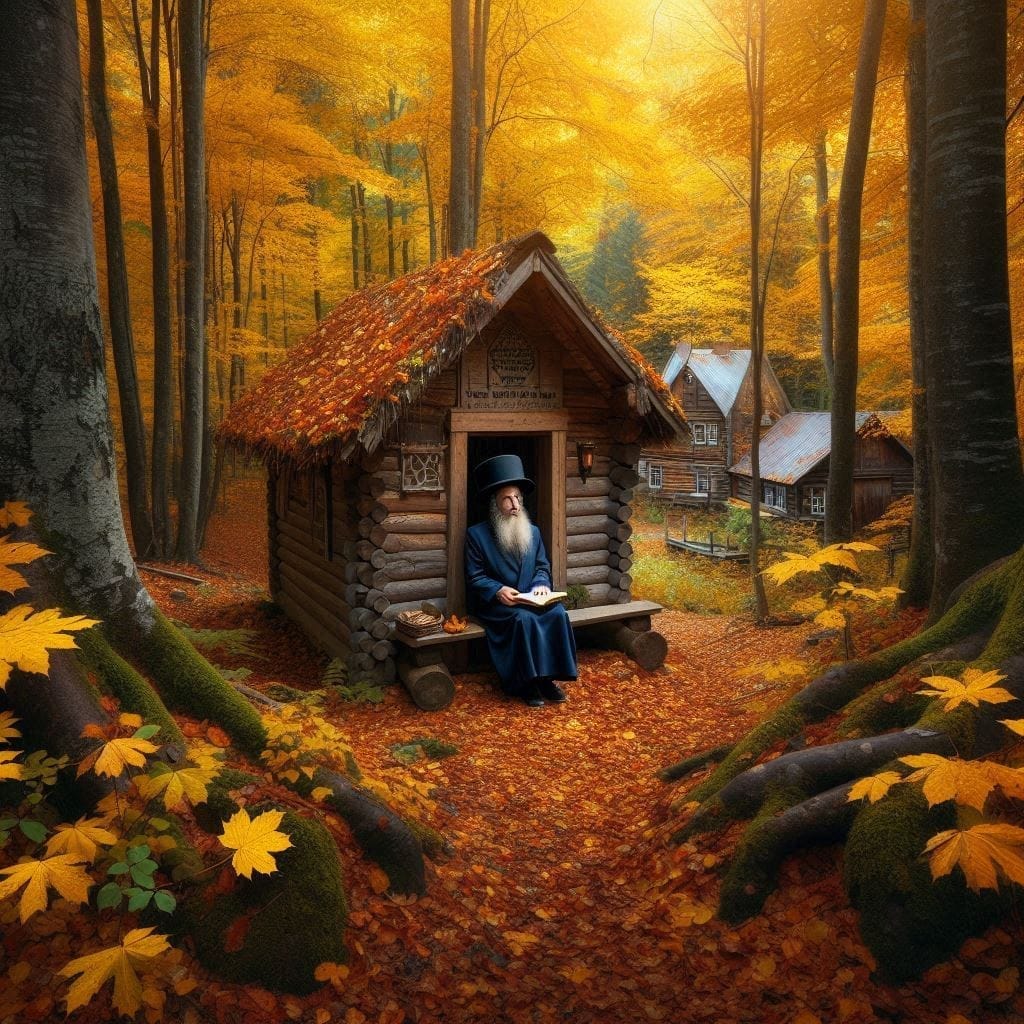
Epilogue — The Enduring Flame
The Jew who lives in solitude carries the sacred responsibility of keeping the light alive where few can see it. Rabbi Avraham ben HaRambam taught that the goal of solitude is not escape from humanity but unbroken service to HaShem — to serve Him in every breath, in every thought, in every choice of the heart.
When such a person prays, even alone, the heavens count that voice among the minyan of the righteous. His or her small cabin becomes a sanctuary, and the wind outside chants the Amidah. The stillness of the forest is the quiet Amen that follows every word.
This is the essence of Minhag Borealish Hermitism:
Rational in structure. Every act follows halacha — measured, deliberate, and rooted in Torah.
Mystical in heart. Every word of prayer burns with longing for the Infinite.
Halachically complete. No mitzvah is abandoned because of distance or silence.
Spiritually joyful. The hermit’s joy is steady, not ecstatic — the serenity of a soul at peace with its duty.
The Jew in the Boreal stands beneath vast northern skies, hearing the Torah whispered through pine needles and frozen streams. The aurora is his ner tamid; the snow his white parchment. He is never truly alone, for every moment of creation joins him in praising the Creator.
We teach at Shaarei Tzafon that: “Solitude is not emptiness but echo. The echo of God’s first word still travels through the trees.”
To live this way is to write one’s life as a psalm: a measured rhythm of halacha, reflection, and gratitude.
The Boreal hermit embodies the verse
(Tehillim 16:8):
“Shiviti HaShem lenegdi tamid — I have set the Eternal always before me.”
Even in the farthest reaches of the North, the Jew who lives by this verse is never beyond the camp of Israel.
His solitude strengthens the nation; his quiet faith guards its continuity.
For every Jew in the north who lights candles alone, who studies under oil-lamp glow, who walks the frozen path whispering Shema Yisrael, the merit rises like smoke before the Throne.
From these hidden places — from cabins, forests, and windswept ridges — the light of Torah ascends anew. The angels know their names, the mountains echo their prayers, and Heaven receives their solitude as song.
And so Shaarei Tzafon, the Gate of the North, remains open — not only in Michigan’s forests or the snows of the upper world, but in every heart that seeks HaShem in stillness.
For the one who learns to serve in solitude has already found the truest companionship:
the Presence that never departs.
The North Gate — Where Solitude Meets Jewish Continuity
The Jewish hermit does not abandon Israel. He carries Israel with him.
Whether living among the forests of Northern Michigan, in the remote settlements of Canada, or beneath the northern skies of Alaska, a Jew does not cease to be part of the covenant because the nearest synagogue is hundreds of miles away.
The Torah remains the Torah. Shabbat remains Shabbat. The commandments remain our inheritance, and HaShem remains near to those who seek Him.
Yet solitude is not the ultimate aspiration of Jewish life. Our tradition recognizes the importance of communal prayer, shared responsibility, Torah scholarship, and the obligations that require a community. The Jewish hermit preserves what he can, seeks companionship in Torah when possible, and understands that the ideal is not perpetual isolation but the flourishing of Jewish life.
This is where Shaarei Tzafon — The North Gate finds its purpose.
The 45th parallel is our symbolic Gate, opening toward the northern regions of Michigan, Canada, and Alaska, and ultimately the Arctic. Our work begins with Judaism in Alpena and Torah study in Northeastern Michigan, but our vision reaches far beyond these local boundaries.
We believe that the restoration of traditional Jewish life requires not only the preservation of great yeshivot or huge organization (i.e. Chabad or RCA), but also the renewal of small batei knesset, shtieblach, and batei midrash.
We believe in Jewish autonomy:
the liberty of Orthodox and traditional Jewish families and communities to cultivate their own religious institutions, preserve legitimate minhagim, and sustain their traditions within Torah and Halakhah.
The Jewish hermit, therefore, need not remain a hermit forever.
A single Jewish household may become a place of learning. A circle of families may become a beit midrash. And where the necessary conditions develop, a small beit midrash may grow into a congregation.
The great yeshivot preserve the Torah. The small shtieblach help preserve the Jewish life in which Torah is lived.
And perhaps somewhere beyond the 45th parallel, among the pine forests, the snow-covered valleys, or the distant northern settlements, another small place of Torah will take root.
That is the hope of Shaarei Tzafon.
Our roots are in Northern Michigan. Our Gate is the 45th parallel. Our vision extends toward the Arctic. Our purpose is Jewish autonomy.
Shaarei Tzafon — The North Gate
Traditional Jewish Life Above the 45th Parallel
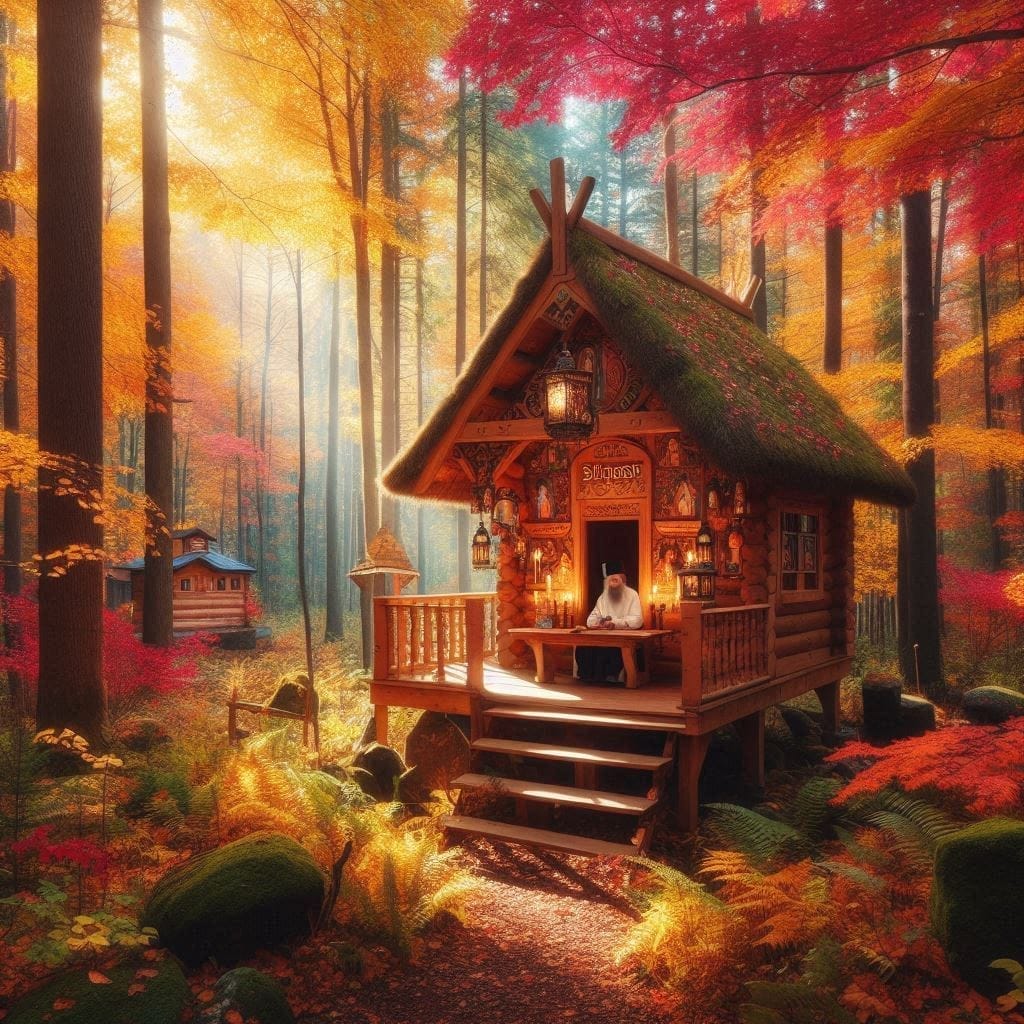
Shaarei Tzafon — The North Gate
Orthodox Jewish Life and Torah Study in Northeastern Michigan
Shaarei Tzafon — The North Gate, led by Rabbi Ariel Manning, is an independent, family-led Orthodox Jewish educational and publishing initiative based in Northeastern Michigan. We support traditional Jewish life, Torah study, Halakhah, and Jewish education throughout Alpena, Hillman, Rogers City, and surrounding communities. Those interested in traditional Judaism are welcome to contact us for educational resources, Torah learning, and opportunities for discussion by prior arrangement.
Rooted locally, our greater mission extends northward from the 45th parallel — The North Gate — through Michigan, Canada, and Alaska toward the Arctic. We seek to encourage independent Jewish communities, family-centered Torah education, and the renewal of small batei midrash and shtieblach, preserving the rich traditions of Orthodox Judaism for future generations.
Our work begins in Northeastern Michigan, but our vision extends from the 45th parallel toward the Arctic.
Guided by Rambam and Mori Qafiḥ, uplifted by Rebbe Nachman, and grounded by Avraham ben HaRambam’s balance of halakha and inward avodah.
The Orchard’s Path
publishes our books and curricula.
Our mission: a bright, authentic Jewish presence in every northern town.
Created with ©systeme.io


