
What Kabbalah should be
B’H — Bezrat HaShem
1) The Question That Never Ends
“What is Kabbalah?” The question returns in every age, wearing new costumes but haunted by the same misunderstandings. Some hear the word and picture hidden forces, sealed chambers, and whispered spells. Others, wary of mystery, recoil and call it superstition. Across centuries the charge has even turned cruel: Jews, accused of being “warlocks” and “sorcerers,” simply because our tradition preserves an inner reading of the same Torah we openly study and obey. The reality is both humbler and more demanding. Kabbalah is the inner life of Torah. It is not magic, fortune-telling, or occult technique. It is a disciplined contemplation of how the Infinite—Ein Sof—sustains all worlds, and how a human being cleaves to that Source through mitzvot, prayer, and ethical refinement. To speak truly we must lift three veils: the external misunderstanding that sees symbols without covenant, the internal misuse that inflates hints into fantasies, and the forgetfulness of foundation that imagines Kabbalah without Torah and Halacha. When these veils fall, the light is seen as light, and the shadows return to being merely the contours of that light.

2) The Meaning of Receiving
Kabbalah (קבלה) means receiving—what is entrusted from teacher to student, an unbroken current flowing from Sinai. It is not a parallel revelation or a rival faith; it is Torah’s inward commentary. If the revealed law tells us what to do, Kabbalah whispers why the world is shaped so that this deed repairs it. Its first premise is radical in its simplicity: everything subsists on divine energy. Letters of Scripture, blessings over bread, quiet acts of kindness—each channels holiness into the weave of reality. Thus the goal of Kabbalah is not escape from the world but its sanctification: revealing the light hidden within the ordinary, teaching the heart to sense HaShem in the small and the daily. For this reason the sages insisted: no Kabbalah without Torah, Talmud, and mitzvot. Severed from obedience, symbols empty into metaphor; rooted in obedience, they become living light. Authentic Kabbalah is the opposite of theatrics: a discipline of clear mind and humble heart, guarded by reverence for the law.

3) Torah and Halacha: The Only Doorway In
Before entering inner rooms, one must pass the threshold: Torah—blueprint of creation, covenant of Israel, Teacher of life. Halacha (הלכה, “the way”) is the walking of that covenant—how we eat and bless, speak and refrain, work and rest, love and repair. These are not mere restrictions; they are spiritual circuits through which holiness flows. Kabbalah reveals what Halacha enacts. Halacha instructs how to light Shabbat candles; Kabbalah illumines why each flame draws down peace. Halacha orders tzedakah; Kabbalah shows that generosity opens channels of mercy. Halacha without Kabbalah can harden into habit; Kabbalah without Halacha becomes dangerous, a fire with no hearth. Hence the ancient caution: Do not enter the hidden until you are established in the revealed. Only a life shaped by mitzvot can safely hold the inner light. Put differently: Torah is the root, Halacha the branch, Kabbalah the fruit—and fruit cannot hang in air.
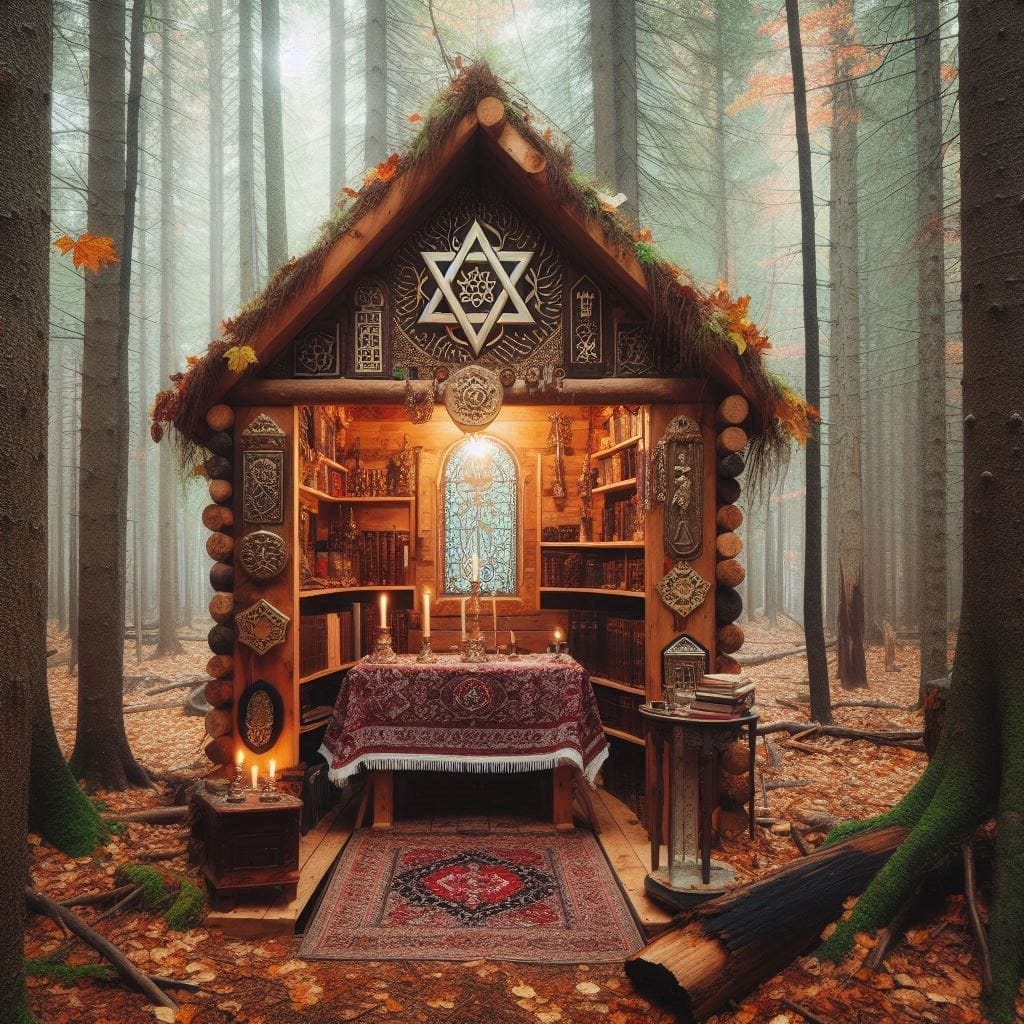
4) The Good of Kabbalah: Five Bright Lamps
A) Deepened Presence. Kabbalah trains the heart to feel that God is near in every breath. Prayer shifts from recital to encounter. The conviction grows that each moment, however small, can ferry holiness. When we learn that kindness repairs a tiny fracture of creation, our minutes matter—eternally.
B) Revealed Unity. Beneath the many is One. The Sefirot—wisdom, understanding, knowledge; kindness, judgment, beauty; endurance, humility, foundation, sovereignty—are not ten deities but ten relational dimensions of the One’s generosity toward creation. Their map is symbolic; the unity they point to is real.
C) Ethical Refinement. Mysticism begins not with visions but with virtues. The first labor is tikkun ha-middot—polishing truthfulness, patience, humility, compassion. A heart crooked in ethics cannot be straight in mysteries.
D) Joy and Healing. True Kabbalah restores joy. It teaches that within darkness glows a concealed spark and that despair can be refashioned as a ladder. Hasidic teachers drew on this light to open hearts heavy with sorrow; joy becomes a vessel for blessing.
E) A Science of Holiness. Kabbalah, at depth, is the physics of kedushah—a measured account of how divine will holds reality together. Even when the language turns poetic, the inner order remains exact. This sobriety is what distinguishes authentic Kabbalah from fantasy dressed in Hebrew letters.

5) The Dangers: Five Honest Warnings
A) Foundationless Study. To attempt Kabbalah without halakhic grounding is to turn symbols into superstition. The Talmud warns: Not all who enter the orchard (Pardes) return in peace. The orchard is beautiful; the path in is exacting.
B) Magical Thinking. Charlatans have long hawked amulets and formulas in Kabbalah’s name. But authentic Kabbalah means surrender to God, not control of nature. The witch commands; the Kabbalist aligns.
C) Distorted Theology. Literalizing symbols fractures divine unity. Jewish thought insists: HaShem is absolutely One. The Sefirot are not parts of God, only parables for His relationship with beings. The Infinite exceeds every image we use to point toward It.
D) Spiritual Imbalance. The inner worlds are vast; without humility, one can lose the center. Thus the great teachers limited deep study to people of stable character, moral discipline, and halakhic constancy.
E) Counterfeits. In later centuries, non-Jewish esotericists borrowed our terms while cutting them loose from Torah, mixing them with astrology, alchemy, and ritual magic. This Hermetic Qabalah mimics our vocabulary but inverts our purpose—trading service for technique, unity for self-power. Confusion multiplies when readers mistake the imitation for the original.

6) Accusations Across the Ages
Medieval Europe was fertile soil for fear. During plague and famine, some hunted culprits; Jews—different in tongue, calendar, and sacred practice—were easy targets. People saw candles kindled at twilight, Hebrew names of God written with awe, sacred books buried with honor—and imagined spells. History’s irony is sharp: at times authorities burned the Talmud as “sorcery” yet permitted the Zohar to circulate under equally mistaken suppositions. The truth is not ambiguous: the Torah forbids witchcraft (Devarim 18:10). A Jew who practices sorcery violates the covenant; a Kabbalist who studies divine wisdom fulfills it. What some called “dark arts” were prayers; what they labeled “charms” were mitzvot read through ignorance. The remedy is not anger but light—clear teaching, steady kindness, faithful practice.
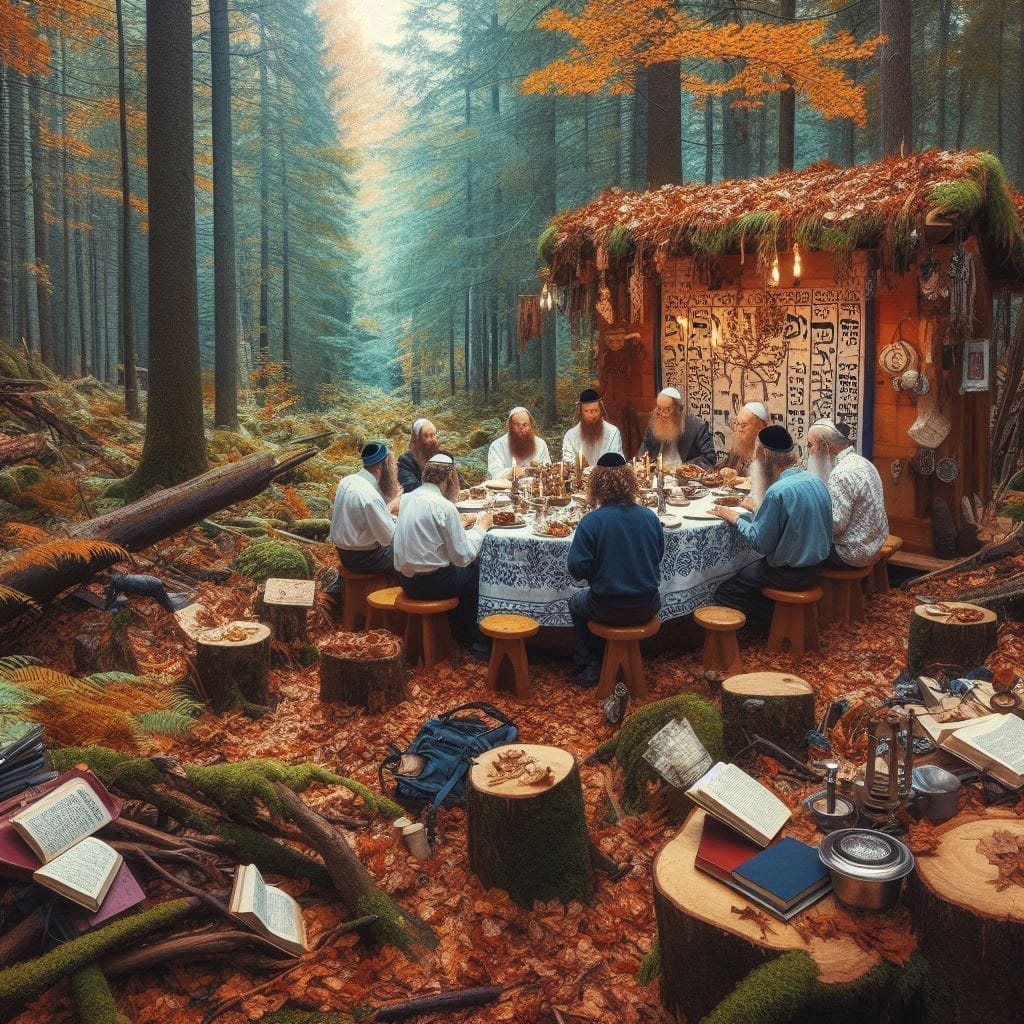
7) Two Streams, One River: Prophetic and Lurianic
Prophetic Kabbalah is the path of perception. It flowers in hitbodedut—holy solitude; meditations on divine names; purification of thought and speech. The goal is not to bend reality but to see it truly—to behold creation as transparent to its Maker. Such sight is costly: it demands halakhic integrity, humility, fasting in the right seasons, guarded speech, careful guidance. The prophet does not flee the world; he ascends inwardly while fulfilling every commandment.
Lurianic Kabbalah is the path of responsibility. In Safed, Rabbi Yitzḥak Luria gave language to creation’s drama: tzimtzum (contraction), shevirat ha-kelim (shattering of vessels), nitzotzot (scattered sparks), and tikkun (repair). When the Infinite made room for finitude, the first vessels could not hold the light; sparks hid within matter and history. The Jew’s task—through mitzvot, prayer, and kindness—is to lift those sparks, re-weaving unity between heaven and earth. This is Tikkun Olam in its original, muscular sense: not slogan but cosmic service. Prophetic Kabbalah refines perception; Lurianic Kabbalah binds action to that perception. The two are one river—seeing more clearly, serving more deeply.
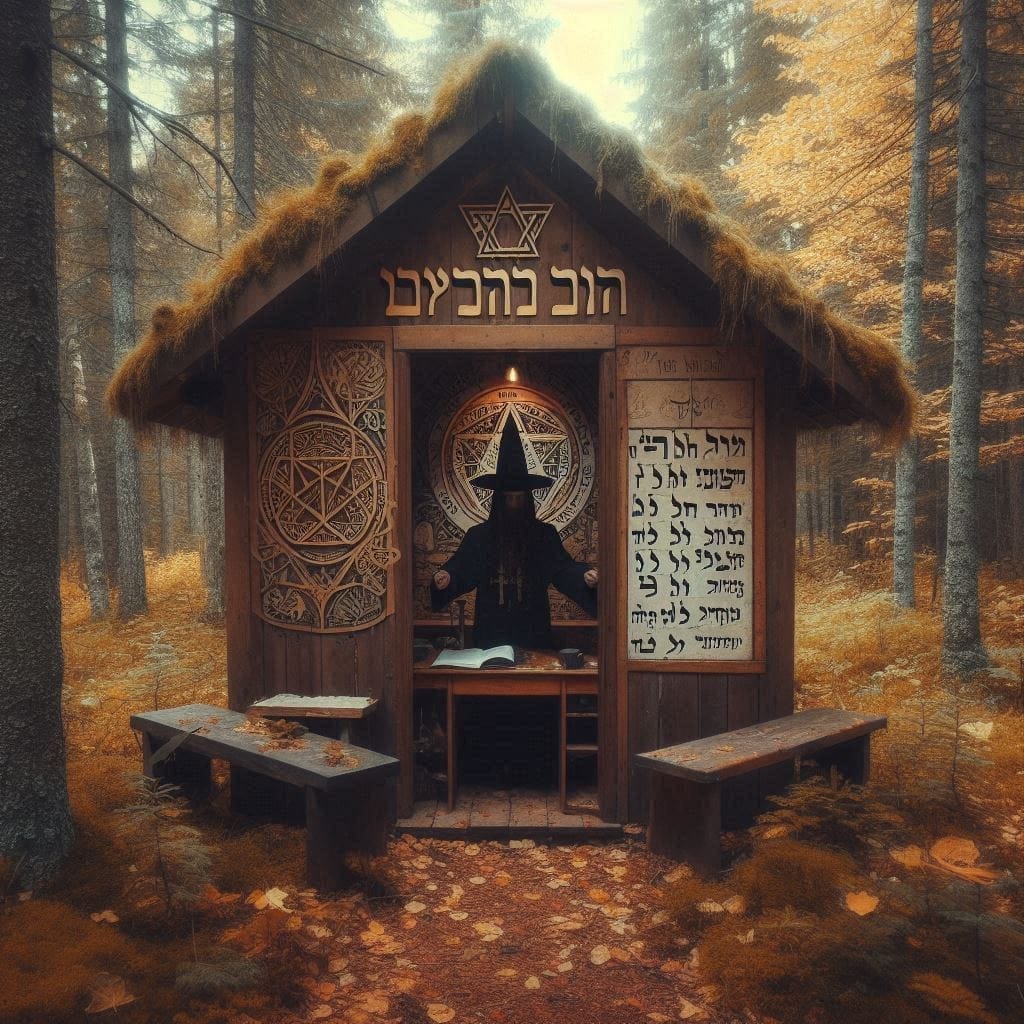
8) Reason Beneath Mystery (and Why People Still Call It Magic)
A neglected truth: authentic Kabbalah rests upon reason. The scholars who transmitted it demanded clarity. Revelation does not contradict intellect; both are gifts from the same Source. Hence their cautions: do not literalize parable, do not romanticize legend, master peshat (plain meaning) before reaching for sod (secret). Symbolic language exists to refine imagination, not replace study. Without the outer structure of Halacha, inner light scatters like fire without a lamp. With that structure, mind and heart interlace: law steadies the imagination; longing warms the law. Still, outsiders persist in calling Kabbalah “occult.” Why? Because they see symbols without structure, seeking control instead of surrender; they read poor translations that turn Shekhinah into “energy” and Ein Sof into impersonal cosmos; they confuse emotion with prophecy, and they bypass the moral center—humility and service. Above all, they forget the covenant. Kabbalah is covenantal wisdom; extracted from mitzvot, it becomes a clever shadow.
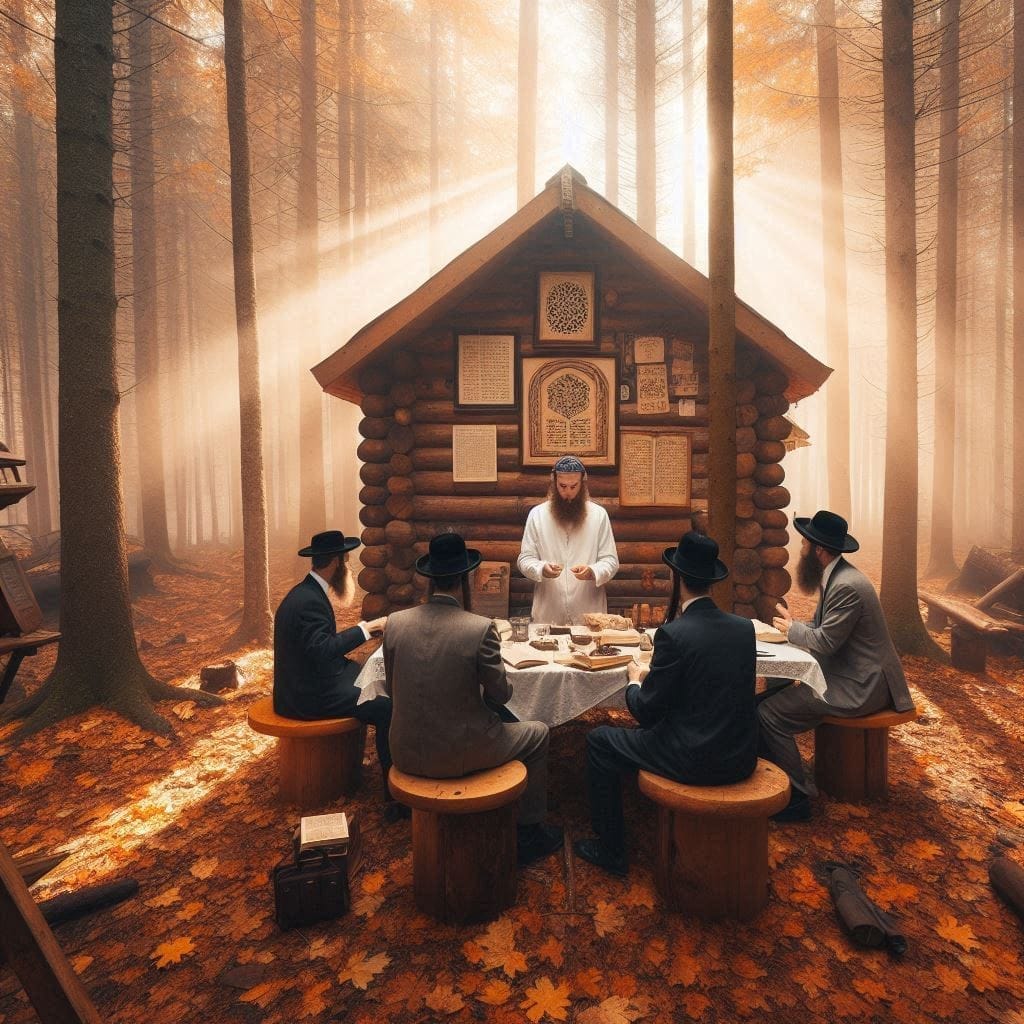
9) The Proper Way to Study (and How to Answer the World)
The path is ancient and plain:
Begin with Torah and Halacha. Mitzvot are the vessels; the inner light flows only through them.
Find a qualified teacher. Transmission is person to person; true guides insist on humility and character.
Refuse the lure of power. The goal is deveikut—cleaving to God—never supernatural control.
Balance intellect and emotion. Reason guards the mind; faith warms the heart; both are needed.
Sanctify the daily. Every mitzvah is a gate; intention (kavvanah) turns habit into ladder.
A time-tested curriculum follows the same wisdom: Tanakh, then Mishnah and Gemara, then codified Halacha (Mishneh Torah, Shulchan Aruch), ethical classics (Chovot HaLevavot, Mesilat Yesharim, Shaarei Teshuvah), and only then Zohar, Etz Chaim, and related works—under guidance. To sprint to “secrets” without mastering the “revealed” is to build a roof without a foundation. And when the world sneers “sorcery,” answer without heat: Kabbalah is a theology of obedience, not manipulation. Enter a Beit Midrash and see—no cauldrons, only books; no spells, only prayer; no domination, only students yearning to know their Creator. The strongest reply to slander is lived light.

10) Torah First, Always: Reclaiming the Narrative
Kabbalah belongs in its home: the Beit Midrash, the synagogue, the halakhic life. It is not for sale, not entertainment, not rebellion against rabbinic authority. Gently but firmly, reclaim the narrative:
It is a path of ethical refinement: character polished until it can carry light.
It is a discipline of intellectual clarity: mind ordered so imagination does not rule.
It is a system of divine unity: a grammar for sensing the One through the many.
It is a covenantal science: how holiness enters the world through commanded acts.
Judaism refuses to split the human being. It will not pry apart law and spirit, body and soul, reason and mystery. Lighting candles, fastening tzitzit, studying one page of Talmud—these are mystical acts when performed with intention. The Jew does not flee the world to find God; he sanctifies the world with God.
So—what is Kabbalah? It is Torah seen with the eyes of the soul. It is Halacha lit from within, where every mitzvah reveals a seam of cosmic order. It is Judaism at full height, where reason and wonder embrace. You cannot truly study Kabbalah without Torah. You cannot enter its inner chamber without Halacha. You cannot touch its light without living as a Jew devoted to HaShem and His commandments. To study Kabbalah without Torah is like squinting at the sun through fog—shapes appear, but truth is lost. To live Torah with Kabbalah is to walk in radiance.
Therefore strengthen the foundation: Torah as our root, Halacha as our path, Kabbalah as our light. Then the “secrets” cease to be curiosities and become breath—the living breath of the One God whose light fills all creation. And when we live that truth, accusations fall away; light does not argue. It simply shines.
Jewish Mysticism in Practice — Torah Study in Northeastern Michigan
Kabbalah should not remain confined to abstract speculation, mystical diagrams, or intellectual curiosity. Its greatest contribution to Jewish religious life is found when spiritual understanding strengthens our observance of Torah, our commitment to Halakhah, and our responsibility toward others.
At Shaarei Tzafon — The North Gate, we believe that the inward dimensions of Judaism must remain connected to the practical responsibilities of Jewish life.
Based in the Alpena region of Northeastern Michigan, Shaarei Tzafon is an independent, family-led Orthodox Jewish educational and publishing initiative devoted to Torah study, Halakhah, traditional Jewish education, and the cultivation of meaningful religious observance.
For individuals seeking Judaism in Alpena, Orthodox Judaism in Alpena, or Torah study in Hillman, Rogers City, and surrounding communities, our educational approach recognizes both the rational and spiritual inheritance of Jewish tradition.
The writings of Rambam, the Geonim, the great Sephardi and Ashkenazi scholars, and the teachings of Hasidic masters provide different approaches to understanding Torah and the responsibilities of Jewish life.
We recognize the value of Kabbalah as a source of spiritual insight without granting mystical interpretations authority to overturn established Halakhah.
Jewish life is not the bare minimum requirements of Halakhah, even though it could be. The ethical, philosophical, and mystical traditions of Judaism can enrich religious observance by cultivating humility, kindness, reverence, joy, and love of HaShem.
Our immediate work begins here in Northeastern Michigan, but our vision reaches beyond the Alpena region.
The 45th parallel represents the Gate of Shaarei Tzafon. Beyond it stretches the northern world of Michigan, Canada, and Alaska, reaching toward the Arctic.
Throughout these regions, Jewish individuals and families can preserve the rich inheritance of traditional Judaism through family-centered Torah learning, independent batei midrash, and the eventual development of small shtieblach wherever Jewish communal life can take root.
The renewal of Jewish life does not require every family to become scholars of the Zohar or masters of mystical contemplation. It begins with learning Torah, observing Shabbat, practicing kindness, educating children, and fulfilling the commandments.
When Kabbalah enriches these responsibilities, it serves its proper purpose.
The goal is not to escape ordinary life in search of hidden spiritual powers. It is to sanctify ordinary life through Torah, Halakhah, and the service of HaShem.
Our work begins locally, but this opportunity for meaningful Jewish life belongs to Jews wherever they live.
Shaarei Tzafon — The North Gate
Orthodox Jewish Life and Torah Study in Northeastern Michigan
Shaarei Tzafon — The North Gate, led by Rabbi Ariel Manning, is an independent, family-led Orthodox Jewish educational and publishing initiative based in Northeastern Michigan. We support traditional Jewish life, Torah study, Halakhah, and Jewish education throughout Alpena, Hillman, Rogers City, and surrounding communities. Those interested in traditional Judaism are welcome to contact us for educational resources, Torah learning, and opportunities for discussion by prior arrangement.
Rooted locally, our greater mission extends northward from the 45th parallel — The North Gate — through Michigan, Canada, and Alaska toward the Arctic. We seek to encourage independent Jewish communities, family-centered Torah education, and the renewal of small batei midrash and shtieblach, preserving the rich traditions of Orthodox Judaism for future generations.
Our work begins in Northeastern Michigan, but our vision extends from the 45th parallel toward the Arctic.
Guided by Rambam and Mori Qafiḥ, uplifted by Rebbe Nachman, and grounded by Avraham ben HaRambam’s balance of halakha and inward avodah.
The Orchard’s Path
publishes our books and curricula.
Our mission: a bright, authentic Jewish presence in every northern town.
Created with ©systeme.io


