
Mikra Series Conclusion הַתּוֹרָה מִמֹּשֶׁה עַד הַשֻּׁלְחָן וְהַשַּׁלְהֶבֶת HaTorah mi-Moshe: From Sinai to the Table and the Flame
B"H
Part One: Review of the Whole Chain
We began this series with one immovable foundation:
הַתּוֹרָה מִמֹּשֶׁה — HaTorah mi-Moshe
The Torah from Moshe.
This does not mean Moshe invented the Torah. It means the Torah was given by ה׳ (HaShem) through Moshe Rabbeinu to Israel. Judaism begins not with private spirituality, not with later invention, not with denominational creativity, and not with religious feelings, but with revelation, covenant, commandment, and transmission.
The Torah itself says:
תּוֹרָה צִוָּה לָנוּ מֹשֶׁה מוֹרָשָׁה קְהִלַּת יַעֲקֹב
“Moshe commanded us the Torah, an inheritance of the congregation of Yaakov.”
Devarim / Deuteronomy 33:4
That verse became the root of everything.
From there, we moved through the Mikra itself. The Torah commands Israel not to add and not to subtract. It establishes priests, judges, elders, courts, and legal authority. Devarim 17:8–13 shows that difficult questions are not left to private interpretation. Israel is commanded to go to the authorized teachers and judges, hear the ruling, and not turn aside right or left.
Then we saw that the Nevi’im do not replace Torah. They guard it. Yehoshua is commanded to meditate in the Torah day and night and not turn from it. The prophets do not come to invent new religion. They come to call Israel back to the covenant. The biblical job of the prophet is to reiterate Torah and halacha, to rebuke rebellion, and to restore Israel to HaShem.
The Ketuvim then sing the Torah. Tehillim begins with the blessed man who delights in the Torah of HaShem. Mishlei teaches the Torah of father and mother. Kohelet concludes with fear of God and guarding His commandments. The writings do not lead away from mitzvot. They deepen the soul inside mitzvot.
Then we moved to Ezra and Nechemiah, where Torah is publicly read, explained, clarified, and applied. Nechemiah 8:8 shows the Torah being read clearly, with the sense given, so the people understand. This is already the root of Oral Torah: not a second religion, but the living explanation of the Written Torah within Israel.
Then we brought in Philo and Josephus as Second Temple witnesses. They show that Judaism was already known as the religion of Moshe, law, commandment, and ancient national discipline before the Mishnah was compiled. This destroys the false claim that rabbinic Judaism invented Torah observance later.
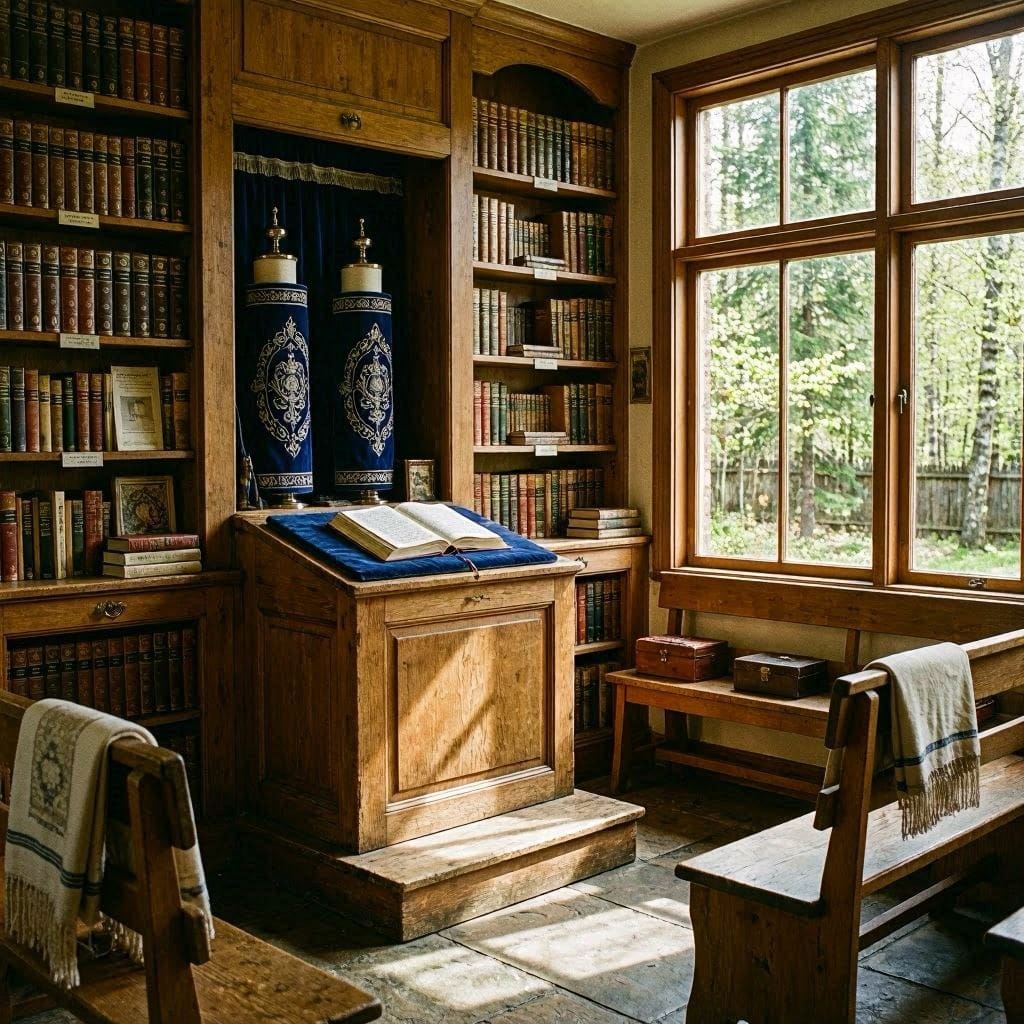
In Part Two, we entered Mishnah, halachic drashot, Braitot, and Gemara. The Mishnah opens:
מֹשֶׁה קִבֵּל תּוֹרָה מִסִּינַי וּמְסָרָהּ לִיהוֹשֻׁעַ
“Moshe received Torah from Sinai and transmitted it to Yehoshua.”
Mishnah Avot 1:1
This is the Mishnah’s claim about itself: not invention, but transmission.
The halachic drashot — especially Mekhilta, Sifra, and Sifre — show Torah being read legally. The sages do not read Scripture as free imagination. They read it through disciplined methods, including the י״ג מידות — Thirteen Middot of Rabbi Yishmael. The Braitot preserve Tannaitic teachings outside the Mishnah’s main arrangement, showing that the Oral Torah world is broader than one document. Then the Gemara analyzes, clarifies, challenges, compares, and applies. It is the preserved beit midrash of Israel.
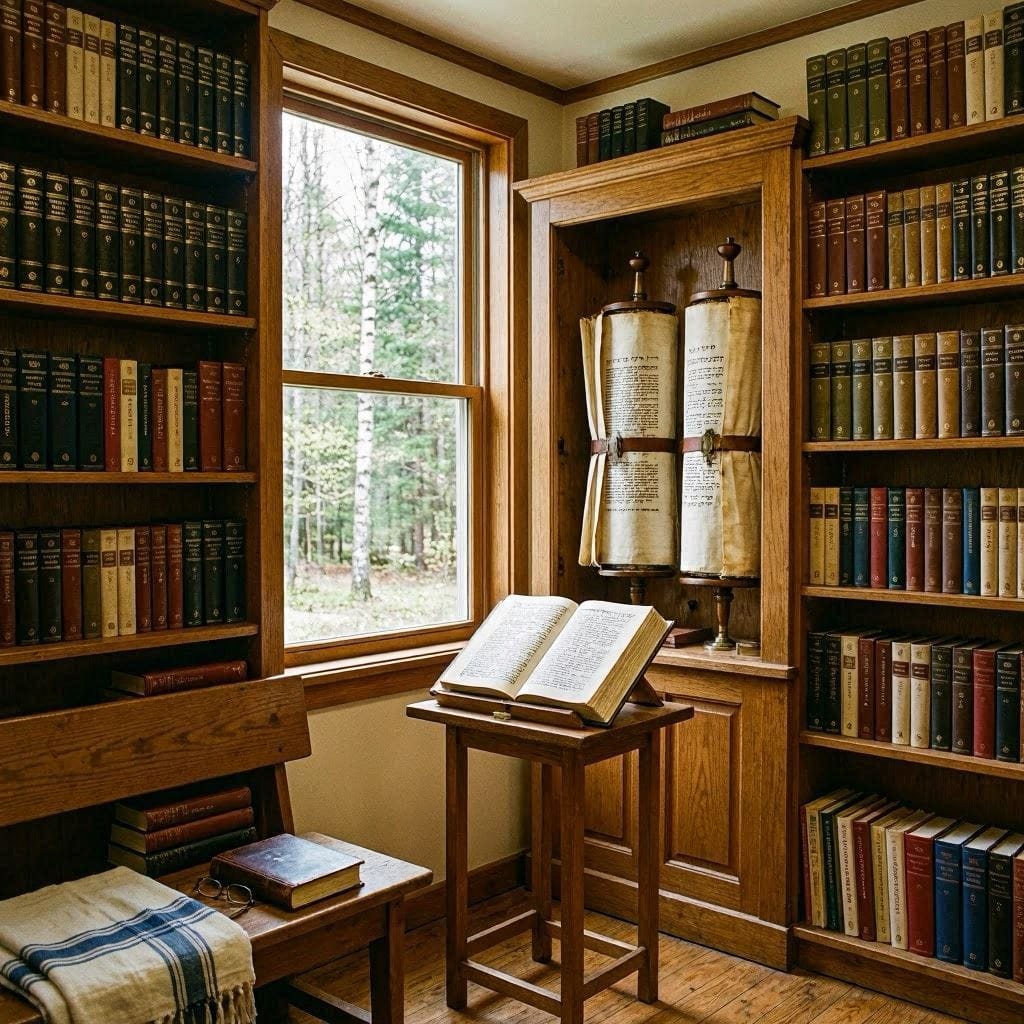
In Part Three, we moved from the end of the Gemara through the Geonim and Rishonim. Saadia Gaon defended Torah and reason against confusion and sectarianism. Rashi opened Mikra and Gemara to the Jewish people. Ibn Ezra guarded grammar and peshat. Yehudah HaLevi defended national revelation and Israel’s covenantal uniqueness. Rambam codified Torah in the Mishneh Torah. The Raavad challenged from within the mesorah. Ramban united peshat, halacha, and sod. Rabbeinu Tam and Tosafot sharpened Gemara into a vast legal organism. Sefer Chasidim brought piety and conscience. Meir of Rothenburg applied Torah to real Ashkenazic communities. Avraham ben HaRambam united rational clarity with devotional service.
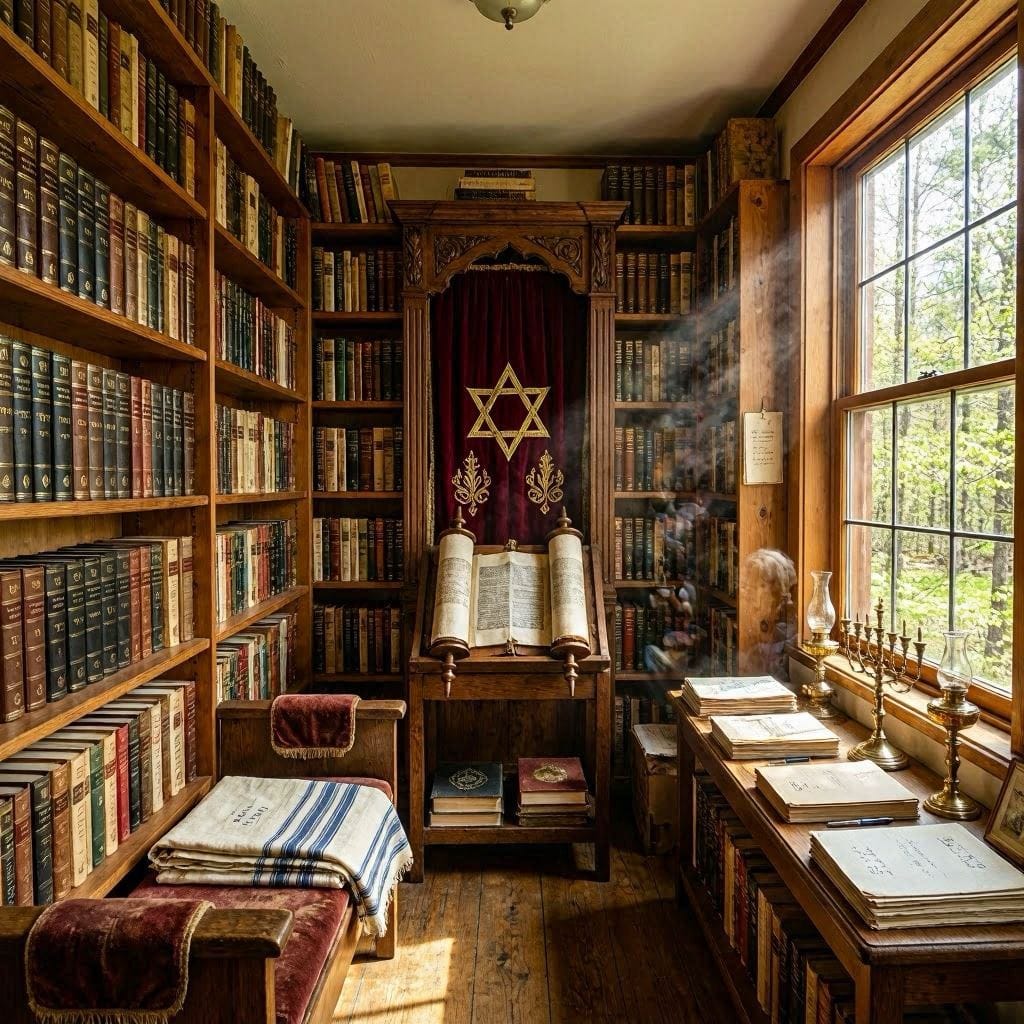
In Part Four, we paused for the boom of Kabbalah. The Zohar, Moshe de León, Avraham Abulafia, the Ramak, the Ari, and Ḥayyim Vital changed the inner atmosphere of Judaism. We distinguished Jewish Kabbalah from Hermetic or Christianized Qabalah. Authentic Jewish Kabbalah stands under Torah and halacha. It does not abolish mitzvot. It reveals their hidden depth.
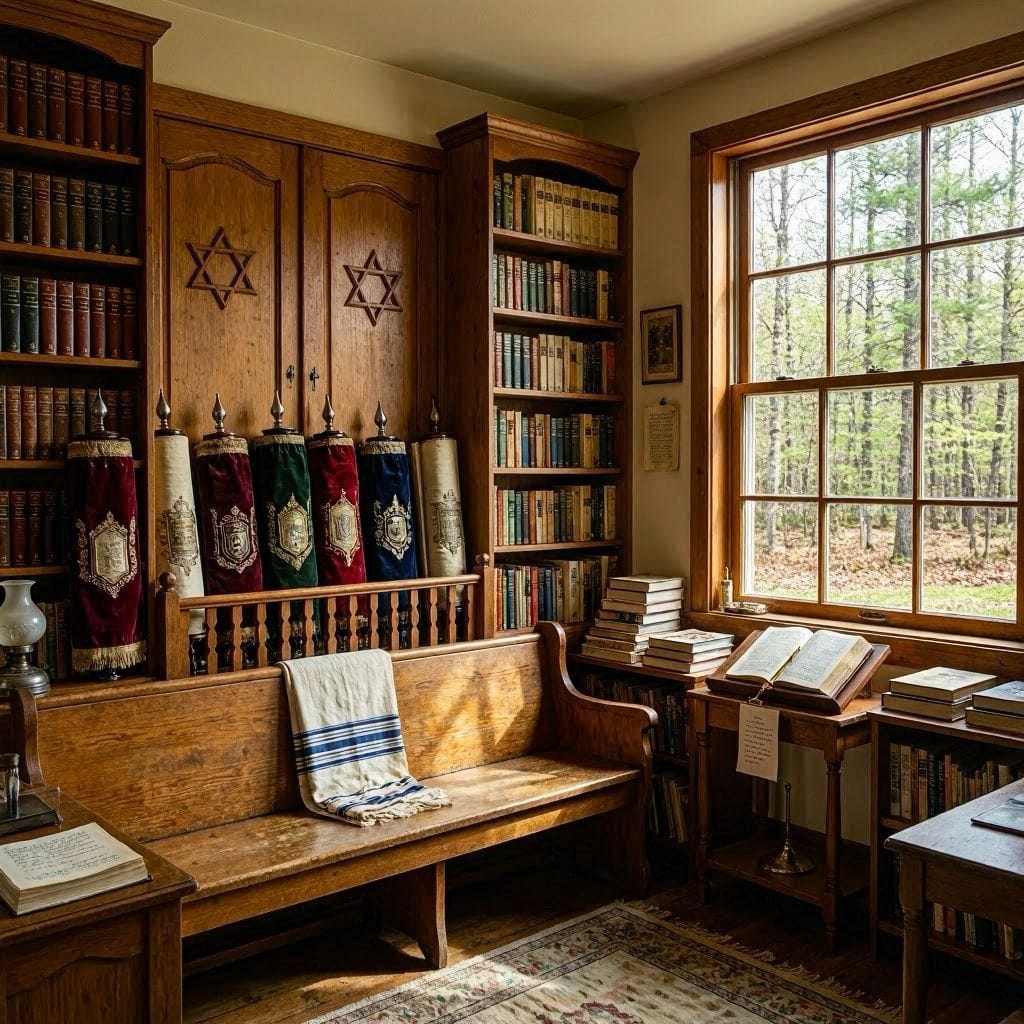
In Part Five, we entered the Acharonim: the table and the flame. Lurianic Kabbalah spread. Rabbi Yosef Karo set the table with the Shulchan Aruch. The Rema spread the Ashkenazic tablecloth. Sephardic halacha developed around Maran, local minhag, and Kabbalistic influence. Modern Sephardic restoration, especially through Rav Ovadia Yosef, returned Sephardim to their own halachic spine. Ashkenazic halacha developed through the Rema and later commentators. Hasidut brought fire. Lithuanian Torah brought discipline. German Neo-Orthodoxy faced modernity with dignity. Hungarian traditionalism built walls against Reform. Modern Ashkenazic and Hasidic worlds became a wide forest of Orthodox forms. Yemenite/Dor Daim restored Rambam-centered rational clarity. The ancient Persian-Geonic rite reminded us of an older Babylonian-Saadian stream, distinct from later Sephardic-Lurianic standardization.
That is the review.
From Moshe to Mikra.
From Mikra to Mishnah.
From Mishnah to Gemara.
From Gemara to Geonim.
From Geonim to Rishonim.
From Rishonim to Kabbalah.
From Kabbalah to Acharonim.
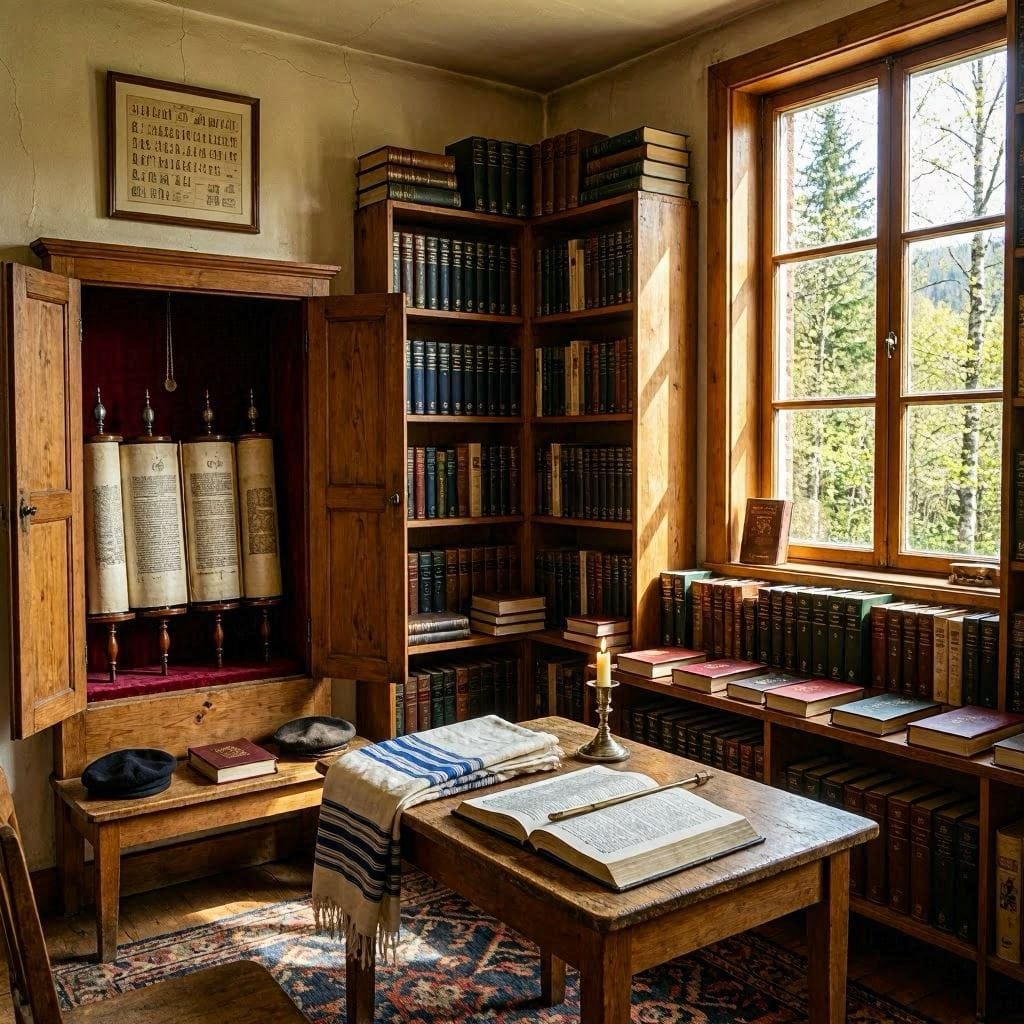
From Acharonim to the Jewish home.
Part Two: Bringing It All Together
Now we must bring the whole series together.
The purpose of this series was not merely historical. It was polemical. It was meant to answer one great accusation: that Torah Judaism is a later rabbinic invention, a corruption of biblical faith, or a man-made system replacing the simple religion of the Bible.
That accusation collapses under the weight of the chain.
The Written Torah itself commands legal authority. The Nevi’im guard the Torah. The Ketuvim rejoice in Torah. Ezra and Nechemiah show Torah being publicly read and explained. Second Temple sources already know Judaism as the law of Moshe. The Mishnah preserves organized legal memory. The halachic midrashim root law in Scripture. The Braitot preserve wider Tannaitic teaching. The Gemara analyzes the received tradition. The Geonim defend and transmit. The Rishonim explain, codify, and deepen. The Kabbalists reveal the hidden dimension. The Acharonim apply the chain to real communities.
This is not invention.
This is continuity.
Of course, Judaism develops. But development is not the same as replacement. A tree grows branches, leaves, flowers, and fruit. But if the root remains, the tree is alive. If the root is cut, the leaves may remain green for a moment, but they are already dying.
The root is Sinai.
The trunk is Torah.
The branches are Mishnah, Gemara, Geonim, Rishonim, Kabbalah, Acharonim, and minhagim.
The fruit is Jewish life.
This is why diversity inside Torah does not frighten us.
Sephardim and Ashkenazim differ.
Yemenites and Persians preserve older eastern forms.
Hasidim and Litvaks emphasize different spiritual muscles.
German Orthodoxy and Hungarian traditionalism respond differently to modernity.
Dor Daim rationalism and Lurianic Kabbalah represent very different atmospheres.
But when they remain inside Torah, mitzvot, halacha, and mesorah, they are not separate religions. They are legitimate branches.
The problem is not diversity.
The problem is rupture.
A branch may grow differently from another branch. That is life. But a branch that cuts itself from the root is no longer a living branch. It is decoration.
This is the difference between Torah Judaism and religious imitation.
A Torah Jew stands inside the chain.
A counterfeit movement borrows leaves from the tree while rejecting the root.
It uses Hebrew words but rejects halacha.
It quotes prophets but rejects the sages who preserved the prophets.
It loves “biblical feasts” but rejects the Oral Torah that explains how Israel observes sacred time.
It praises Moshe while refusing the legal authority Moshe himself commanded.
It quotes Scripture against the Jewish people while standing on the Scripture preserved by the Jewish people.
That cannot stand.
You cannot use Tanakh against the mesorah that carried Tanakh.
You cannot claim Moshe while bypassing the Torah system Moshe transmitted.
You cannot praise Isaiah while despising the covenantal community that preserved Isaiah.
You cannot quote Tehillim while rejecting the halachic Israel that sang Tehillim for centuries.
The true Torah path is humbler.
It says: I receive.
That is the key word.
קַבָּלָה — Kabbalah itself means receiving.
מְסוֹרָה — mesorah means transmission.
תּוֹרָה — Torah means instruction.
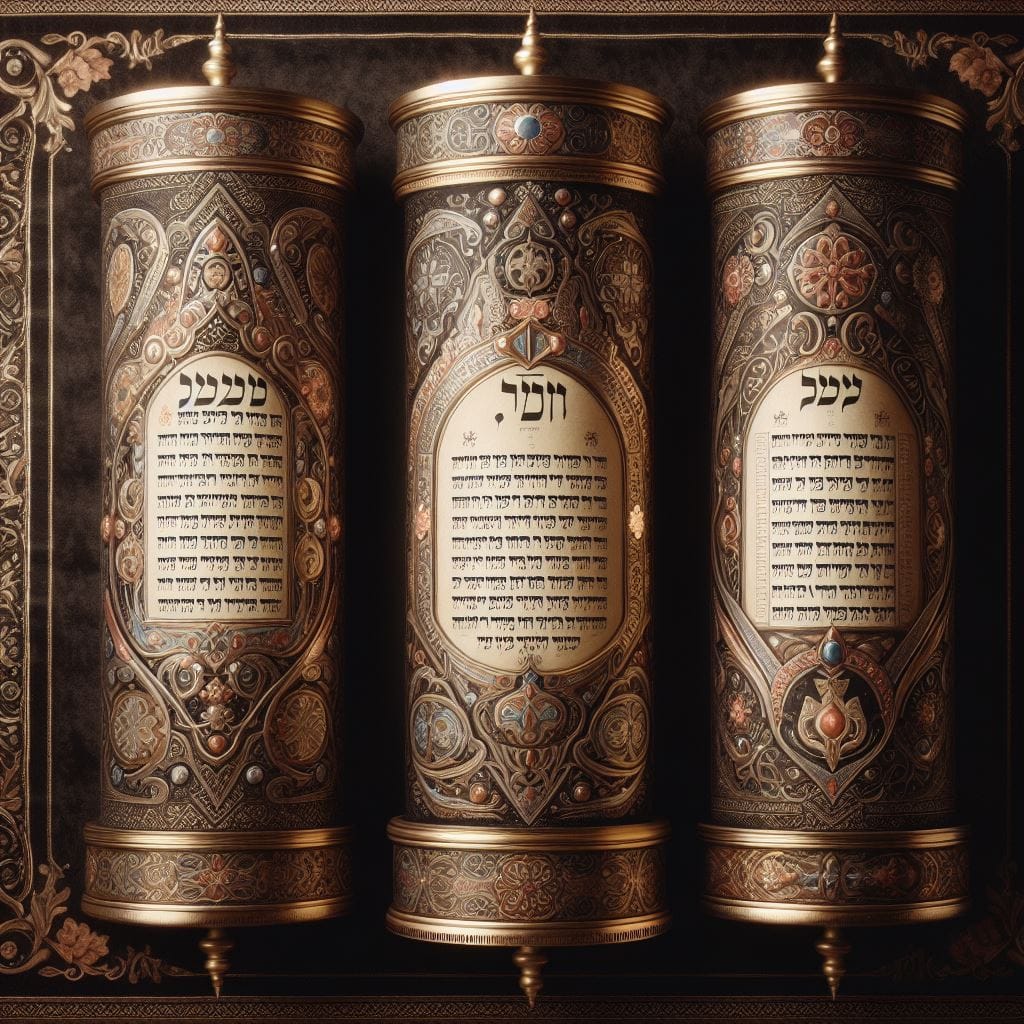
Judaism is not a religion of spiritual self-invention. It is a religion of received divine instruction.
That does not mean thought is forbidden. Judaism is full of argument. The Mishnah argues. The Gemara argues. Rambam and Raavad argue. Rambam and Ramban differ. Hasidim and Mitnagdim clash. Sephardic and Ashkenazic poskim rule differently. Dor Daim and Kabbalists dispute fiercely.
But holy argument happens inside the covenant.
A Torah argument asks: what did HaShem command, how was it transmitted, and how must Israel live?
A rebellious argument asks: how can I escape obligation while keeping religious language?
That is the dividing line.
The series therefore ends with a declaration:
Torah Judaism is not frozen, but it is rooted.
It can answer new questions because it has living authorities.
It can spread into many lands because it has halachic structure.
It can produce many minhagim because it has one covenant.
It can absorb mystical fire because halacha gives the flame a lamp.
It can resist modernity because the chain is stronger than the age.
It can show mercy and leniency because halacha is not hysteria.
It can be strict when needed because holiness requires boundaries.
It can be rational like Rambam and Mori Qafiḥ.
It can be mystical like Ramban, the Ari, and Rebbe Nachman.
It can be disciplined like the Vilna Gaon.
It can be warm like the Baal Shem Tov.
It can be codified like Rabbi Yosef Karo.
It can be practical like the Rema.
It can be ancient like Yemen and Persia.
It can be modern without surrendering like Hirsch.
It can build walls like the Chatam Sofer.
It can restore dignity like Rav Ovadia Yosef.
But it cannot abandon Moshe.
That is the immovable point.
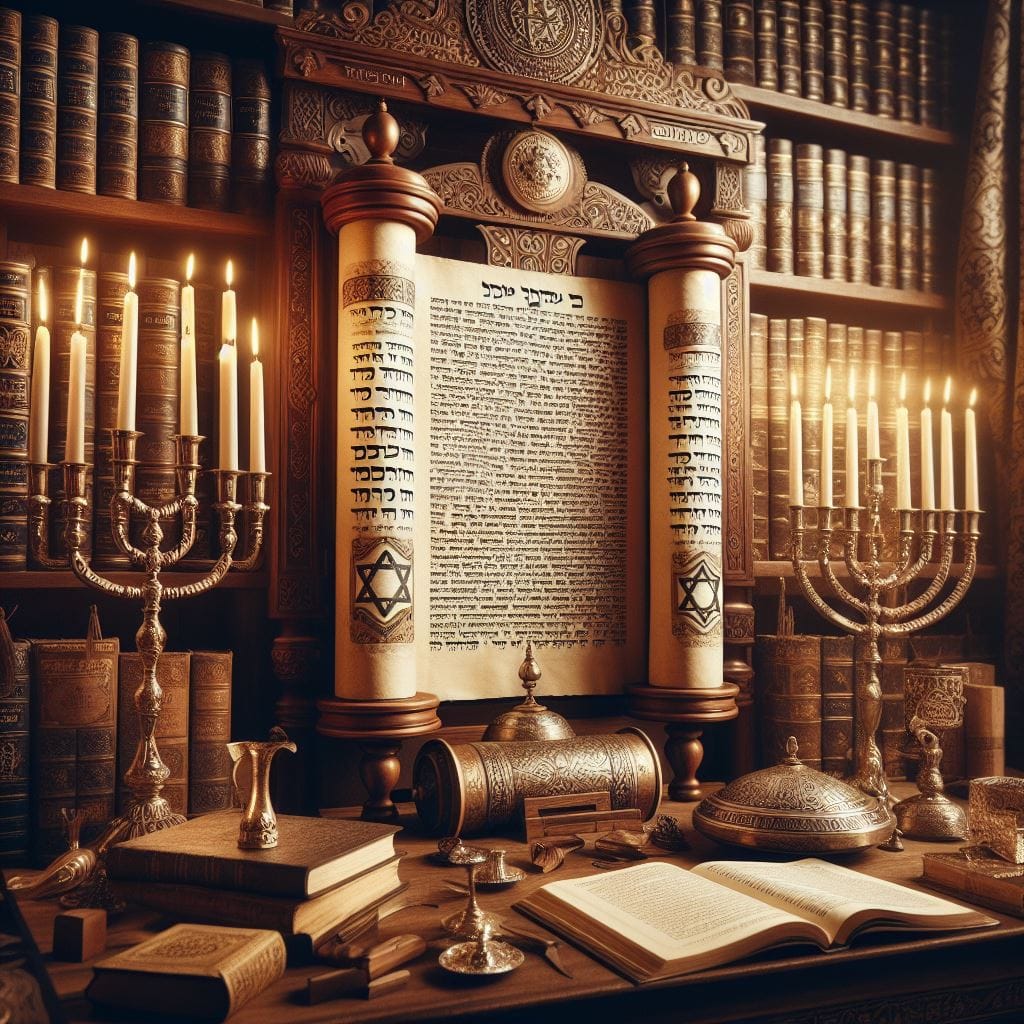
No Moshe, no Judaism.
No Torah, no covenant.
No halacha, no Jewish life.
No mesorah, no continuity.
No Israel, no Tanakh.
No commandments, no Torah religion.
Therefore the conclusion is simple:
הַתּוֹרָה מִמֹּשֶׁה is not only the title of Part One.
It is the root of the whole series.
The Torah from Moshe becomes the Torah read by Ezra.
The Torah read by Ezra becomes the Torah organized in Mishnah.
The Torah organized in Mishnah becomes the Torah analyzed in Gemara.
The Torah analyzed in Gemara becomes the Torah clarified by the Rishonim.
The Torah clarified by the Rishonim becomes the Torah codified by the Acharonim.
The Torah codified by the Acharonim becomes the Torah lived in the Jewish home.
And the Jewish home is the final battlefield.
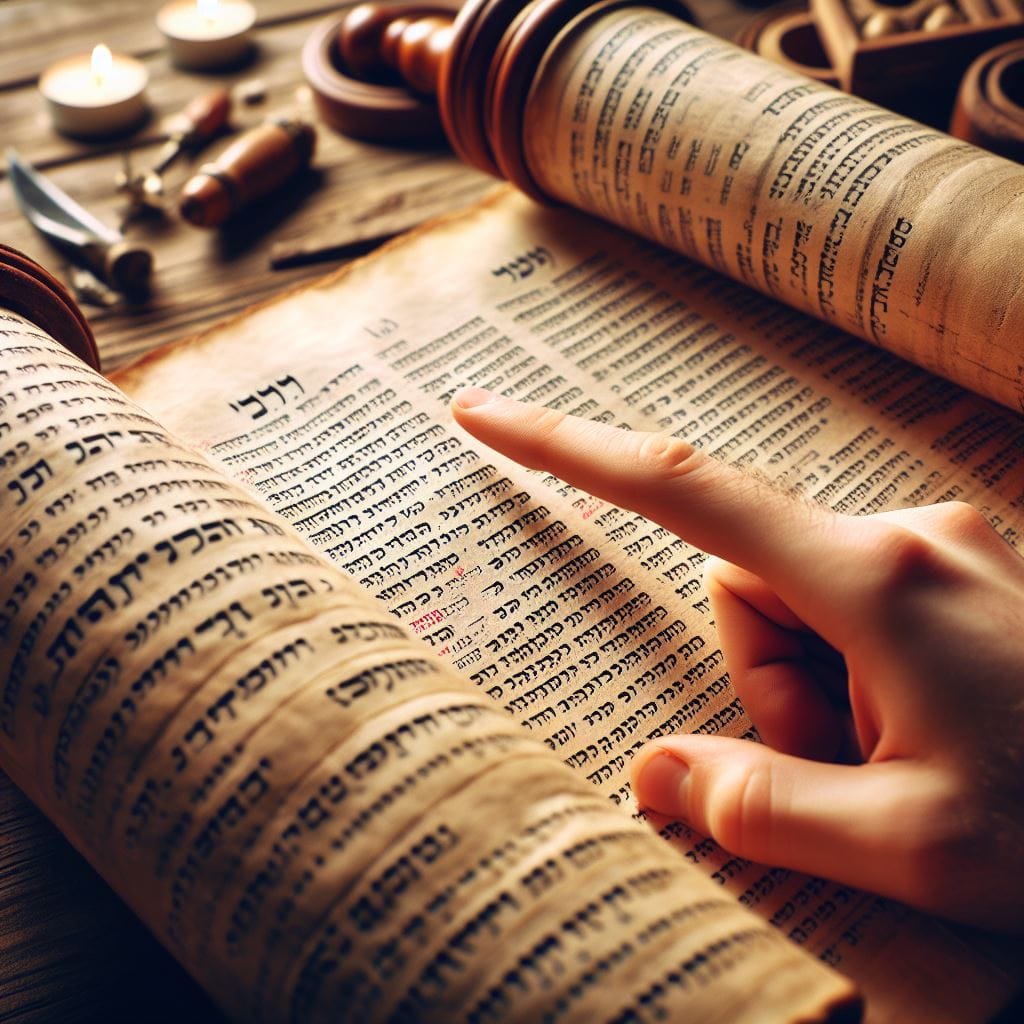
Not the academy.
Not the polemic.
Not the slogan.
Not the ideology.
The home.
A candle before Shabbat.
A blessing over bread.
A child learning Torah.
A father and mother teaching mitzvot.
A table made holy.
A calendar sanctified.
A people remembering Sinai.
That is where the chain lives.
That is where HaTorah mi-Moshe becomes flesh and breath in Israel.
Many branches.
One root.
Many streams.
One river.
Many voices.
One covenant.
Moshe commanded us the Torah, an inheritance of the congregation of Yaakov.
That is where we began.
That is where we stand.
That is where Torah Judaism remains.
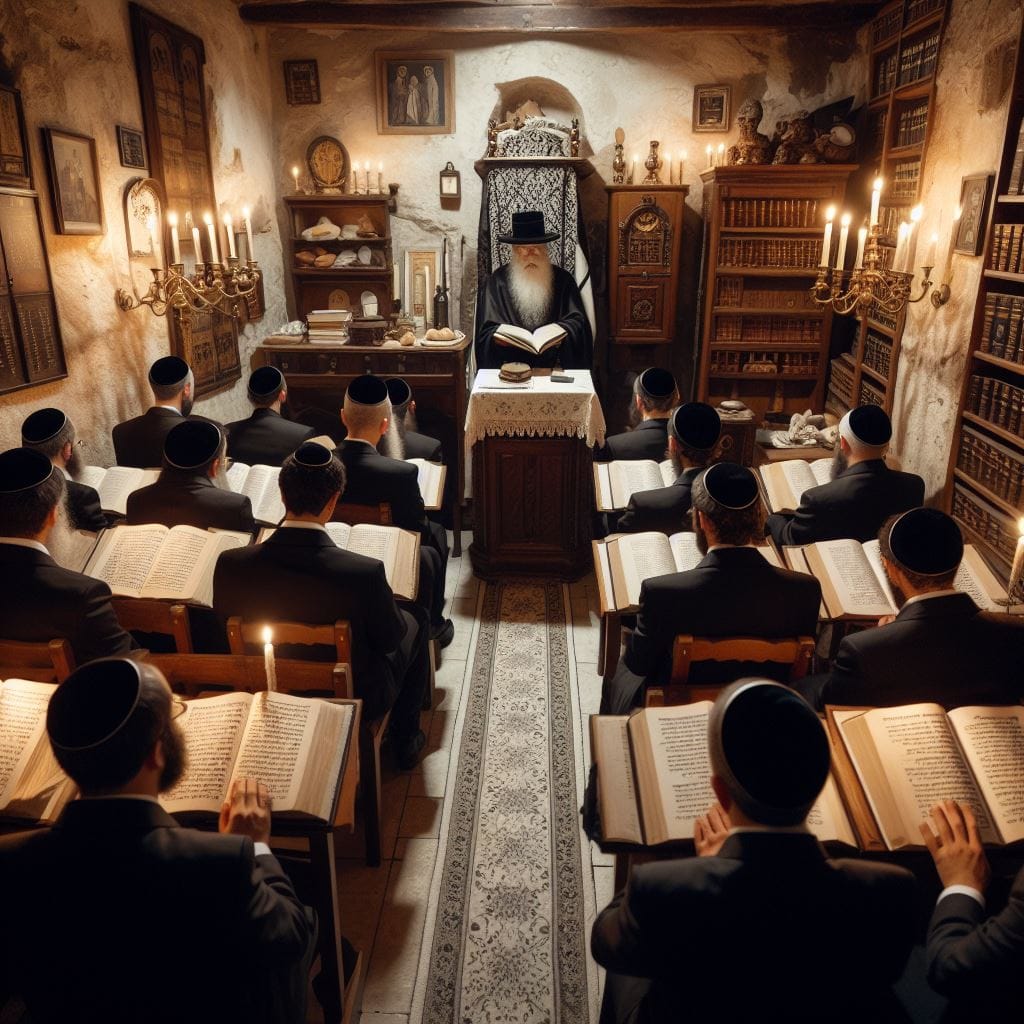
Mikra Series — Conclusion: HaTorah mi-Moshe
From Sinai to the Table and the Flame — The Living Inheritance of Torah
What connects the revelation at Sinai, the Mishnah and Gemara, the Geonim and Rishonim, the flowering of Kabbalah, and the great halakhic authorities of later generations?
The answer is HaTorah mi-Moshe — the Torah transmitted through Moshe to the Jewish people.
Throughout this Mikra Series, Rabbi Ariel Manning has examined the historical and religious continuity of traditional Judaism. The purpose has been to demonstrate that Torah Judaism is not simply a collection of disconnected religious texts, nor is the Oral Torah a separate religion invented after the biblical period.
Rather, traditional Judaism understands itself as a continuing covenantal inheritance, grounded in the revelation at Sinai and preserved through generations of Jewish study, interpretation, legal reasoning, and observance.
The Written Torah establishes the foundation. The Prophets call Israel back to its commandments. The Writings celebrate its wisdom and sacred responsibilities.
The Mishnah organizes the inherited legal tradition, while the Baraitot, halakhic Midrashim, and Gemara preserve, examine, and clarify the discussions of the sages.
The Geonim carry this inheritance through the great academies of Babylonia, answering practical questions from Jewish communities spread across distant lands.
The Rishonim continue the work through biblical commentary, philosophy, Talmudic analysis, and legal codification. Rashi, Saadia Gaon, Rambam, Ramban, the Tosafists, and many others demonstrate the extraordinary intellectual richness of Torah scholarship.
The Rambam's Mishneh Torah provides a comprehensive organization of Jewish law, while the Arba'ah Turim establishes a framework that later influences the Beit Yosef and Shulchan Aruch.
The flowering of Kabbalah brings new expressions of Jewish mystical interpretation. The Zohar, the Ramak, the Ari, and subsequent mystical authorities shape Jewish prayer, customs, and spiritual thought.
Later, the Acharonim continue the process of clarification and practical application. The development of Hasidut also emphasizes joy, inward devotion, and attachment to HaShem.
Here we arrive at the two great images of this series: the table and the flame.
The table represents the ordered structure of Halakhah — the commandments governing the Jewish home, synagogue, community, and daily life.
The flame represents the inward devotion that gives religious observance warmth, meaning, humility, and love of HaShem.
Yet neither the table nor the flame stands independently of the Torah.
Jewish independence does not mean inventing a new Torah. It means acquiring the knowledge, discipline, and responsibility necessary to preserve the Torah already entrusted to Israel.
This is especially relevant to Jewish life in Alpena, Hillman, Rogers City, and the surrounding communities of Northeastern Michigan.
Shaarei Tzafon seeks to demonstrate that serious Torah study and traditional Jewish observance remain possible even where established Jewish institutions are distant.
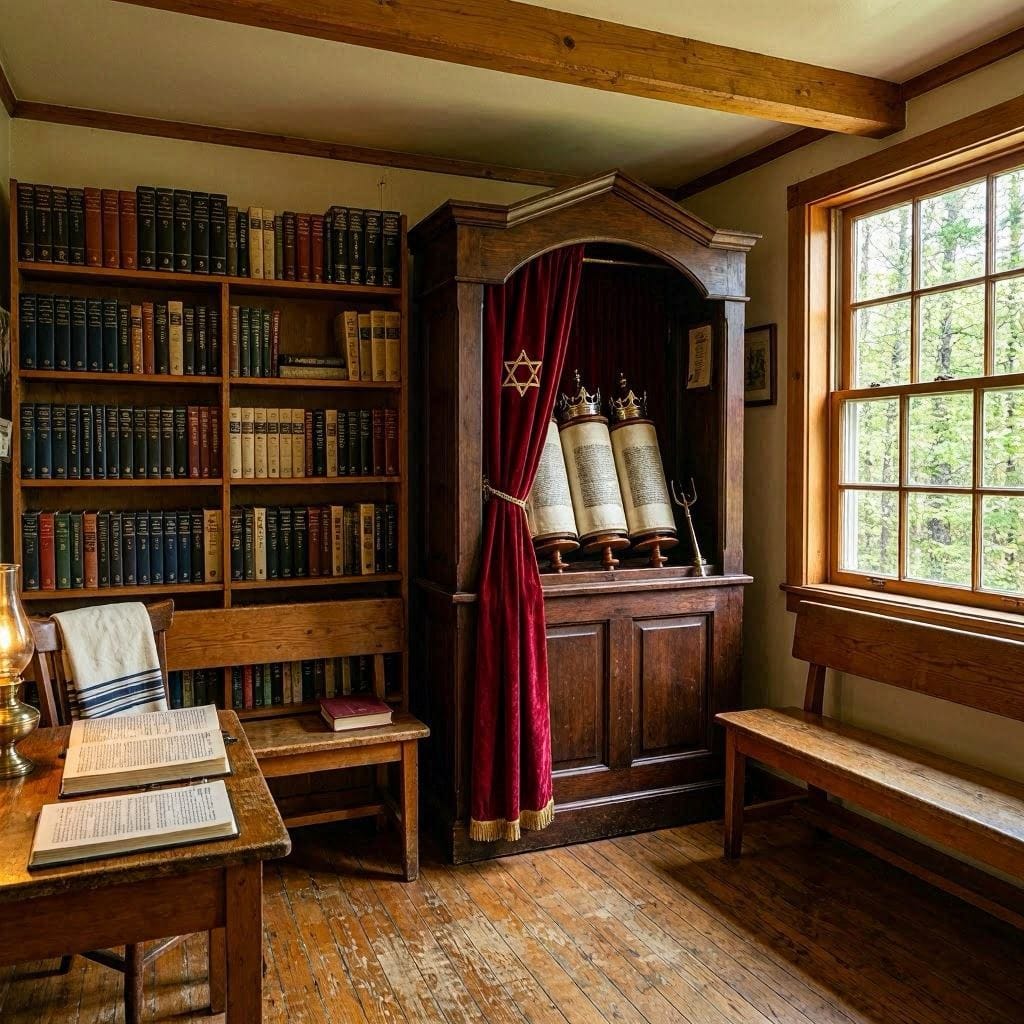
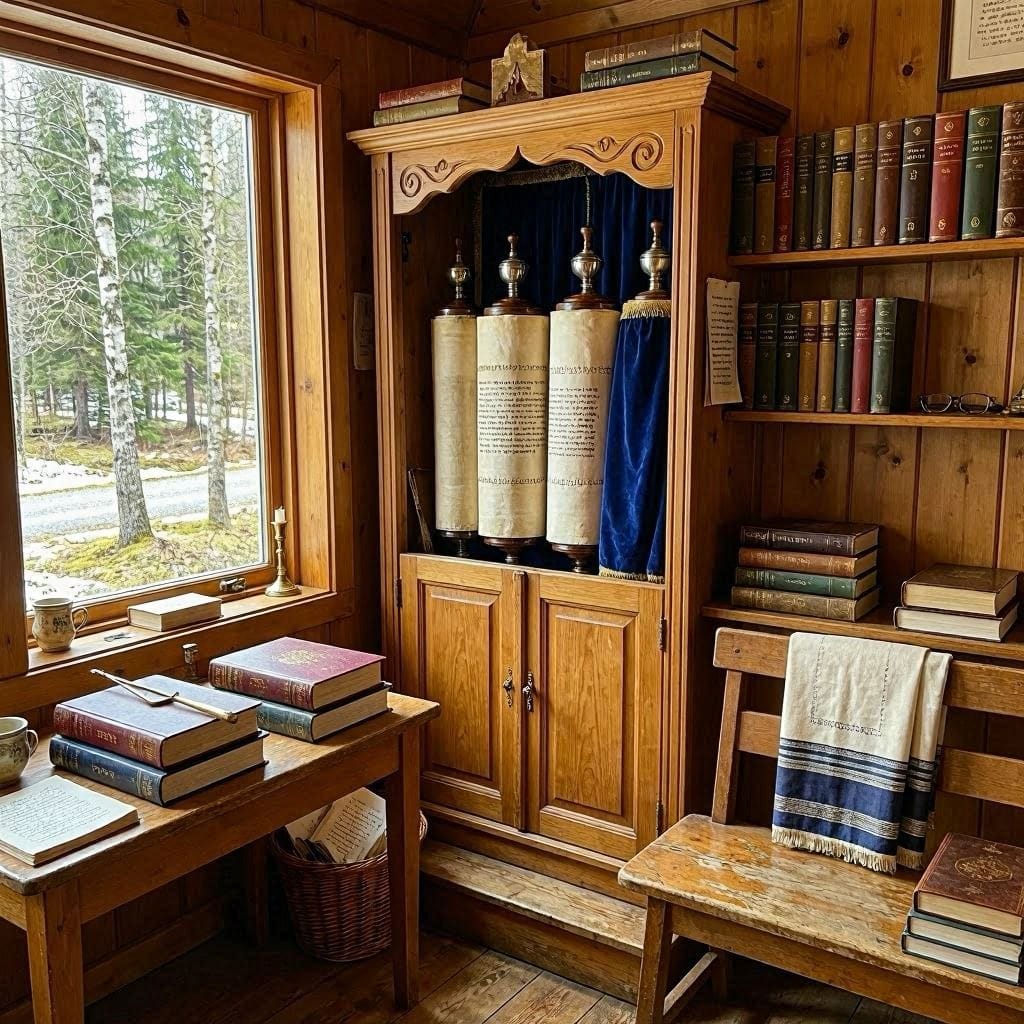
A family can establish a small Beit Midrash. Parents can transmit Torah to their children. Students can study Chumash, Mishnah, Gemara, Geonic literature, Rambam, and practical Halakhah. With time, mutual trust, and dedication, these foundations may help sustain an independent Jewish kehillah.
The wider northern mission of Shaarei Tzafon extends from the 45th parallel toward the Arctic, encouraging the preservation of legitimate Jewish traditions and the renewal of small Jewish learning communities across the boreal regions of North America.
But every such renewal must begin with the same inheritance.
The central message: Sinai gives us the Torah, the sages transmit and clarify it, Halakhah orders our lives, and devotion kindles its flame. The responsibility of every generation is to study, preserve, practice, and transmit HaTorah mi-Moshe.
The history of Torah is not merely the history of ancient books and scholars.
It is the continuing responsibility of the Jewish people.
And wherever Torah is studied, commandments are observed, and Jewish tradition is faithfully transmitted, the inheritance of Sinai remains alive.
Published by Shaarei Tzafon — The North Gate, an independent, family-led Orthodox Jewish educational and publishing initiative based in Northeastern Michigan, serving Alpena, Hillman, Rogers City, and surrounding communities.
Shaarei Tzafon promotes traditional Jewish life, Torah study, practical Halakhah, and the renewal of independent Jewish learning communities throughout the northern boreal regions, extending from the 45th parallel toward the Arctic tundra, including the wider northern regions of Michigan, Canada, and Alaska.
Shaarei Tzafon — The North Gate
Orthodox Jewish Life and Torah Study in Northeastern Michigan
Shaarei Tzafon — The North Gate, led by Rabbi Ariel Manning, is an independent, family-led Orthodox Jewish educational and publishing initiative based in Northeastern Michigan. We support traditional Jewish life, Torah study, Halakhah, and Jewish education throughout Alpena, Hillman, Rogers City, and surrounding communities. Those interested in traditional Judaism are welcome to contact us for educational resources, Torah learning, and opportunities for discussion by prior arrangement.
Rooted locally, our greater mission extends northward from the 45th parallel — The North Gate — through Michigan, Canada, and Alaska toward the Arctic. We seek to encourage independent Jewish communities, family-centered Torah education, and the renewal of small batei midrash and shtieblach, preserving the rich traditions of Orthodox Judaism for future generations.
Our work begins in Northeastern Michigan, but our vision extends from the 45th parallel toward the Arctic.
Guided by Rambam and Mori Qafiḥ, uplifted by Rebbe Nachman, and grounded by Avraham ben HaRambam’s balance of halakha and inward avodah.
The Orchard’s Path
publishes our books and curricula.
Our mission: a bright, authentic Jewish presence in every northern town.
Created with ©systeme.io


