
Mikra Series, Part Five אַחֲרוֹנִים: הַשֻּׁלְחָן וְהַשַּׁלְהֶבֶת Acharonim: The Table and the Flame
B"H
1. Lurianic-Kabbalistic Spread
Before we can understand the Acharonim, we must understand the atmosphere into which they emerged. The Acharonic world is not merely legal. It is also mystical. The Zohar has already entered Jewish consciousness. The Ramak, Rabbi Moshe Cordovero, has already systematized earlier Kabbalistic teaching. Then comes the turning point in Tzfat: Rabbi Yitzḥak Luria, the Ari, and his chief transmitter, Rabbi Ḥayyim Vital.
This is the great Lurianic spread.
The Ari’s teachings changed the inner grammar of Jewish spirituality. He gave later Judaism a language of tzimtzum — divine concealment, shevirat ha-kelim — the breaking of the vessels, nitzotzot — sparks of holiness, tikkun — repair, gilgulim — soul-cycles, and kavvanot — mystical intentions in prayer and mitzvot.
This matters because the Acharonim inherit a world where halacha and Kabbalah are now in conversation. Prayer is no longer only legal obligation. It is cosmic repair. Shabbat is no longer only rest and sanctification. It is a mystical palace. The mitzvot are no longer only commanded acts. They are vessels through which divine order is restored.
But the boundary must be absolute:
Kabbalah does not replace halacha.
Kabbalah must stand under Torah. It must deepen the mitzvot, not dissolve them. It must make a Jew tremble more before Shabbat, not treat Shabbat as optional. It must make prayer more reverent, not theatrical. It must make Torah more holy, not more manipulable.
This is why the Lurianic spread is powerful and dangerous. When properly received, it reveals the hidden depth of Torah. When detached from halacha, it becomes fantasy, superstition, or spiritual vanity.
So Part Five begins here: the flame spreads. But the flame must remain on the table of Torah.
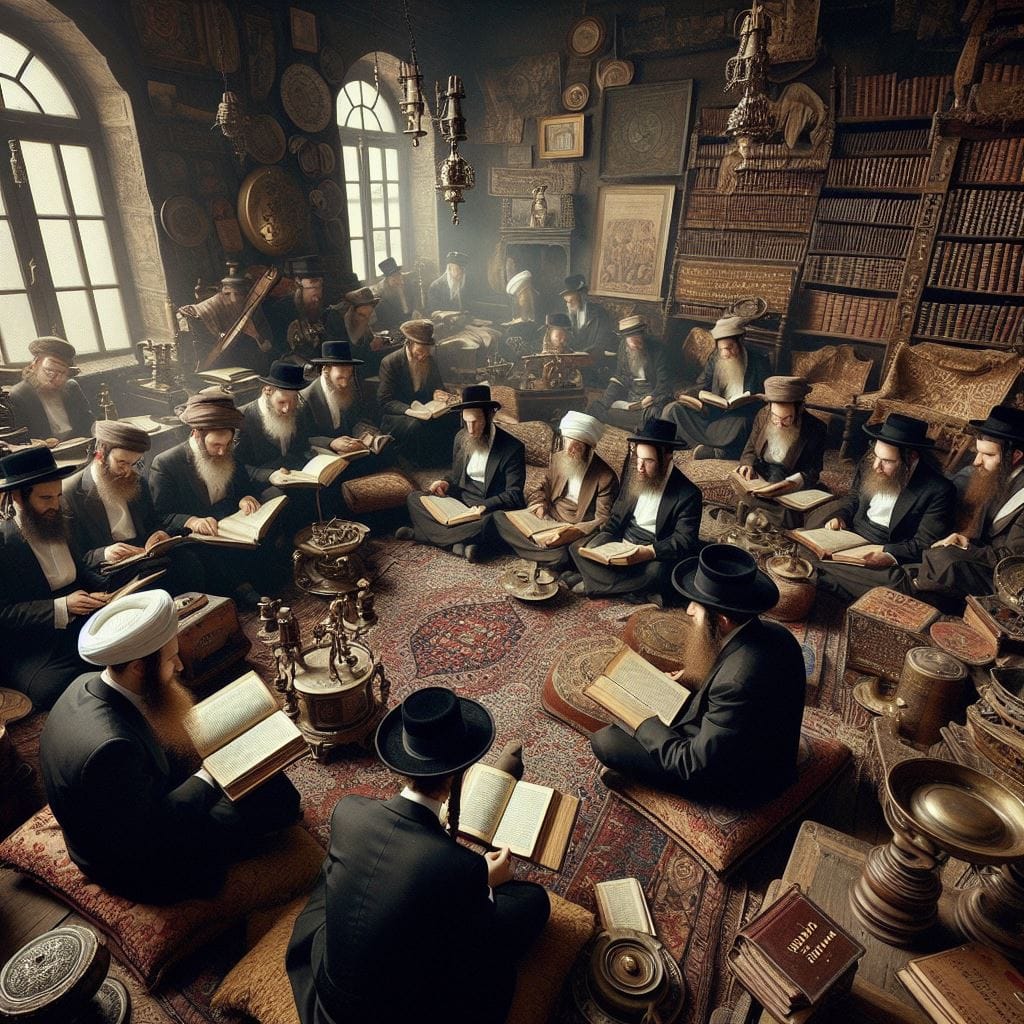
2. Shulchan Aruch / Rema
After the mystical flame, the halachic table is set.
The central figure is Rabbi Yosef Karo, author of the Beit Yosef and the Shulchan Aruch. The Beit Yosef is a vast halachic analysis built on the Tur, the Gemara, the Geonim, and the Rishonim. The Shulchan Aruch condenses that massive work into practical halacha.
This is one of the great turning points in Jewish history.
The question becomes:
What does a Jew actually do?
Not merely: what is the sugya?
Not merely: what did the Rishonim debate?
Not merely: what are all possible readings?
But: how should Israel live?
Rabbi Yosef Karo sets the table.
But the Jewish world is not uniform. Ashkenazic communities have their own inherited practice, built from Rashi, Tosafot, Rabbeinu Tam, the Rosh, Mordechai, Maharam of Rothenburg, and the German-Polish halachic world.
Therefore, the Rema, Rabbi Moshe Isserles, adds his glosses to the Shulchan Aruch. His work is often called the Mappah, the tablecloth. The image is perfect: Rabbi Yosef Karo sets the table, and the Rema spreads the Ashkenazic tablecloth upon it.
This creates the great Acharonic structure:
Shulchan Aruch + Rema
This is not a split into two religions. It is one Torah table with two major covenantal settings.
Sephardim generally follow Rabbi Yosef Karo.
Ashkenazim generally follow Rabbi Yosef Karo as modified by the Rema.
This is ordered diversity. This is halachic civilization.
The Shulchan Aruch and Rema become the foundation upon which later Acharonim build: Magen Avraham, Taz, Shach, Pri Megadim, Chida, Ben Ish Chai, Gra, Mishnah Berurah, Aruch HaShulchan, Kaf HaChaim, Rav Ovadia Yosef, and many others.
The table is now set. The streams begin to spread.
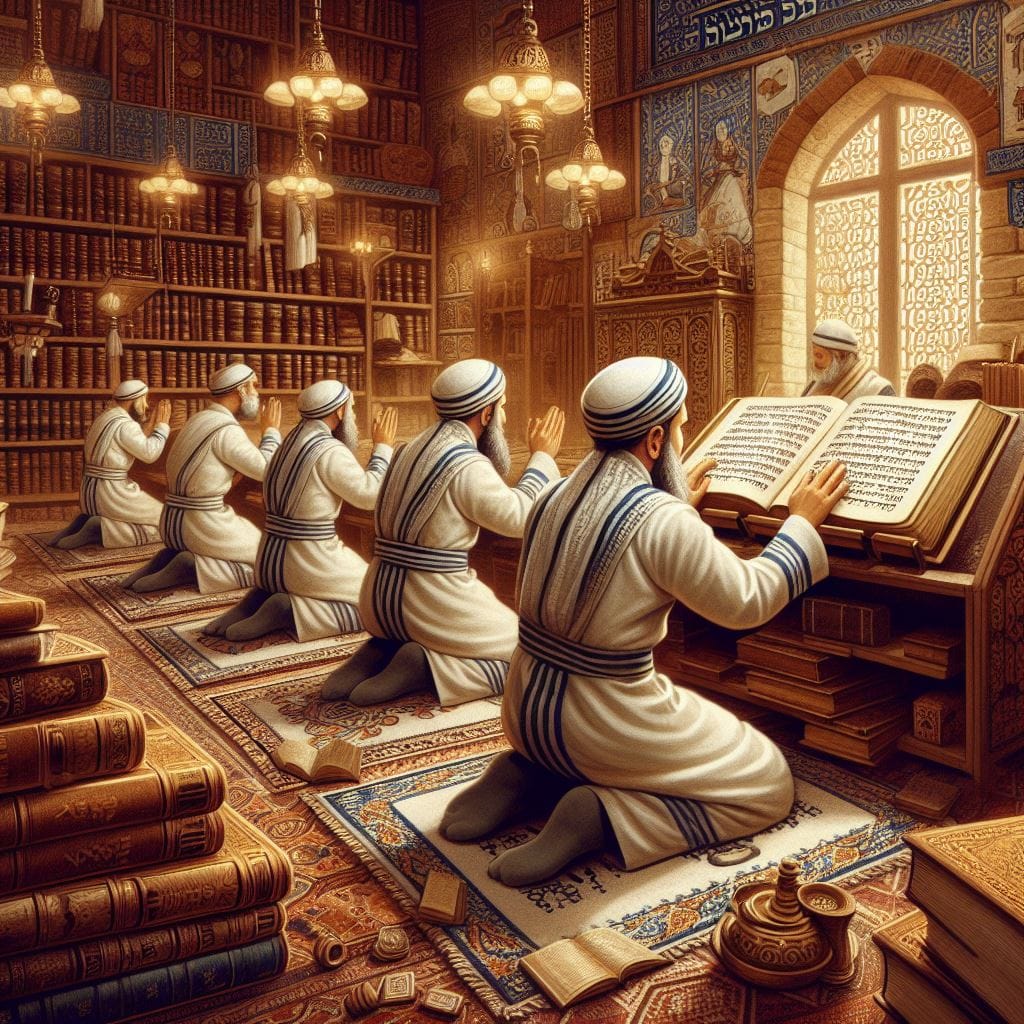
3. Sephardic Halacha
The first major stream flowing from the Shulchan Aruch is Sephardic halacha.
Sephardic halacha is not one simple thing. It includes Spanish and Portuguese heritage, Ottoman influence, North African practice, Syrian tradition, Iraqi tradition, Eretz Yisrael, Egyptian communities, Moroccan customs, Italian and Balkan communities, and more. But Rabbi Yosef Karo becomes a great central pillar.
Sephardic halacha usually carries several layers:
Rif, Rambam, and Rosh as the great halachic foundations behind Rabbi Yosef Karo.
Beit Yosef and Shulchan Aruch as central practical authority.
Local minhag as the living memory of each community.
Kabbalah of the Ari as a spiritual influence, especially in prayer, Shabbat, festivals, and personal piety.
Later authorities such as Chida, Ben Ish Chai, and Kaf HaChaim, who blend halacha, minhag, and Kabbalistic sensitivity.
This stream is powerful because it shows that Torah can be clear without being narrow. Sephardic halacha often seeks practical ruling, communal continuity, and respect for earlier authorities. It is less obsessed with making Judaism impossible and more interested in allowing halacha to function for real communities.
But Sephardic halacha is not lawless leniency. It is not “easy Judaism.” It is disciplined, source-based, and rooted in the chain.
The beauty of Sephardic halacha is that it often knows how to carry law with warmth. It preserves dignity, family life, communal joy, piyutim, Kabbalistic reverence, and practical observance.
The Sephardic world becomes one of the great pillars of Acharonic Judaism: legal, poetic, mystical, communal, and practical.
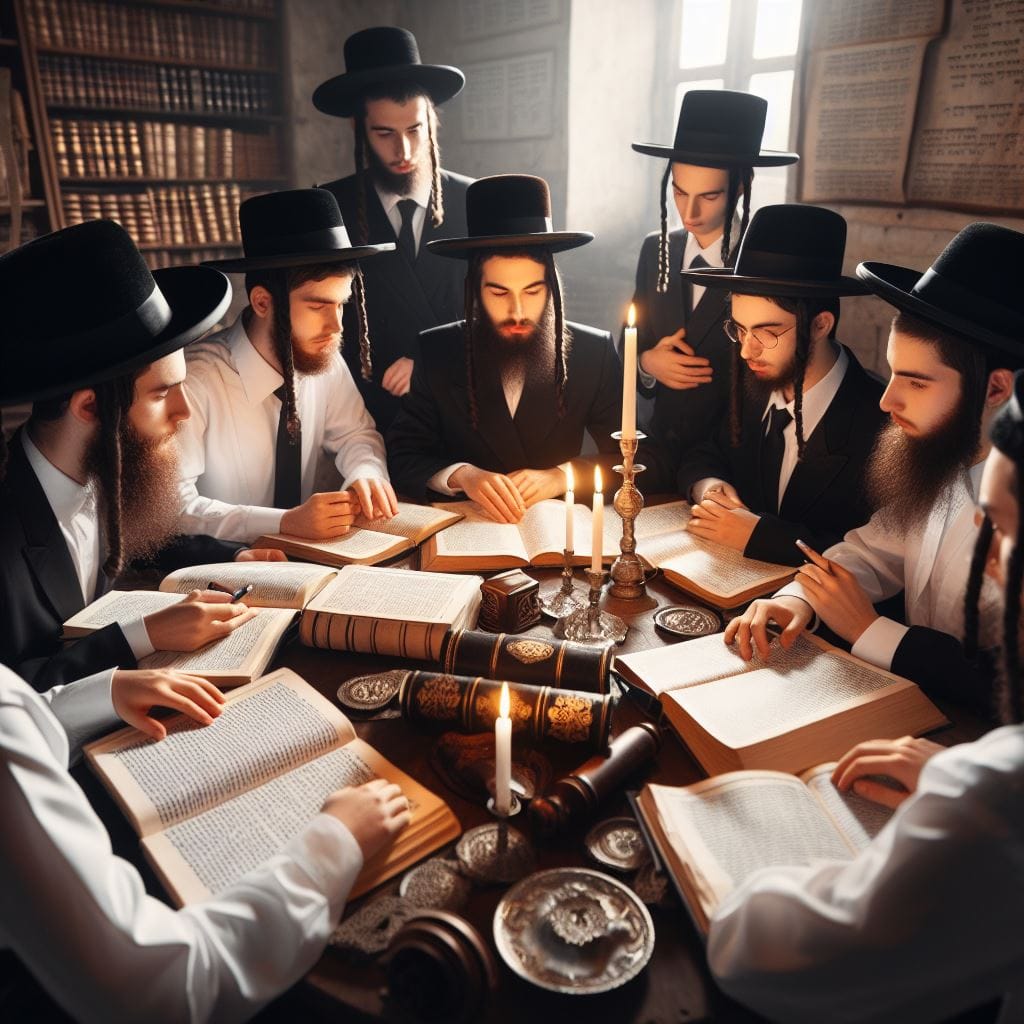
4. Modern Sephardic Restoration
From Sephardic halacha comes a modern restoration.
The key figure here is Rav Ovadia Yosef.
His project was not to create a new Judaism. It was to restore Sephardic halachic confidence. He sought to return Sephardim to the authority of Maran Rabbi Yosef Karo, while also weighing the full range of poskim with astonishing breadth.
This matters because modern Sephardic and Mizraḥi communities were often pressured by Ashkenazic institutions, Ashkenazic yeshivot, Ashkenazic chumrot, or a general assumption that “serious Judaism” meant becoming Ashkenazic.
Rav Ovadia’s project answers:
Sephardim do not need to become Ashkenazim to be serious Torah Jews.
They have their own halachic spine.
That spine is:
Maran — Beit Yosef — Shulchan Aruch — Sephardic mesorah — practical pesak.
This restoration is not rebellion. It is return.
It also shows something very important: leniency can be holy when it is grounded in sources. To be mekil is not automatically to be weak. A true leniency can protect families, strengthen observance, and keep Torah accessible when it flows from halachic authority.
Rav Ovadia’s Torah is therefore not “modern compromise.” It is a return to Sephardic halachic method, with massive command of the sources.
His son, Rav Yitzḥak Yosef, through Yalkut Yosef, continues this project in a practical and organized form.
This modern Sephardic restoration teaches us that later Torah development can be restorative rather than innovative. It does not say, “Let us invent.” It says, “Let us return to our own chain.”
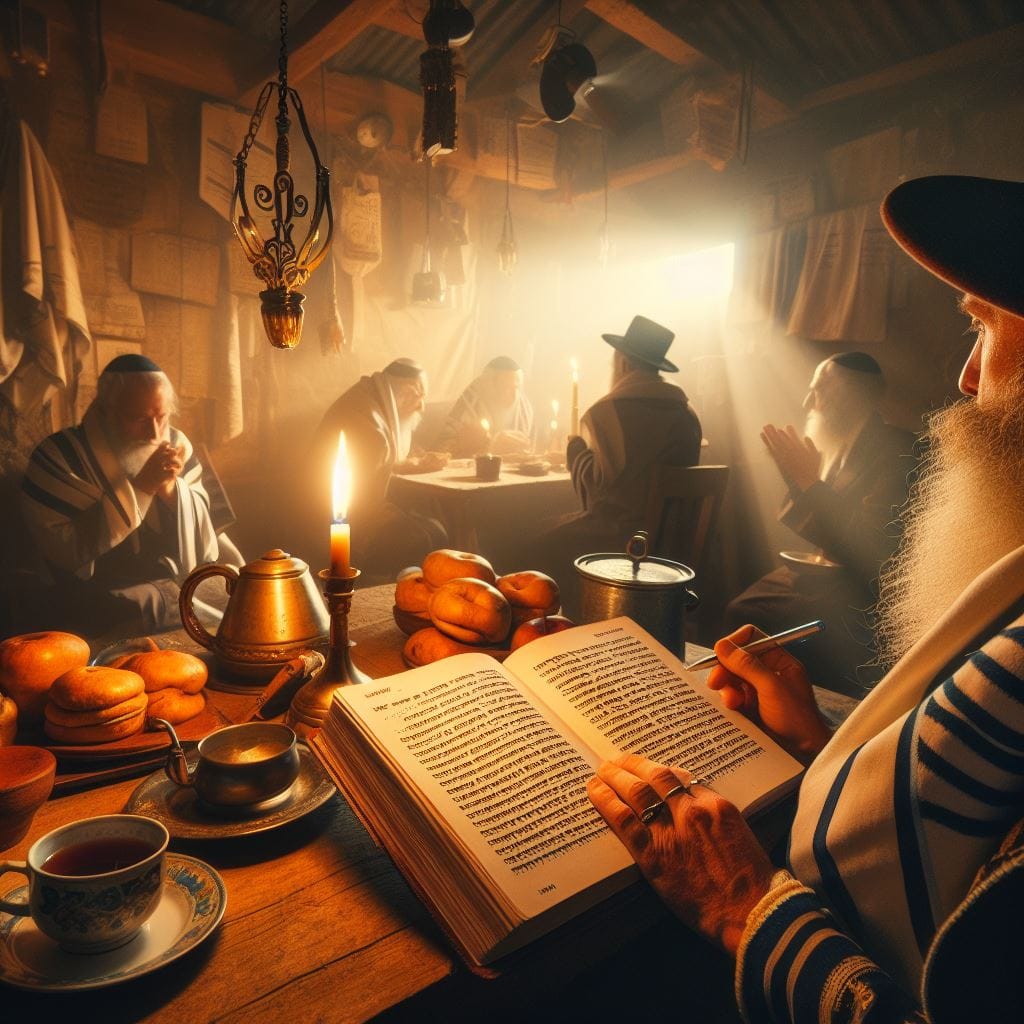
5. Ashkenazic Halacha
Now we move to Ashkenazic halacha.
The Ashkenazic stream develops through the Rema, and then through great Acharonic commentators such as:
Magen Avraham
Taz — Turei Zahav
Shach — Siftei Kohen
Pri Megadim
Vilna Gaon
Chayei Adam
Aruch HaShulchan
Mishnah Berurah
Ashkenazic halacha is marked by strong minhag, careful textual analysis, attention to stringencies, and deep interaction with the Rishonim. It is often shaped by Tosafist logic and by the authority of communal practice.
This world is not merely “European custom.” It is a legal civilization.
Ashkenazic Judaism asks:
What does the Gemara say?
What does Rashi say?
What does Tosafot say?
What does the Rosh say?
What does the Tur say?
What does the Rema say?
What do the later commentators say?
What is the minhag of the community?
This stream becomes one of the great forces of practical Orthodox Judaism.
The strength of Ashkenazic halacha is caution, discipline, and communal continuity. It often asks not only, “What is permitted?” but also, “What did our fathers do?” “What is accepted practice?” “What preserves the fence?” “What prevents collapse?”
Its danger is heaviness when chumrah becomes identity. But its greatness is that it built strong Torah walls during centuries of exile, persecution, poverty, migration, and modern religious breakdown.
Ashkenazic halacha is the fortress-stream of the Acharonim.
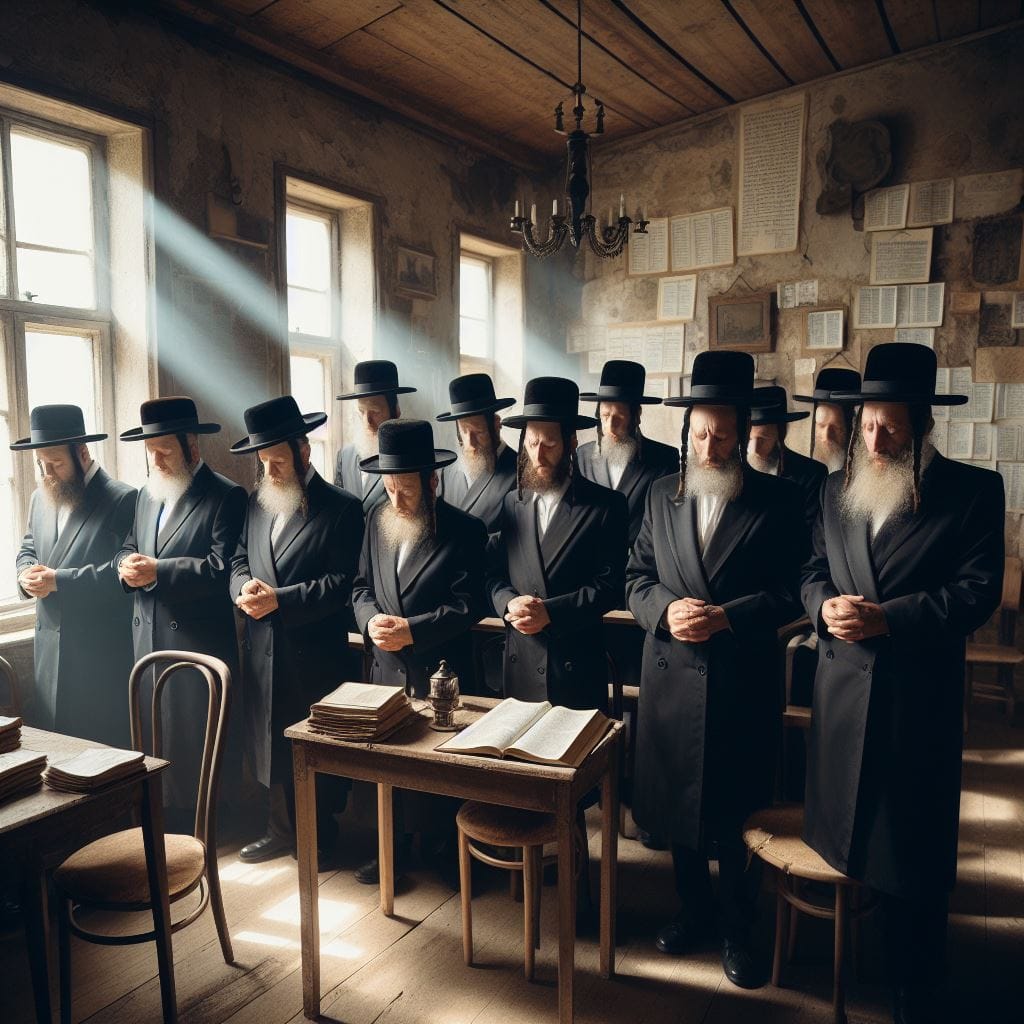
6. Hasidut
From within the Ashkenazic world comes Hasidut.
Hasidut emerges with the Baal Shem Tov, Rabbi Yisrael ben Eliezer, and spreads through the Maggid of Mezritch and his disciples.
Hasidut takes the Lurianic atmosphere and brings it into the heart of the ordinary Jew. It teaches that HaShem can be served not only by the scholar but also by the simple Jew, the worker, the poor man, the broken person, the singer, the weeper, and the one who cries out from the forest of exile.
Its emphasis includes:
Deveikut — cleaving to HaShem.
Simcha — joy.
Tefillah — prayer with fire.
The tzaddik — spiritual leadership.
The holiness of the simple Jew.
Serving HaShem in ordinary life.
Mystical meaning inside mitzvot.
Elevating sparks through ordinary action.
Hasidut does not have to mean abandoning halacha. At its best, Hasidut means halacha with a burning heart.
The danger is emotional excess, anti-intellectualism, or personality cult.
The greatness is that Hasidut restored warmth, song, tears, simplicity, and closeness to HaShem.
Hasidut says: Torah is not only a law book. Torah is the breath of the soul.
But authentic Hasidut never says: the soul is above the law.
The real Hasid dances inside halacha.
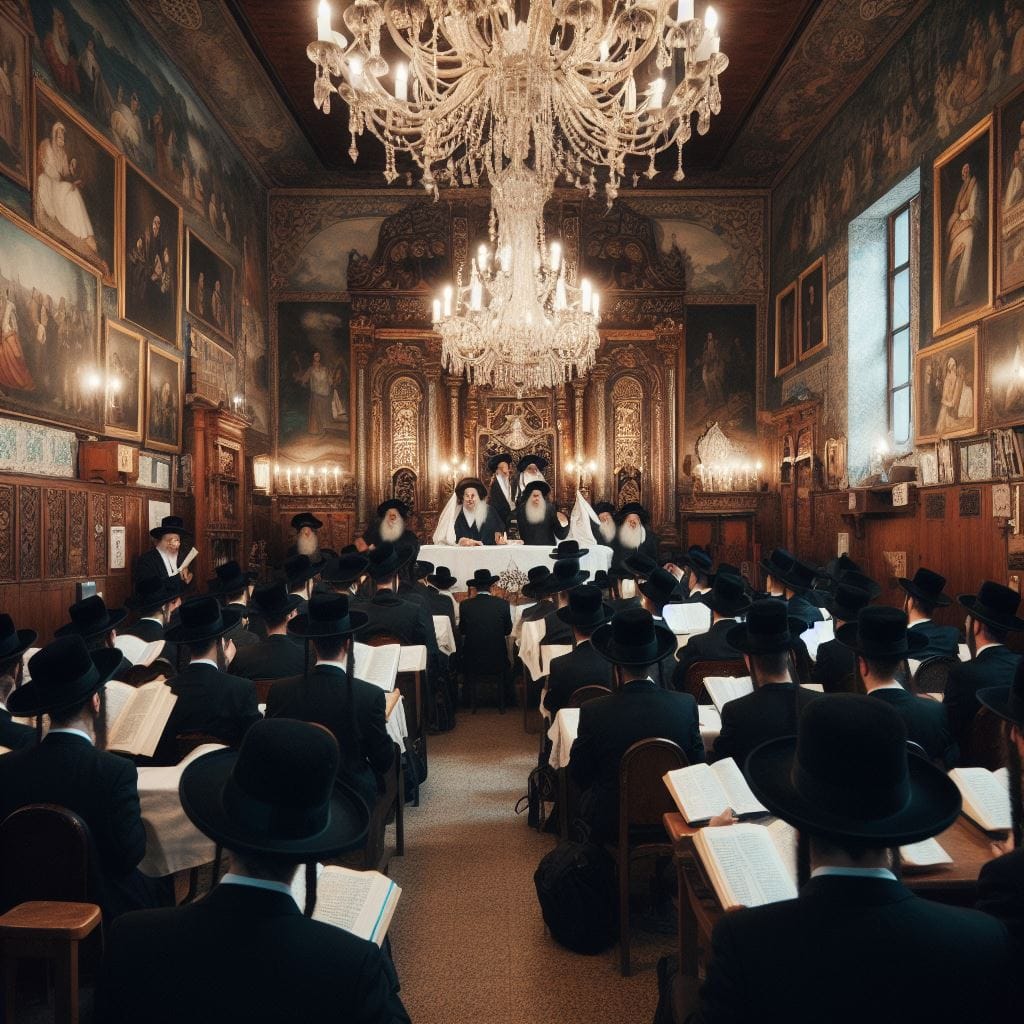
7. Lithuanian / Mitnagdic World
The rise of Hasidut produces opposition.
The Mitnagdim, especially under the symbolic leadership of the Vilna Gaon, feared that Hasidut could weaken Torah study, blur halachic precision, and introduce dangerous mystical excess.
From this world grows the Lithuanian yeshiva tradition.
Its emphasis:
Gemara.
Halachic precision.
Discipline.
Intellectual rigor.
Suspicion of uncontrolled emotionalism.
Torah study as central avodah.
Later, the Mussar movement.
Later still, Brisker analysis.
This stream gives Judaism a different strength from Hasidut.
Hasidut says: the heart must burn.
Lithuanian Torah says: the mind must be disciplined.
Both are needed.
Fire without structure can become smoke.
Structure without fire can become stone.
The Lithuanian world builds the yeshiva as a sanctuary of learning. It teaches that Torah study itself is avodah, that the mind must be trained, that sugyot must be clarified, that halacha cannot be replaced by inspiration.
The greatness of the Mitnagdic world is that it refused to allow emotion to overrun Torah. It protected the Gemara as the beating intellectual heart of Judaism.
Its danger is dryness when learning loses prayer. But its power is precision.
The Torah Jew needs both: the Hasidic tear and the Lithuanian page.

8. German Neo-Orthodoxy
Now we move westward.
Modernity comes with force: Reform, secularism, emancipation, university culture, nationalism, and religious weakening.
In Germany, Rabbi Samson Raphael Hirsch becomes one of the great defenders of Orthodox Judaism. His path is often summarized as:
Torah im Derech Eretz
Torah with worldly responsibility.
This does not mean Torah watered down by modernity.
It means strict halacha together with dignity, education, civic responsibility, language, culture, and social order.
German Neo-Orthodoxy shows that Torah can face the modern world without surrendering. It does not flee every tool of civilization. It sanctifies life through discipline.
Its polemic is strong:
Reform says: modernity must change Torah.
Neo-Orthodoxy says: Torah must govern the Jew inside modernity.
That is a massive difference.
The German Orthodox model demonstrates that a Jew can be educated, orderly, cultured, articulate, professionally responsible, and fully halachic. It gives Torah a public face of dignity.
Its danger is that worldly engagement can become too comfortable. But its greatness is that it refused to let Reform define modernity.
It said: Orthodoxy can stand upright in the modern world without bowing to it.
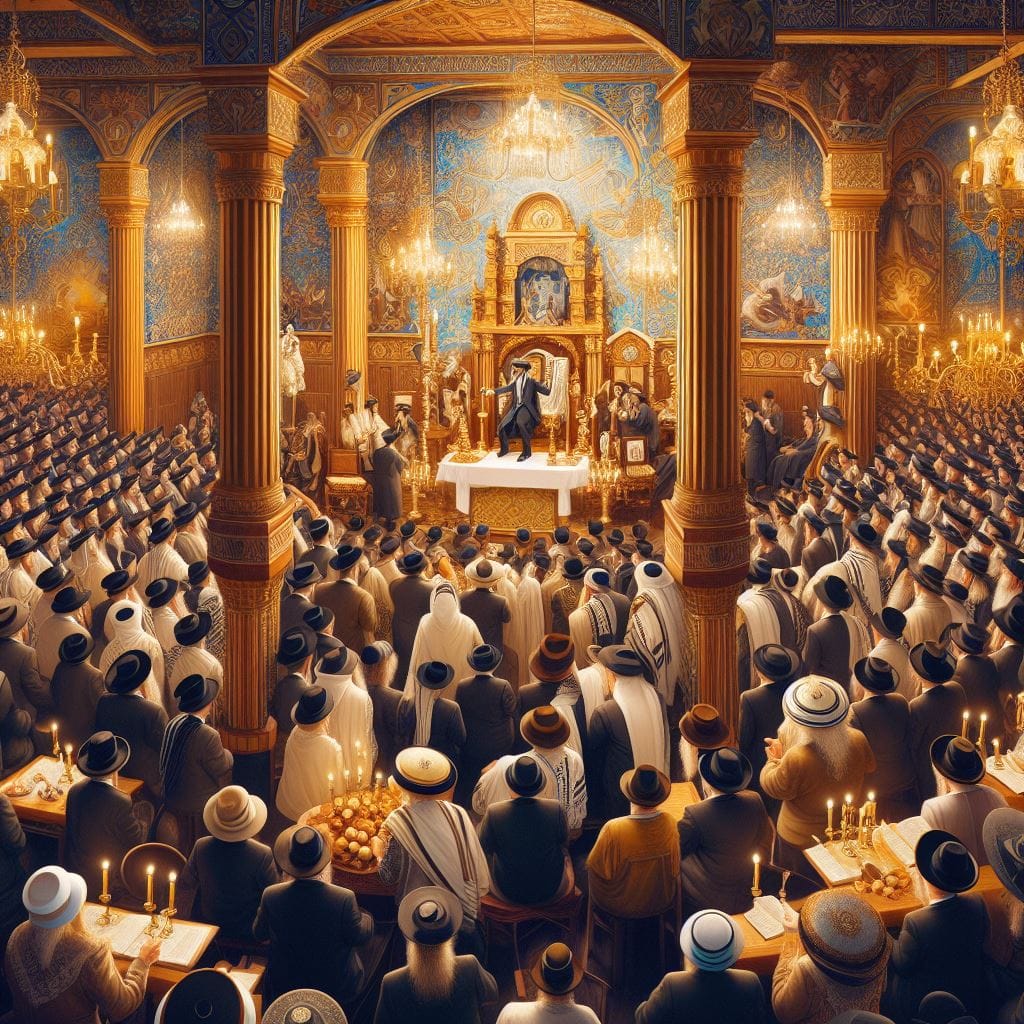
9. Hungarian Traditionalism
Then comes the Hungarian response.
The key figure is the Chatam Sofer, Rabbi Moshe Sofer.
This world faces Reform and religious innovation with fierce resistance. Its famous slogan is:
חָדָשׁ אָסוּר מִן הַתּוֹרָה — Chadash assur min haTorah
“The new is forbidden by the Torah.”
In its original halachic context, chadash refers to new grain. But the Chatam Sofer’s phrase becomes a polemical banner against unauthorized religious innovation.
Hungarian traditionalism builds walls.
It says: if modern religious movements are trying to uproot halacha, weaken observance, change prayer, imitate churches, or dissolve Jewish separateness, then Torah must resist.
This stream later influences strong Hungarian Orthodoxy and Hasidic traditionalism, including Satmar-type separatism.
Its strength is preservation.
Its danger is that walls can become too high.
But in a time of religious collapse, walls sometimes save the city.
Hungarian traditionalism teaches that not every “new idea” is innocent. Some innovations are not growth; they are infection. Some reforms are not repairs; they are amputations. Some modernization is not wisdom; it is surrender.
This stream says: guard the gates.
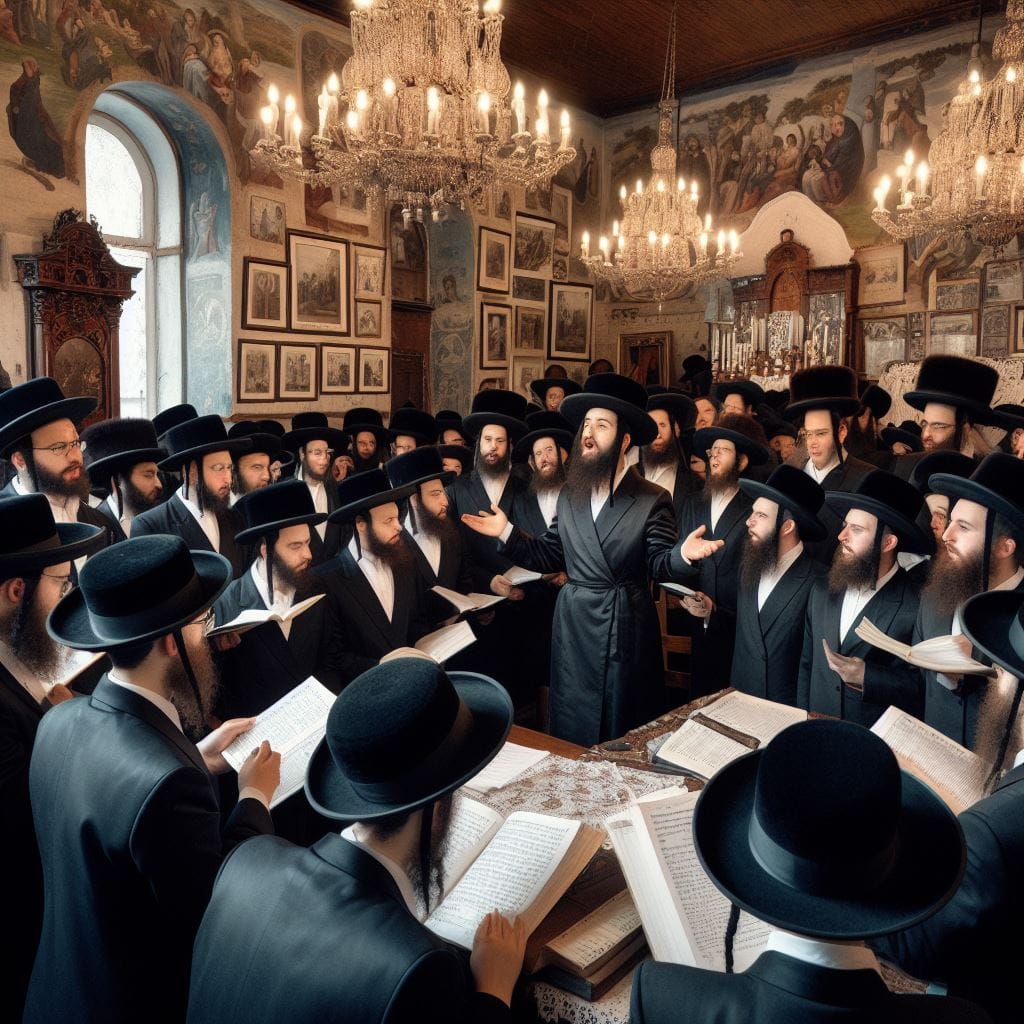
10. Modern Ashkenazim and Hasidut
Modern Ashkenazic Judaism then spreads into several forms:
Yeshivish / Litvish
Modern Orthodox
Chabad
Breslov revival
Satmar
Other Hasidic courts
German-influenced Orthodox communities
Hungarian traditionalist communities
These streams disagree strongly.
But they remain inside Torah Judaism when they accept:
Torah from Moshe.
Mishnah and Gemara.
Halachic authority.
Shulchan Aruch and poskim.
Obligation in mitzvot.
The living mesorah of Israel.
Modern Ashkenazic Judaism therefore becomes a wide forest.
Some trees are Lithuanian.
Some are Hasidic.
Some are German.
Some are Hungarian.
Some are Modern Orthodox.
Some are Chabad.
Some are Breslov.
They are not identical.
But if rooted in halacha, they are trees in the same Torah forest.
This is important polemically. Diversity inside halacha is not the same as denominational invention. Different Orthodox communities may disagree about dress, nusach, Zionism, secular education, minhag, chumrot, rebbes, yeshiva methods, and Kabbalah. But if they stand inside Torah and mitzvot, they remain branches of the same covenantal tree.
The problem is not difference.
The problem is rupture.
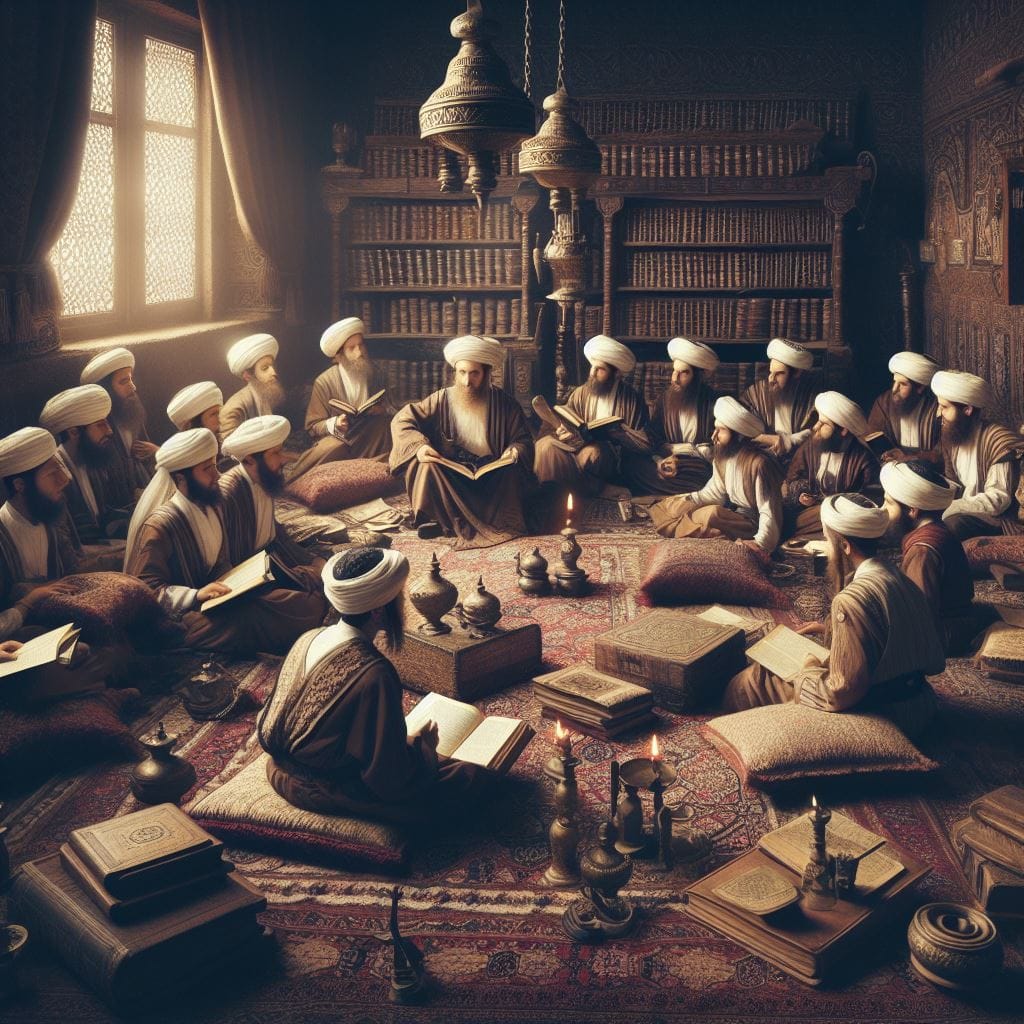
13. Yemenite / Dor Daim
Now we must step away from the Sephardic-Ashkenazic map and restore the missing Eastern witness: Yemenite Torah.
Yemenite Judaism is not simply Sephardic. It preserves an ancient stream rooted in:
Mikra.
Targum.
Mishnah.
Gemara.
Geonim.
Rambam.
Local Yemenite nusach.
Baladi practice.
The Baladi stream especially preserves older Yemenite practice, while Shami Yemenites absorbed more Sephardic and Kabbalistic influence.
Then comes Dor Daim, associated with Mori Yiḥya Qafiḥ. Dor Daim represents a Yemenite-Maimonidean restoration: Rambam-centered, rational, anti-superstitious, deeply halachic, and suspicious of later Zoharic/Lurianic dominance.
This stream is crucial because it proves that authentic Torah Judaism does not have to be heavily Lurianic or Hasidic to be faithful.
It can be simple.
It can be rational.
It can be Rambam-centered.
It can be ancient.
It can be precise.
And it can still be full of yirat Shamayim.
Dor Daim is not merely “anti-Kabbalah.” That is too shallow. It is a movement of restoration. It says that Judaism must remain anchored in revealed Torah, Talmudic law, Geonic tradition, and Rambam’s complete halachic architecture.
This stream is especially important today because it rebukes superstition, religious hysteria, and mystical inflation. It reminds us that Torah is not magic. Torah is law, wisdom, worship, and service of HaShem.
In the great Acharonic map, Yemenite / Dor Daim stands as the eastern rationalist witness: old, disciplined, halachic, and unafraid to challenge later mystical dominance.
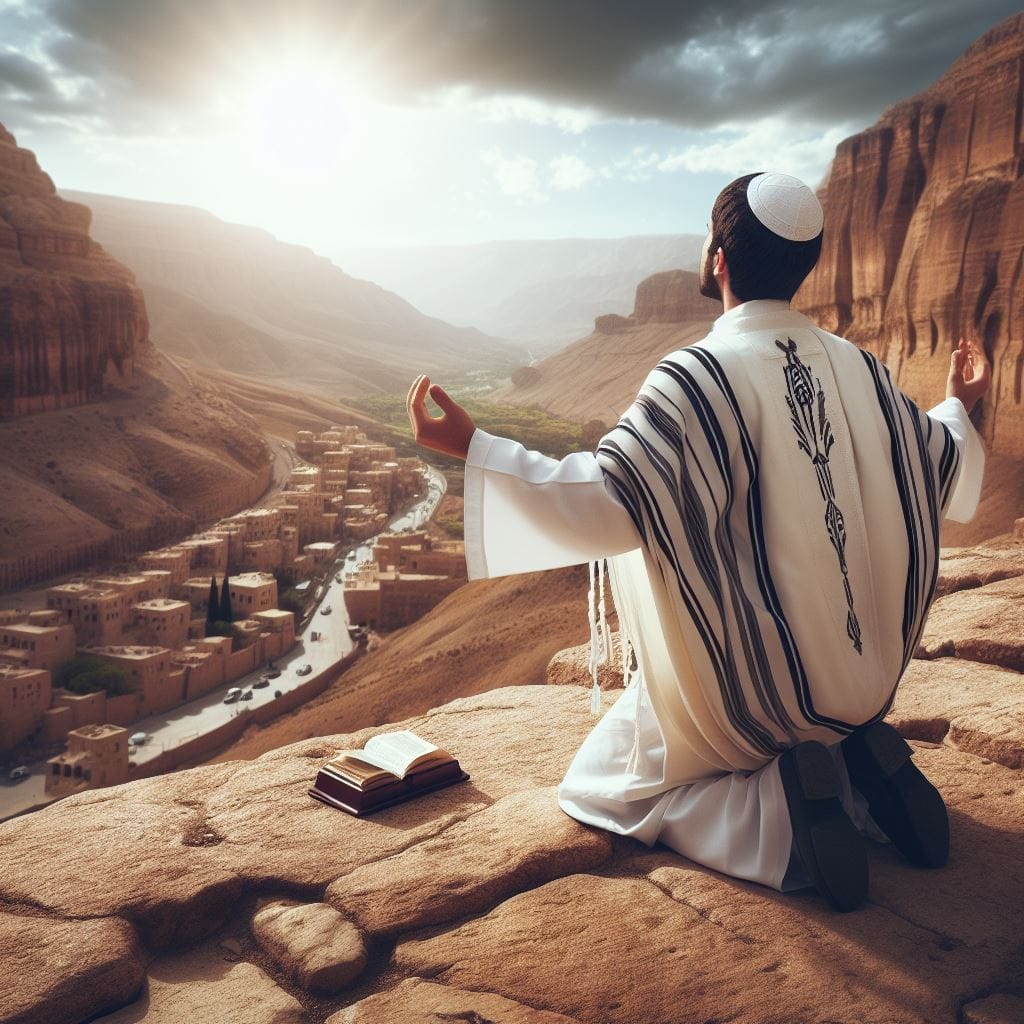
12. Persian-Geonic Rite
Finally, we add the ancient Persian-Geonic stream.
Persian Judaism did not have Dor Daim as an organized anti-Kabbalah movement. But older Minhag Paras / Nusaḥ Paras appears to have preserved an ancient Babylonian-Geonic rite connected especially with Rav Saadia Gaon.
The notes we gathered describe the older Persian rite as Babylonian-Geonic, connected to Rav Saadia Gaon, independent from Sephardic, Ashkenazic, and Yemenite rites, and eventually displaced by printed Sephardic siddurim and later Sephardic-Lurianic influence.
So the better labels are:
נוסח פרס הגאוני — Nusaḥ Paras ha-Geoni
The Geonic Persian Rite
or:
מנהג פרס הקדמון — Minhag Paras ha-Qadmon
The Ancient Persian Custom
This is not “Persian Dor Daim.”
Dor Daim was a conscious Yemenite movement. The Persian rite was an older inherited custom. But the resemblance is real: both point to older Eastern forms of Judaism that predate or resist later standardization.
The old Persian stream matters because it breaks the simplistic map. It shows that the Jewish East was not only Sephardic. It was not automatically Lurianic. It contained older Babylonian-Geonic patterns, local rites, and Saadian influence.
This is very powerful for our polemic.
When people say “rabbinic Judaism,” they often imagine one narrow European form. But Torah Judaism is far wider. It includes Sephardic law, Ashkenazic analysis, Yemenite Rambam-centered tradition, Persian-Geonic liturgy, Hasidic fire, Lithuanian discipline, German structure, Hungarian resistance, and modern restorations.
The Persian-Geonic rite reminds us that some streams of Judaism were old, eastern, textual, and local before they were absorbed into later printed standardization.
It is a witness to a lost world.
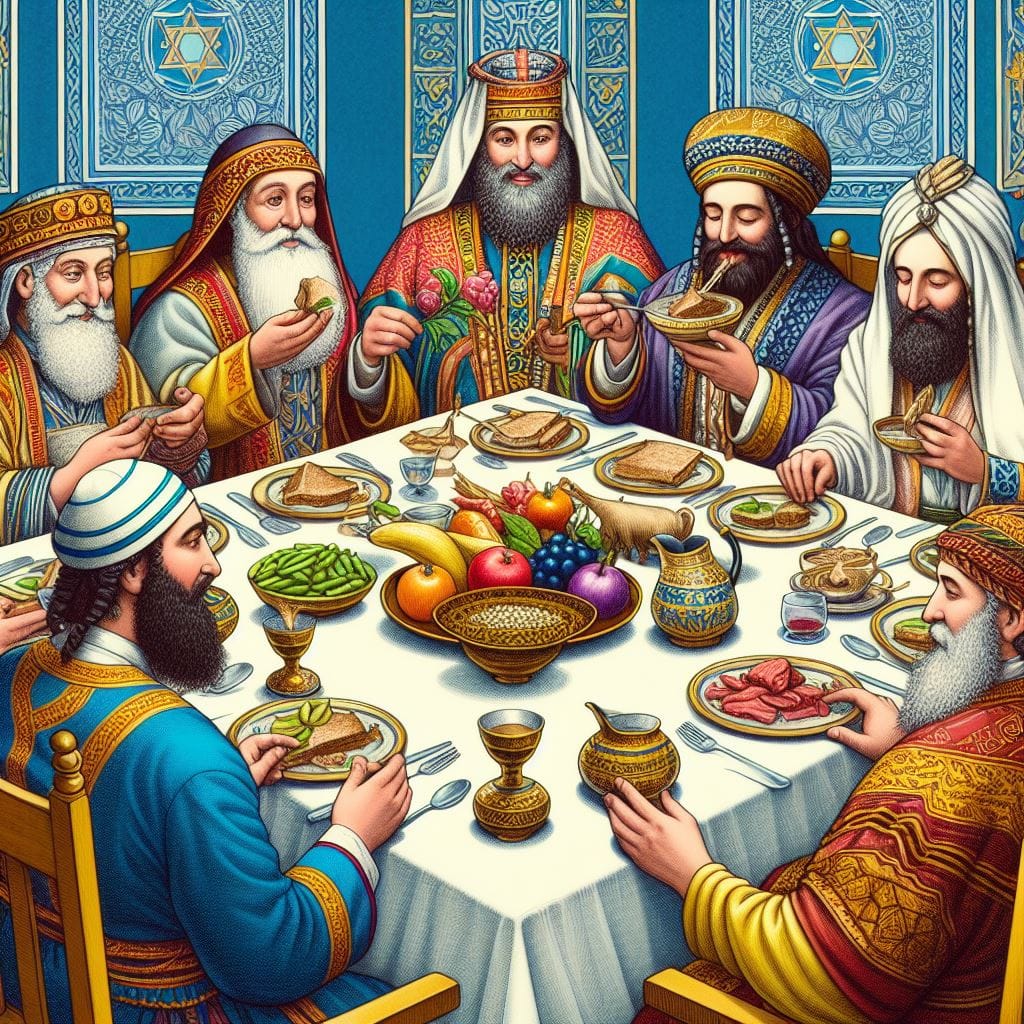
Conclusion: The Table and the Flame
The Acharonim show Torah spreading and separating without breaking.
First, Lurianic Kabbalah changes the spiritual atmosphere.
Then Shulchan Aruch and Rema set the legal table.
Then Sephardic halacha develops.
Then modern Sephardic restoration returns to Maran.
Then Ashkenazic halacha grows through Rema and later poskim.
Then Hasidut brings mystical fire.
Then Lithuanian Torah brings disciplined analysis.
Then German Neo-Orthodoxy faces modernity with structure.
Then Hungarian traditionalism builds walls against Reform.
Then modern Ashkenazim and Hasidut spread into many Orthodox forms.
Then Yemenite Dor Daim restores Rambam-centered rational clarity.
Then Persian-Geonic rite reminds us of an older Babylonian-Saadian world.
This is not chaos.
This is a tree.
Many branches.
One root.
The root is still:
הַתּוֹרָה מִמֹּשֶׁה — HaTorah mi-Moshe
The Torah from Moshe.
The table is halacha.
The flame is avodah.
The branches are communities.
The root is Sinai.
A false innovator cuts the root and keeps the leaves.
A Torah Jew guards the root, tends the branches, and lets the tree live.
This is the Acharonic world: the table and the flame, law and spirit, separation without rupture, diversity without rebellion, development without replacement.
This is Torah Judaism surviving history.
This is Israel carrying Sinai through exile.
This is HaTorah mi-Moshe becoming many streams without ceasing to be one river.
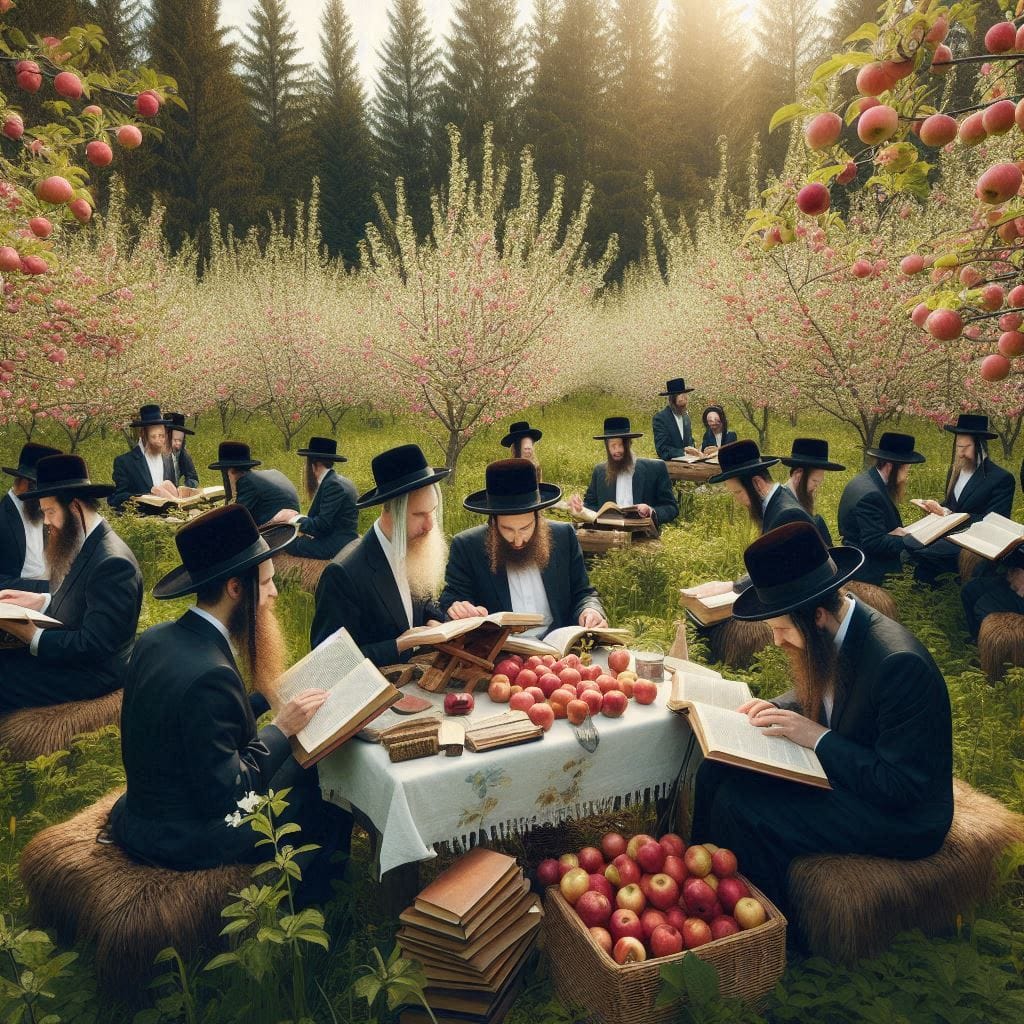
Mikra Series — Part Five: Acharonim, The Table and the Flame
The Shulchan Aruch, Torah Study, Halakhah, and the Fire of Jewish Devotion
How did the Acharonim preserve the Torah of Moshe while bringing practical Jewish law and spiritual devotion into the daily lives of Jewish communities throughout the world?
The answer begins with the table and the flame.
In this fifth installment of the Mikra Series, Rabbi Ariel Manning examines the era of the Acharonim and the continuing development of traditional Jewish life following the great achievements of the Geonim and Rishonim.
The foundations had already been established. The Mishnah organized Jewish legal teaching, the Gemara examined its complexities, the Geonim preserved its authority, and the Rishonim clarified its meaning.
Through the Rambam's Mishneh Torah and Rabbi Yaakov ben Asher's Arba'ah Turim, the Jewish people inherited increasingly accessible systems of practical Halakhah.
The next major development came through Rabbi Yosef Karo and the Shulchan Aruch.
Built upon the extensive analysis of the Beit Yosef, the Shulchan Aruch organized practical Jewish law into a concise and influential code. Rabbi Moshe Isserles, the Rema, supplemented this work with Ashkenazic rulings and customs, helping preserve important differences within the shared framework of Jewish Halakhah.
Here we encounter the table: the ordered structure through which Torah governs prayer, Shabbat, Kashrut, marriage, business, family responsibilities, and communal life.
But Jewish observance is not merely the mechanical fulfillment of obligations.
The flourishing of Kabbalah and, later, Hasidut emphasized the spiritual meaning of the commandments, the importance of kavvanah, joy in serving HaShem, personal prayer, and the cultivation of devekut.
Here we encounter the flame: the inward devotion that can illuminate the disciplined practice of Torah.
Throughout the Acharonic period, Jewish authorities approached the relationship between mystical tradition, inherited customs, and established Halakhah in different ways. Some emphasized rigorous Talmudic analysis, others philosophical clarity, and still others the spiritual dimensions of Jewish worship.
These differences produced enduring intellectual and devotional traditions within Orthodox Judaism.
Yet the table and the flame should not be understood as competing religions. Torah provides the covenantal foundation, Halakhah establishes religious obligation, and devotion gives personal expression to the service of HaShem.
This distinction is central to Shaarei Tzafon's educational approach.
Our halakhic foundation draws heavily upon the Rambam, the Mishnah, Gemara, and Geonic literature, while recognizing the importance of Ashkenazic traditions, Hasidic devotion, and the legitimate customs of Jewish communities.
For families studying Torah in Alpena, Hillman, Rogers City, and throughout Northeastern Michigan, the inheritance of the Acharonim offers an important lesson.
One does not need a vast institution to study the Shulchan Aruch, appreciate the wisdom of the Rambam, or cultivate sincere devotion through traditional Jewish prayer.
A small Beit Midrash, a family table, and a disciplined program of Torah study can become the foundations of enduring Jewish life.
The central message: The table gives Jewish life its order; the flame gives its service warmth. Both must remain faithful to the Torah of Moshe and the living Mesorah of Israel.
The continuing chain of Torah transmission is not merely a historical subject. It is an inheritance that must be studied, practiced, and preserved in every generation.
Published by Shaarei Tzafon — The North Gate, an independent, family-led Orthodox Jewish educational and publishing initiative based in Northeastern Michigan, serving Alpena, Hillman, Rogers City, and surrounding communities.
Shaarei Tzafon promotes traditional Jewish life, Torah study, practical Halakhah, and the renewal of independent Jewish learning communities throughout the northern boreal regions, extending from the 45th parallel toward the Arctic tundra.
Article: https://www.shaareitzafon.org/mikra-series-part-five----acharonim-the-table-and-the-flame
Shaarei Tzafon — The North Gate
Orthodox Jewish Life and Torah Study in Northeastern Michigan
Shaarei Tzafon — The North Gate, led by Rabbi Ariel Manning, is an independent, family-led Orthodox Jewish educational and publishing initiative based in Northeastern Michigan. We support traditional Jewish life, Torah study, Halakhah, and Jewish education throughout Alpena, Hillman, Rogers City, and surrounding communities. Those interested in traditional Judaism are welcome to contact us for educational resources, Torah learning, and opportunities for discussion by prior arrangement.
Rooted locally, our greater mission extends northward from the 45th parallel — The North Gate — through Michigan, Canada, and Alaska toward the Arctic. We seek to encourage independent Jewish communities, family-centered Torah education, and the renewal of small batei midrash and shtieblach, preserving the rich traditions of Orthodox Judaism for future generations.
Our work begins in Northeastern Michigan, but our vision extends from the 45th parallel toward the Arctic.
Guided by Rambam and Mori Qafiḥ, uplifted by Rebbe Nachman, and grounded by Avraham ben HaRambam’s balance of halakha and inward avodah.
The Orchard’s Path
publishes our books and curricula.
Our mission: a bright, authentic Jewish presence in every northern town.
Created with ©systeme.io


