
Mikra Series, Part Two מִשְׁנָה, דְּרָשׁוֹת הֲלָכָה, בְּרַיְיתוֹת, וְגְּמָרָא Mishnah, Halachic Drashot, the Braitot, and the Gemara
B"H
1. From Mikra to Mishnah
In Part One, we established the foundation:
הַתּוֹרָה מִמֹּשֶׁה — HaTorah mi-Moshe
The Torah from Moshe
The Torah comes from ה׳ (HaShem) through Moshe Rabbeinu to Israel. The Nevi’im guard it. The Ketuvim sing it. Ezra and Nechemiah restore it through public reading, explanation, and covenantal return. Philo and Josephus testify that Second Temple Judaism was already known as the religion of Moshe, Torah, law, and commandment.
Now Part Two asks:
How does the Torah become lived?
A Torah scroll by itself does not explain every practical question. It commands Shabbat, but one must know what counts as מְלָאכָה — melachah. It commands sukkah, but one must know what makes a sukkah valid. It commands courts, but one must know testimony, procedure, authority, and judgment. It commands marriage and divorce, but one must know the forms, documents, witnesses, and legal boundaries.
Therefore, the Torah of Moshe requires living transmission.
This is where Mishnah, Halachic Drashot, Braitot, and Gemara enter.
They are not a rebellion against Moshe.
They are the architecture by which Moshe’s Torah becomes the living civilization of Israel.
2. Devarim 17: The Torah Commands Legal Authority
Before we even open Pirkei Avot, we must first return to the Torah itself. The authority of the Mishnah does not appear from nowhere. It grows from the legal structure already commanded in the Written Torah.
In Devarim / Deuteronomy 17:8–13, the Torah gives Israel a system for difficult legal cases:
“If a matter of judgment is hidden from you… then you shall arise and go up to the place that HaShem your God shall choose. And you shall come to the priests, the Levites, and to the judge who will be in those days, and you shall inquire, and they shall tell you the word of judgment.”
Devarim 17:8–9
Then the Torah commands:
“And you shall do according to the word that they tell you from that place that HaShem shall choose; and you shall guard to do according to all that they teach you.”
Devarim 17:10
And then comes the central line:
“According to the Torah that they teach you, and according to the judgment that they tell you, you shall do. You shall not turn aside from the word that they tell you, right or left.”
Devarim 17:11
This is the Torah itself establishing legal authority in Israel.
The Torah does not say: “Every individual shall read the scroll alone and decide the law for himself.”
The Torah does not say: “If the matter is difficult, follow your own heart.”
The Torah does not say: “Private interpretation is enough.”
It says: go to the authorized teachers, judges, priests, and legal authorities of Israel. Hear their ruling. Do what they teach. Do not turn aside right or left.
This means that Torah itself contains the seed of Oral Torah, legal interpretation, and binding halachic authority.
3. The Sages as Guardians of Torah and Tanakh
This same structure is echoed throughout the Mikra. Moshe receives Torah and transmits it. Yehoshua is commanded to guard the Torah of Moshe and not turn right or left. The prophets call Israel back to the covenant. Ezra reads the Torah publicly and explains it so the people understand.
Nechemiah 8:8 says:
“And they read in the book, in the Torah of God, clearly, and they gave the sense, and they caused them to understand the reading.”
That is already the seed of Oral Torah: the Written Torah read inside Israel, explained by Israel’s teachers, and applied to Israel’s life.
Now we must add an even stronger point: the sages of Israel are not only guardians of halacha. They are also the guardians of Israel’s sacred memory.
The Nevi’im and Ketuvim did not arrive to us through foreign religious authorities, private collectors, or sectarian rebels. They were preserved, received, ordered, and transmitted within the Torah community of Israel. The same covenantal world that guarded halacha also guarded the boundaries of sacred Scripture.
The sages did not invent Isaiah.
They did not manufacture Tehillim.
They did not create Daniel, Mishlei, Iyov, Ezra, Nechemiah, or Kohelet.
But the sages of Israel preserved, recognized, transmitted, and clarified the sacred collection that we call Tanakh: Torah, Nevi’im, and Ketuvim.
This matters polemically. A person cannot attack the sages while quoting the Prophets and Writings as though those writings fell from the sky into his private hands. The very Nevi’im and Ketuvim he quotes were preserved inside the same covenantal Jewish mesorah he rejects.
You cannot quote Isaiah while despising the Torah community that preserved Isaiah.
You cannot sing Tehillim while rejecting the people who carried Tehillim.
You cannot appeal to Daniel, Mishlei, Kohelet, or Nechemiah while pretending the sages of Israel are irrelevant.
The sages are custodians of Israel’s sacred memory.
They guard Torah’s practice through halacha.
They guard Torah’s interpretation through derashah.
They guard Torah’s transmission through Mishnah.
They guard Israel’s sacred writings through canon and mesorah.
4. Mishnah: The Organized Legal Memory of Israel
Now we arrive at the Mishnah.
The Mishnah is not a new Torah replacing the Written Torah. It is the organized legal memory of Israel.
It opens with a chain:
מֹשֶׁה קִבֵּל תּוֹרָה מִסִּינַי וּמְסָרָהּ לִיהוֹשֻׁעַ
Moshe kibbel Torah mi-Sinai u-mesarah li-Yehoshua.
“Moshe received Torah from Sinai and transmitted it to Yehoshua.”
Mishnah Avot 1:1
This opening is not poetic decoration. It is the Mishnah’s claim about itself.
The Mishnah is saying: we are not inventing Judaism. We are receiving, preserving, organizing, and transmitting Torah from Sinai.
The chain continues:
Moshe to Yehoshua.
Yehoshua to the elders.
The elders to the prophets.
The prophets to the Men of the Great Assembly.
This is exactly what we saw in Mikra. Torah does not vanish after Moshe. It is guarded, taught, judged, remembered, and applied through Israel’s covenantal authorities.
The Mishnah gathers the living halachic tradition into six orders:
זְרָעִים — Zera’im: agriculture, blessings, gifts to the poor.
מוֹעֵד — Mo’ed: Shabbat, festivals, sacred time.
נָשִׁים — Nashim: marriage, divorce, vows.
נְזִיקִין — Nezikin: damages, courts, civil law.
קָדָשִׁים — Kodashim: offerings, Temple service, sacred things.
טָהֳרוֹת — Taharot: purity and impurity.
This is Torah becoming ordered.
This is Torah becoming livable.
This is HaTorah mi-Moshe moving through Israel’s legal bloodstream.
5. Halachic Drashot: The Legal Reading of the Written Torah
Now we move to דְּרָשׁוֹת הֲלָכָה — halachic drashot, the disciplined legal interpretation of the Torah.
These are especially preserved in the halachic midrashim:
Mekhilta on Shemot.
Sifra on Vayikra.
Sifre on Bamidbar and Devarim.
These works show how the sages read the Torah as law.
A halachic derashah asks:
What does this verse command?
What does this word include?
What does this phrase exclude?
How does one verse limit another?
When does the law apply?
To whom does it apply?
What is biblical?
What is rabbinic?
What is received tradition supported by a verse?
This is not private imagination. It is not mystical free association. It is not “I opened a verse and made a religion.”
It is disciplined Torah interpretation within the legal mesorah of Israel.
This is where the י״ג מִדּוֹת שֶׁהַתּוֹרָה נִדְרֶשֶׁת בָּהֶן — the Thirteen Middot by which the Torah is expounded become essential.
Rabbi Yishmael says:
רַבִּי יִשְׁמָעֵאל אוֹמֵר: בִּשְׁלֹשׁ עֶשְׂרֵה מִדּוֹת הַתּוֹרָה נִדְרֶשֶׁת בָּהֵן
“Rabbi Yishmael says: Through thirteen middot the Torah is expounded.”
This means Torah interpretation has rules.
A person does not get to rip verses out of context, ignore the mesorah, reject the legal authorities of Israel, and then claim to have recovered “biblical faith.”
That is not Torah.
That is arrogance with Hebrew vocabulary.

6. Braitot: The Teachings Outside the Mishnah
Now we must add the missing link: בְּרַיְיתוֹת — Braitot.
A baraita is a Tannaitic teaching that was not included in the Mishnah’s final arrangement. The word baraita means something like “external” — not because it is foreign to Torah, but because it stands outside the main compiled Mishnah.
This is crucial.
Rabbi Yehudah HaNasi organized the Mishnah, but the Tannaitic world was larger than the Mishnah alone. There were many teachings, traditions, legal statements, and debates from the same era that were not placed inside the Mishnah’s six orders.
These teachings survive in several places:
Tosefta — a major collection of Tannaitic material parallel to the Mishnah.
Halachic midrashim — Mekhilta, Sifra, and Sifre often preserve Tannaitic teachings.
The Gemara — the Talmud frequently quotes Braitot to clarify, challenge, support, or expand the Mishnah.
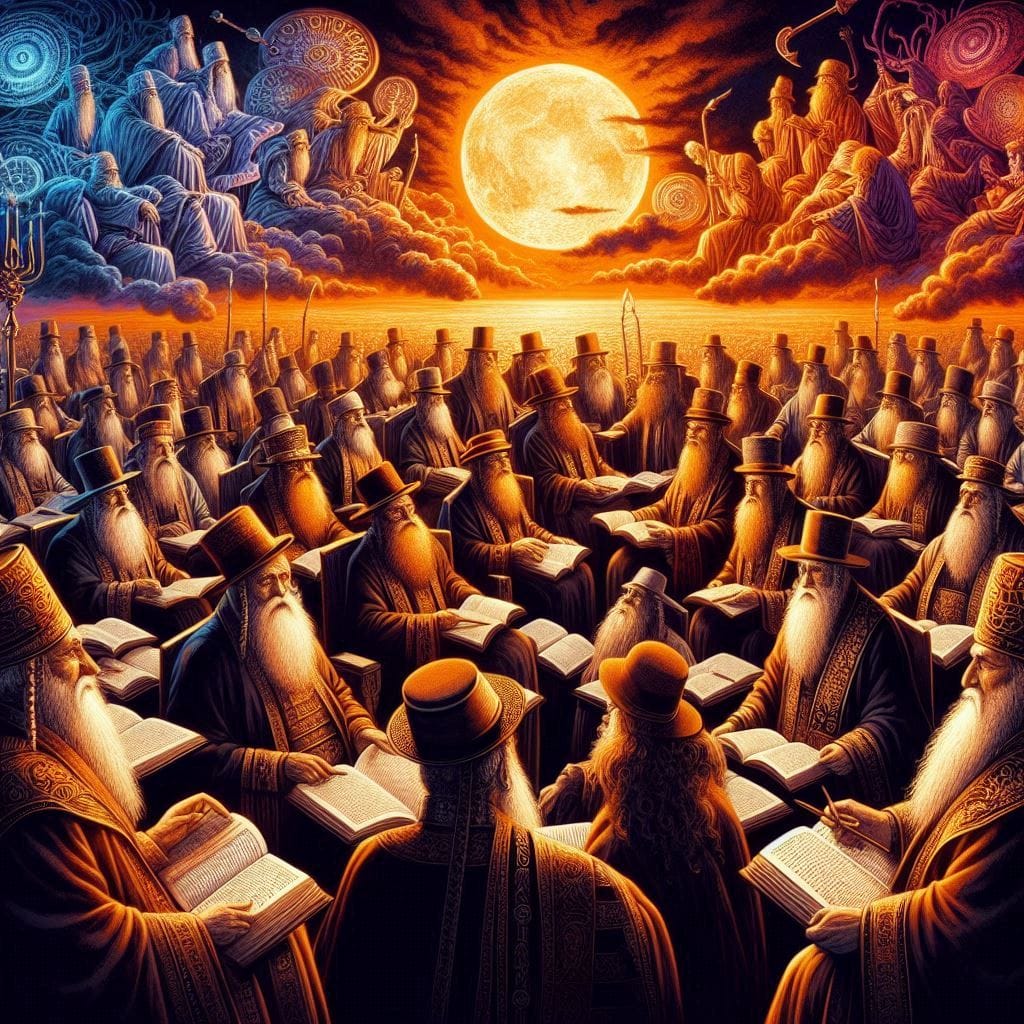
The Braitot matter because they show that the Mishnah is not the whole Oral Torah. The Mishnah is the central organized core, but it stands within a larger Tannaitic sea.
When the Gemara says תָּנוּ רַבָּנַן — tanu rabbanan — “the rabbis taught”, it often introduces a baraita.
When the Gemara says תַּנְיָא — tanya — “it was taught”, it often introduces a baraita.
These Braitot are powerful because they preserve additional legal memory from the sages of the Mishnah period. Sometimes they support a Mishnah. Sometimes they challenge how we understand a Mishnah. Sometimes they preserve a different formulation of the same law. Sometimes they give the reasoning behind a law the Mishnah states briefly.
The Braitot are like stones from the same mountain.
They are not a rival Torah.
They are part of the wider Oral Torah landscape.
7. Why the Braitot Matter Polemically
The Braitot destroy the simplistic claim that “the rabbis just invented the Mishnah.”
If the Mishnah were a private invention, why does the Gemara constantly compare it with external Tannaitic teachings? Why preserve disagreements? Why quote traditions not placed in the Mishnah? Why allow a baraita to challenge the plain reading of a Mishnah?
Because the sages were not inventing a propaganda system.
They were preserving Torah memory with intellectual honesty.
The Mishnah gives the organized core.
The Braitot give the wider Tannaitic context.
The halachic midrashim give the scriptural derivations.
The Gemara gives the analysis.
Together, they show a living legal culture, not a fabricated religion.
This is why Jewish learning is so layered. One does not simply read a verse and declare himself master. One must ask:
What does the Torah say?
How did the halachic midrash read it?
What does the Mishnah rule?
What do the Braitot add?
How does the Gemara analyze it?
How do the Geonim and Rishonim understand it?
How does Rambam codify it?
How does later halacha apply it?
That is Torah civilization.
This is why the serious student does not fear complexity. Complexity is not corruption. Complexity is what happens when divine law meets real life across generations.
8. Gemara: The Great Clarification
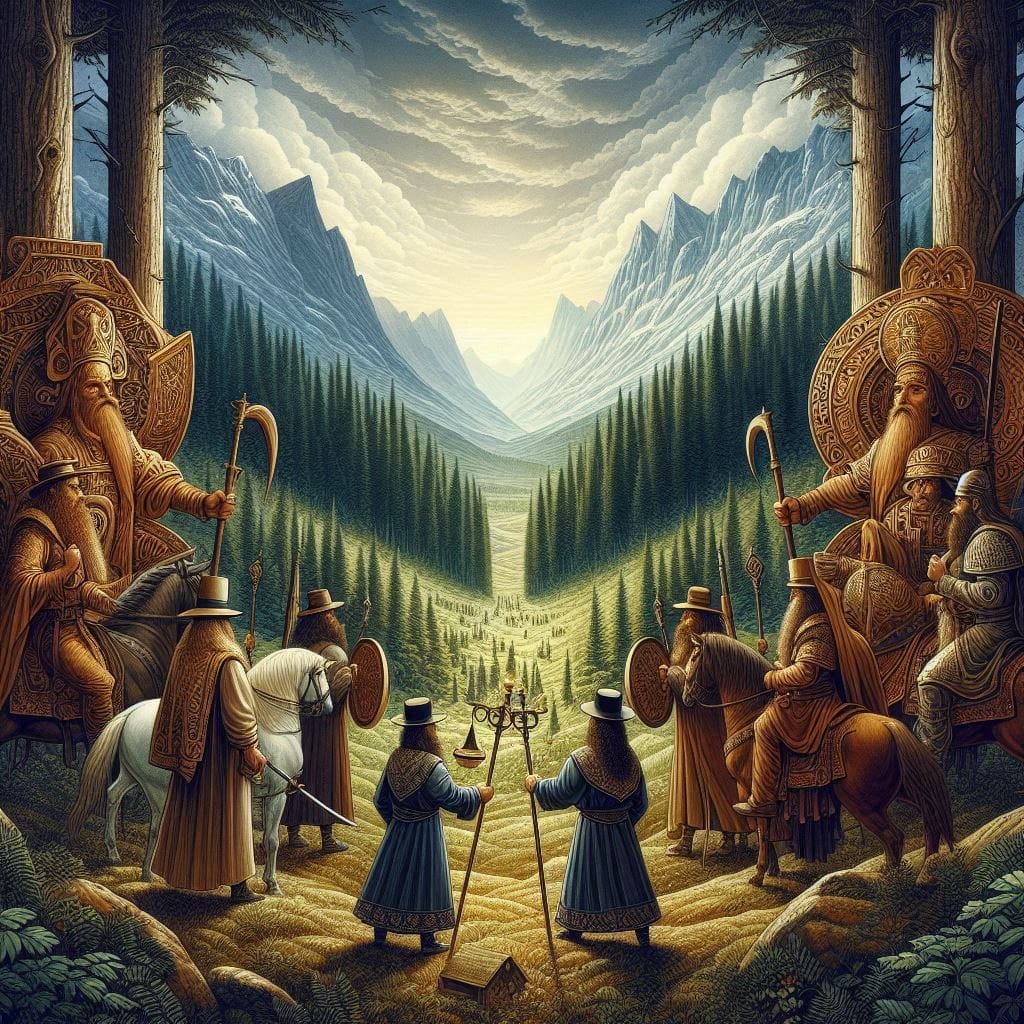
The Gemara comes after the Mishnah and surrounds it with analysis.
The Mishnah often speaks briefly. The Gemara asks:
What is the source?
Who is the author?
What is the reason?
What case is being discussed?
Does a baraita support this?
Does a baraita contradict this?
Is the law biblical or rabbinic?
How do we rule in practice?
The Gemara is not chaos. It is the preserved beit midrash of Israel.
It records debate because halacha is serious.
It preserves minority opinions because Torah memory is precious.
It analyzes contradictions because truth matters.
It examines cases because life is complex.
The Gemara uses the Mishnah as its base, but it constantly brings in Braitot, verses, halachic drashot, earlier traditions, Amoraic debates, practical cases, and inherited rulings.
This is why Gemara is difficult. It is not a children’s manual. It is the legal-intellectual engine of Torah civilization.
But the purpose is not pilpul for its own sake.
The purpose is clarification.
What did HaShem command?
How did Moshe transmit it?
How did Israel receive it?
How did the sages preserve it?
How must we live it?
That is Gemara.
9. Bavli and Yerushalmi: Torah in Land and Exile
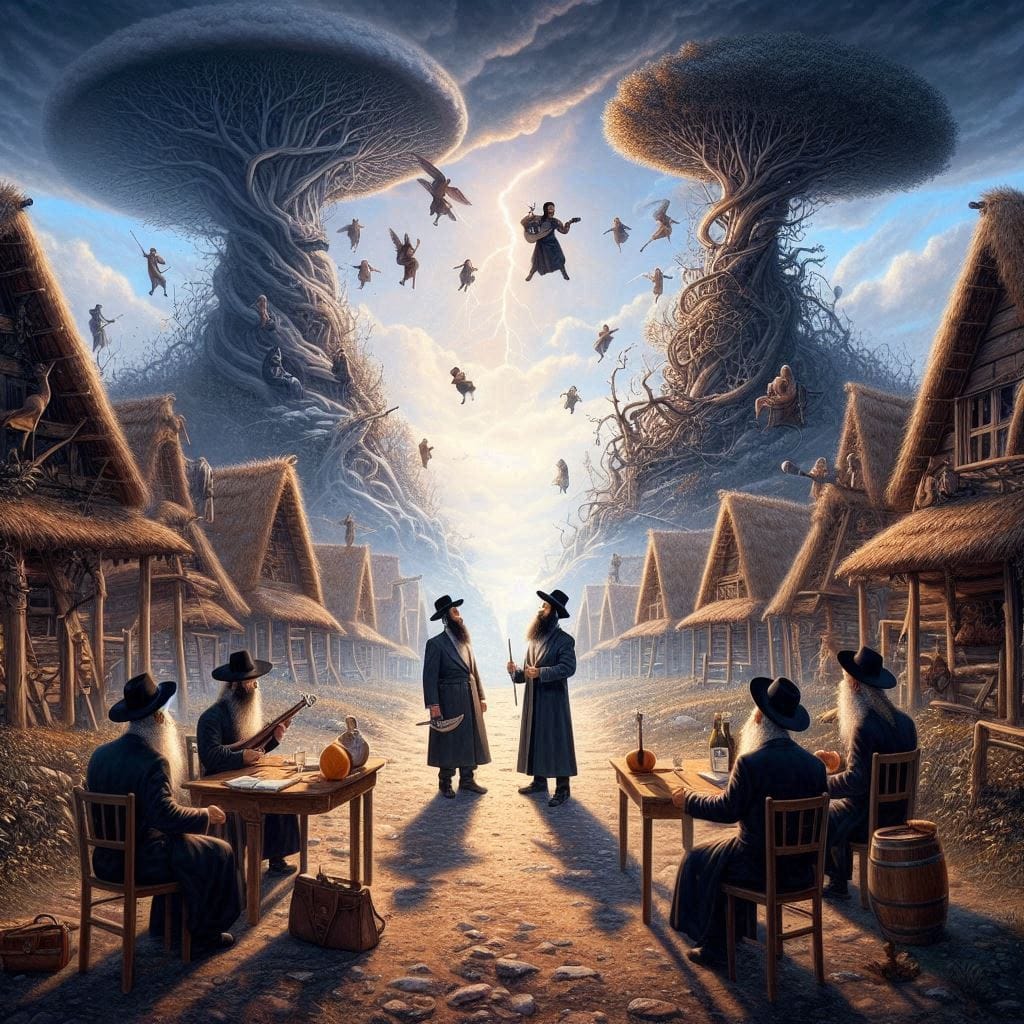
There are two great Talmudic rivers:
תַּלְמוּד יְרוּשַׁלְמִי — Talmud Yerushalmi
תַּלְמוּד בַּבְלִי — Talmud Bavli
The Yerushalmi preserves the Torah of the Land of Israel. It is often terse, direct, and connected to the agricultural, communal, and halachic life of Eretz Yisrael.
The Bavli became the dominant halachic Talmud for most of Jewish history because the Babylonian academies became central, and later generations treated the Bavli as the primary arena of final halachic analysis.
But both matter.
The Yerushalmi shows Torah in the Land.
The Bavli shows Torah in exile.
Together they show that Torah does not die when the Temple is destroyed.
Rome could burn the Temple.
Exile could scatter the people.
Empires could rise and fall.
But Torah lived.
The beit midrash became a portable sanctuary.
The page became a battlefield of holiness.
Halacha became the architecture of survival.
10. The Unmovable Conclusion
Now the polemic stands firm.
Rabbinic Judaism is not a late invention.
It is not “the rabbis versus the Bible.”
It is not man-made religion replacing biblical faith.
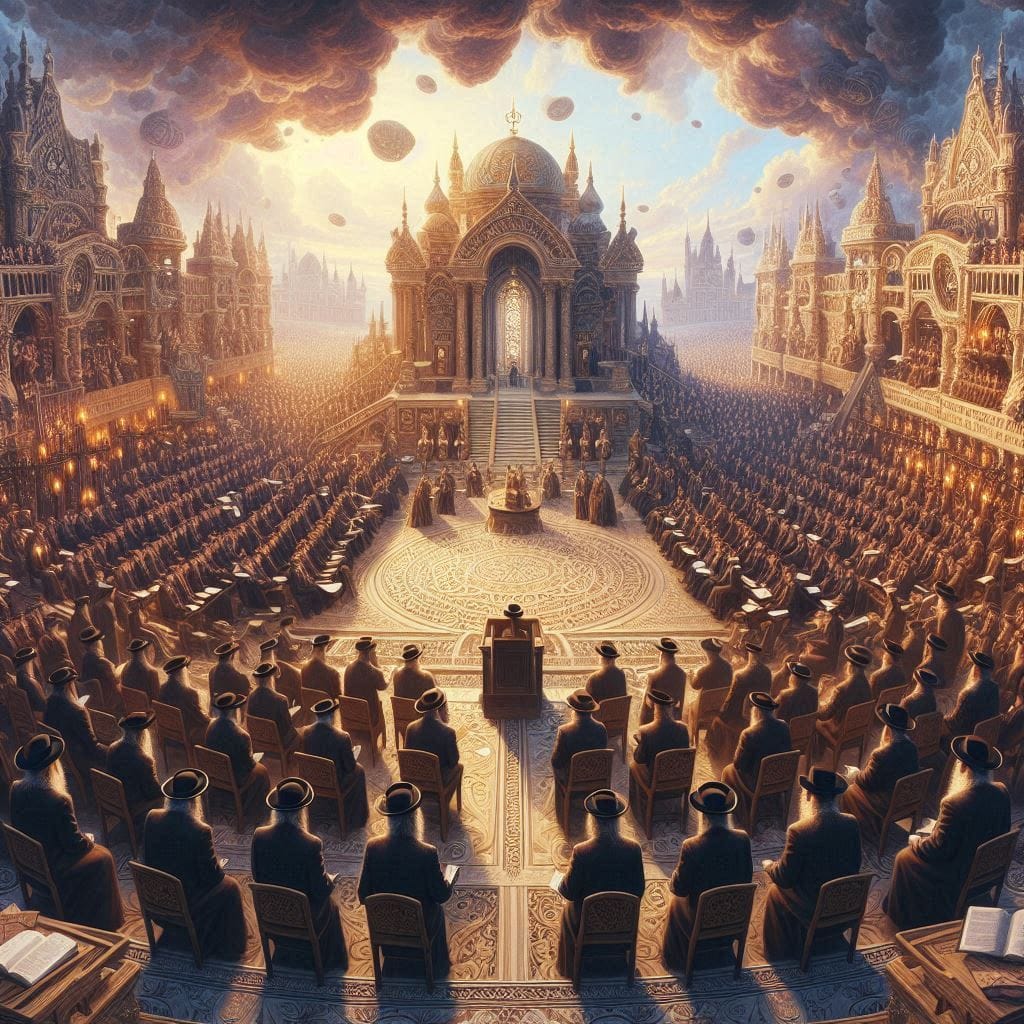
It is the Torah of Moshe preserved, interpreted, organized, and lived through Israel’s covenantal authorities.
The Torah itself commands legal authority in Devarim 17.
The Nevi’im call Israel back to Torah.
The Ketuvim sing Torah.
Ezra and Nechemiah show Torah being publicly read and explained.
Philo and Josephus testify that Second Temple Judaism is already centered on Moshe and law.
The sages preserve the sacred writings of Israel.
The Mishnah organizes the legal memory.
The halachic drashot root law in the verses.
The Braitot preserve wider Tannaitic teaching.
The Gemara analyzes and clarifies the whole system.
Without Mishnah, Torah becomes scattered.
Without halachic drashot, verses are severed from method.
Without Braitot, the wider Tannaitic world is lost.
Without Gemara, Mishnah remains compressed and unexplained.
Without halacha, Judaism becomes a costume.
Therefore, we say:
הַתּוֹרָה שֶׁבְּעַל פֶּה מְחַיָּה אֶת הַתּוֹרָה שֶׁבִּכְתָב
HaTorah she-be’al peh mechayah et HaTorah she-bikhtav
The Oral Torah gives living expression to the Written Torah.
Not as a rival.
Not as an invention.
Not as a replacement.
But as the covenantal transmission of Israel.
From Moshe to Yehoshua.
From Yehoshua to the elders.
From the elders to the prophets.
From the prophets to the Men of the Great Assembly.
From the sages to Mishnah.
From Mishnah to Braitot and Gemara.
From Gemara to the codes.
From the codes to the Jewish home.
This is the living chain.
This is Torah Judaism.
This is HaTorah mi-Moshe becoming halacha in the life of Israel.
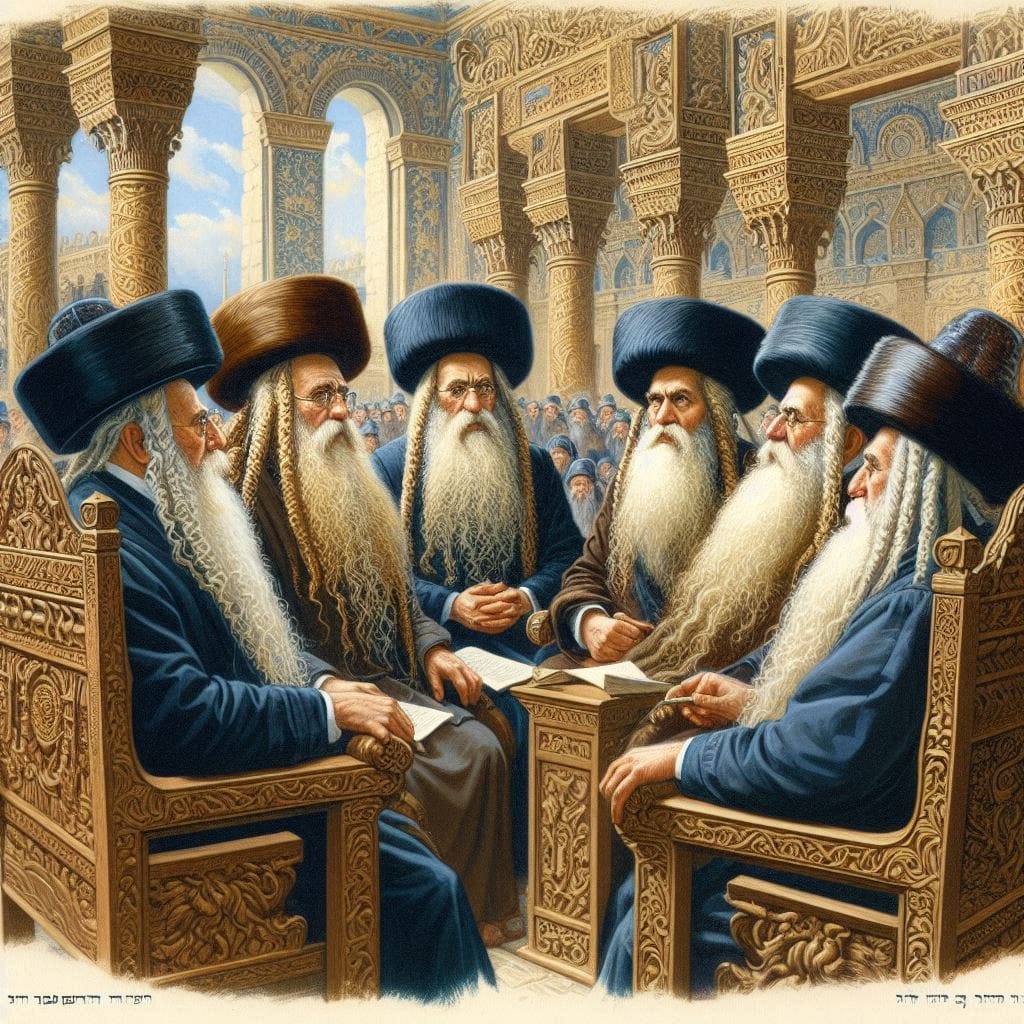
Mikra Series — Part Two
Mishnah, Halakhic Drashot, Baraitot, and Gemara: The Living Transmission of the Oral Torah
How did the Torah received by Israel through Moshe become the organized body of Jewish law preserved in the Mishnah, Baraitot, halakhic Midrash, and Gemara?
The answer begins with the relationship between the Written Torah and the Oral Torah.
In the first installment of the Mikra Series, Rabbi Ariel Manning established the Torah of Moshe as the foundation of Judaism. In Part Two, our attention turns toward the generations of Jewish scholars who transmitted, interpreted, debated, and organized the legal inheritance of Israel.
The Mishnah, compiled around the beginning of the third century under Rabbi Yehudah HaNasi, preserves the teachings, rulings, and disagreements of the Tannaim. Its six orders organize Jewish law around agriculture, festivals, family life, civil justice, sacred worship, and ritual purity.
Yet the Mishnah does not stand alone.
The Baraitot, teachings of the Tannaitic period preserved outside the Mishnah, provide additional legal traditions, explanations, and disagreements. The Tosefta likewise preserves material closely associated with the Mishnaic tradition.
The halakhic Midrashim, including the Mekhilta, Sifra, and Sifre, demonstrate how Jewish sages interpreted the language of the Written Torah in relation to practical commandments.
These works reveal an important feature of traditional Torah learning: Jewish law is studied through Scripture, inherited interpretation, reasoned argument, and established legal authority.
The Gemara continues this intellectual inheritance through the discussions of the Amoraim and subsequent editorial traditions. The Jerusalem and Babylonian Talmuds preserve extensive examinations of the Mishnah, including interpretations, objections, comparisons, and practical legal conclusions.
The resulting literature is neither a simple commentary upon Scripture nor an unrestricted collection of personal religious opinions.
It is a disciplined body of Jewish legal reasoning, developed within the covenantal community of Israel.
Traditional Judaism understands the Oral Torah as continuous with Sinai, while recognizing the historical development of rabbinic interpretation, enactments, and legal disagreements.
This distinction is essential: fidelity to the Torah of Moshe does not require pretending that every rabbinic discussion or later enactment was formulated in precisely the same way at Sinai.
The authority of Jewish law rests upon the covenantal framework of Torah, the institutions of Jewish legal tradition, and the responsible transmission and application of Halakhah.
For those studying Torah in Alpena, Hillman, Rogers City, and throughout Northeastern Michigan, this inheritance remains entirely relevant.
The study of Mishnah and Gemara is not reserved exclusively for large yeshivot or established urban communities. With serious instruction, discipline, appropriate texts, and respect for legitimate Torah scholarship, Jewish families and small batei midrash can participate in the continuing study of the Oral Torah.
This is a central purpose of Shaarei Tzafon: bringing traditional Torah learning, the Rambam, Geonic literature, and practical Halakhah into the daily lives of Jews living beyond established centers of Jewish education.
The central message: The Mishnah preserves and organizes, the Baraitot expand, the halakhic Midrashim interpret, and the Gemara examines and clarifies. Together they form indispensable foundations of the living Oral Torah.
The next installment follows this inheritance into the age of the Geonim and Rishonim, who preserved, explained, and codified the Talmudic tradition for Jewish communities throughout the world.
Published by Shaarei Tzafon — The North Gate, an independent, family-led Orthodox Jewish educational and publishing initiative based in Northeastern Michigan, serving Alpena, Hillman, Rogers City, and surrounding communities.
Shaarei Tzafon promotes traditional Jewish life, Torah study, practical Halakhah, and the renewal of independent Jewish learning communities throughout the northern boreal regions, extending from the 45th parallel toward the Arctic tundra.
Shaarei Tzafon — The North Gate
Orthodox Jewish Life and Torah Study in Northeastern Michigan
Shaarei Tzafon — The North Gate, led by Rabbi Ariel Manning, is an independent, family-led Orthodox Jewish educational and publishing initiative based in Northeastern Michigan. We support traditional Jewish life, Torah study, Halakhah, and Jewish education throughout Alpena, Hillman, Rogers City, and surrounding communities. Those interested in traditional Judaism are welcome to contact us for educational resources, Torah learning, and opportunities for discussion by prior arrangement.
Rooted locally, our greater mission extends northward from the 45th parallel — The North Gate — through Michigan, Canada, and Alaska toward the Arctic. We seek to encourage independent Jewish communities, family-centered Torah education, and the renewal of small batei midrash and shtieblach, preserving the rich traditions of Orthodox Judaism for future generations.
Our work begins in Northeastern Michigan, but our vision extends from the 45th parallel toward the Arctic.
Guided by Rambam and Mori Qafiḥ, uplifted by Rebbe Nachman, and grounded by Avraham ben HaRambam’s balance of halakha and inward avodah.
The Orchard’s Path
publishes our books and curricula.
Our mission: a bright, authentic Jewish presence in every northern town.
Created with ©systeme.io


