
The Importance of De’Oraitha: Techelet
B”H
1. The Question from the Outside
And the Clarity from Within
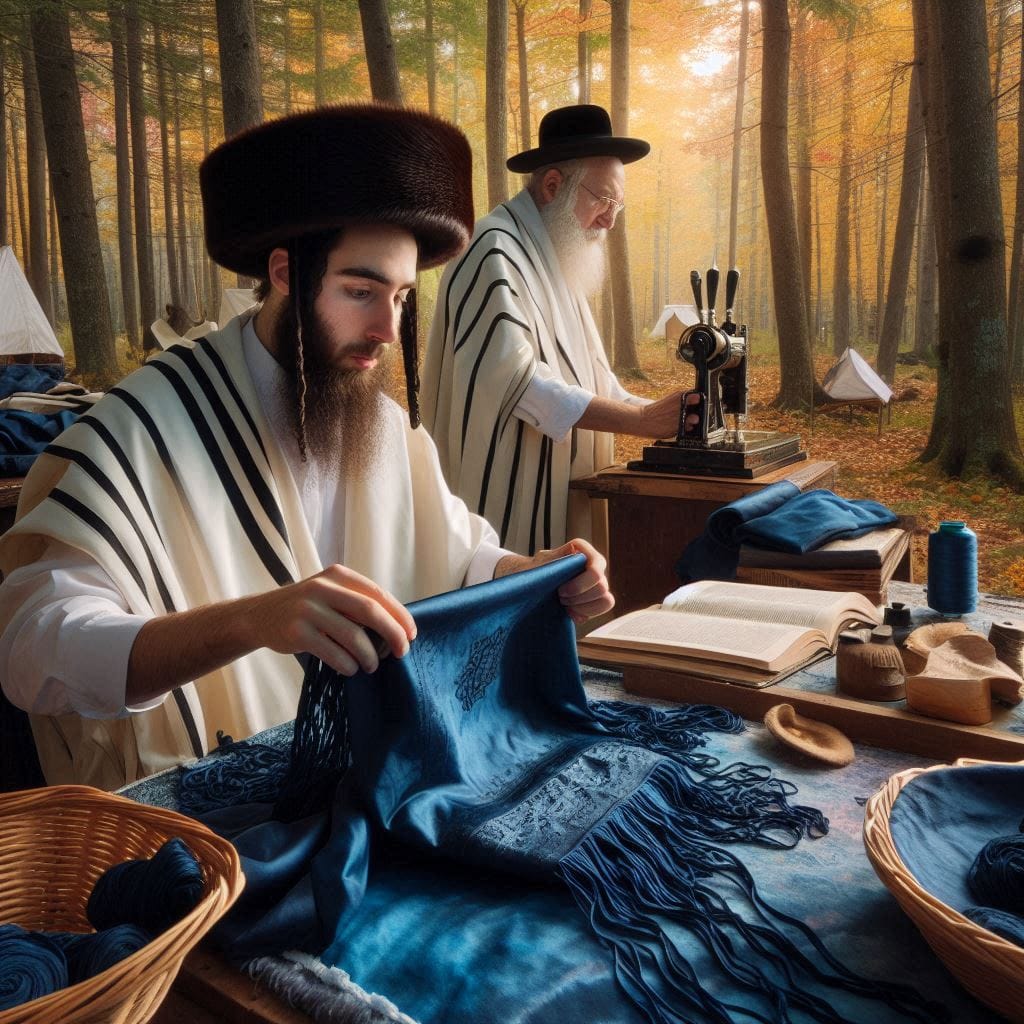
A Christian once approached me at work after noticing the techelet (blue thread) in my tzītziyyōt. He was not confrontational. He was curious. He had seen white tzītziyyōt before, but the blue stood out to him.
“Why do you have a blue fringe?” he asked.
“It’s an Oraisa,” I replied.
He looked puzzled.
Of course he did. He does not live inside halachic categories. He does not instinctively distinguish between rabbinic enactment, custom, stringency, and Torah command. When I said “Oraisa (the Ashkenazi pronouncation),” the actual pronouncation in Rabbinic Aramaic: De’Oraitha — meaning from the Torah itself. A direct command of HaShem.
That moment clarified something powerful: techelet is not decoration. It is not mysticism stitched into fabric. It is not sectarian identity. It is not optional symbolism.
It is De’Oraitha.
And once you understand that category, everything changes. Because De’Oraitha is not about preference. It is about covenant.
2. What De’Oraitha Means in Jewish Law
When we say something is De’Oraitha, we mean:
It is explicitly commanded in the Written Torah.
It carries covenantal obligation.
It cannot be dismissed as mere custom.
The Torah states:
וְנָתְנוּ עַל צִיצִת הַכָּנָף פְּתִיל תְּכֵלֶת
“They shall place upon the fringe of the corner a thread of blue.”
— Bamidbar 15:38
This is imperative language. It is not poetic suggestion.
The Mishneh Torah codifies that the mitzvah of tzitzit consists of both white (lavan) and techelet. Rambam explains that white alone fulfills the mitzvah when techelet is unavailable, but that the complete fulfillment includes both elements.
This structure is important:
• White alone is valid.
• The blue fringe makes it complete.
So the absence of techelet does not invalidate tzitzit — but its presence completes it.
That is the Torah and halachic architecture.
3. The Historical Loss of Techelet
For centuries, Jews wore blue and white together.
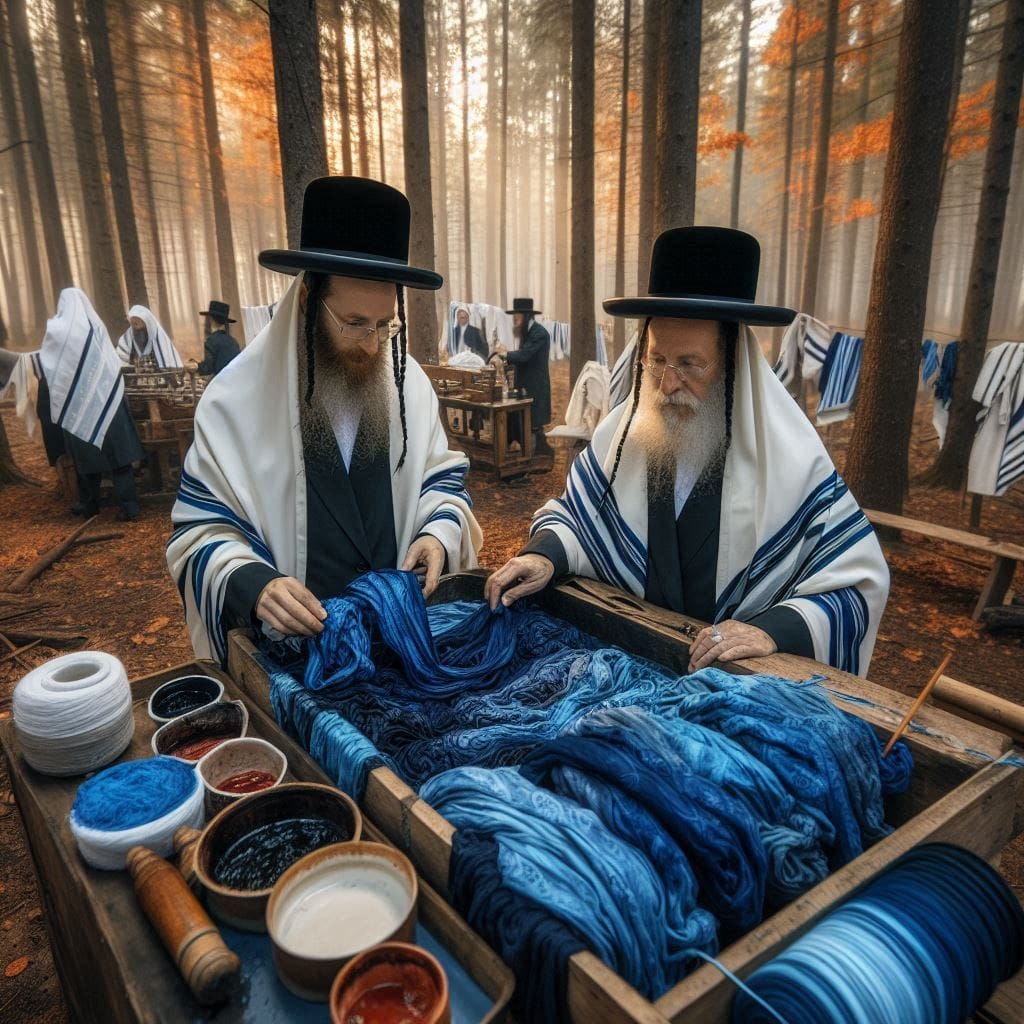
Then in the third century, Roman and later Byzantine authorities restricted royal blue dye production. Techelet was considered imperial. Dye factories along the Mediterranean coast — in northern Israel and Lebanon — were shut down.
The chilazon, the sea creature from which techelet was derived, disappeared from Jewish access.
The Talmud addressed this exile reality: when techelet is unavailable, white strings alone suffice.
White tzitzit became the norm.
But white was never the ideal. It was the concession of exile.
For over 1,500 years, Jews fulfilled what they could. And they waited.

4. The Tosefta and the Central Halachic Debate
The Tosefta states:
“If not from the chilazon, it is invalid.”
This seems decisive.
The Gemara in Menachot forbids kala ilan — plant-based indigo — but does not always clarify whether the prohibition is because it is fraudulent imitation or intrinsically invalid.
The core question becomes:
Is techelet defined by its source — specifically the chilazon?
Or by its color and durability?
The Rambam describes the chilazon and its dyeing process.
Yet in other contexts, particularly regarding Sanctuary textiles, he emphasizes the durable blue quality of techelet.
That nuance has opened discussion among later authorities.
If source is essential, only animal-derived dye qualifies.
If color is essential, durable blue might suffice.
This debate shapes all modern restoration efforts.

5. The Radzyner Revival
In the late 19th century, Rabbi Gershon Henoch Leiner sought to restore techelet.
After extensive research, he identified the chilazon as the cuttlefish. A chemist helped produce blue dye from it, though the natural pigment is brown.
Later chemical analysis suggested that the blue resulted from iron reactions rather than the intrinsic animal dye.
Critics argued that this undermined the identification.
Supporters countered that halacha is not chemistry. If the process meets Talmudic description and produces durable blue, it may qualify.
Radzyner chassidim continue wearing this techelet today.
It was the first serious attempt to reverse centuries of loss.
It demonstrated something essential: exile does not erase obligation.
6. The Murex Identification
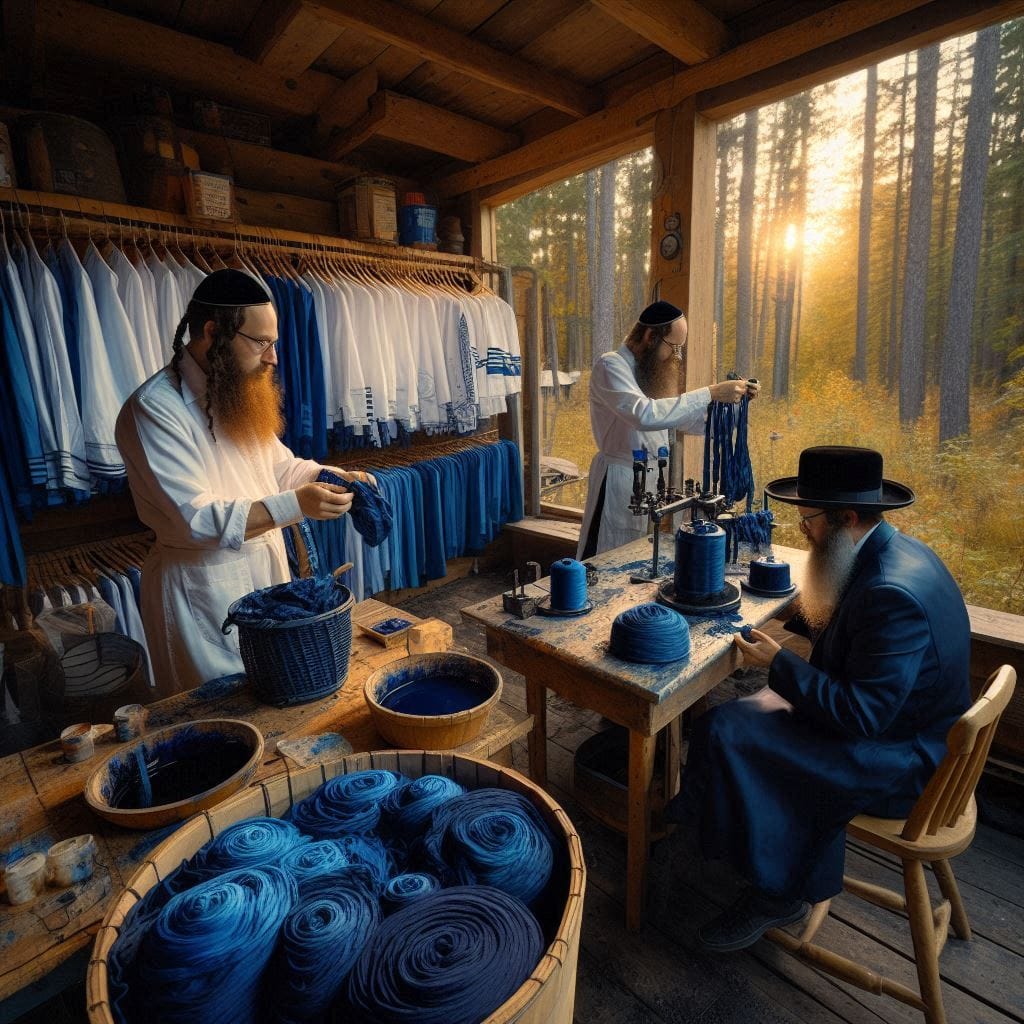
Archaeological excavations along the Mediterranean coast uncovered ancient dye factories filled with thousands of snail shells.
The Ptil Techelet movement identified Murex trunculus as the likely chilazon.
The dye molecule produced matches ancient indigo compounds found in royal textiles.
Many contemporary rabbis accept this identification.
Yet debate remains:
• Multiple snail species were found — which is Biblical?
• The dye requires oxidation — does that align with Talmudic description?
• If chemically identical to plant indigo, why does the Gemara forbid kala ilan?
Dr. Shaul Kaplan, an Orthodox oceanographer, advocates a different species that produces blue naturally without oxidation. His position remains minority.
There is no universal consensus.
But the discussion itself reflects a serious attempt to restore a De’Oraitha mitzvah.
7. The Synthetic Question
Synthetic dyes did not exist in the time of Chazal.
The Gemara forbids plant indigo.
The Tosefta invalidates dye not from chilazon.
But what about modern artificial blue?
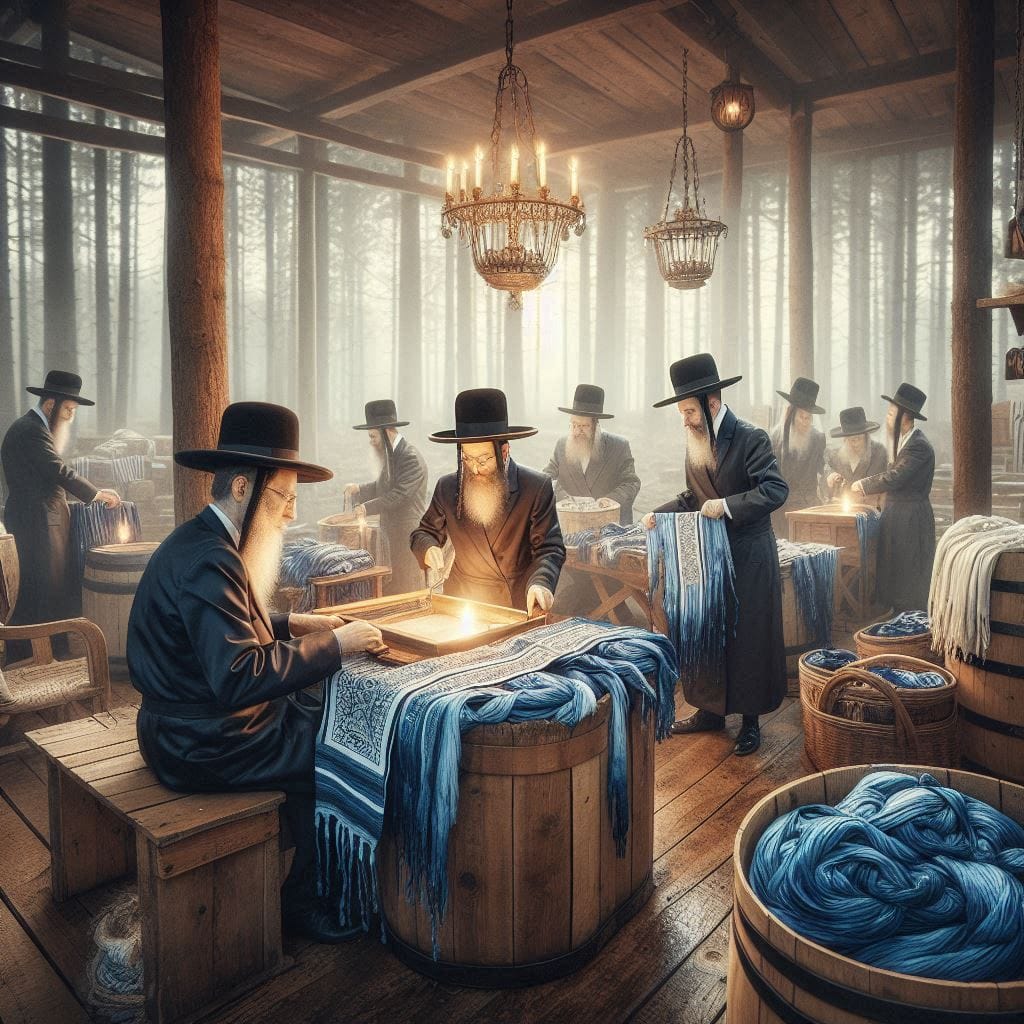
Rabbi Israel Ariel argues that any durable, long-lasting blue dye qualifies as techelet.
He draws partly from Rambam’s language regarding Sanctuary textiles.
According to this reasoning:
If the Torah’s essential demand is a stable heaven-colored blue, and chilazon was simply the ancient method, synthetic dye could fulfill the mitzvah.
Others reject this entirely, insisting that the Tosefta’s language makes chilazon origin indispensable.
Thus, practically speaking, three paths exist:
White only.
Animal-derived techelet (Radzyner or Murex).
Durable synthetic blue.
Each position rests on serious halachic reasoning.

8. Why Many Rabbis Hesitate
Even with revival efforts, many rabbis refrain from endorsing a specific candidate.
Reasons include:
No uninterrupted mesorah.
Identification uncertainty.
Color debate:
Rashi describes greenish-blue.
Rambam describes dark near-black blue.
Popular assumption is sky-blue.
Kabbalistic traditions suggesting techelet returns only with Mashiach.
Humility — if the greatest sages lacked it for centuries, who are we to restore it?
It is recorded that the Radzyner Rebbe gifted techelet to the Chafetz Chaim, who reportedly reserved it for Rosh Chodesh — a symbol of reverence and caution combined.
Hesitation is not dismissal. It is humility before Torah.
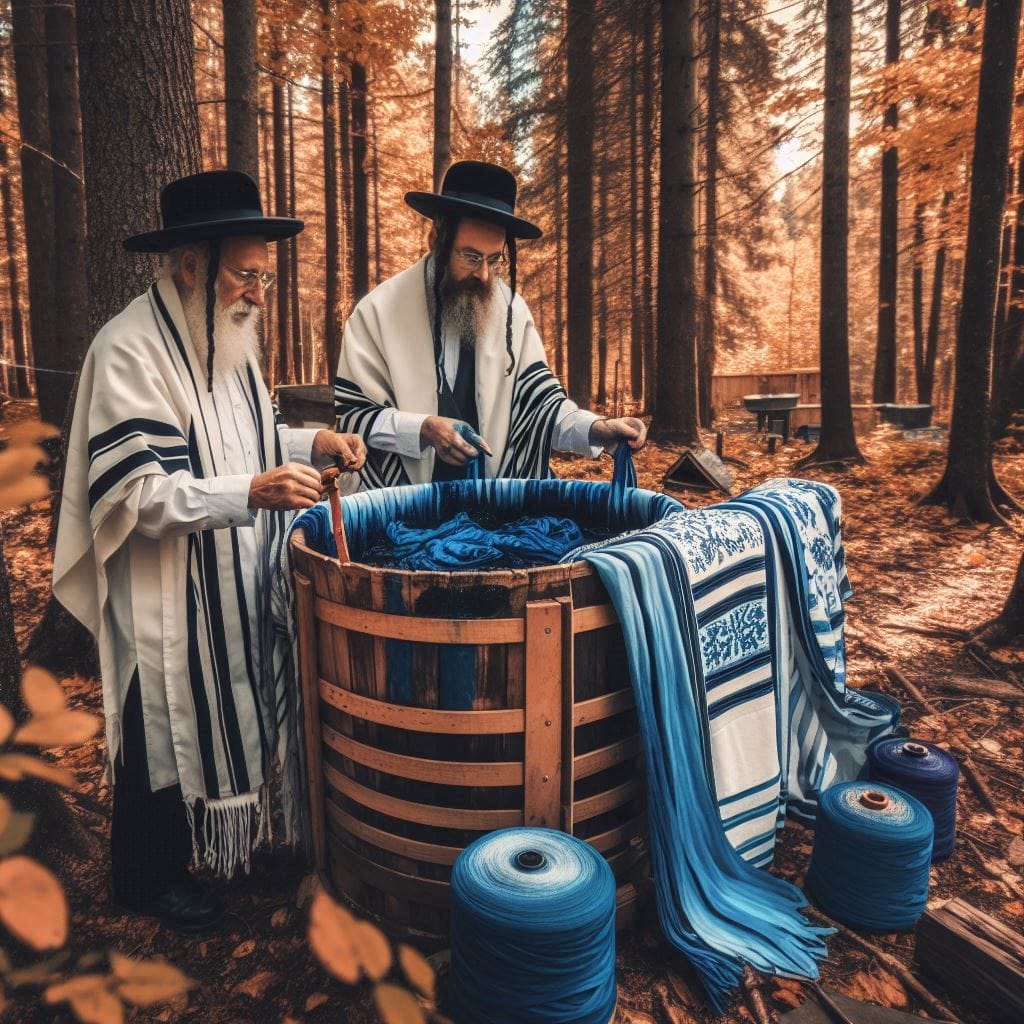
9. The Practical Hierarchy — No War Between White and Blue
There is no ideological conflict between white and blue.
White is valid.
White fulfills when blue is unavailable.
Blue restores fullness when obtainable.
This is halachic hierarchy:
• Ideal when possible.
• Concession when necessary.
My position is simple:
If you can obtain blue, wear it.
If you cannot — or do not have access — rely on white.
There is no shame in white.
There is no arrogance in blue.
There is only obedience.
And obedience is the essence of De’Oraitha.

10. The Spiritual Core — Why Blue Matters
The Gemara teaches:
Techelet resembles the sea.
The sea resembles the sky.
The sky resembles the Throne of Glory.
White grounds the soul in purity.
Blue lifts the eye upward.
White reminds us of separation from sin.
Blue reminds us of transcendence.
Together, they bind earth to heaven.
Techelet is not fashion. It is covenant stitched into cloth.
When someone outside the covenant asks why we wear blue, the answer is not mystical poetry.
The answer is simple:
Because it is De’Oraitha.
Because HaShem commanded it.
Because covenant does not disappear in exile.
White sustained us.
Blue calls us higher.
May HaShem renew our days as of old — with clarity, humility, and complete fulfillment of His commandments.
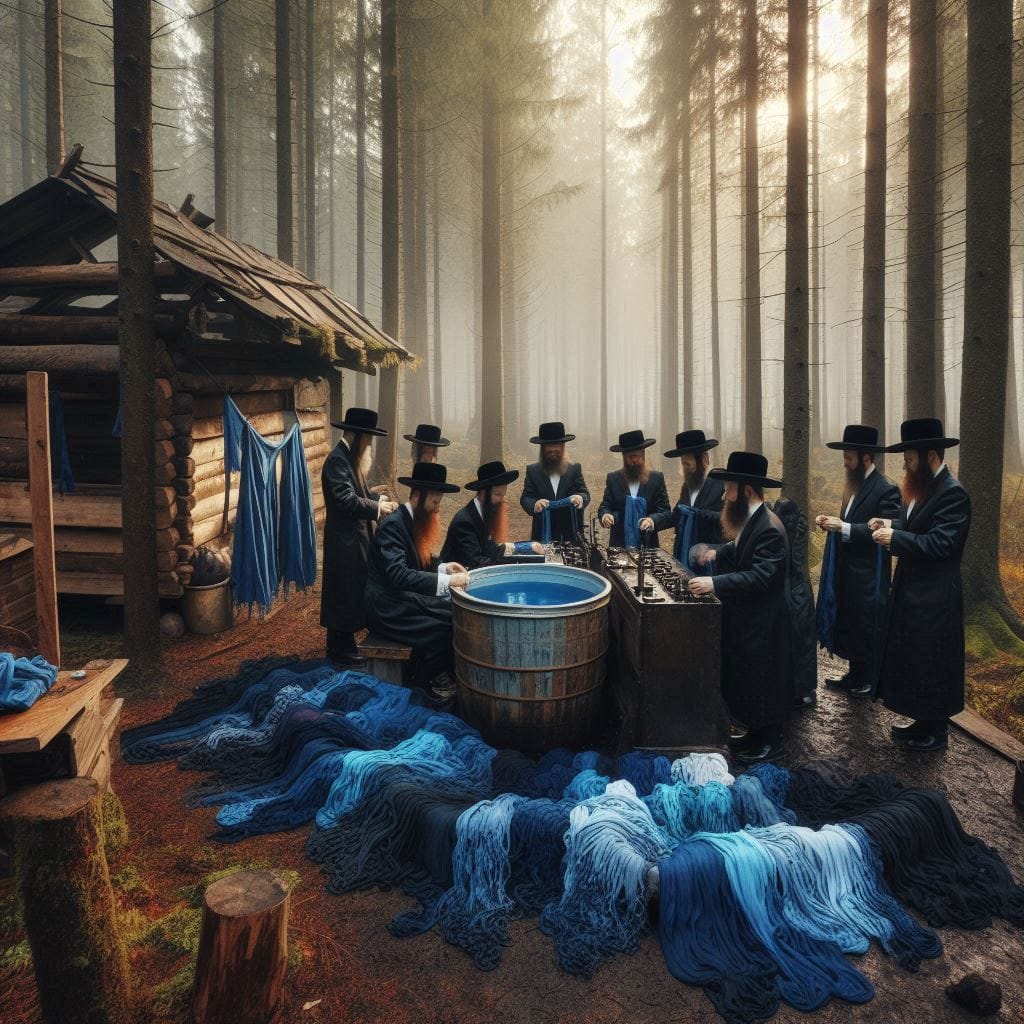
The Importance of De'Oraitha Techelet: Restoring a Biblical Commandment
The Torah commands the Jewish people to place a thread of techelet within the fringes of their garments. Yet the identity of the ancient dye, the historical disappearance of its widespread use, and the modern efforts to restore this practice have generated significant discussion among Jewish scholars.
Rabbi Ariel Manning of Shaarei Tzafon examines the biblical foundations of techelet, the teachings of the Talmud and Rambam, the identification of the chilazon, and the competing historical and halakhic arguments concerning traditional and modern blue dyes.
This study considers an essential question: When a biblical commandment becomes difficult to observe because its traditional materials or methods have been lost, what responsibility do Jews have to investigate its restoration?
Published by Shaarei Tzafon — The North Gate, an independent Orthodox Jewish educational and publishing initiative in Northeastern Michigan.
https://www.shaareitzafon.org/the-importance-of-deoraitha-techelet
Shaarei Tzafon — The North Gate
Orthodox Jewish Life and Torah Study in Northeastern Michigan
Shaarei Tzafon — The North Gate, led by Rabbi Ariel Manning, is an independent, family-led Orthodox Jewish educational and publishing initiative based in Northeastern Michigan. We support traditional Jewish life, Torah study, Halakhah, and Jewish education throughout Alpena, Hillman, Rogers City, and surrounding communities. Those interested in traditional Judaism are welcome to contact us for educational resources, Torah learning, and opportunities for discussion by prior arrangement.
Rooted locally, our greater mission extends northward from the 45th parallel — The North Gate — through Michigan, Canada, and Alaska toward the Arctic. We seek to encourage independent Jewish communities, family-centered Torah education, and the renewal of small batei midrash and shtieblach, preserving the rich traditions of Orthodox Judaism for future generations.
Our work begins in Northeastern Michigan, but our vision extends from the 45th parallel toward the Arctic.
Guided by Rambam and Mori Qafiḥ, uplifted by Rebbe Nachman, and grounded by Avraham ben HaRambam’s balance of halakha and inward avodah.
The Orchard’s Path
publishes our books and curricula.
Our mission: a bright, authentic Jewish presence in every northern town.
Created with ©systeme.io


