
To Live Like Daniel in the World
B"H
Why Judaism Is Not a Karaite-Like Panic Over Words, Names, and Culture
1. The Question of Sophia
Someone once came with a question about the name Sophia.
They asked, in essence: “Is this a bad name? It is Greek. It comes from a pagan world. Should we be worried?”
And the answer is: No, not automatically.
The name Sophia comes from Greek and means “wisdom.” Yes, it comes from a non-Jewish ancient world. Yes, the Greek world had paganism. Yes, many names, words, months, places, and languages around us carry old pagan traces.
But Judaism does not teach that every ancient pagan association makes a word forbidden.
This is where Torah must be more mature than panic.
A person cannot be held spiritually guilty because their name comes from an old language once used by pagans. We live in a world layered with the remains of old empires: Greek, Roman, Babylonian, Persian, Germanic, Slavic, English, French, Arabic, and many others. If we tried to remove every word, name, or cultural trace that once touched idolatrous civilization, we could barely speak.
Judaism does not ask: “Did this word ever exist among pagans?”
Judaism asks:
Is this idolatry?
Is this worship?
Is this forbidden imitation?
Is this against Torah law?
Is this against halacha?
Is this pulling the soul away from HaShem?
That is the real question.
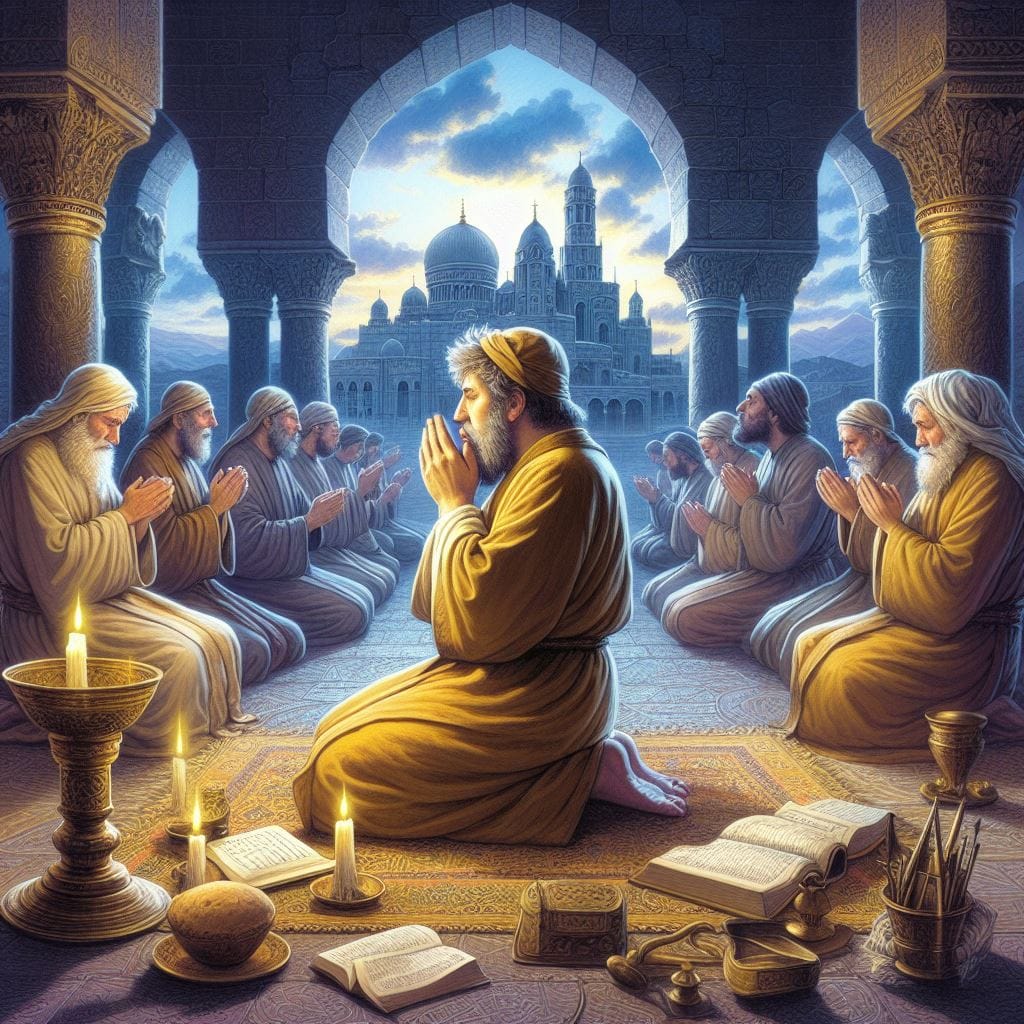
2. Daniel Had a Foreign Name Too
This is why the Book of Daniel is so powerful.
Daniel lived in Babylon. He did not live in a clean, isolated, perfectly Jewish world. He lived in exile. He lived under a foreign empire. He was surrounded by pagan names, pagan officials, pagan food, pagan statues, pagan decrees, and pagan political power.
Even Daniel himself was given a Babylonian name: Belteshazzar.
Hananiah, Mishael, and Azariah were given the names Shadrach, Meshach, and Abed-Nego.
These were not Hebrew names. Some of them likely carried associations with Babylonian gods or pagan royal culture.
Yet Daniel remained Daniel.
The empire could rename him, but it could not redefine him.
That is the lesson.
A name can come from the outside. But identity comes from covenant, Torah, mitzvot, prayer, and loyalty to HaShem.
So when someone worries about a name like Sophia, we can answer with clarity:
A foreign name is not automatically forbidden. A Greek name is not automatically idolatry. A name with ancient cultural baggage does not make a person impure.
The issue is not the sound of the name.
The issue is whether the person lives toward HaShem or toward idols.
Daniel teaches us how to live in a secular world without becoming secular.
3. Even the Jewish Calendar Carries Exile
Now let us go deeper.
Look at the Jewish calendar.
One of the months is called Tammuz.
Tammuz is the name of an ancient Babylonian deity. This is not a secret. It is not hidden. It is part of the reality of exile.
In the Torah, the months are often counted numerically: the first month, the second month, the third month, and so on. Later, after exile, the Jewish people came to use Babylonian month names: Nissan, Iyar, Sivan, Tammuz, Av, Elul, Tishrei, and so forth.
Does that mean Judaism became pagan?
God forbid.
It means Jews lived through exile and carried the marks of history.
But we did not bow to Tammuz.
We did not worship Tammuz.
We did not turn Tammuz into a god.
We took time itself and placed it under the service of HaShem.
That is the difference between Judaism and panic.
Karaite-like movements often miss this. They may see a word, a name, or a custom with foreign origin and immediately think: “Pagan! Throw it away!”
But Judaism is wiser.
Judaism asks whether something is halachically forbidden, whether it is idolatrous worship, whether it is a violation of Torah, whether it is a practice of avodah zarah, or whether it has been transformed and absorbed into Jewish historical life under Torah authority.
That is a major difference.
Judaism is not a fear-based religion of word-hunting.
Judaism is a covenantal way of life governed by Torah and halacha.
4. Daniel Prayed Like a Jew
Daniel did not survive exile by inventing his own private religion.
He prayed.
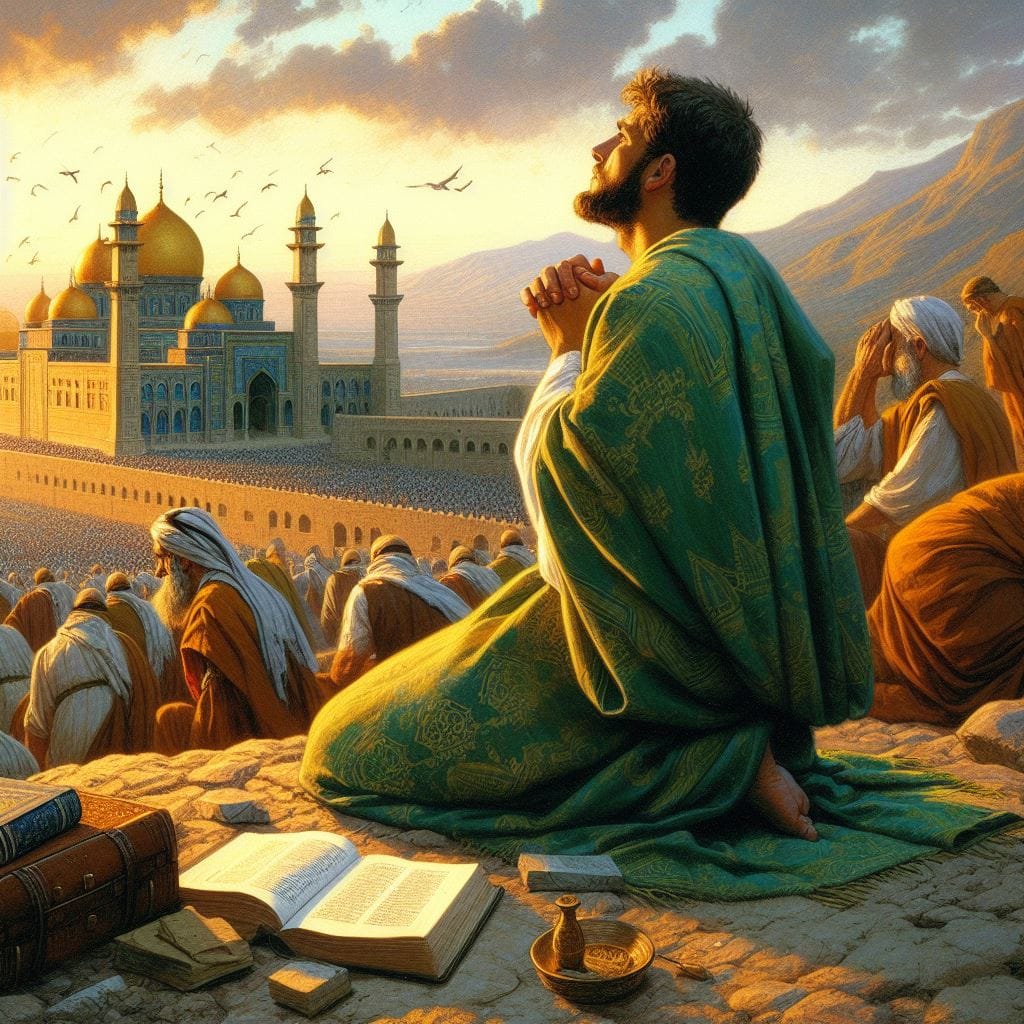
Daniel 6:10 says that when Daniel knew the decree had been signed, he went to his house, opened his windows toward Jerusalem, kneeled upon his knees three times a day, prayed, and gave thanks before his God, as he had done before.
That is not random spirituality.
That is ordered Jewish devotion.
He prayed toward Jerusalem. He prayed three times daily. He humbled his body. He did not simply “feel spiritual.” He had a disciplined Jewish practice.
This is where the siddur becomes important.
The siddur is not a man-made distraction from the Bible. The siddur is the ordered prayer-life of Israel. It teaches a Jew how to face Jerusalem, how to bless HaShem, how to ask forgiveness, how to praise, how to thank, and how to stand in the Amidah before the Master of the universe.
Karaite-like movements often claim to be “Bible-only,” but Daniel himself shows a pattern that points toward Jewish liturgical structure.
Judaism is not merely reading Scripture and doing whatever one personally thinks it means.
Judaism is inherited practice.
It is Torah lived through Israel.
5. Daniel Longed for Jerusalem and Israel
Daniel did not use the exile to erase Israel.
He did not say, “Babylon is now Zion.”
He did not say, “I spiritually replaced Jerusalem.”
He did not say, “Anyone who reads the Bible is now Israel without process, covenant, conversion, or law.”
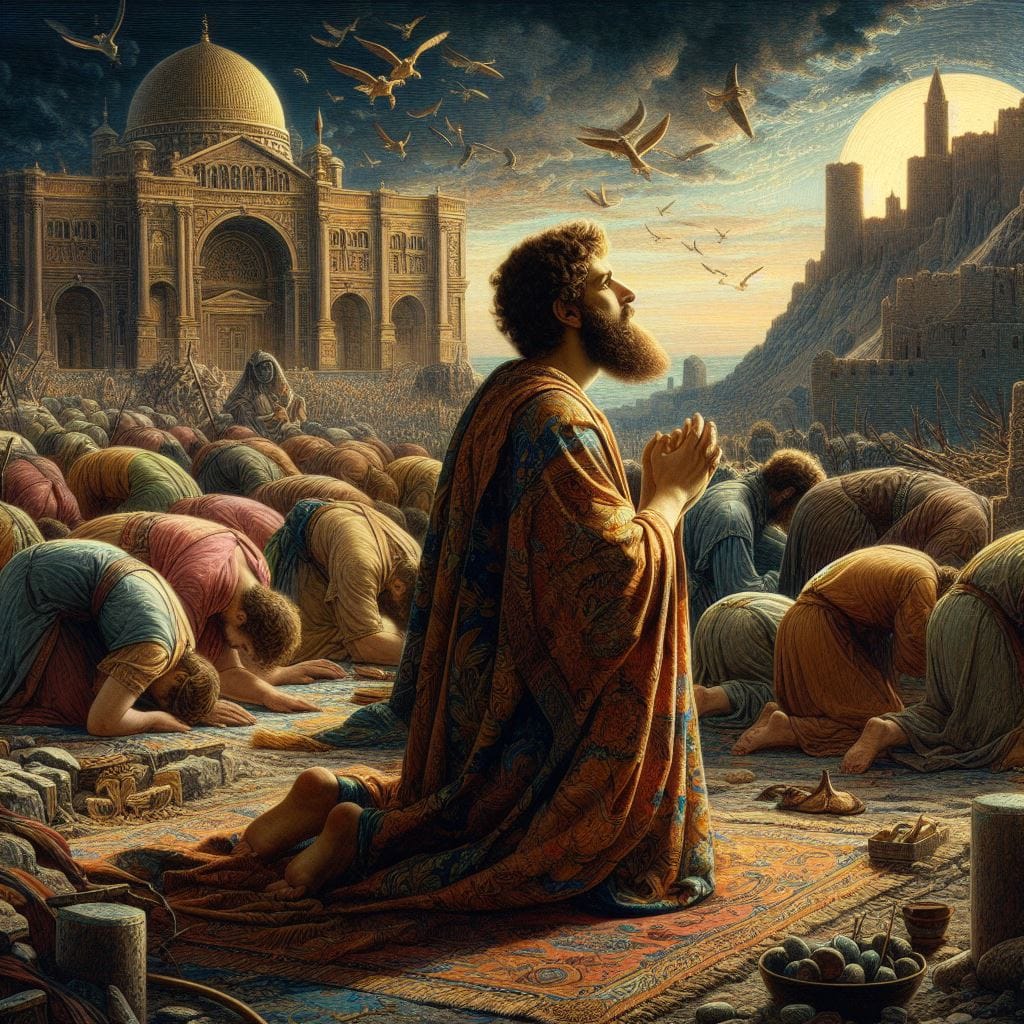
In Daniel 9, he pours out his heart for Jerusalem, the sanctuary, the people, and the sins of Israel.
He confesses:
“We have sinned.”
He does not stand above Israel. He stands with Israel.
This is another place where Karaite-like movements often go wrong. They frequently develop a self-made identity where they claim Israel for themselves while bypassing Jewish law, Jewish courts, Jewish conversion, Jewish peoplehood, and Jewish communal authority.
That is not Daniel.
Daniel loved Israel.
Daniel did not replace Israel.
Daniel prayed for Jerusalem, not against it.
Daniel wanted the healing of HaShem’s people, not the invention of a new religious identity built from selected Torah verses without halachic submission.
To live like Daniel is not to cosplay ancient Israel.
To live like Daniel is to attach oneself to the actual covenantal people of Israel in the way Torah allows.
For a non-Jew, that may mean honoring HaShem as a righteous Gentile. For one who truly seeks to join Israel, it means conversion according to halacha.
It does not mean self-declaration.
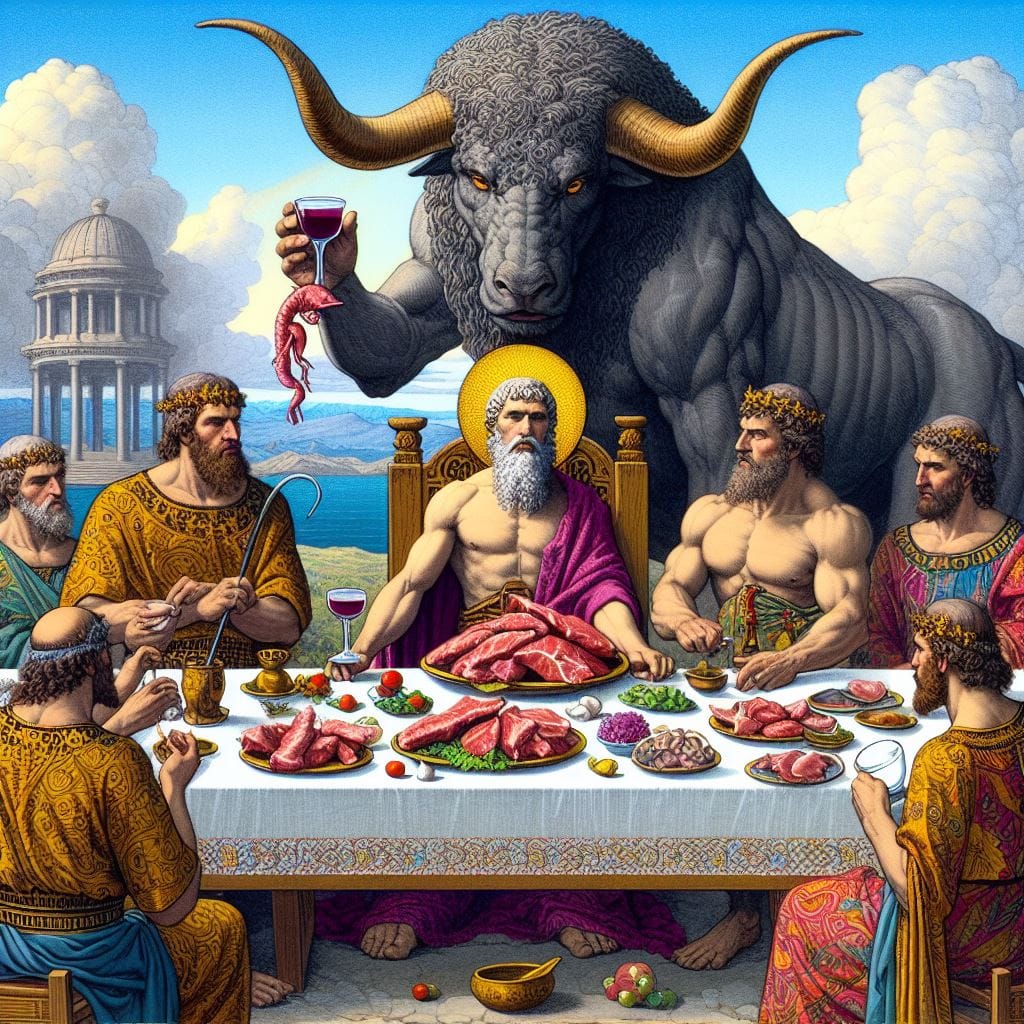
6. Daniel Did Not Eat the King’s Food
Daniel 1 tells us that Daniel resolved not to defile himself with the king’s food or wine.
This is one of the clearest proofs that biblical faithfulness is not simply about whether an animal is technically from a permitted species.
A Karaite-like reading may say: “If the animal is clean according to Leviticus 11, then it is fine.”
But Daniel understood more.
The king’s table may have included animals that were technically from kosher species. A royal table in Babylon would not only have had pig. It would have had cattle, sheep, birds, wine, and many forms of prepared food.
Daniel still refused.
Why?
Because Jewish food law is not only about the animal category.
It includes slaughter, preparation, wine, idolatrous handling, and separation from forbidden worship and assimilation.
That is halacha.
This is why Judaism does not reduce kashrut to “clean and unclean animals.”
Torah says more. Tradition explains more. The lived practice of Israel preserves more.
Daniel’s refusal of the king’s food shows that Torah observance requires more than private biblical guessing.
It requires the halachic life of Israel.
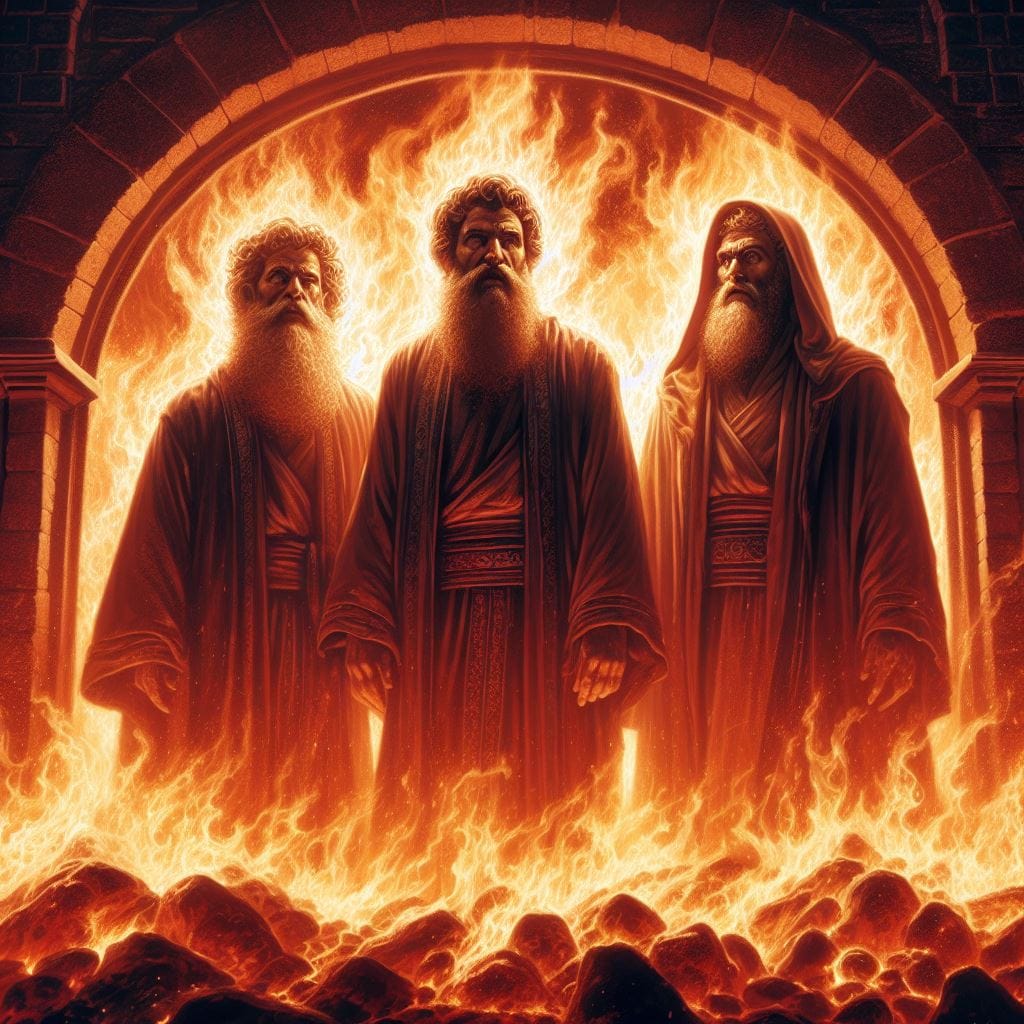
7. Daniel Did Not Bow to Idols
Daniel’s companions refused to bow to Nebuchadnezzar’s image.
This is not about foreign names.
This is not about Greek words.
This is not about a person named Sophia.
This is actual idolatry.
A statue was raised. The empire commanded worship. Music played. The nations bowed. The Jews refused.
That is the line.
Judaism does not panic over every inherited word, but Judaism does draw a hard line at worship.
A month name may be historically Babylonian. That is not the same as bowing to a Babylonian god.
A Greek name may mean wisdom. That is not the same as invoking a Greek deity.
But bowing to an image, praying through an idol, consecrating worship to a created form, or entering devotional practice centered on forbidden imagery is a different matter.
Here Judaism is uncompromising.
This is also where Karaite-like movements often become inconsistent. Some become obsessed with names, calendars, spellings, and ancient word origins, while being far less careful about actual halachic categories of idolatry, worship spaces, religious symbols, and the authority of Torah law.
Daniel teaches balance.
Do not fear a name.
Do not bow to an idol.
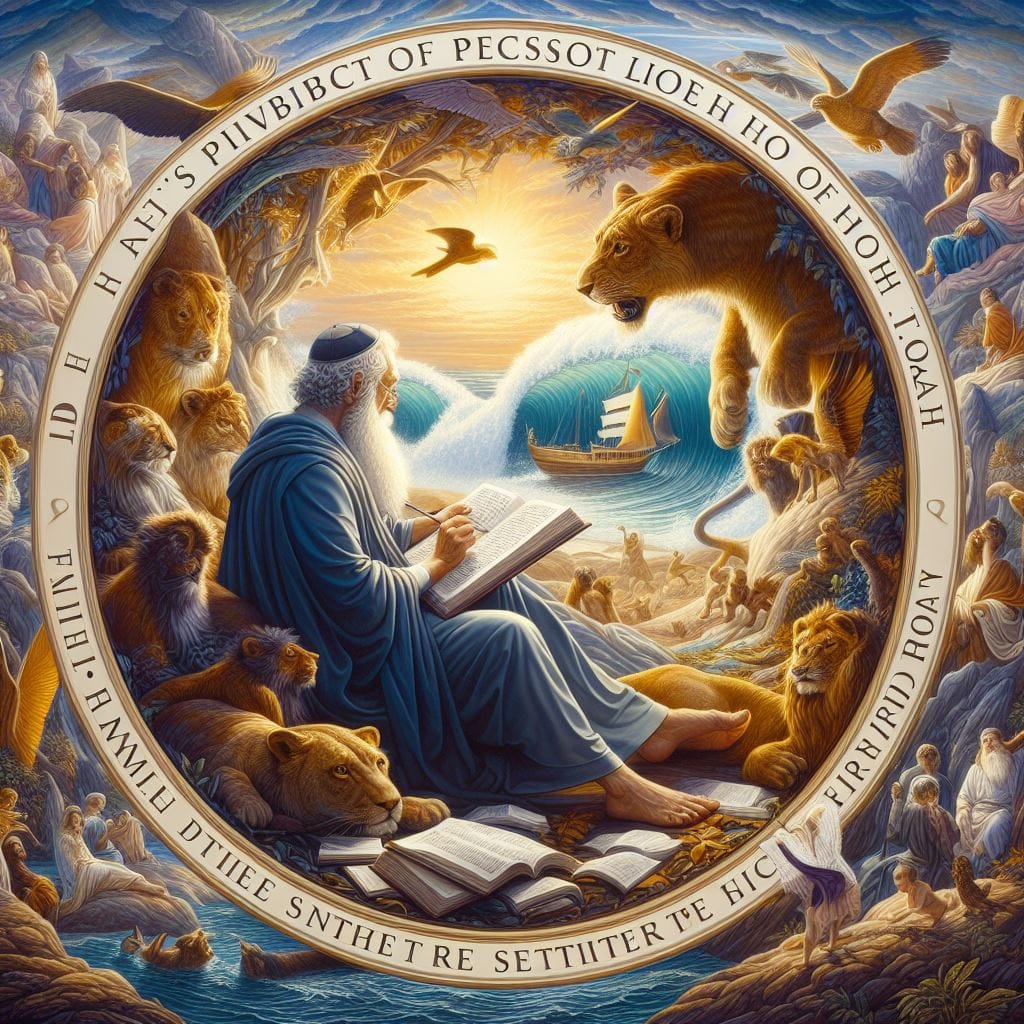
8. Daniel Studied the Books
Daniel 9 says that Daniel meditated in the books and understood the number of years spoken by Jeremiah the prophet concerning the desolations of Jerusalem.
Daniel was a man of Scripture.
But he was not a rebel against the chain of Israel.
He read the prophets. He prayed. He fasted. He confessed. He understood himself inside the story of Israel.
Judaism honors Scripture more deeply than any anti-rabbinic movement can, because Judaism preserves Scripture inside the people who received it.
The TaNaKH itself is not arranged according to a private individual’s preference.
The very structure of TaNaKH — Torah, Nevi’im, Ketuvim — is part of Jewish transmission.
The books were preserved, ordered, read, interpreted, and lived by Israel.
So when a Karaite-like movement says, “We follow the Bible, not the rabbis,” it has already borrowed a Bible preserved by Jewish tradition while rejecting the legal authority that tradition itself teaches.
That is unstable.
It is like taking the fruit while cutting down the tree.
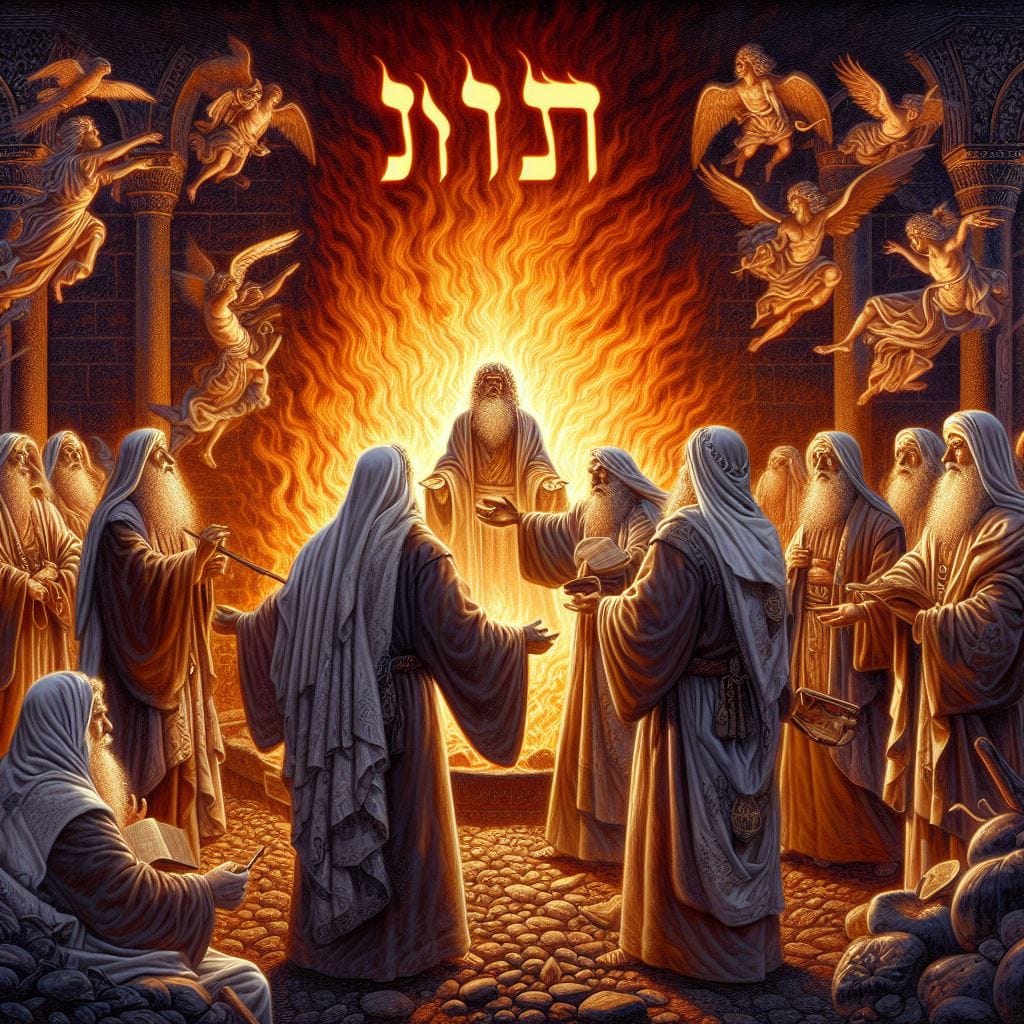
9. The Missing Mitzvah: Devarim 17
The biggest issue with Karaite-like movements is not that they like the Bible.
Loving the Bible is good.
The issue is that they claim to follow Torah while neglecting one of the Torah’s own commandments: the obligation to heed the authorized court.
Devarim / Deuteronomy 17:8–13 teaches that difficult cases are brought to the place HaShem chooses, to the kohanim, Levi’im, and shofetim — the priests, Levites, and judges — and that Israel must not turn aside from the ruling they give.
This is not optional.
This is Torah.
So when a person says, “I follow the written Torah only,” Judaism answers:
The written Torah itself commands submission to the authorized legal tradition of Israel.
This does not mean every modern rabbi is automatically correct.
It does not mean there are no disputes.
It does not mean one may not study deeply.
But it does mean Torah was never designed as a private, isolated, anti-court system.
Judaism is Torah plus living legal transmission.
Mishnah, Gemara, halachic midrash, Mishneh Torah, Shulchan Aruch, and the later poskim are not enemies of Torah.
They are the way Torah becomes livable.
10. Living Like Daniel Today
So what does it mean to live like Daniel today?
It does not mean panicking because someone is named Sophia.
It does not mean pretending that every foreign word is spiritually poisonous.
It does not mean rejecting the Jewish calendar because the month Tammuz has a Babylonian name.
It does not mean inventing a private Torah system without halacha.
To live like Daniel means:
Pray toward HaShem with Jewish discipline.
Face Jerusalem in longing and loyalty.
Refuse actual idolatry.
Keep kosher according to halacha, not private guessing.
Accept that exile leaves marks, but Torah gives order.
Do not confuse ancient word origins with forbidden worship.
Love Scripture inside the living people of Israel.
Submit to the authority structure Torah itself commands.
Choose humility over self-made religious identity.
Remain Jewishly faithful even in Babylon.
That is the great lesson.
Daniel lived in a world full of pagan names, pagan food, pagan rulers, pagan images, and pagan power.
But he did not become pagan.
He also did not become hysterical.
He knew where the line was.
A name is not always worship.
A borrowed word is not always idolatry.
A calendar shaped by exile is not automatically forbidden.
But bowing to idols is forbidden.
Eating in ways that violate Jewish law is forbidden.
Rejecting the Torah’s legal authority while claiming to follow Torah is dishonest.
That is where Judaism differs from Karaite-like movements.
Judaism is not shallow biblical enthusiasm.
Judaism is covenant, peoplehood, halacha, prayer, memory, discipline, and humility before HaShem.
So yes, one may live in a world filled with names like Sophia.
One may say the month of Tammuz.
One may speak English, a language full of old pagan layers.
One may live in exile and still be faithful.
But one must not bow.
One must not abandon halacha.
One must not replace Israel.
One must not turn Torah into a private religion.
To live like Daniel is to live faithfully in Babylon while facing Jerusalem.
Choose the way of Daniel.
Choose Torah.
Choose halacha.
Choose Judaism.
To Live Like Daniel in the World
Torah, Faithfulness, and the Courage to Remain Jewish in a World That Is Not Always Jewish
How does a Jew remain faithful to HaShem, Torah, and Halakhah while living and working in a society that does not necessarily share Jewish religious values?
The answer can be found in the remarkable life of Daniel.
Daniel lived in exile, far from Jerusalem and the familiar institutions of Jewish national life. He served within the courts of foreign kings, encountered unfamiliar customs, and faced pressures that tested his commitment to HaShem.
Yet Daniel did not abandon his identity.
In Daniel 1:8, he resolves not to defile himself with the king's food. Later, in Daniel 6:11, we encounter his established practice of praying three times daily, turning toward Jerusalem, even when his faithfulness placed him in danger.
These accounts reveal a profound lesson about the relationship between Torah observance and participation in the wider world.
Daniel did not regard every interaction with non-Jewish society as a betrayal of Judaism. He worked within its institutions, exercised wisdom, accepted responsibility, and demonstrated integrity.
Yet he maintained religious boundaries.
He participated in the world without surrendering his covenantal identity.
This distinction remains essential for traditional Orthodox Jewish life.
A Jew does not need to abandon ordinary employment, education, civic responsibilities, or respectful relationships with non-Jewish neighbors to remain faithful to Torah.
At the same time, participation in secular society does not require abandoning Shabbat, Kashrut, Jewish prayer, the commandments, or the inherited traditions of Israel.
The task is to cultivate sufficient Torah knowledge and religious discipline to understand where accommodation is permissible and where the obligations of Halakhah must remain firm.
This is particularly relevant to Jewish families in Alpena, Hillman, Rogers City, and throughout Northeastern Michigan.
Living far from major Jewish population centers creates practical challenges. Kosher food may require additional planning. Torah education may take place primarily within the home. Established synagogues and regular minyanim may be distant.
Yet geographical isolation does not make authentic Jewish life impossible.
Like Daniel, a Jew can establish a disciplined life of prayer, learning, integrity, and fidelity to HaShem even when the surrounding environment follows different customs.
The study of Chumash, Mishnah, Gemara, Rambam, and practical Halakhah provides the intellectual and religious foundation for meeting these challenges responsibly.
Shaarei Tzafon encourages precisely this kind of traditional Jewish independence: not separation from humanity, but the preservation of Jewish identity through knowledge, commitment, and faithful observance.
The central message: To live like Daniel is to participate responsibly in the world without surrendering the Torah. Jewish faithfulness is measured not by isolation from society, but by the integrity with which we maintain our covenant with HaShem.
The Jewish home can remain a place of Torah wherever it stands. The Jewish family can remain faithful wherever it lives.
And the inheritance of Sinai can continue even in the quietest corners of the northern wilderness.
Published by Shaarei Tzafon — The North Gate, an independent, family-led Orthodox Jewish educational and publishing initiative based in Northeastern Michigan, serving Alpena, Hillman, Rogers City, and surrounding communities.
Shaarei Tzafon promotes traditional Jewish life, Torah study, practical Halakhah, and the renewal of independent Jewish learning communities throughout the northern boreal regions, extending from the 45th parallel toward the Arctic tundra.
Article: https://www.shaareitzafon.org/to-live-like-daniel-in-the-world
Shaarei Tzafon — The North Gate
Orthodox Jewish Life and Torah Study in Northeastern Michigan
Shaarei Tzafon — The North Gate, led by Rabbi Ariel Manning, is an independent, family-led Orthodox Jewish educational and publishing initiative based in Northeastern Michigan. We support traditional Jewish life, Torah study, Halakhah, and Jewish education throughout Alpena, Hillman, Rogers City, and surrounding communities. Those interested in traditional Judaism are welcome to contact us for educational resources, Torah learning, and opportunities for discussion by prior arrangement.
Rooted locally, our greater mission extends northward from the 45th parallel — The North Gate — through Michigan, Canada, and Alaska toward the Arctic. We seek to encourage independent Jewish communities, family-centered Torah education, and the renewal of small batei midrash and shtieblach, preserving the rich traditions of Orthodox Judaism for future generations.
Our work begins in Northeastern Michigan, but our vision extends from the 45th parallel toward the Arctic.
Guided by Rambam and Mori Qafiḥ, uplifted by Rebbe Nachman, and grounded by Avraham ben HaRambam’s balance of halakha and inward avodah.
The Orchard’s Path
publishes our books and curricula.
Our mission: a bright, authentic Jewish presence in every northern town.
Created with ©systeme.io


